

Lockout safety locks are vital tools for keeping workers safe by making sure machines stay off during repair or maintenance. In Australia, these systems help prevent about 50,000 injuries at work every year. They’re not just a good idea; they’re also part of following the law when it comes to health and safety. Imagine knowing that you’ve equipped your workplace with something that both protects your team and keeps you in line with regulations.
Understanding how lockout/tagout works is key to stopping accidents before they happen. It’s like giving everyone a playbook so they know exactly what to do if things go wrong. And the best part? It saves money in the long run by avoiding costly mishaps. In mining, where danger is often just around the corner, having top-notch gear such as protective clothing, gadgets that spot harmful gases, gear for crises, and clear ways to communicate are absolute musts.
But let’s not forget those handy lockout/tagout stations – think of them as home base for all your safety essentials. WorkSafe LockOuts Products has made a name for themselves with their tough-as-nails lockout/tagout stations that make sticking to safety rules straightforward while also keeping everything tidy and in its place. Nowadays, putting safety first isn’t just smart; it’s essential. Ready-set-go onto discovering how lockouts could be lifesavers!
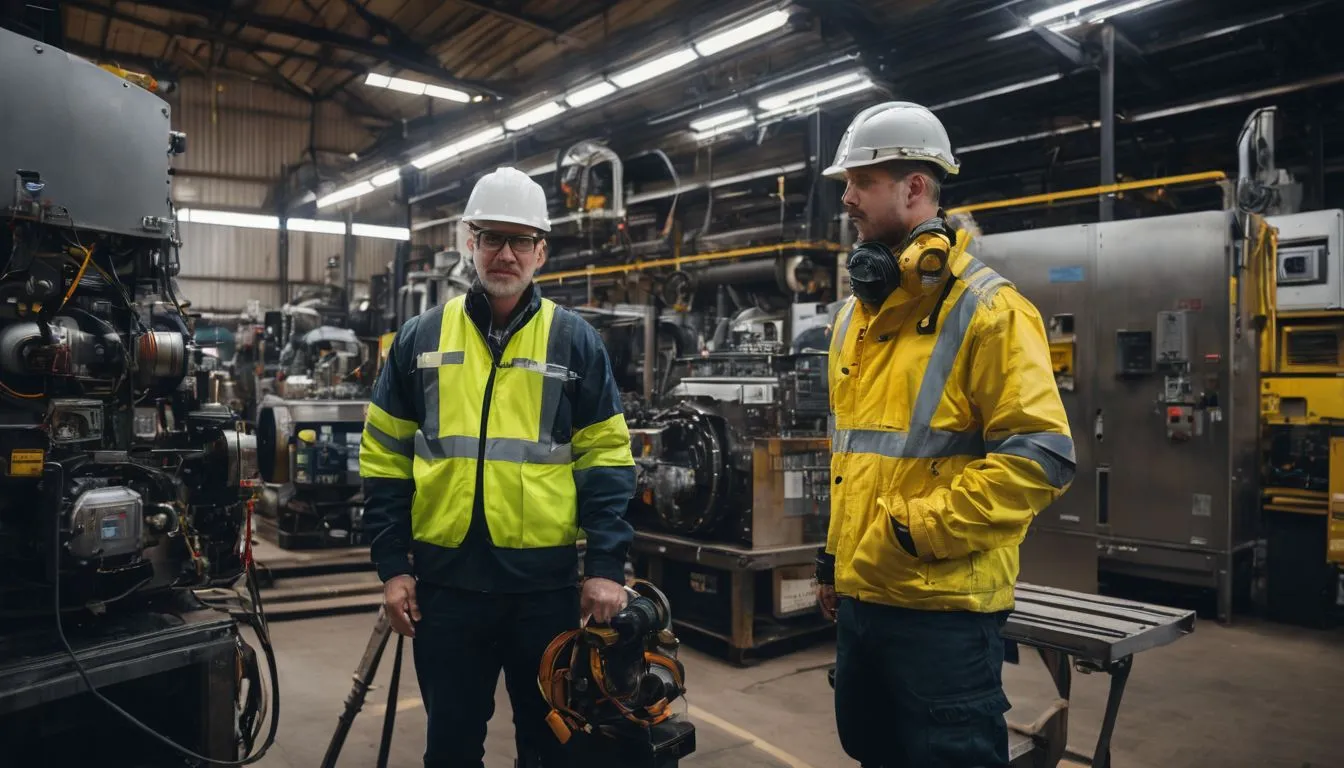
Understanding the Importance of Lockout/Tagout in Workplace Safety
Lockout systems play a crucial role in preventing accidents and ensuring compliance with Australian workplace health and safety regulations. They are cost-effective tools that can significantly improve workplace safety and reduce the risk of injuries.
The role of lockout systems in accident prevention
Lockout systems play a crucial part in preventing workplace accidents by ensuring that industrial machinery is safely shut down and unable to be restarted while maintenance or repairs are being carried out.
By using safety padlocks and energy isolating devices, we effectively neutralise hazardous energy sources that could cause harm. This critical step protects our team members from unexpected releases of energy during equipment servicing.
We have witnessed firsthand the difference these safety procedures make in reducing injury risks. Installing robust lockout/tagout protocols not only shields employees but also safeguards equipment from potential damage.
Our commitment to occupational safety means incorporating these systems as essential elements within our overall strategy for hazard prevention, setting the stage for a safer work environment where every one of us can focus on productivity without undue risk.
Compliance with Australian workplace health and safety regulations
To comply with Australian workplace health and safety regulations, it is crucial to implement lockout/tagout procedures. These procedures ensure the safety of employees while working with industrial machinery and equipment maintenance.
Adhering to these regulations not only safeguards workers but also prevents costly accidents. By incorporating lockout devices and tagout devices in maintenance safety procedures, businesses demonstrate their commitment to upholding safety protocols in emergency preparedness scenarios.
Implementing lockout systems as per Australian workplace health and safety regulations enhances overall industrial machinery safety compliance. This proactive approach reduces the risk of workplace injuries and demonstrates a dedication to maintaining a safe work environment that adheres to necessary standards.
Benefits of using lockout systems in the workplace
Lockout systems in the workplace offer numerous benefits. They enhance safety by effectively preventing accidents and injuries during equipment maintenance procedures. Implementing lockout systems also ensures compliance with UK workplace health and safety regulations, providing peace of mind for business owners.
Moreover, lockout systems are a cost-effective solution for accident prevention, saving both money and resources.
By using lockout systems in the workplace, businesses guarantee a safer environment for their employees while actively adhering to regulatory standards. It’s important to understand how these advantages directly impact your organisation’s overall productivity.
The Advantages of Lockout/Tagout Systems
– By implementing lockout/tagout systems in your workplace, you can significantly improve safety and reduce the risk of injuries.
– With increased compliance with health and safety regulations, it becomes a cost-effective way to prevent accidents from occurring.
Improved safety and reduced injuries
Implementing lockout/tagout systems in your workplace leads to improved safety and fewer injuries. These systems prevent the unexpected startup of machinery, eliminating the risk of accidental energisation during maintenance or repair work.
By using safety lockout devices, you can effectively protect your employees from hazardous energy sources and significantly reduce the likelihood of workplace accidents.
Furthermore, incorporating lockout/tagout procedures provides a proactive approach to preventing injuries. It ensures that all equipment is properly isolated before any servicing or maintenance tasks are initiated.
Increased compliance with health and safety regulations
By ensuring the implementation of lockout/tagout procedures, businesses can guarantee increased compliance with health and safety regulations. This proactive approach demonstrates commitment to providing a safe working environment for employees, aligning with Australian workplace health and safety standards.
Compliance not only mitigates legal risks but also enhances overall workplace safety culture, fostering a more productive and secure work environment.
Additionally, maintaining high levels of compliance promotes trust among employees and contributes to lower injury rates. It establishes an atmosphere where workers feel confident that their well-being is prioritised, ultimately leading to improved morale and productivity.
Cost-effective accident prevention
Implementing a comprehensive lockout/tagout system leads to cost-effective accident prevention. By utilising proper safety locks and procedures, businesses can significantly reduce the likelihood of workplace accidents, ultimately saving on potential injury-related costs.
Investing in lockout systems not only ensures the well-being of employees but also minimises expenses associated with work injuries and related downtime.
Businesses that prioritise implementing lockout/tagout procedures benefit from long-term cost savings by preventing costly workplace incidents. A proactive approach to safety not only fosters a secure work environment but also provides financial advantages for business owners in the long run.
Components of a Comprehensive Lockout/Tagout Procedure
Training employees on lockout/tagout procedures is essential for workplace safety, and having the top industrial safety equipment required for mining operations is crucial. Learn more about the importance of lockout systems in preventing accidents and complying with health and safety regulations.
Keep reading to ensure your workplace is equipped for the unexpected!
Training employees on lockout/tagout procedures
We ensure our employees are thoroughly trained on lockout/tagout procedures to maintain a safe workplace environment. This includes:
- Conducting comprehensive training sessions to educate employees on the purpose and correct execution of lockout/tagout procedures.
- Providing hands – on training to familiarise employees with the proper use of safety locks and equipment.
- Regularly updating and reinforcing training to ensure that all employees are knowledgeable and competent in implementing lockout/tagout procedures.
- Testing employees’ understanding through practical assessments to validate their proficiency in executing lockout/tagout procedures effectively without supervision.
- Incorporating real – life scenarios into training sessions to illustrate the critical importance of adhering to lockout/tagout protocols.
- Encouraging open dialogue between management and staff regarding any concerns or questions related to lockout/tagout procedures, fostering a proactive culture of safety awareness within the workplace.
Top industrial safety equipment required for mining operations
When equipping your workplace for mining operations, it’s crucial to have the following top industrial safety equipment:
- Personal Protective Equipment (PPE): This includes helmets, gloves, safety glasses, and protective clothing to safeguard workers from potential hazards.
- Gas Detection Systems: Utilising gas detection systems helps monitor and detect harmful gases in underground mining environments, ensuring a safe working atmosphere.
- Communication Devices: Two-way radios or advanced communication systems are essential for maintaining contact between workers and supervisors, especially in remote or underground areas.
- Emergency Response Equipment: Having first aid kits, stretchers, defibrillators, and emergency response plans in place can mitigate the impact of accidents or emergencies.
- Lockout/Tagout Systems: Implementing robust lockout/tagout procedures and devices can effectively control hazardous energy sources and prevent unexpected machinery startup during maintenance or repair procedures.
Benefits of Using Lockout/Tagout Stations in the Workplace
Convenient storage solution for lockout products, easy access to essential equipment during emergencies, and enhanced organisation in the workplace. Learn more about how lockout/tagout procedures are vital for workplace safety and accident prevention.
Convenient storage solution for lockout products
A lockout/tagout station provides a convenient storage solution for all your lockout products. This ensures that necessary equipment, such as padlocks and tags, are easily accessible to employees when needed.
By having a designated station for lockout products, you can streamline the process of implementing lockout procedures and improve overall efficiency in ensuring workplace safety.
Choosing the right lockout/tagout station is crucial in maintaining an organised and accessible environment for safety locks. It’s essential to look for stations that offer secure compartments, clear labelling, and durable construction to withstand industrial settings.
How lockout/tagout procedures are carried out
- Identify all energy sources and equipment that need to be isolated.
- Communicate the shutdown process with all affected employees.
- Shut down the equipment following standard operating procedures.
- Isolate the energy sources by applying lockout devices.
- Release any stored energy and verify zero – energy state.
- Apply tagout devices to clearly indicate that the equipment is not to be operated.
Features and benefits of WorkSafe LockOut Products’ lockout/tagout stations
WorkSafe LockOut Products’ lockout/tagout stations offer a comprehensive solution for storing and accessing essential lockout products. The durable construction and secure locking mechanisms ensure that all necessary equipment is organised and readily available when needed.
This convenient storage solution helps to streamline the implementation of lockout/tagout procedures, saving time and increasing workplace efficiency.
The ergonomic design of WorkSafe LockOut Products’ lockout/tagout stations simplifies the process of carrying out lockout procedures, contributing to a safer work environment. Additionally, the clear visibility and accessibility of equipment within these stations enhance employee compliance with safety protocols.
These features ultimately translate into minimised downtime due to accidents or injuries, reinforcing the value of investing in WorkSafe LockOut Products’ lockout/tagout stations for your workplace.

Conclusion and Key Takeaways
Lockout/tagout systems play a crucial role in workplace safety. Implementing these systems can significantly reduce injuries and ensure compliance with health and safety regulations. The practicality and ease of implementing lockout procedures make them an efficient solution for accident prevention. How will you integrate lockout/tagout stations into your workplace?
Prepare your workplace for the unexpected with a range of safety locks that offer you security and peace of mind. Equip your workplace with WorkSafe Lockout and stay one step ahead of emergency situations. Explore further resources to enhance your knowledge on this essential aspect of industrial equipment safety.
Sorting out lockout for your own site?
Describe what needs isolating and we'll help you work out the setup that fits.