
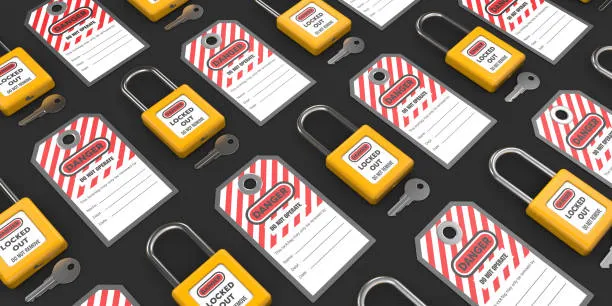
Lockout/Tagout, or LOTO, is a safety practice we use to control hazardous energy during machine maintenance. It’s crucial because it prevents around 120 deaths and stops 50,000 injuries each year by making sure the dangerous energies are kept in check. While a lockout secures energy with a strong lock, a tagout places warning tags that don’t physically hold the device like locks do. According to OSHA rules, we must write down our LOTO procedures, teach our employees these safety steps, and check frequently that everyone’s doing things right.
We need several things for a good LOTO programme: knowing where all risky energies are hiding, picking out the proper locks and tags to use on them, and keeping Locksafe's equipment well-maintained through regular checks. By embracing Lockout/Tagout software tools as part of our routine, we can better organise these safety processes and keep clear records across our company. Safety comes first in everything we do; it’s what keeps us running smoothly every day. Let’s ensure every switch turned off stays off until it’s safe again – because one slip could be one too many.

Understanding Lockout/Tagout Safety
Understanding lockout/tagout safety is crucial for maintaining a safe work environment. It involves isolating energy sources to prevent the unexpected start-up of machinery and equipment, ensuring the safety of workers.
HSE standards outline the importance of implementing proper lockout/tagout procedures to protect employees from hazardous energy sources.
Definition
Lockout/Tagout, commonly referred to as LOTO, involves specific practices and procedures to safeguard employees from the unexpected energisation or release of hazardous energy during service or maintenance activities.
This system serves as a checkpoint that makes sure machinery is properly shut down and unable to be restarted until the completion of necessary work. Essential for worker safety, it requires that lockout devices hold energy isolation points in a safe position and tagout signs alert all about ongoing maintenance.
In essence, LOTO helps control potentially dangerous energy sources such as electrical circuits, mechanical systems, hydraulic and pneumatic equipment. By using these energy isolation methods diligently, businesses prevent accidents and fatalities by ensuring machinery stays inert until it’s secured against unintended activation.
Energy conservation happens not just through technology but also through robust safety measures like these that protect our most valuable asset – our workers.
Importance
Maintaining effective lockout/tagout safety measures is crucial for ensuring the well-being of employees, preventing workplace accidents, and adhering to energy control regulations.
Implementing a comprehensive lockout/tagout programme not only safeguards workers from hazardous energy release but also minimises the risk of electrical and mechanical system accidents.
This proactive approach demonstrates a commitment to workplace safety, which can help in reducing insurance premiums and potential legal liabilities.
Having robust lockout/tagout procedures in place also enhances operational efficiency by streamlining maintenance processes and minimising equipment downtime due to accidents or injuries.
Difference between Lockout and Tagout
Now, let’s delve into the distinction between lockout and tagout procedures. A lockout involves physically securing energy-isolating devices with a lock or similar mechanism to prevent the release of hazardous energy, while a tagout involves using prominent tags or labels to indicate that equipment should not be operated.
Lockouts provide a higher level of protection as they physically prevent the operation of machinery or equipment, whereas tagouts mainly serve as warning signals. By understanding this difference, businesses can effectively implement appropriate safety measures based on their specific needs and requirements.
OSHA Standards
OSHA standards require businesses to implement and maintain a comprehensive lockout/tagout programme to protect employees from hazardous energy sources. This includes having written procedures for de-energising equipment, as well as training employees on lockout/tagout measures.
Additionally, OSHA mandates regular inspections of the programme to ensure its effectiveness and documentation of these inspections.
The consistent implementation of OSHA standards is crucial in maintaining a safe work environment for employees. It is essential for business owners to adhere to these regulations and keep up with any changes or updates made by OSHA.
Components of a Lockout/Tagout Program
The components of a Lockout/Tagout Programme include energy isolating devices, lockout devices, and tagout devices, which are essential for preventing hazardous energy release. To learn more about the importance of these components in maintaining safety measures for energy sources, keep reading.
Energy Isolating Devices
- Identifying all energy sources
- Applying locks and tags to switch off power sources
- Locking out control panels and valves
- Ensuring stored energy is effectively controlled
- Verifying de – energisation before commencing work
- Removing all residual energy sources
- Utilising safety locks in accordance with energy efficiency regulations
Lockout Devices
Lockout devices are an essential component of the lockout/tagout system, designed to physically prevent the re-energising of equipment during maintenance or servicing. These devices come in various forms, including padlocks, lockout hasps, circuit breaker locks, and valve lockouts.
- Padlocks: Keyed alike or keyed differently, these locks provide a secure way to immobilise energy-isolating devices ensuring that power sources remain inoperative during maintenance.
- Lockout Hasps: Designed to secure multiple workers’ lockout points, they ensure that each worker has their own unique padlock for maintenance work.
- Circuit Breaker Locks: These locks fit onto circuit breakers to prevent them from being turned back on inadvertently while maintenance is ongoing.
- Valve Lockouts: Used to isolate and securely lock out control valves, preventing accidental opening or closing during maintenance.
Tagout Devices
After securing energy sources using lockout devices, tagout devices play an essential role in further ensuring employee safety and preventing the unexpected release of hazardous energy. Tagout devices serve as a prominent visual indicator that equipment or machinery is being serviced or maintained. They can be attached to energy isolating devices, providing additional warning to employees working on the equipment.
- Clearly labelled and durable: Tagout devices should have clear and specific labels indicating the reason for the lockout or tagout, along with the name of the authorised personnel performing the maintenance.
- Secure attachment: Tags must be securely attached to the energy isolating device, ensuring they are not easily removed or detached during maintenance procedures.
- Recognisable design: The design and colour of tagout devices should be distinct and easily recognisable, making it clear that equipment is out of service.
- Explicit instructions: Tags need to include explicit instructions on how to safely remove them, along with any necessary precautions when re-energising equipment after maintenance.
- Complementary to lockout devices: While tagout devices supplement lockout procedures, they do not replace them; both must work in conjunction to ensure complete safety measures are in place.
- Regular inspection: Periodic checks need to be carried out to ensure that tagout devices are in good condition and being used appropriately according to safety protocols.
- Employee awareness: Comprehensive training programmes should educate employees about the importance of tagout devices and their role in maintaining a safe work environment.
7 Steps of a Lockout/Tagout Procedure
Identifying hazardous energy sources is the first step in ensuring a safe work environment. Securing energy sources with lockout/tagout devices prevents accidental startup or release of stored energy.
This procedure also includes regular testing and maintenance to ensure continued safety measures are in place.
Identifying hazardous energy
To recognise hazardous energy, they inspect machinery and systems to pinpoint potential energy sources. We examine electrical, mechanical, hydraulic, pneumatic, chemical and thermal sources.
We then assess the stored or residual energy levels.
We also identify equipment functions that may require de-energising during maintenance or servicing. By understanding and identifying all potential hazardous energy sources within the workplace, you can implement effective lockout/tagout measures.
Securing energy sources
To prevent unexpected start-ups or releases of energy during maintenance, the first step is identifying and securing energy sources. This involves locating all power sources (such as electrical, mechanical or pneumatic) that need to be de-energised before any work begins.
Once identified, these energy sources should be safely isolated using appropriate lockout/tagout devices to ensure that no hazardous energy can be released while maintenance work is being carried out.
Inspecting equipment for any stored energy and making sure it is properly controlled also plays a crucial role in securing the energy sources. This may involve bleeding off pressure, releasing tension from springs, or discharging capacitors to fully remove any remaining hazardous stored energy.
Testing and maintenance
Regular testing and maintenance of lockout/tagout devices is crucial to ensure their effectiveness. Scheduled inspections help identify any signs of wear, damage, or malfunction that could compromise the safety of energy control measures.
This proactive approach not only prevents hazardous energy release but also extends the lifespan of electrical safety locks and mechanical system controls. By prioritising testing and maintenance, business owners can uphold a safe working environment while avoiding costly equipment downtime due to unexpected failures.
Moving forward, it’s essential to establish a systematic schedule for regular testing and proper maintenance procedures in order to maintain the integrity of lockout/tagout systems.
Removing lockout/tagout devices
When removing lockout/tagout devices, ensure that all employees involved in the maintenance or servicing process understand the critical importance of following proper procedures. Clear communication and coordination among team members is essential during this phase to avoid any accidental re-energising of equipment.
Consistently double-checking and cross-verifying the release of energy sources before removing lockout/tagout devices can effectively prevent hazardous energy-related incidents.
After securely shutting down machinery and confirming zero residual energy, utilise a systematic approach for safe removal of lockout/tagout devices. Once completed, always conduct a final inspection to guarantee that all employees are clear from danger zones before restarting equipment operations.
Ensuring safe equipment operation
After removing lockout/tagout devices, it is crucial to ensure safe equipment operation. This involves verifying that all energy sources are properly reconnected and that the machinery functions as intended without any unexpected hazards.
Regular inspections should be conducted to confirm that all safety measures are in place and working effectively to prevent hazardous energy release.
Employee training plays a pivotal role in ensuring safe equipment operation. It is essential for employees to understand the potential risks associated with operating machinery and the importance of following lockout/tagout procedures meticulously.
Ensuring Effective Lockout/Tagout Measures
Establishing a LOTO program is crucial for maintaining equipment safety, along with regular inspections and employee training. Documentation and the use of Lockout/Tagout Software also play a significant role in ensuring effective measures are in place.
Establishing a LOTO program
To establish a LOTO programme, it is crucial to designate a programme coordinator who will oversee and manage the entire process. This individual has the critical responsibility of ensuring that all aspects of the LOTO programme are implemented effectively and consistently. The programme coordinator must develop and communicate comprehensive lockout/tagout procedures to all employees involved in equipment maintenance, repair, or servicing.
- Designate a Programme Coordinator:
- Develop Comprehensive Procedures:
- Employee Training:
- Equipment-Specific Guidelines:
- Periodic Review and Updates:
- Documentation and Record-Keeping:
- Auditing Compliance:
Regular inspections
After establishing a LOTO programme, regular inspections play a crucial role in maintaining the safety and effectiveness of lockout/tagout measures. Here’s what you need to know:
- Implement a schedule for thorough equipment and procedure inspections to ensure compliance with regulations and maintain safety standards.
- Conduct routine checks on lockout/tagout devices, energy isolating devices, and machinery to verify their proper functioning and identify any signs of wear or damage.
- Train designated employees to perform scheduled inspections, emphasising the importance of attention to detail and adherence to safety protocols.
- Document inspection findings, including any issues or deviations from standard procedures, and take corrective action promptly if necessary.
- Review inspection records periodically to identify trends or recurring issues that may require adjustments to the lockout/tagout programme.
- Communicate inspection results with relevant personnel, ensuring transparency and collaboration in addressing potential safety concerns.
- Utilise digital tools or software solutions to streamline inspection processes, enhance record – keeping accuracy, and facilitate regulatory compliance.
Employee training
Ensuring employee training is comprehensive and ongoing is crucial to the success of your lockout/tagout programme. Here are some key aspects to consider:
- Conduct regular training sessions for all employees involved in the lockout/tagout process, including authorised employees, affected employees, and other personnel.
- Cover topics such as recognising hazardous energy sources, proper lockout/tagout procedures, and the importance of following safety protocols.
- Provide hands – on training to ensure that employees can effectively apply lockout/tagout devices and understand the potential risks associated with energy sources.
- Keep training materials up-to-date with the latest industry standards and best practices to ensure that employees are equipped with current knowledge.
- Test employees’ understanding through quizzes or practical demonstrations to confirm their competence in implementing lockout/tagout measures.
- Document all training sessions and employee certifications to maintain a record of compliance with safety regulations.
- Encourage open communication and feedback from employees regarding any concerns or suggestions for improving the training programme.
Documentation
After providing comprehensive employee training on lockout/tagout procedures, the next vital step is documentation. Maintaining accurate records of all lockout/tagout activities is crucial for regulatory compliance and safety accountability within your facility.
Proper documentation should include details such as equipment identification, date and time of lockout/tagout application, names of authorised employees involved in the process, specific energy sources being controlled, and a thorough description of the locking devices used.
Regular reviews of documented procedures help to identify any possible gaps or hazards that may have been overlooked during previous assessments. Using advanced Lockout/Tagout software can streamline the documentation process by automating record-keeping tasks and ensuring real-time access to critical information when needed.
Utilising Lockout/Tagout Software
Transitioning from the crucial task of documentation, another essential aspect of ensuring effective Lockout/Tagout measures is utilising specialised software. This software can streamline the management and execution of LOTO procedures, making it easier to track equipment status, employee training, and inspection records.
It allows us to create a centralised database for all lockout/tagout activities, simplifying compliance with OSHA standards and minimising the risk of oversight or error.
Utilising Lockout/Tagout software also enables real-time updates on lockout/tagout processes across different workstations in a facility. It provides an efficient way to communicate procedural changes or equipment status with employees involved in maintenance or servicing tasks.

Conclusion
The lockout/tagout safety measures are crucial for keeping energy sources in check. Implementing these strategies ensures practical and efficient control of hazardous energy release. By establishing a robust LOTO programme, conducting regular inspections, and providing comprehensive employee training, businesses can significantly improve workplace safety. The impact of these approaches cannot be overstated as they lead to safer work environments with reduced risks of accidents or injuries.
Verified lockout safety locks offer control over all energy sources at your workplace. Make the secure decision and opt for Work Safe Lockout’s premium lockout solutions. For further guidance and support, businesses can explore lockout/tagout software solutions that streamline the process. Let’s commit to prioritising power source safety and preventing hazardous energy-related incidents in our workplaces.
Sorting out lockout for your own site?
Describe what needs isolating and we'll help you work out the setup that fits.