
Choosing the right safety lock for your lockout procedures can feel a bit like negotiating a maze – especially given the plethora of options out there. Fair dinkum, we’ve navigated those windy paths ourselves and realised that selecting a fitting device isn’t just about ticking off some compliance checklist – it can significantly impact worker safety on site.
This article aims to give you a hand in picking out an ideal safety lock, one that not only meets all your system’s requirements, but also provides multiple layers of protection.
Ready to crack open this puzzle?

What is Lockout Tagout (LOTO) and Its Importance
Lockout Tagout (LOTO) plays a vital role in maintaining employee safety within many industries. It refers to specific practices and procedures that safeguard workers from the unexpected energization or startup of machinery, equipment, or processes during service or maintenance work.
The use of padlocks, lockouts, tags and other tools inhibit access to controls, ensuring safe isolation.
The importance of employing LOTO cannot be overstated. It prevents an estimated 120 fatalities and 50 thousand injuries each year providing a safer working environment for everyone onsite.
Therefore, implementing comprehensive LOTO measures isn’t just compliance with OH&S guidelines; it’s a priority for sustaining accident-free workplaces across Australia. These initiatives equip businesses with the necessary tools needed to prevent dangerous situations arising due to faulty machinery or human error – making it easier than ever before for them as business owners to ensure their workers’ safety.
The Difference Between Lock Out and Tag Out
Lockout and TagOut are two important methods used in safety procedures to prevent accidents and injuries. Lock Out involves physically disconnecting or isolating the energy source of a machine or equipment, such as turning off the power switch and removing the key.
This ensures that the equipment cannot be operated while maintenance work is being done.
On the other hand, Tag Out involves using a visible tag or label to indicate that a piece of machinery or equipment is out of service and should not be used. This method is often used when it is not possible or practical to physically lock out the energy source.
While both LockOut and TagOut serve the same purpose of preventing accidental start-up, they differ in their level of effectiveness. Lock Out provides a more secure measure as it physically prevents access to hazardous energy sources, whereas Tag Out relies on visual warnings alone.
It is important for businesses to understand the difference between Lock Out and Tag Out and choose the appropriate method based on their specific needs and circumstances. By implementing these safety measures correctly, business owners can ensure better protection for their workers’ safety during maintenance work on machinery or equipment.
Types of Lockout Tagout Devices
Lockout devices are physical barriers that prevent the release of hazardous energy, while tagout devices provide information and warnings. Read on to discover different lockout tagout devices that can enhance your safety procedures.
Lockout devices
Lockout devices are an essential component of any effective lockout tagout (LOTO) program. These devices are specifically designed to physically prevent the accidental start-up or release of hazardous energy during maintenance and repair activities.
They come in various forms, including hasps, valve lockouts, electrical plug lockouts, and circuit breaker lockouts. When selecting a lockout device, it is important to consider factors such as the type of energy source, size and shape of the equipment, compatibility with the LOTO procedure, durability and strength, and colour coding for easy identification.
By choosing the right lockout device for each specific situation, business owners can ensure workers’ safety and prevent accidents caused by unexpected energy sources.
Tagout devices
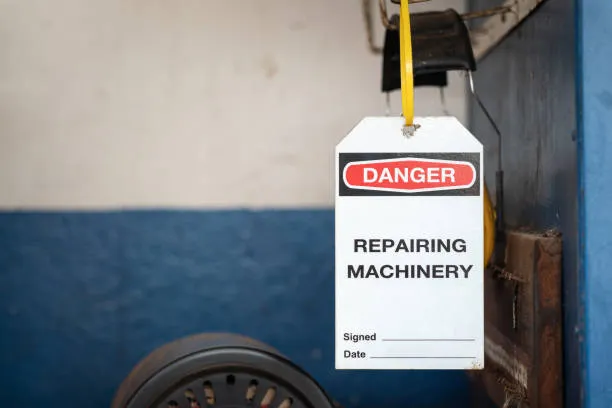
Tagout devices are another important component of a lockout/tagout (LOTO) procedure. These devices provide visual identification and warning signs to workers that specific equipment or machinery is undergoing maintenance or repair.
Tagout devices are typically attached to the energy-isolating device during a lockout procedure, providing clear instructions and information about why the equipment should not be operated.
They come in various forms, such as tags, labels, and signs, which can be easily seen and understood by employees. Implementing tagout devices alongside lockout devices enhances safety measures and ensures that workers are aware of potential risks associated with operating locked-out machinery.
Lockout/Tagout (LOTO) Box
Lockout/Tagout (LOTO) boxes are essential safety devices that help to ensure the effective implementation of lockout/tagout procedures. These boxes provide a secure and designated location for storing locks, tags, and other necessary equipment during maintenance or repair work.
They play a crucial role in preventing unexpected energy releases and protecting workers from potential hazards. LOTO boxes should be durable, easily accessible, and able to accommodate all required lockout/tagout equipment.
By investing in high-quality LOTO boxes, business owners can enhance workplace safety and minimise the risk of accidents.
Factors to Consider When Choosing a Safety Lock
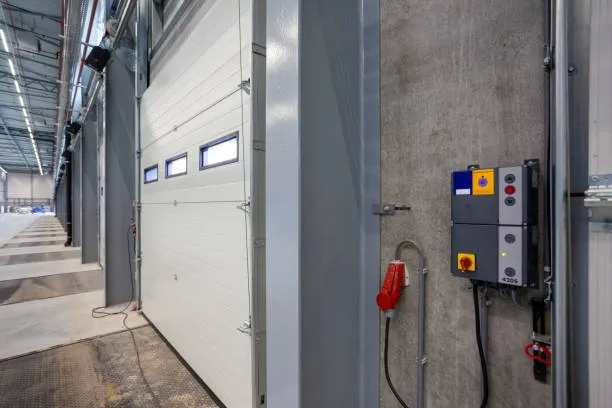
When choosing a safety lock, several factors must be considered. These include the type of energy source, size and shape of the equipment, compatibility with the lockout/tagout procedure, durability and strength of the lock, and colour coding for easy identification.
Type of energy source
When choosing a safety lock for your lockout procedures, it is crucial to consider the type of energy source that needs to be isolated. Different types of equipment may require different locking mechanisms depending on whether they operate using electrical, mechanical, hydraulic, or pneumatic energy sources.
Understanding the specific energy source will help you select a lock that can effectively prevent any unexpected release of hazardous energy and keep your workers safe during maintenance or repairs.
Consider this factor carefully while handpicking the perfect safety lock for your lockout procedures.
Size and shape of the equipment
Consider the size and shape of the equipment when choosing a safety lock for your lockout procedures. It’s important to select a lock that can securely fit onto the specific machinery or device you are working with.
The lock should be able to completely immobilise the equipment, preventing any accidental release of energy. Additionally, make sure the lock is easy to attach and remove without causing any damage or interference with other components.
By carefully considering the size and shape of the equipment, you can ensure that your chosen safety lock provides optimal protection for your workers and effectively prevents accidents during maintenance or servicing tasks.
Compatibility with the LOTO procedure
When choosing a safety lock for your lockout procedures, it is crucial to consider its compatibility with the LOTO procedure. This means ensuring that the lock can be easily integrated into your existing lockout/tagout system and follows the necessary guidelines.
By selecting a lock that is compatible with the LOTO procedure, you can ensure that workers can effectively isolate hazardous energy sources and reduce the risk of accidents or injuries.
Durability and strength
When choosing a safety lock for your lockout procedures, it is crucial to consider its durability and strength. You want a lock that can withstand the harsh conditions of industrial environments and provide maximum security.
Look for locks made from high-quality materials such as hardened steel or reinforced plastic. These materials are designed to resist tampering, corrosion, and physical damage.
In addition to durability, the strength of the lock is also important. It should be able to securely immobilise the equipment or machinery it is being used on. Choose locks with sturdy shackles or bolts that cannot be easily cut or broken.
This will ensure that unauthorised access is prevented effectively and enhance worker safety during maintenance activities.
Colour coding
Colour coding is an important aspect to consider when choosing a safety lock for your lockout procedures. By assigning different colours to specific types of energy sources or equipment, you can easily identify the purpose of each lock.
This helps in preventing accidental removal or tampering with locks and ensures that the correct isolation procedure is followed. For example, red can be used for electrical equipment, while yellow can signify machinery that uses mechanical energy.
Implementing colour coding in your lockout system enhances clarity and makes it easier for workers to understand and adhere to safety measures without confusion or errors.
Best Practices for Maintaining and Inspecting Lockout Systems
To ensure the effectiveness of lockout systems, regular maintenance and inspections are crucial.
General maintenance
To keep your lockout systems in optimal working condition, regular general maintenance is crucial. This includes conducting routine checks and inspections of the locks, tags, and devices used in your lockout procedures.
Inspecting for any signs of wear and tear, corrosion or damage ensures that the safety locks are reliable when needed. Cleaning off dirt, grease or other substances also helps to maintain their effectiveness.
By prioritising general maintenance tasks, you can ensure that your lockout systems remain in top shape and continue to protect your workers from potential accidents and hazards.
Periodic inspections
Periodic inspections are a crucial aspect of maintaining an effective lockout system. These inspections ensure that all lockout devices and procedures are in proper working order, reducing the risk of accidents and promoting worker safety.
During these inspections, it is essential to thoroughly check all lockout points for any signs of wear, damage, or tampering. Additionally, make sure that the locks are properly secured and functioning correctly.
Regular inspections help identify any potential issues early on so they can be addressed promptly to prevent any disruptions or hazards in your operations. By conducting periodic inspections, you demonstrate your commitment to maintaining a safe work environment and protecting your employees from harm.
Training and education
We understand that as business owners, you prioritise the safety and well-being of your workers. That’s why training and education are crucial when it comes to lockout procedures. Providing comprehensive training ensures that your employees have a clear understanding of the process and can confidently implement lockout/tagout measures.
Education programs should cover topics such as identifying lockout points, proper use of safety devices, and the importance of following isolation procedures. By investing in training and education, you are taking proactive steps towards accident prevention and maintaining a safe working environment for everyone involved.
Compliance with WHS regulations
To ensure the safety of your workers and avoid any legal issues, it is crucial to comply with WHS regulations. These regulations outline the requirements for lockout procedures, including the use of safety locks.
By following these guidelines, you can minimise accidents and protect your employees from potential harm. Always stay updated on the latest WHS regulations and make sure your lockout systems align with their standards.
Safety should always be a priority in your workplace.
Resources for further information
For more information on choosing the perfect safety lock for your lockout procedures, there are a variety of resources available. You can explore industry-specific publications and websites that provide detailed guidelines and recommendations for lockout devices.
Additionally, you may find it beneficial to consult with experts in locksmith services or safety equipment suppliers who can offer personalised advice based on your specific needs.
Furthermore, attending workshops or training sessions on lockout tagout (LOTO) procedures can provide valuable insights into best practices and the latest advancements in safety locks.
Conclusion
When it comes to ensuring the safety of your workers and preventing accidents, choosing the right safety lock for your lockout procedures is crucial. Consider factors like the type of energy source, equipment size and shape, compatibility with LOTO procedure, durability and strength, as well as colour coding.
By handpicking the perfect safety lock, you can enhance the effectiveness of your lockout systems and protect your employees from potential hazards. So invest wisely in reliable locks that meet all necessary requirements for a safer workplace environment. Choosing the perfect lock for your procedures is important. Worksafe Lockouts is here to help turn this tricky task into a stress-free experience.
Sorting out lockout for your own site?
Describe what needs isolating and we'll help you work out the setup that fits.