
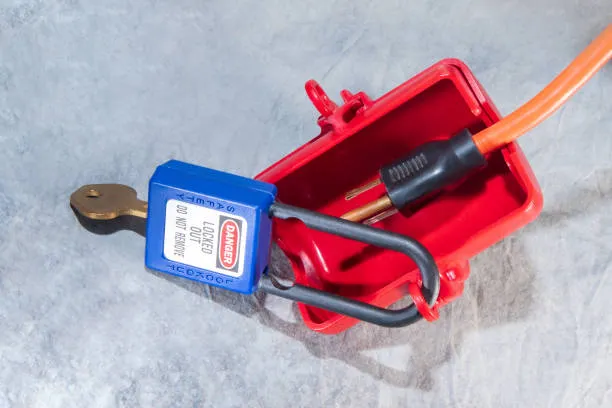
Did you know that a humble safety lock could be the difference between knocking off early for a cold one and coping with an unexpected workplace mishap? We Aussies have all had our fair share of work escapades, but can you believe sticking to safety lock requirements might prevent serious incidents by as much as 25%? This blog will guide you through the nitty gritty of improving your workspace’s safety using lockout systems.
Let’s team up to make our Aussie workplaces safer, mates!
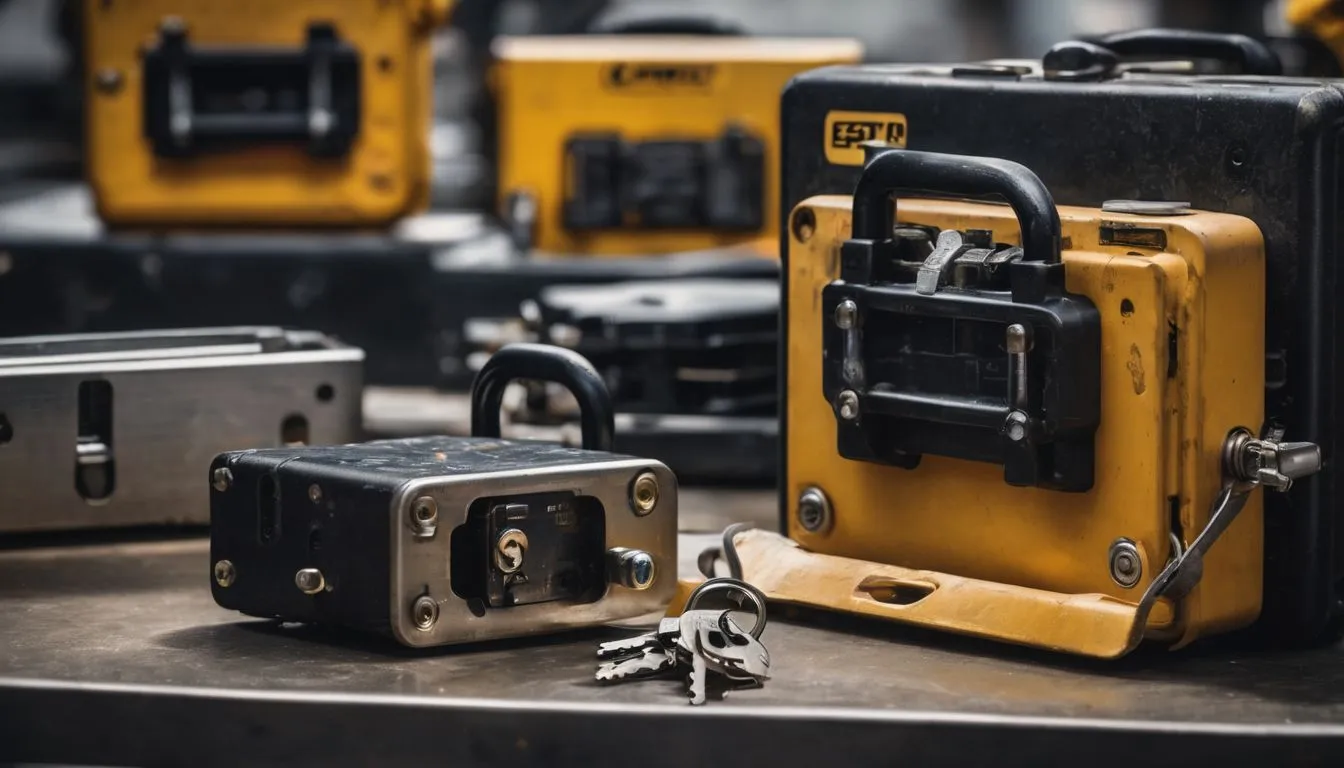
Understanding Workplace Safety Regulations
Workplace safety regulations are essential for preventing accidents and ensuring the well-being of employees in Australia.
Importance of accident prevention
Preventing accidents in the workplace is paramount for any business owner. It’s not just about avoiding injuries and potential fatalities, but it’s also about fostering a safe environment where employees feel secure.
This sense of safety can boost employee productivity, morale, and loyalty. Moreover, accident prevention helps to safeguard your company from costly legal implications and interruptions that could arise following an incident.
Applying industrial safety measures like lockout systems significantly minimise these risks by controlling hazardous energies during maintenance or servicing tasks.
Ensuring that all machinery is properly shut off before starting work keeps staff safe from unexpected startups or releases of stored energy in machines.
Maintaining a clean workspace is another straightforward yet effective way to prevent mishaps at work; cluttered spaces are often culprits of slips, trips and falls.
Regularly scheduled safety drills help prepare employees for emergencies so they know what actions to take when confronted with a dangerous situation.
Installing appropriate signage in high-risk areas serves as constant reminders for workers to take necessary precautions. This practice goes hand-in-hand with providing essential personal protective equipment (PPE) such as safety glasses, gloves, hard hats and high-visibility clothing.
Though ensuring workplace safety may require considerable time investment up front – through training sessions or installing new equipment – the payoff can be substantial over time both financially and morally – protecting your workforce whilst reducing compensation claims.
Ultimately, prevention beats cure every single time; investing in strong preventative measures today will allow businesses owners like us to reap long-term benefits tomorrow by helping create a safer working environment free from unnecessary harm.
Australian workplace health and safety regulations
Australian workplace health and safety regulations are crucial for ensuring the well-being of employees in all industries. These regulations establish the standards and requirements that businesses must meet to create a safe working environment.
It is essential for business owners to understand and comply with these regulations to protect their employees from potential hazards and maintain a positive work culture focused on safety.
Implementing proper safety measures not only helps prevent accidents but also demonstrates a commitment to employee welfare, which can boost morale and productivity within the organisation.
Compliance with Australian workplace health and safety regulations involves various aspects such as hazard identification, risk assessment, implementing control measures, providing adequate training, and maintaining accurate records.
The Role of Lockout Systems in Accident Prevention
Lockout systems play a crucial role in preventing workplace accidents by effectively isolating hazardous energy sources and ensuring equipment is safely shut down.
Advantages of using lockout systems
Lockout systems offer several advantages that can significantly enhance workplace safety. First and foremost, these systems provide a reliable means of preventing accidents by effectively isolating hazardous energy sources.
By allowing authorised personnel to secure the machinery or equipment with lockout devices, the risk of unexpected startup or release of stored energy is greatly minimised. This not only protects employees from potential injuries but also helps avoid costly damages to equipment and infrastructure.
Furthermore, lockout systems promote clear communication and accountability among workers, as they require employees to actively participate in the lockout/tagout process. This encourages a culture of safety and ensures that everyone is aware of the risks associated with specific machinery or equipment before maintenance or repair work begins.
Key components of a comprehensive lockout/tagout procedure
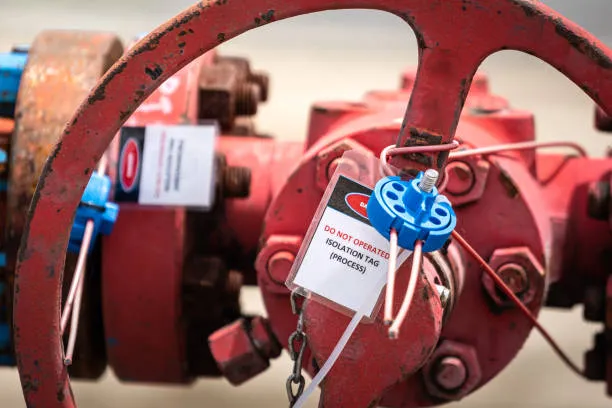
A comprehensive lockout/tagout procedure is crucial for ensuring workplace safety. The key components of such a procedure include clear guidelines and instructions, proper identification and labelling of energy sources, the use of lockout devices or tags to isolate equipment, employee training on lockout procedures, and regular audits and inspections to ensure compliance.
By implementing these components, businesses can effectively prevent accidents caused by unexpected energization or startup of machinery or equipment.
Benefits of Using Lockout Systems in the Workplace
Using lockout systems in the workplace provides a range of benefits, including improved safety and reduced injuries, increased compliance with safety regulations, and cost-effective accident prevention.
Improved safety and reduced injuries
We prioritise improved safety and reduced injuries in the workplace. Implementing lockout systems plays a crucial role in achieving this goal. By using lockout systems, we can effectively prevent accidents and protect our employees from harm.
These systems have several advantages, including preventing unauthorised use of machinery and equipment, eliminating potential hazards during maintenance or repair work, and ensuring proper isolation of energy sources.
By incorporating comprehensive lockout/tagout procedures into our safety protocols, we can greatly reduce the risk of injuries and create a safer work environment for everyone involved.
Increased compliance with safety regulations
Compliance with safety regulations is crucial for maintaining a safe working environment. By implementing lockout systems, businesses can significantly increase their compliance with safety regulations.
These systems ensure that all equipment and machinery are properly secured during maintenance or repair work, preventing accidents and injuries. With increased compliance, businesses can demonstrate their commitment to workplace safety, avoid costly fines or penalties, and ultimately create a safer work environment for employees.
Cost-effective accident prevention
Implementing cost-effective accident prevention measures is crucial for businesses to maintain a safe work environment and comply with workplace health and safety regulations. By investing in lockout systems and procedures, companies can significantly reduce the risk of accidents and injuries while also saving on potential costs associated with workplace incidents.
Lockout systems not only improve safety but also ensure that employees are properly trained in lockout/tagout procedures, reducing the likelihood of human error. With cost-effective accident prevention measures in place, businesses can protect their workers, increase compliance with safety regulations, and safeguard their bottom line.
Ensuring Workplace Compliance
To ensure workplace compliance, businesses must prioritise employee training on lockout/tagout procedures, equip themselves with top industrial safety equipment for mining operations, and implement strategies that consistently meet OHS & WHS obligations.
Training employees on lockout/tagout procedures
To ensure workplace safety and compliance with regulations, it is crucial to train employees on lockout/tagout procedures. This training equips them with the knowledge and skills to effectively isolate and control hazardous energy sources during maintenance or repair work.
By following these procedures, employees can prevent accidents, injuries, and even fatalities. Additionally, this training helps businesses avoid costly legal penalties for non-compliance with workplace health and safety regulations.
Investing in proper employee training on lockout/tagout procedures demonstrates a commitment to creating a safe work environment for everyone involved.
Top industrial safety equipment required in mining operations
To ensure the safety of workers in mining operations, it is crucial to have top-quality industrial safety equipment. This includes personal protective equipment such as hard hats, safety glasses, and gloves to protect against head injuries, eye hazards, and hand injuries.
Other essential safety equipment includes high-visibility vests and clothing to enhance visibility in dimly lit areas or during nighttime work. Additionally, respiratory protection devices are necessary to guard against inhaling harmful dust particles or toxic gases that may be present in mining environments.
Lastly, fall protection systems like harnesses and lanyards are vital for preventing falls from heights and minimising the risk of serious injuries.
Strategies for maintaining compliance with OHS & WHS obligations
To maintain compliance with OHS and WHS obligations, we need to implement a few key strategies. First, it’s important to regularly train our employees on lockout/tagout procedures.
This will ensure that everyone understands how to properly use lockout systems and prevent accidents. Additionally, staying up-to-date on the latest industrial safety equipment required in our specific industry is crucial.
By investing in the necessary equipment, we can effectively minimise risks and meet safety standards. Lastly, incorporating regular safety inspections into our routine is vital for maintaining compliance.
Conclusion
Compliance with safety lock requirements is essential for boosting workplace safety. By implementing comprehensive lockout systems and procedures, businesses can significantly reduce the risk of accidents and injuries. This leads to improved compliance with health and safety regulations, cost-effective accident prevention, and ultimately creates a safer work environment for all employees. To learn more about the impact of modern access control on compliance and the role of security systems in workplace safety, continue reading our blog.
The impact of modern access control on compliance
We understand the importance of compliance with workplace safety regulations, and one aspect that has a significant impact is modern access control. Implementing modern access control systems helps businesses maintain compliance by restricting unauthorised individuals from accessing certain areas or equipment.
These systems ensure that only trained and authorised personnel can enter restricted areas, reducing the risk of accidents or injuries caused by unqualified individuals. By utilising advanced technology such as key cards, biometrics, or PIN codes, businesses can enhance their overall safety measures and demonstrate their commitment to compliance with safety regulations.
The role of security systems in workplace safety
Implementing effective security systems is a crucial part of ensuring workplace safety. These systems play a significant role in preventing unauthorised access, protecting assets, and reducing the risk of theft or vandalism.
By installing surveillance cameras, alarm systems, and access control measures, businesses can deter potential criminals and maintain a safe environment for employees and customers alike.
With modern technology advancements, security systems are more efficient than ever before, providing real-time monitoring and immediate notifications in case of any suspicious activities.
Importance of continuous education and development for workplace safety
Continuous education and development play a crucial role in maintaining workplace safety standards. By staying updated on the latest industry practices, regulations, and technology advancements, businesses can ensure that their employees have the necessary knowledge and skills to prevent accidents and respond effectively in emergency situations.
Ongoing training programs not only improve employee competence but also foster a culture of safety where everyone is responsible for creating a safe working environment. Regular educational initiatives demonstrate a commitment to prioritising workplace safety while equipping employees with the tools they need to protect themselves and their colleagues from hazards. As you have established, compliance with safety lock requirements certainly boosts workplace safety. Roam no further; Worksafe Lockouts is here to meet your needs.
Sorting out lockout for your own site?
Describe what needs isolating and we'll help you work out the setup that fits.