
Navigating workplace safety can sometimes feel like you’re trying to find your way through a tricky maze, chock-full of processes and gadgets that’ll make your head spin. Here in Australia, we’ve seen our fair share of mishaps, especially when it comes to lockout/tagout (LOTO) incidents – they’re the culprits behind a hefty 10% of serious dangers on the industrial scene. So naturally, we decided it was high time we got on top of it and sorted out the best ways to keep things safe.
Our all-encompassing yarn is going to guide you step by step through the ins and outs of lockout safety locks. Whether it’s picking the right bit of kit or getting your hands dirty with its application, we’ve got you covered. Keeping things secure doesn’t have to be a headache – let’s crack into it together and keep everyone protected at work.
Understanding Lockout Tagout Systems
Lockout tagout systems are essential safety procedures designed to protect employees from hazardous energy during maintenance and servicing of equipment. It is important to understand the purpose and significance of lockout tagout in ensuring workplace safety.
Definition of lockout tagout
Lockout tagout, often known as LOTO, is a safety procedure used in industry and research settings to ensure that dangerous machines are properly shut off and not started up again prior to the completion of maintenance or repair work.
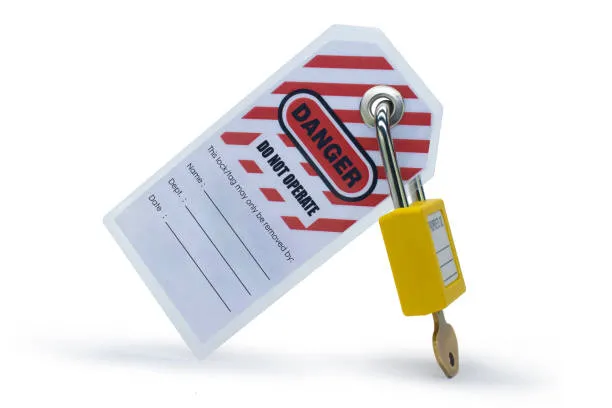
It requires that hazardous energy sources be isolated and rendered inoperative before any repair procedure is begun. Tags are also applied alongside locks to provide warning labels and information about the lockout.
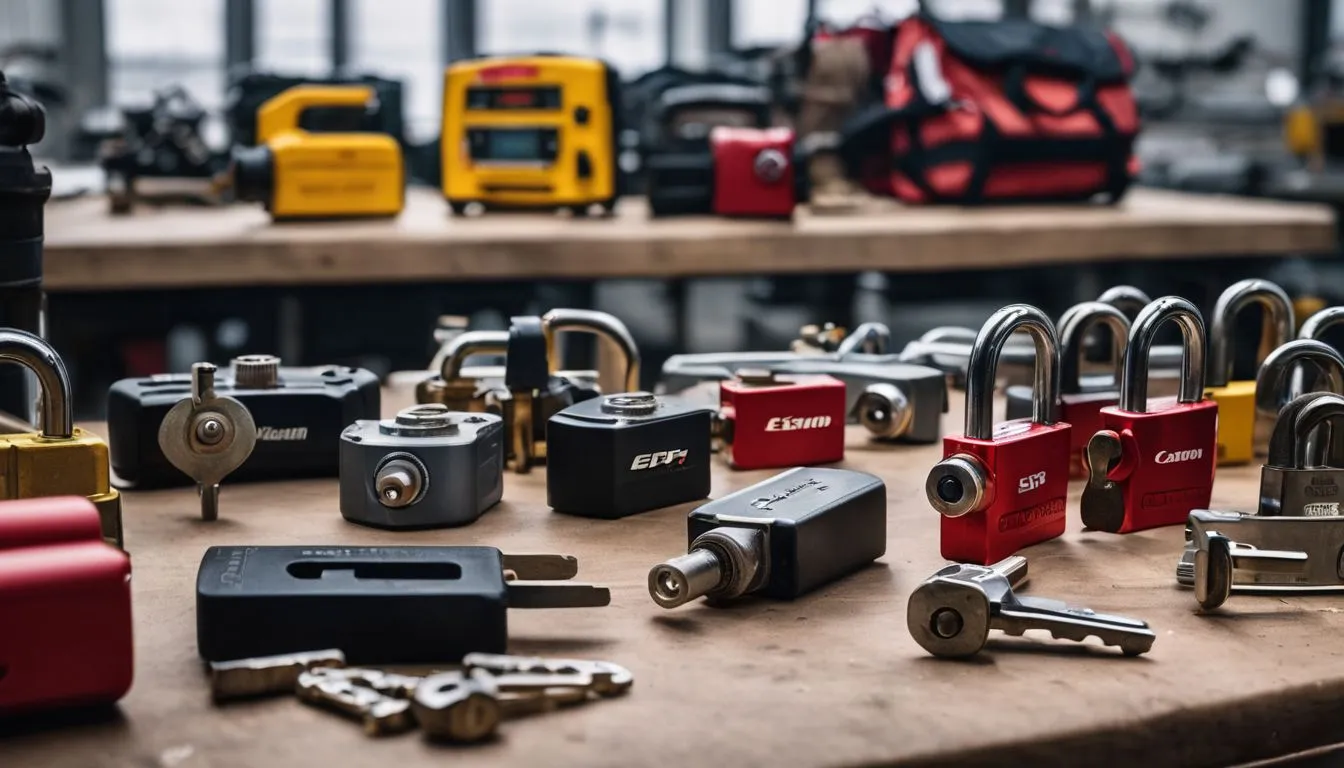
Utilising various devices such as cable locks, gate valve lockouts, ball valve lockouts, electrical equipment lockouts, HASPS, and padlocks ensures equipment remains non-operational until the necessary tasks have been completed.
This critical process protects workers from injury due to unexpected energisation or release of stored energy during service or maintenance activities. It’s an integral part of industrial safety protocols designed to meet strict safety regulations for safeguarding staff against potential hazards associated with energy control.
Purpose of lockout tagout
The purpose of lockout tagout is to protect workers from the unexpected startup of machinery or equipment during maintenance or servicing. It ensures that all energy sources are isolated and rendered inoperative before work begins, preventing accidents caused by the release of stored electrical, mechanical, hydraulic, pneumatic, chemical, thermal, or gravitational energy.
Implementing a comprehensive lockout tagout programme helps to create a safe working environment and reduce the risk of injury or fatalities due to accidental energisation.
Properly applied lockout tagout procedures also help safeguard against damage to equipment and ensure efficient equipment maintenance. By following established isolation instructions and using LOTO devices such as locks and tags correctly, businesses can uphold high safety standards while promoting a culture of workplace safety among their employees.
Relevant standards and regulations
Adhering to the relevant standards and regulations is crucial when it comes to lockout tagout systems. It ensures that your workplace meets the necessary safety requirements and protects employees from potential hazards.
The implementation of these standards and regulations also demonstrates your commitment to providing a safe working environment for all staff members, aligning with best practices in electrical safety and lockout/tagout procedures.
Following the specific guidelines set forth by regulatory bodies not only promotes compliance but also fosters a culture of accountability within your organisation. By staying informed about the relevant standards and regulations pertaining to LOTO kits, lockout tagout signs, training, low-voltage electrical safety, and other lockout devices, you can effectively safeguard workers against electrical accidents while maintaining a productive work environment.
Types of Lockout Tagout Devices
When it comes to lockout tagout systems, there are various types of devices that can be used to ensure safety in the workplace. From lockout tagout kits and circuit breaker lockouts to plug valve lockouts and electrical equipment lockouts, each device serves a specific purpose in preventing unexpected energising or startup of machinery during maintenance or servicing.
Lockout tagout kits
Lockout tagout kits are essential for ensuring the safety of employees and compliance with regulations. These kits typically include a variety of lockout devices designed to fit different types of energy isolation points. Each kit may contain lockout hasps, padlocks, circuit breaker lockouts, valve lockouts, cable lockouts, and other necessary equipment for effectively securing machinery during maintenance or servicing. When used correctly, these kits can prevent accidental power restoration and protect workers from hazardous energy sources.
Circuit breaker lockouts
- They come in various sizes and designs to fit different types of circuit breakers, ensuring a versatile solution for your lockout needs.
- Circuit breaker lockouts are made from durable materials, such as impact-resistant plastic, providing long-lasting protection for your employees and equipment.
- Some models feature a transparent design, allowing for visibility into the status of the breaker even when it’s locked out.
- Using circuit breaker lockouts ensures compliance with safety regulations and standards regarding the isolation of electrical sources during maintenance or repair work.
- Implementing circuit breaker lockouts as part of your lockout tagout programme enhances workplace safety and minimises the risk of electrical accidents.
Plug valve lockouts
Plug valve lockouts are essential devices used to isolate and secure plug valves during maintenance or repair work. These lockout devices effectively prevent accidental operation of plug valves, ensuring the safety of employees and compliance with lockout tagout regulations.
- Easy-to-use design: Plug valve lockouts come with a simple, adjustable design that allows for quick and secure installation on various sizes of plug valves.
- Durable materials: These lockout devices are constructed from high-quality materials such as rugged polypropylene, which ensures long-lasting performance in industrial environments.
- Flexibility in application: Plug valve lockouts can be used in conjunction with padlocks to provide additional security, making them suitable for diverse workplace settings.
- Visible warning labels: Most plug valve lockouts feature clear warning labels that enhance visibility and communicate important safety information to employees.
- Compliance with standards: Using plug valve lockouts demonstrates a commitment to meeting relevant safety standards and regulations, promoting a culture of workplace safety and responsibility.
- Multiple size options: Manufacturers offer a range of sizes for plug valve lockouts to accommodate different dimensions of plug valves commonly found in industrial facilities.
Gate valve lockouts
Gate valve lockouts are essential devices used to prevent the operation of gate valves during maintenance or repair procedures. They are designed to fit over the valve handle, ensuring that the valve cannot be turned. Gate valve lockouts are available in various sizes and designs to accommodate different types of gate valves. These lockout devices are durable and resistant to corrosion, providing long-lasting safety solutions for industrial settings.
- Ensure the lockout device fits securely over the valve handle
- Follow proper installation instructions provided by the manufacturer
- Verify that the gate valve is locked out before performing any maintenance tasks
- Conduct regular inspections of gate valve lockouts for signs of wear or damage
- Train employees on the correct usage and application of gate valve lockouts
- Utilise clear labelling on lockout devices to indicate their purpose and status
- Implement a comprehensive procedure for using gate valve lockouts in conjunction with other lockout/tagout devices
- Always use standard operating procedures when applying and removing gate valve lockouts
Cable lockouts
Transitioning from gate valve lockouts to cable lockouts, in the context of lockout tagout systems, cable lockouts are another essential device used to safely isolate equipment from energy sources. It consists of a multi-stranded steel cable that is enclosed within a robust plastic casing and can be adjusted to fit different types of devices. The use of cable lockouts provides versatility and flexibility in locking out various energy isolation points. They are an effective solution for securing large or unusual energy control devices, ensuring comprehensive safety measures are in place.
- Versatile Application:
- Adjustable Length:
- Durable Construction:
- Tamper-Resistant Design:
- Clear Identification:
- Customer Support:
- Compliance Assurance:
Electrical equipment lockouts
Electrical equipment lockouts are essential for preventing unexpected startup of machinery during maintenance work. They include lockout devices specifically designed for electrical panels, breakers, and other electrical equipment. Always use appropriate lockout/tagout equipment to secure all energy sources before performing maintenance on electrical systems. Before any work begins, ensure that LOTO procedures are followed and workers are properly trained in their usage. Be sure to inspect the equipment regularly for wear and tear to maintain a safe working environment.
Ball valve lockouts
Ball valve lockouts prevent accidental activation of ball valves during maintenance or repair. They are designed to fit over the valve handle, preventing it from being turned. This ensures that the valve stays in the off position and workers are protected from hazardous energy sources.
- Ball valve lockouts come in different sizes to accommodate a wide range of valves.
- They are typically made from durable materials such as thermoplastic for long – lasting use.
- Some ball valve lockouts can be locked with padlocks for added security.
- These devices are easy to install and remove without the need for additional tools or equipment.
Lockout hasps
- Lockout Hasps: These devices are ideal for multiple personnel locking in which each worker has their own padlock but all the locks are attached to a single device.
- Durability and Design: Lockout hasps are made of high-quality materials and feature a tough, zinc-coated steel construction, ensuring longevity in various industrial settings.
- Versatility: They can secure multiple energy isolation points and can accommodate up to six workers at once, promoting efficient and safe maintenance operations.
- Visibility and Compliance: Most lockout hasps come in bright colours for heightened visibility, helping workers comply with safety regulations and standards.
- Ease of Use: With its user-friendly design, lockout hasps allow swift application and removal, streamlining the lockout/tagout process and minimising downtime.
Lockout padlocks
After securing equipment with lockout hasps, the next crucial step is to use lockout padlocks to ensure the safety of your employees and prevent unauthorised access. Here are various types of lockout padlocks that can be used for different purposes:
- Keyed Different Padlocks: Each padlock in this type of set is opened by a unique key, ensuring that one key will not open another padlock within the same set. This adds an extra layer of security and control.
- Keyed Alike Padlocks: Multiple padlocks that open with the same key provide convenience when managing multiple lockout points. It reduces the number of keys needed without compromising security.
- Master Keyed Padlocks: Ideal for larger facilities, these padlocks are opened by individual keys as well as a master key that opens all the locks within a set. This allows managers or supervisors easy access to all secured areas in case of emergencies.
- Non-Conductive Padlocks: Specifically designed for electrical applications, these non-conductive padlocks prevent electrical hazards and are suitable for locking out circuit breakers and other electrical panels.
- Aluminium Body Padlocks: These lightweight yet durable padlocks are ideal for normal industrial applications where corrosion resistance is required.
- Steel Body Padlocks: With a rugged steel construction, these heavy-duty padlocks provide extra strength and security in high-risk environments or harsh weather conditions.
Common Mistakes to Avoid When Using Lockout/Tagout Systems
Ensure proper training, following procedures, and using isolation devices correctly to avoid costly and dangerous mistakes. Read on to discover more about lockout/tagout systems!
Lack of proper training
Proper training is crucial to ensure lockout/tagout procedures are carried out effectively. Insufficient training may lead to workers not fully understanding the potential hazards and risks associated with lockout/tagout systems, putting themselves and others in danger.
Without adequate training on using lockout tagout devices, employees may struggle to identify the correct equipment for specific tasks, increasing the likelihood of accidents or injuries occurring.
Inadequate training could result in employees overlooking safety protocols or making errors during lockout procedures. This can lead to serious consequences including damage to equipment, costly downtime, and most importantly, endangering lives.
Failure to follow procedures
Failure to follow procedures when implementing lockout/tagout systems can result in serious injury or even death. It is crucial to ensure that all employees are trained on the correct procedures and understand the potential risks of not following them.
Even a small oversight in the procedure can lead to disastrous consequences, impacting both the safety of personnel and the organisation’s overall productivity.
Implementing thorough training programmes and regularly reinforcing these protocols will minimise errors on-site, ensuring that all staff members are well-equipped with the knowledge and skills needed for safe operations.
Failure to instil rigorous adherence to lockout/tagout procedures increases the likelihood of accidents occurring, thus highlighting how essential it is for businesses to establish a culture of uncompromising commitment to safety.
Incorrect use of isolation devices
Improper use of isolation devices can lead to serious safety hazards. Using incorrect lockout tagout devices or failing to properly isolate equipment before maintenance increases the risk of unexpected energy release, potentially resulting in severe injuries or even fatalities.
Business owners must ensure that their employees are trained to select and use the appropriate isolation devices for each type of machinery and equipment, adhering strictly to lockout tagout procedures.
To prevent workplace accidents, business owners should regularly review their lockout tagout systems and provide ongoing training for employees on the proper use of isolation devices.
The Lockout/Tagout Procedure Process
In the lockout/tagout procedure process, we will guide you through each step to ensure a safe and efficient shutdown of equipment. From preparation to isolation verification, we have you covered every step of the way.
Steps for preparation
To prepare for lockout/tagout procedures, follow these key steps:
- Gather all necessary equipment and tools required for the lockout/tagout process, including lockout kits, padlocks, tags, and any specific devices needed for isolating energy sources.
- Notify all affected employees and relevant stakeholders about the impending lockout/tagout procedure to ensure everyone is aware of the upcoming equipment shutdown and maintenance.
- Conduct a thorough assessment of the machinery or equipment that needs to be locked out to identify all energy sources and potential hazards.
- Develop a comprehensive plan outlining the specific steps involved in the lockout/tagout procedure based on the assessment findings to ensure a systematic approach is followed during implementation.
- Assign trained and authorised personnel responsible for carrying out each step of the lockout/tagout process to maintain accountability and oversight throughout the procedure.
- Obtain any necessary permits or clearances required before initiating the lockout/tagout process, such as electrical clearances or confined space permits, to comply with safety regulations.
- Communicate with relevant departments or external contractors who may be impacted by the equipment shutdown to co-ordinate efforts and address any concerns or potential impacts on operations.
- Conduct a final review of the entire preparation process to verify that all necessary measures have been taken before proceeding with initiating the lockout/tagout procedure.
Shut down procedures
Shut down procedures involve the following steps:
- Notify all affected employees and any other personnel nearby about the impending equipment shutdown.
- Identify and locate all energy sources that need to be turned off or isolated during the shutdown process to ensure a safe working environment.
- Follow the specific manufacturer’s guidelines for shutting down each piece of equipment, machine, or system.
- Use lockout tagout devices such as padlocks, hasps, and tags to secure energy isolation points and prevent unintentional reactivation.
- Wait for any moving parts to come to a complete stop before initiating the shutdown process.
Isolation and lockout/tagout
- Isolate the energy source by turning off all switches, valves, or controls that supply energy to the equipment.
- Apply the appropriate lockout tagout device to each energy isolation point to prevent re – energisation.
- Ensure that all personnel involved in maintenance or servicing are aware of the locked – out status of the equipment.
- Verify that no residual energy remains in the system by following established procedures for testing and releasing stored energy.
Stored energy check
Before re-energising equipment, it is crucial to perform a stored energy check. Here’s a detailed guide to completing this essential step in the lockout/tagout procedure:
- Identify all potential sources of stored energy, including hydraulic, pneumatic, mechanical, and electrical energy.
- Release or dissipate stored energy by following the specific procedures for each type of energy source. This may involve bleeding pressurised systems, disconnecting power sources, or ensuring that moving parts have come to a complete stop.
- Verify that all stored energy has been effectively released or isolated using appropriate testing equipment or methods.
- Communicate with other team members involved in the maintenance or servicing task to confirm that all potentially hazardous energy sources have been addressed.
- Double – check that all isolation devices are securely locked and tagged out before proceeding with any further work on the equipment.
Isolation verification
Before any maintenance or servicing work is carried out on equipment, it is crucial to verify that the isolation measures have been completed accurately. Here are the steps for isolation verification:
- Visually inspect and confirm that all energy sources have been isolated and locked out.
- Use appropriate testing equipment to verify zero energy flow in electrical circuits or systems.
- Confirm that all stored energy (such as hydraulic or pneumatic pressure) has been safely released.
- Ensure that isolation devices are securely in place and cannot be accidentally removed.
- Double – check the lockout/tagout devices to confirm they are properly applied according to established procedures.
Re-energising equipment
To safely re-energise equipment, follow these steps:
- Inspect the area to ensure all personnel are clear of potential hazards.
- Remove lockout/tagout devices and reassemble any equipment, if previously dismantled.
- Notify all affected employees before re – energising the machinery or system.
- Perform final checks to verify that all tools have been removed and safety guards are in place.
- Gradually restore power and monitor for any abnormalities or malfunctions.
- Conduct a final inspection to confirm that everything is operating as expected.
Contact Your Experts in Lockout Tagout Systems
When it comes to implementing a comprehensive lockout/tagout programme, it’s important to work with trusted experts in the field. They can provide valuable services and guidance to ensure that your business is compliant with safety regulations and standards.
Importance of using trusted experts
When implementing a comprehensive lockout/tagout programme, it is essential to engage the services of trusted experts in the field. Trusted experts bring in-depth knowledge and experience, ensuring that your lockout tagout system complies with relevant standards and regulations.
By leveraging their expertise, businesses can effectively mitigate risks associated with hazardous energy sources and create a safer work environment for employees.
Engaging trusted experts also offers numerous benefits such as tailored training programmes for employees, comprehensive risk assessments, and ongoing support to ensure compliance with safe working standards.
Benefits of implementing a comprehensive lockout/tagout programme
Implementing a comprehensive lockout/tagout programme ensures the safety of your employees and protects your business from costly accidents. By following the proper procedures and using the right devices, you can prevent unexpected startups of machinery and equipment during maintenance or servicing, reducing the risk of workplace injuries.
This proactive approach also helps in complying with relevant standards and regulations, fostering a culture of safety within your organisation.
Furthermore, a well-implemented lockout/tagout programme can lead to increased productivity as work is carried out without interruptions caused by accidents or equipment malfunctions.
Services provided by experts
Our team of experts offers comprehensive lockout/tagout training to ensure that your employees are well-versed in the procedures and best practices for implementing a robust safety program.
We provide tailored solutions, including on-site assessments, custom lockout kits, and ongoing support to help you create a safe and compliant work environment. Their LOTO specialists can also assist with the development of written lockout/tagout procedures specific to your equipment and machinery, ensuring that all potential energy sources are effectively isolated.
By engaging their services, you gain access to their expertise in low-voltage electrical systems and industrial machinery. We help you identify risks unique to your operations and implement effective measures to mitigate them.

Conclusion
The lockout/tagout systems are crucial for ensuring workplace safety. Implementing these strategies not only complies with regulations but also significantly reduces the risk of accidents. Are you ready to take action and improve your lockout/tagout procedures? Consider expert guidance and training to enhance your understanding and implementation of these safety measures. Emphasising practicality and efficiency, our comprehensive guide provides clear steps for preparation, isolation, and verification, making it easy for business owners to prioritise safety. By prioritising lockout/tagout protocols in your workplace, you can foster a culture of safety and prevent potentially devastating incidents.
Sorting out lockout for your own site?
Describe what needs isolating and we'll help you work out the setup that fits.