

Keeping the workplace safe is a bit like solving a tricky jigsaw, especially when they’re talking about keeping their machinery in top-notch condition. We’re all mates in this, and it’s fair dinkum concerning to know that a few dodgy lockout steps can lead to over 50,000 injuries and even 120 lives lost each year across the country. Our yarn today is going to give you the good oil on how to put together a solid lockout safety plan that’ll sort out those risks quickly. So come have a squiz at our straightforward tips and let’s make sure everyone gets home safe after knocking off for the day!
Understanding Lockout/Tagout (LOTO)
Understanding the importance of Lockout/Tagout (LOTO) in workplace safety is crucial for business owners. With OSHA lockout/tagout standards and Australian standards for LOTO, it’s essential to have a comprehensive understanding of LOTO procedures to ensure the safety of workers and compliance with regulations.
Importance of LOTO in workplace safety
Lockout/tagout procedures play a critical role in safeguarding their employees from severe injuries that could occur from the unexpected energisation or start-up of machinery and equipment.
By implementing LOTO, we ensure complete control over hazardous energy sources, demonstrating our commitment to maintaining a safe work environment.
Incorporating lockout/tagout into our workplace not only helps prevent accidents but also aligns with compliance requirements set by regulations like OSHA lockout/tagout standards and Australian standards for LOTO.
These rigorous guidelines are designed to protect workers and provide a clear framework for safety padlocks and tagouts, thus minimising risk during maintenance and inspection activities.
Every time we lock out machines properly before service or repair work begins, we’re preventing potential hazards that could cause harm or even be fatal, a necessary step towards preserving lives and reducing costly downtime due to injuries.
OSHA lockout/tagout standard
The HSE lockout/tagout standard outlines specific requirements for controlling hazardous energy during servicing and maintenance of machines and equipment. It sets clear guidelines for the comprehensive implementation of lockout/tagout procedures to protect workers from unexpected startup or release of stored energy, ensuring their safety when working on machines or equipment.
Understanding the HSE lockout/tagout standard is crucial in creating a safe work environment that complies with regulatory requirements, reduces the risk of workplace accidents, and safeguards the well-being of employees.
Compliance with the HSE lockout/tagout standard involves establishing and implementing effective procedures, providing adequate training to employees on LOTO protocols, using appropriate lockout devices, conducting regular inspections, and staying updated with any changes in regulations.
Australian standards for LOTO
Australian standards for LOTO are essential for ensuring workplace safety. Implementing the AS/NZS 3012:2010 standard provides clear guidelines on lockout/tagout procedures, helping to protect employees from hazardous energy sources.
Compliance with these standards not only ensures legal requirements are met but also enhances overall worker protection.
Following Australian standards for LOTO is integral to creating a safe work environment and preventing accidents caused by unexpected energy release. By adhering to these regulations, businesses can prioritise the well-being of their employees while maintaining operational efficiency and safeguarding against potential hazards.
Key Components of a Comprehensive LOTO Procedure
Understanding the key components of a comprehensive lockout/tagout procedure is crucial for ensuring workplace safety. From preparation and shutdown to isolation, lockout/tagout, and stored energy checks, each step plays a critical role in preventing accidents and injuries.
Be sure to read on for detailed insights into each component.
Preparation
Before commencing any maintenance or repair work on machinery, it is crucial to set the stage for a successful lockout/tagout (LOTO) procedure. We need to gather the necessary tools and equipment required for the task at hand, including safety locks, tags, and other LOTO devices.
It’s also essential to identify all energy sources associated with the equipment and understand their potential hazards. By thoroughly preparing for the lockout process, we can ensure a smooth and efficient operation while prioritising workplace safety.
In readiness for executing a LOTO procedure, ensuring that all employees are well-informed about their roles and responsibilities is paramount. This includes providing comprehensive training on LOTO procedures and guidelines in line with relevant WHS regulations and industry standards.
Shutdown
To initiate a lockout/tagout procedure, the first step is to shut down the machinery or equipment. Ensure all power sources are turned off and any moving parts have come to a complete stop.
This critical step ensures that no unexpected activation occurs while maintenance work is being carried out on the machinery.
Once power sources are disconnected, proceed with isolating the machinery or equipment from any energy source by using appropriate isolation devices such as disconnect switches, valves, or blocking mechanisms.
It’s important to follow manufacturer guidelines and industry best practices for shutting down and isolating specific types of machinery.
Isolation
Before isolating the machinery, they ensure that all necessary preparations have been made. This involves shutting down the equipment and creating a safe environment for the isolation process to take place.
Once this has been completed, we proceed with isolating and securing all energy sources before any servicing or maintenance work begins.
Isolating the machinery is a critical step in ensuring workplace safety and preventing accidents. By effectively isolating equipment, they can minimise the risk of unexpected startup or release of stored energy, protecting both employees and machinery from harm.
Lockout/Tagout
After isolating the equipment, lockout/tagout (LOTO) procedures are crucial for ensuring workplace safety. Implementing LOTO involves securing the energy-isolating devices with lockout safety locks and tags to prevent unexpected startup or release of stored energy during maintenance or servicing.
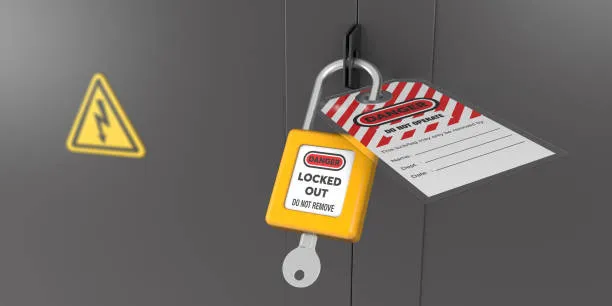
These locks and tags help communicate important information about who is working on the equipment and when the work is being done, thereby guarding against accidents caused by inadvertent operation.
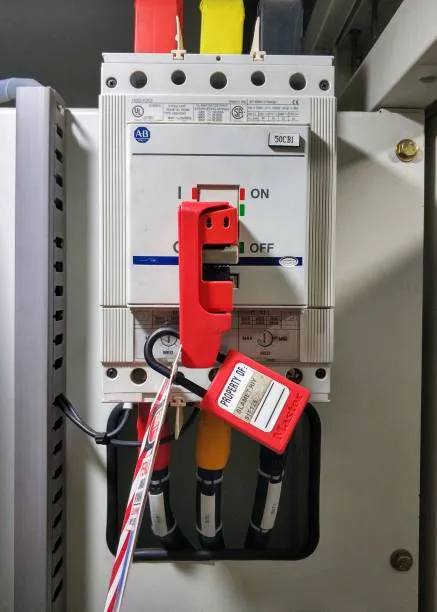
Using different types of lockout safety locks such as padlocks, hasps, and circuit breaker lockouts ensures that only authorised personnel can access machinery during maintenance or repair.
Stored Energy Check
Before starting any maintenance or repair work, always remember to conduct a stored energy check. This crucial step ensures that all potential hazardous energy sources within the machinery or equipment are properly identified and isolated.
Conducting a thorough stored energy check helps prevent unexpected release of energy, which could result in serious injuries or fatalities. Always verify that all forms of potential energy, such as electrical, mechanical, hydraulic, pneumatic, chemical, thermal and gravitational energies have been effectively dissipated before commencing work.
As an essential part of workplace safety practices within your business establishment, conducting a comprehensive stored energy check is non-negotiable for the protection of your employees and compliance with lockout tagout standards.
Isolation Verification
Transitioning from ensuring stored energy is released, the next critical step in Locksafe's lockout/tagout (LOTO) procedure is isolation verification. This involves double-checking that all sources of hazardous energy have been effectively isolated and secured before commencing any maintenance or servicing activities.
It’s imperative to physically verify that machinery and equipment are rendered safe by testing the relevant isolation points. This confirmation process ensures that no residual energy can pose a threat to employees working on the equipment.
Conducting isolation verification requires meticulous attention to detail, thorough knowledge of LOTO procedures, and an understanding of specific machinery and equipment. By diligently executing this crucial step, businesses uphold safety standards and prevent workplace accidents related to unexpected energisation.
Effectively Using Lockout Safety Locks
Choose the right type of lockout safety locks for your machinery, understand the importance of keying in LOTO, and discover the benefits of using these locks in preventing workplace accidents.
Read on to learn more about how lockout safety locks can enhance workplace safety.
Types of lockout safety locks
Lockout safety locks are available in various types to suit different machinery and equipment. These locks include padlocks, lockout hasps, circuit breaker lockouts, valve lockouts, plug and hose lockouts. Each type of lock serves a specific purpose to ensure comprehensive machinery safety.
Importance of keying in LOTO
Keying in LOTO is vital for ensuring the safety of employees and preventing hazardous energy accidents. Properly keying in LOTO locks helps to control, isolate, and secure potentially dangerous energy sources during maintenance or repair work.
This practice safeguards against unexpected equipment startups, which could lead to severe injuries or even fatalities. By always using the right keys and following proper procedures when locking out equipment, you can significantly reduce the risk of workplace accidents caused by uncontrolled energy sources.
Implementing robust procedures for keying in LOTO plays a crucial role in maintaining a safe working environment while also minimising potential disruptions to your business operations.
Benefits of using lockout safety locks
Lockout safety locks offer significant benefits for workplace safety. They help prevent unexpected equipment start-up, which could lead to serious injuries or even fatalities. Using lockout safety locks ensures that only authorised personnel can access machinery and equipment, reducing the risk of accidents and promoting a safer work environment.
Additionally, these locks provide a visual indication that machinery is undergoing maintenance or repair, alerting employees to potential hazards and keeping them safe from harm.
Implementing lockout safety locks in your workplace not only enhances worker protection but also demonstrates your commitment to compliance with LOTO regulations. By investing in high-quality lockout safety locks, you are safeguarding your employees and mitigating the risks associated with hazardous energy sources.
Complying with LOTO Procedures
Establishing a LOTO program and training employees on proper lockout/tagout procedures are essential for workplace safety. Compliance with LOTO guidelines and standards is crucial in preventing accidents and ensuring the well-being of employees.
Establishing a LOTO program
To establish a LOTO programme, conduct a thorough assessment of the workplace to identify all potentially hazardous energy sources. Train employees in lockout/tagout procedures and provide them with the necessary equipment.
Develop clear and concise written procedures for locking out different types of machinery and energy sources. Regularly review and update the LOTO programme to ensure it aligns with current regulations and industry best practices.
Implementing a LOTO programme involves appointing responsible individuals to oversee its execution, conducting regular inspections to verify compliance, and fostering a culture of safety consciousness among all employees.
Training employees on LOTO procedures
After establishing a LOTO programme, training employees on LOTO procedures is essential for ensuring workplace safety. Here are some crucial steps to effectively train your employees:
- Conduct comprehensive training sessions: Organise thorough training sessions to educate employees about lockout/tagout procedures, emphasising the importance of following protocol.
- Provide practical demonstrations: Demonstrate how to properly use lockout safety locks and comply with LOTO requirements in real-life scenarios to ensure understanding.
- Encourage active participation: Engage employees in interactive discussions and hands-on activities to reinforce their understanding of LOTO procedures and their significance.
- Offer refresher courses: Schedule periodic refresher courses to keep employees updated on any changes in lockout/tagout guidelines and best practices.
- Provide access to resources: Equip employees with easy access to educational materials and resources related to lockout/tagout systems for continuous learning and reference.
- Assess employee comprehension: Administer regular assessments or quizzes to evaluate employee knowledge and ensure adherence to lockout/tagout safety measures.
Resources for further information
To ensure ongoing compliance with lockout/tagout procedures and regulations, it’s essential to stay updated on the latest industry standards and guidelines. Look for training programmes and workshops conducted by accredited organisations specialising in workplace safety.
These resources provide valuable insights into best practices, legislation compliance, and the selection of suitable lockout safety locks. In addition, consider seeking guidance from professional locksmiths who can offer expert advice on implementing effective lockout/tagout systems tailored to your specific business needs.
And when it comes to maintaining a robust LOTO programme, periodic inspections are crucial for identifying any potential issues or gaps in your current lockout system. Engaging in continuous education and training is also important to keep your employees knowledgeable about the latest developments in lockout/tagout safety measures as per WHS regulations.
Maintaining and Inspecting Lockout Systems
Regular maintenance and periodic inspection of lockout systems are crucial to ensure their effectiveness. Proper training and education on lockout procedures are essential for compliance with WHS regulations.
General maintenance
Regular maintenance of lockout systems is crucial to ensure their effectiveness in preventing accidental machine activation. Inspecting locks, tags, and other LOTO devices for signs of wear and tear should be done periodically to identify any potential issues.
Replacement of damaged equipment is necessary to maintain the integrity of the lockout/tagout system; this proactive approach protects employees from hazardous energy sources. Furthermore, keeping an inventory of lockout safety locks can aid in identifying missing or malfunctioning devices promptly.
Adhering to a maintenance schedule for LOTO systems not only promotes workplace safety but also demonstrates a commitment to compliance with regulatory standards. Having a well-maintained lockout/tagout programme instils confidence in employees that their safety is a top priority within the organisation.
Continuing with periodic inspection ensures that all aspects of the lockout/tagout procedure remain effective over time.
Periodic inspection
As business owners, we understand the importance of maintaining and inspecting lockout systems to ensure workplace safety. Here are the key aspects to consider during periodic inspection:
- Regular assessment of the condition of lockout safety locks and equipment to detect any signs of wear or damage.
- Thorough examination of all components of the lockout/tagout system, including locks, tags, and devices, to verify functionality and integrity.
- Timely replacement or repair of any defective or worn – out parts to maintain the effectiveness of the lockout/tagout system.
- Evaluation of employee compliance with lockout/tagout procedures through observation and feedback, ensuring that protocols are being followed correctly.
- Documentation and record – keeping of all inspection activities and findings for regulatory compliance and historical reference.
- Training employees on how to conduct routine visual inspections themselves as part of their ongoing involvement in maintaining a safe work environment.
- Collaboration with relevant authorities or safety professionals to conduct comprehensive periodic inspections beyond internal assessments for enhanced safety measures.
Importance of proper training and education
Proper training and education are crucial aspects of a comprehensive lockout/tagout (LOTO) programme. Employees need to have a deep understanding of LOTO procedures, including the identification of energy sources, proper isolation methods, and correct use of lockout safety locks.
Regular training equips employees with the knowledge and skills necessary to carry out LOTO procedures safely and effectively. Additionally, ongoing education ensures that workers stay up-to-date with any changes in regulations or best practices related to lockout tagout compliance.
A well-trained workforce not only reduces the risk of workplace accidents but also fosters a culture of safety within the organisation. By investing in thorough training and education for employees, businesses can proactively prevent potential hazards associated with machinery maintenance and repair activities.
Compliance with WHS regulations
After understanding the importance of proper training and education, it is crucial for businesses to ensure compliance with Workplace Health and Safety (WHS) regulations. This involves adhering to the specific lockout/tagout guidelines and requirements set forth by Australian standards for LOTO procedures.
It also includes regularly reviewing, evaluating, and updating the lockout/tagout programme in accordance with WHS regulations. Additionally, conducting thorough training on WHS regulations related to lockout/tagout systems ensures that employees are equipped with the necessary knowledge and skills to maintain a safe working environment.
Fulfilling compliance with WHS regulations not only safeguards the well-being of employees but also demonstrates a commitment to workplace safety, promoting trust and reliability within the organisation.
Conclusion
We have explored the key components of a comprehensive lockout/tagout (LOTO) procedure and the importance of using lockout safety locks effectively. We have emphasised practicality and efficiency in implementing these strategies, highlighting their potential impact on workplace safety. How can you establish a strong LOTO programme in your workplace? Consider the steps discussed here to safeguard your employees and comply with relevant safety regulations. By applying these best practices, you can ensure that your workforce is protected from hazardous energy sources. Remember that ongoing education and compliance with HSE regulations are crucial elements for maintaining a safe work environment.
Sorting out lockout for your own site?
Describe what needs isolating and we'll help you work out the setup that fits.