
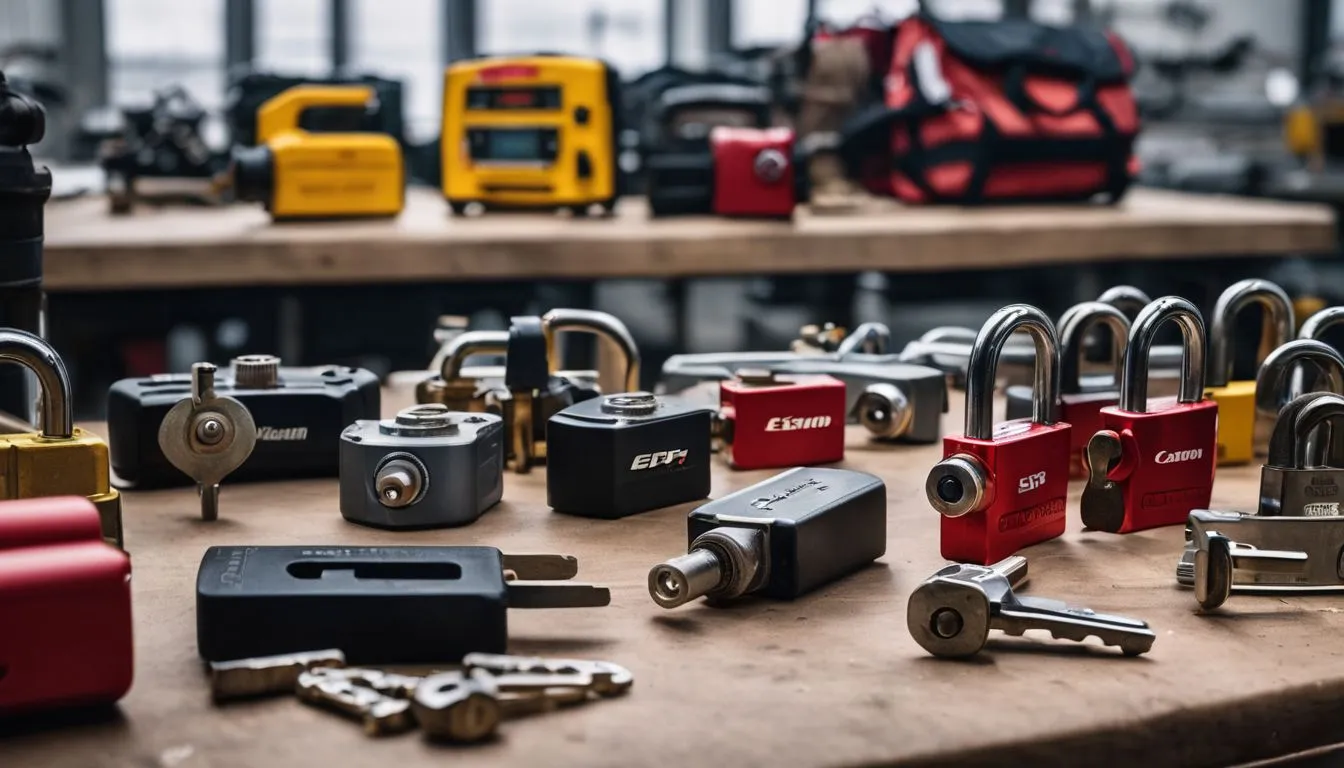
Lockout safety locks are a key player in keeping workers safe by preventing machines from accidentally starting or releasing energy. We rely on these locks to meet Australia’s strict health and safety rules, making sure everyone goes home without harm at the end of the day. Training our team is crucial; they must know how dangerous equipment can be and why it’s important to use specific locks and tags when fixing machines. As our work changes, we need to keep our procedures fresh and spot-on with the latest standards to dodge new risks.
Making sure all that risky energy stays put before someone fixes a machine is essential, avoiding any shocking surprises that could cause injury. Safety first isn’t just a saying; it’s how we run things around here. Let’s take charge of safety together!
Importance of accident prevention
They know that prioritising accident prevention is critical in every workplace, particularly where machinery and hazardous energy are involved. It’s not just about compliance with workplace safety regulations; taking steps to prevent accidents protects our employees, which is essential for their well-being and the sustainability of our businesses.
Keeping workers safe from harm translates directly into maintaining productivity levels and avoiding costly downtime.
Incorporating lockout/tagout procedures forms a fundamental part of managing risks associated with de-energising machinery for maintenance or during emergencies. By following proper equipment safety procedures, we effectively minimise the chances of unexpected startups or releases of stored energy, that could be electrical, mechanical, thermal, or chemical, thus safeguarding staff from potential injuries.
Our commitment to these practices showcases our dedication to creating a culture where occupational safety is deeply embedded, a win for everyone on the team.
The Basics of Lockout Safety
Lockout safety plays a crucial role in preventing accidents and protecting workers in the workplace. By using lockout systems, businesses can ensure that machinery and equipment are safely isolated from hazardous energy sources, reducing the risk of injuries.
Role in accident prevention
We take the lead in workplace safety by rigorously applying lockout/tagout (LOTO) procedures to prevent accidents. This method is a non-negotiable part of machinery maintenance safety, effectively shutting down equipment during repairs or adjustments.
By isolating energy sources with lockout devices, we protect our team from unexpected startups or hazardous energy releases. It’s a direct and practical way to safeguard employees who handle electrical equipment.
Their commitment doesn’t stop there; they ensure every staff member knows the importance of these safety measures for machinery operation. Training includes hands-on practice securing industrial safety locks and understanding compliance with lockout/tagout regulations.
This proactive approach not only minimises risks but fosters an environment where everyone prioritises each other’s wellbeing above all else.
Advantages of using lockout systems
By employing lockout safety systems, businesses can significantly reduce the risk of workplace accidents. Lockout systems provide a simple and effective way to ensure that machinery and equipment are safely shut down during maintenance or repair, preventing unexpected startup and the release of hazardous energy.
This proactive approach not only protects employees from potential injury but also enhances overall workplace safety, minimises downtime, and ensures compliance with relevant regulations.
Implementing lockout systems is an essential part of maintaining a safe work environment where machinery operates. These measures contribute to preventing accidents related to energised equipment, thereby safeguarding the well-being of employees and promoting productivity within the workplace.
Compliance with Australian Health and Safety Regulations
– Lockout systems play a crucial role in ensuring compliance with Australian health and safety regulations, ultimately leading to improved workplace safety and reduced injuries. With the use of lockout safety locks, businesses can effectively prevent accidents and create a safer work environment for employees.
Benefits of lockout systems in the workplace
Lockout systems in the workplace provide enhanced safety for employees by preventing unexpected equipment startup. Machinery safety procedures strengthen with the implementation of lockout/tagout regulations, reducing the risk of hazardous energy exposure and potential accidents.
Safety protocols for machinery ensure employee safety measures, improving workplace safety guidelines and preventing injuries.
Additionally, lockout equipment aids in electrical equipment isolation, mitigating machinery risk and promoting safe operating practices. Lockout systems play a vital role in safeguarding employees from potential harm when working with heavy-duty machinery or electrical equipment.
Improved safety and reduced injuries
Enhancing workplace safety by implementing lockout systems significantly lessens the occurrence of injuries and accidents. By effectively controlling hazardous energy, businesses can prevent equipment-related incidents, ensuring a safer environment for employees operating machinery.
Eliminating unexpected startups or releases of stored energy through lockout/tagout procedures minimises risks associated with machinery operation, ultimately reducing the number of workplace injuries and improving overall safety standards.
Implementing comprehensive lockout/tagout procedures not only safeguards your workforce but also contributes to increased productivity and operational efficiency. When compliance with regulations is prioritised, businesses experience fewer work-related incidents, fostering a positive work environment and demonstrating commitment to employee wellbeing.
Key Components of a Comprehensive Lockout/Tagout Procedure
Training employees on lockout/tagout procedures is essential to ensure everyone understands the proper protocols. Best practices for lockout procedures should be regularly reviewed and updated to align with industry standards and regulations.
Training employees on lockout/tagout procedures
To ensure workplace safety, training employees on lockout/tagout procedures is essential. It’s important to:
- Educate all personnel on the purpose and process of lockout/tagout.
- Provide comprehensive training sessions to familiarise employees with specific equipment lockout procedures.
- Ensure that all workers understand the potential hazards associated with improper lockout/tagout practices.
- Conduct regular refresher courses to reinforce proper lockout/tagout techniques.
- Utilise hands – on demonstrations and simulations to enhance understanding and retention of lockout/tagout protocols.
Best practices for lockout procedures
Lockout procedures are critical for preventing accidents and ensuring worker safety. Here are the best practices for implementing lockout procedures in your workplace:
- Designate a responsible team member to oversee the lockout process
- Develop and document specific lockout procedures for each piece of equipment
- Provide comprehensive training on lockout/tagout procedures for all employees
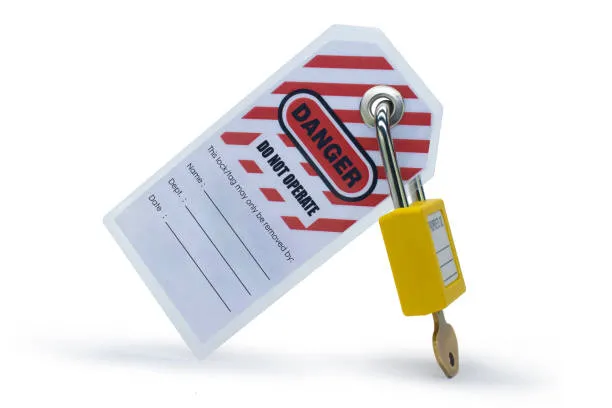
- Use standardised locks and tags to clearly indicate when equipment is being serviced or repaired
- Regularly review and update lockout/tagout procedures to account for changes in machinery or processes

Step-by-Step Guide for Performing Lockout/Tagout Procedures
“Performing lockout/tagout procedures requires a systematic approach to ensure the safety of employees and prevent accidents. In this section, they will outline the key steps involved in performing lockout/tagout procedures to safeguard your workplace machinery and equipment.”.
Determine the appropriate procedure
First, understand the type of energy to be controlled and its sources. Identify all energy isolation points to turn off machinery or equipment. Communicate the lockout/tagout procedure with your team, ensuring everyone involved understands their role and responsibilities.
It is crucial to use the right lockout devices that will effectively prevent machines from starting up unexpectedly during maintenance.
Next, develop a written procedure for each piece of equipment in your workplace, detailing step-by-step instructions for locking out and tag-out processes. Regularly review and update these procedures as needed to ensure they align with any changes in machinery or regulations.
Lastly, consider using visual aids such as diagrams or signs to clearly communicate lockout/tagout procedures within your facility, aiming for comprehension by all employees involved in these safety measures.
Shut down and isolate equipment
- Turn off the power supply to the machinery.
- Locate and activate the machine’s isolation switch.
- Lock the isolation switch with a lockout safety lock to prevent unauthorised reactivation.
- Verify that the equipment is fully shut down and isolated before commencing any maintenance or repair work.
- Install lockout/tagout devices on all energy sources connected to the equipment.
Secure individual locks
To secure individual locks, follow these steps:
- Use a lock that cannot be removed or opened without proper tools.
- Position the lock so that it prevents the power from being turned on.
- Ensure each worker involved in the procedure has their own unique lock and key for added security.
Check for stored energy
When conducting lockout/tagout procedures, it is crucial to check for stored energy. This helps prevent unexpected release of energy and potential injury. Here’s a step-by-step guide for checking for stored energy during lockout/tagout procedures:
- Identify all potential sources of stored energy.
- Use appropriate tools to release or dissipate any stored energy, such as residual pressure in hydraulic systems or capacitors in electrical equipment.
- Follow manufacturer’s instructions for each piece of equipment to ensure proper shut down and disconnection from power sources.
- Verify that all stored energy has been effectively isolated by testing the equipment controls or using a meter to measure residual energy.
- Communicate with team members about the status of stored energy and ensure everyone is aware of any remaining hazards before proceeding with maintenance or servicing tasks.
- Document the completion of stored energy verification as part of the lockout/tagout procedure, including details on the specific steps taken and any issues encountered.
Restore equipment to working order
To restore equipment to working order, follow these steps:
- Examine the equipment to ensure all components are functioning properly.
- Remove any lockout devices and tags from the equipment.
- Verify that all personnel are in a safe position and clear of the equipment.
- Re – energise the machinery while monitoring for any irregularities or issues.
- Conduct a test run to confirm that the equipment is operating as intended.
- Communicate with all relevant personnel regarding the completion of the restoration process.
Key Risk Indicators and Safety Training
Key risk indicators
Improving safety practices with lockout safety locks is crucial for preventing workplace accidents. As business owners, being aware of key risk indicators can help in implementing effective lockout/tagout procedures. Here are some important risk indicators to consider:
- Abnormal noise or vibration from machinery
- Excessive heat or odours from equipment
- Leaking fluids such as oil, gas, or steam
- Unusual equipment behaviour or malfunctions
- Overheating of electrical components
- Inadequate maintenance or faulty equipment parts
Safety training
- Providing comprehensive training on lockout/tagout procedures, emphasising the importance of following protocols and guidelines to prevent accidents.
- Conducting regular refresher courses to update employees on any changes in regulations or best practices for lockout/tagout procedures.
- Encouraging active participation and engagement during safety training sessions to foster a strong safety culture within the workplace.
- Incorporating hands – on demonstrations and practical exercises to reinforce understanding of lockout/tagout procedures and promote skill development.
- Implementing ongoing assessments and evaluations to measure the effectiveness of safety training and identify areas for improvement.
Conclusion
Implementing lockout safety locks is crucial for preventing workplace accidents. The strategies outlined are practical, easy to implement, and efficient in enhancing workplace safety.
By applying these approaches, businesses can significantly reduce the risk of injuries and ensure a safe working environment. For further guidance on lockout/tagout procedures, consider seeking additional resources or expert services that align with your business needs.
Let’s make workplace safety a top priority by taking proactive steps to protect employees and enhance overall well-being.
Sorting out lockout for your own site?
Describe what needs isolating and we'll help you work out the setup that fits.