

Lockout/Tagout, or LOTO for short, is a life-saving set of procedures we apply to make sure machines stay off during repair or maintenance. Imagine it as a big red stop sign that keeps workers safe from sudden starts of equipment. It’s like putting a strong padlock on danger so no one gets hurt.
This process isn’t just smart; it’s the law and follows strict rules to protect us all at work. LOTO splits into two parts: ‘lockout’, which uses locks to secure machinery, and ‘tagout’, which hangs warning signs to keep everyone alert. These methods are teammates in the safety game. We’re now seeing some exciting tech changes in how we do LOTO. Things like apps on phones and computers that talk to each other without wires are making jobs faster but still keeping them safe.
Keeping our team up-to-date with training sessions, checklists, and regular checks means we can sleep well knowing we’ve done everything right for everyone’s protection at work. Each lock clicked shut and every tag hung reminds us that taking care of our people is job number one. Safety never takes a day off.
Understanding Lockout/Tagout (LOTO)
Understanding Lockout/Tagout (LOTO) is crucial for workplace safety. It involves the isolation of energy sources to prevent accidental startup of machinery and equipment during maintenance or servicing.
This procedure helps in reducing the risk of workplace accidents and ensuring the safety of employees.
Definition
Lockout/Tagout (LOTO) involves specific practices and procedures to safeguard employees from the unexpected start-up of machinery or release of hazardous energy during service or maintenance activities.
We use lockout devices, which are durable locks that keep energy isolation devices in a safe position, preventing the accidental re-energisation of equipment. Tagout is part of the same safety protocol where they attach tags to alert personnel about do-not-operate instructions for disabled machinery.
Together, these methods form a robust system to control hazardous energies – electrical, mechanical, hydraulic, pneumatic or chemical – within our workplace.
The essence lies in securing dangerous equipment properly and verifying that it’s de-energised before any work begins. As responsible business owners, we embrace LOTO regulations to not only meet legal requirements but also ensure the wellbeing of our team by mitigating risks associated with uncontrolled energy sources.
Implementing comprehensive lockout/tagout procedures directly translates into heightened workplace safety and reduced incidence of workplace accidents.
Importance
It’s crucial for business owners to understand the importance of implementing a comprehensive LOTO programme in their workplaces.
By prioritising LOTO safety measures, businesses can significantly reduce the risks associated with hazardous energy control and machinery operation. This not only prevents workplace accidents but also ensures compliance with lockout/tagout regulations, ultimately fostering a culture of occupational safety within the organisation.
Implementing an effective LOTO programme is imperative for risk reduction and hazard prevention in industrial settings. It underscores the commitment to workplace safety procedures and electrical safety measures, safeguarding employees from potential harm while operating machinery or performing voltage testing.
Differences between lockout and tagout
Understanding the clear distinction between lockout and tagout is essential for workplace safety. Lockout involves physically isolating energy sources with a lock, ensuring that machines or equipment cannot be operated during maintenance tasks.
On the other hand, tagout uses tags to communicate that equipment should not be operated but does not provide physical barriers like locks. It’s crucial to understand when each procedure should be used to prevent accidents and ensure compliance with regulations.
Implementing the correct procedure can mean the difference between life and death for workers dealing with hazardous energy sources. Understanding the specific functions of lockout and tagout will help businesses establish effective safety protocols and minimise risks in their operations without compromising efficiency.
Purpose
Implementing a comprehensive LOTO programme is essential to safeguard employees from potential hazards associated with machinery operation and electrical work. The purpose of understanding and implementing lockout safety locks is to reduce workplace accidents, prevent injuries, and ensure compliance with lockout tagout regulations.
By utilising advanced lockout padlocks, voltage testing equipment, and circuit breaker lockout kits, businesses can effectively enhance workplace safety. This proactive approach not only minimises risks but also boosts overall productivity by maintaining a secure working environment.
Regulations and standards
When it comes to lockout/tagout procedures, it is vital for businesses to adhere to strict regulations and standards. Compliance with these industry-specific guidelines ensures the safety of personnel and minimises the risk of workplace accidents.
Adhering to lockout/tagout regulations establishes a systematic approach to energy control, encompassing equipment shutdown, isolation, and tag placement. It also requires comprehensive employee training on relevant protocols for handling various electrical lockout kits and safety padlocks.
Maintaining compliance with lockout/tagout regulations not only mitigates potential hazards but also boosts workplace efficiency by reducing downtime due to accidents or machinery malfunctions.
Employees should be well-versed in the specific lockout procedures outlined by regulatory bodies, ensuring that each step of the process is meticulously followed when conducting maintenance or repairs on machinery.
Implementing a LOTO Programme
When implementing a LOTO programme, it is important to follow the necessary steps for a successful programme and avoid common mistakes. This includes proper training, clear communication, standardised procedures, and regular updates to ensure effectiveness and compliance with regulations.
Steps for a successful programme
To implement a successful Lockout/Tagout (LOTO) programme, follow these key steps:
- Develop a comprehensive written LOTO policy outlining procedures and responsibilities.
- Train and educate employees on the importance of LOTO, including proper application and removal of safety locks.
- Conduct thorough energy control procedures to identify all energy sources and potential hazards.
- Create detailed lockout procedures for each piece of equipment, ensuring they are easily accessible to all employees involved in maintenance or servicing.
- Use standardised lockout devices that are durable, identifiable, and secure for each energy isolation point.
- Establish a regular inspection schedule to ensure compliance with LOTO procedures and address any issues promptly.
- Continuously update and improve the LOTO programme based on employee feedback and industry best practices.
Common mistakes to avoid
When implementing a LOTO program, it’s crucial to be aware of common mistakes that can hinder its effectiveness. Here are some key errors to avoid:
- Neglecting employee training: Failing to provide comprehensive training on lockout/tagout procedures and device usage can lead to missteps and accidents.
- Inadequate documentation: Poor record-keeping of LOTO procedures, inspections, and incidents can result in non-compliance and confusion during audits.
- Using substandard devices: Opting for low-quality or unsuitable lockout/tagout devices compromises the safety of workers and the effectiveness of the program.
- Not updating procedures: Neglecting to review and update lockout/tagout procedures in line with equipment changes or new regulations poses serious risks.
- Lack of communication: Failure to maintain clear communication between all involved parties regarding LOTO procedures, changes, and updates can lead to misunderstandings and compliance issues.
- Underestimating risk assessment: Overlooking thorough risk assessments when developing LOTO protocols can lead to gaps in safety measures.
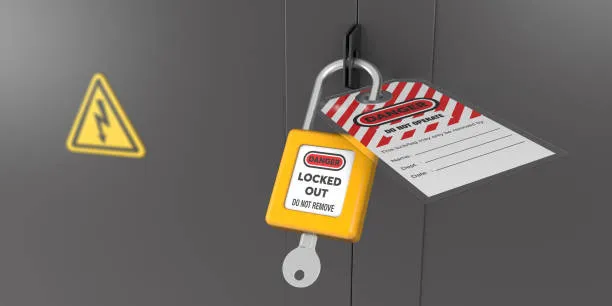
LOTO Devices
When it comes to implementing a Lockout/Tagout (LOTO) programme, understanding the different devices involved is crucial. From energy isolating devices to lockout and tagout devices, each plays a key role in keeping employees safe from hazardous energy sources.
Energy isolating devices
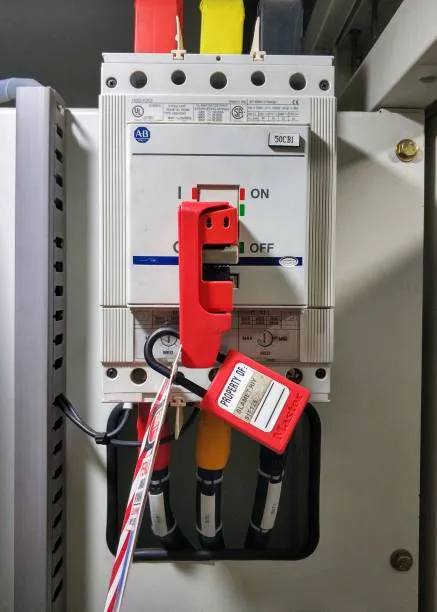
Energy isolating devices, such as disconnect switches and block valves, play a crucial role in preventing the unexpected start-up of machinery or equipment during maintenance or servicing.
These devices physically separate the equipment from its energy source, providing a reliable means of isolation. They are integral to any effective lockout/tagout (LOTO) programme and significantly reduce the risk of workplace accidents involving hazardous energy.
Lockout safety locks can be used in conjunction with these devices to ensure that they remain in a secure off position throughout the maintenance work. Regular inspections and audits should be conducted to confirm their functionality and enforce compliance with LOTO regulations.
Utilising energy isolating devices is paramount in safeguarding employees against potential hazards associated with hazardous energy sources within the workplace.
Lockout devices
It’s crucial to consider lockout devices for effective LOTO procedures. Lockout devices play a pivotal role in ensuring workplace safety by physically preventing the activation of machinery or equipment during maintenance or servicing.
These devices come in various forms such as locks, lockout hasps, and valve lockouts, providing a tangible barrier that enhances the safety measures. When properly implemented, lockout devices act as a visual indicator and deterrent against accidental energisation, reducing the risk of workplace accidents significantly.
The integration of lockout devices within your LOTO programme not only complies with regulations but also reinforces a culture of safety within your organisation. By incorporating these essential components into your safety protocols, you can actively mitigate potential hazards and demonstrate your commitment to safeguarding employees from harm.
Tagout devices
Tagout devices are an essential part of a comprehensive lockout/tagout (LOTO) programme. They come in the form of tags, labels, and signs and are used to clearly communicate the status of equipment that is undergoing maintenance or repair.
These devices serve as visual warnings to employees, notifying them not to operate or energise machinery while it is being serviced. Tagging procedures should be standardised and follow specific criteria laid out by regulatory standards to ensure clarity and consistency across all work environments.
Employing tagout devices can effectively complement lockout measures by providing additional cautionary communication about the state of energy isolation. Properly implemented tagout systems help prevent accidental startups and ensure that everyone in the workplace understands when equipment is under maintenance.
Maintaining LOTO Safety
Regular inspections and audits are essential for maintaining the effectiveness of a LOTO programme. Enforcing documentation and utilising LOTO software and templates can streamline the maintenance process and ensure all safety protocols are being followed.
Regular inspections and audits
- Perform routine visual inspections of all lockout devices for signs of wear, damage, or deterioration.
- Ensure that all employees are trained to recognise when an inspection or audit is needed and how to perform it effectively.
- Schedule periodic audits to assess the effectiveness of the lockout/tagout procedures and identify areas for improvement.
- Document all inspection and audit findings, including any issues identified and corrective actions taken.
- Utilise checklists to guide inspectors through the process and ensure comprehensive assessments.
- Implement a system for reporting and addressing any deficiencies discovered during inspections or audits.
Enforcing documentation
To ensure compliance with lockout/tagout regulations, it is crucial to enforce proper documentation within your LOTO programme. Regularly updating and maintaining detailed records of lockout procedures, training certifications, and equipment inspections is essential for demonstrating adherence to safety standards.
This not only helps in accountability but also provides a comprehensive overview of the effectiveness of your safety protocols. By enforcing accurate documentation, business owners can mitigate workplace accidents and maintain a safe working environment.
Additionally, incorporating digital solutions such as LOTO software and templates streamlines the process of documenting lockout/tagout activities and facilitates easy access to records when needed.
Utilising LOTO software and templates
Utilising LOTO software and templates can streamline documentation. These tools provide a centralised platform for managing lockout/tagout procedures and equipment.
With features such as customisable templates, digital lockout/tagout forms, and automated notifications, businesses can easily track compliance, perform audits, and maintain accurate records.
Additionally, LOTO software offers real-time visibility into lockout/tagout activities across multiple locations, enabling proactive risk management and ensuring workplace safety.
Advancements in LOTO Technology
With the advancements in LOTO technology, such as electronic systems and mobile applications, businesses can now enhance their lockout safety programme with more efficient and reliable tools.
Electronic systems and wireless communication
Electronic systems and wireless communication have revolutionised the way we approach lockout safety. These advanced technologies allow for remote monitoring and control of lockout devices, increasing efficiency and safety.
Real-time status updates and notifications enable supervisors to oversee lockout procedures from a distance, ensuring compliance with regulations while minimising downtime.
Wireless communication also enhances flexibility in implementing lockout/tagout programmes, as it eliminates the need for physical keys or manual checks. This reduces human error and streamlines operations, ultimately contributing to a safer work environment.
Mobile applications for LOTO
Mobile applications for LOTO provide a convenient way to manage lockout/tagout procedures. These apps allow employees to easily access equipment-specific lockout/tagout instructions, capture and share images of isolated devices, and complete electronic lockout/tagout checklists.
The use of mobile applications can streamline the overall process, improve compliance, and enhance communication among team members regarding equipment maintenance and safety protocols.
Some challenges with these apps include ensuring consistent use by all relevant personnel, maintaining data security in digital platforms, and overcoming resistance to change from workers accustomed to traditional paper-based systems.
Advantages and challenges
When considering the implementation of mobile applications for LOTO, it is essential to weigh the advantages and challenges. One significant advantage is the convenience it offers for on-the-go access to lockout/tagout procedures and equipment information.
This can significantly enhance employee productivity by allowing quick reference without having to search through physical documents. However, a key challenge may be ensuring that the mobile application interface is user-friendly for all employees, including those who are less tech-savvy or work in environments with limited connectivity.
Furthermore, another advantage of using mobile applications for LOTO is the potential for real-time updates and communication regarding lockout procedures and safety protocols. Nevertheless, one aspect that businesses should carefully consider is cybersecurity risks associated with storing sensitive safety data on digital platforms.
Future trends
Lockout safety devices have been revolutionised by advancements in technology, with electronic systems and wireless communication playing a pivotal role.
Additionally, mobile applications specifically designed for lockout/tagout (LOTO) procedures have streamlined processes and improved overall efficiency. Despite challenges, such as initial investment and training requirements, the future trend is unmistakable – businesses embracing these technological solutions are seeing a tangible boost in workplace safety.
Future trends indicate further integration of LOTO software and templates into existing operational systems to enhance compliance and streamline documentation processes. This not only aids in maintaining LOTO safety protocols but also enables better tracking of maintenance schedules for energy isolating devices, ensuring heightened levels of safety throughout the facility.
Conclusion
Essential strategies for lockout safety locks reduce risks in the workplace. By prioritising lockout/tagout regulations and maintaining LOTO devices, businesses can significantly reduce workplace accidents and bolster overall safety.
Consider further exploring resources or consulting professionals to enhance your understanding of these crucial safety protocols. Reduce risks and boost safety with efficient lockout safety locks. Avail the service of Work Safe Lockout, ready to bolster your workplace safety. Let’s commit to creating a safer work environment by implementing these proactive measures today.
Sorting out lockout for your own site?
Describe what needs isolating and we'll help you work out the setup that fits.