

Lockout Tagout, or LOTO for short, means making sure machines are totally off and can’t start up again when someone’s fixing them. It saves lives in factories and workplaces – imagine stopping 120 deadly accidents and keeping 50,000 people safe every year just by switching off machines right! A proper LOTO plan is a bit like a recipe; you’ve got to prepare, turn everything off, make sure it stays off with special locks or tags, check there’s no leftover energy that could cause trouble, and only then turn the machine back on.
We run businesses with all kinds of equipment and we need everyone who works for us to understand how to use LOTO. It’s not just about showing workers what to do once; it’s about teaching them really well so they always remember. And colour-coded locks aren’t just about looking nice – they tell our teams more than words ever could. What’s more is we have to act like detectives sometimes too: checking regularly if everything’s working as it should be.
LOTO isn’t something we do alone either; sometimes whole groups have to lock things down together smoothly. That means being super organised so everyone knows where the keys are kept without any mix-ups during shift changes. Keeping our people safe isn’t tricky but it has many steps, let’s walk through them one by one. Ready? Here goes!
Understanding the Importance of Lockout Tagout (LOTO)
Lockout Tagout (LOTO) is a critical safety procedure in industrial settings to prevent the unexpected startup of machinery or equipment during maintenance or servicing. It involves isolating hazardous energy sources and ensuring that workers are protected from potential injuries.
Compliance with the HSE Lockout Tagout standard is essential for workplace safety.
What is Lockout Tagout?
Lockout Tagout, commonly known as LOTO, is a vital safety procedure that protects workers in industrial settings from the unexpected start-up of machinery or release of hazardous energy during equipment maintenance.
We implement this system to ensure that machines are properly shut down and cannot be re-started until the necessary repairs or servicing have been completed.
It involves placing specific lockout devices onto energy isolating mechanisms to hold them in a safe position, accompanied by tagout devices that provide warnings and information. This process prevents accidents and injuries, making it an essential aspect of workplace safety protocols.
By adhering to these steps, we not only comply with safety regulations but also create a safer environment for everyone involved in operating and maintaining equipment.
The Difference Between Lockout and Tagout
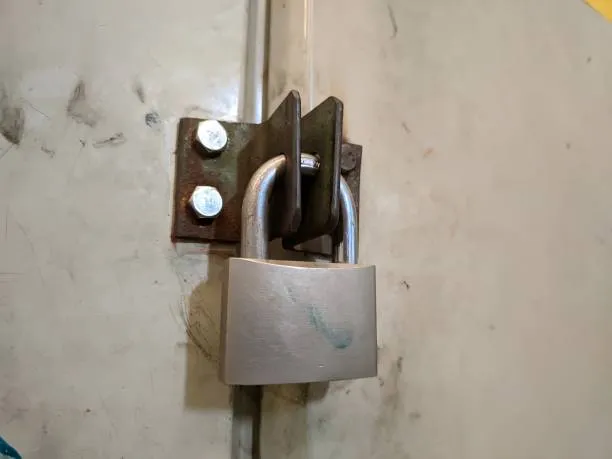
Lockout and tagout are two critical safety procedures used to control hazardous energy during maintenance or servicing of machinery. Lockout involves physically securing the energy-isolating device with a lock, ensuring that the equipment cannot be operated.
On the other hand, tagout uses tags to clearly indicate that the equipment is not to be operated and why it’s being identified. While both methods prevent accidental or unauthorised use of machinery, only lockout provides physical barriers against energisation, offering stronger protection for workers performing maintenance.
When implementing lockout tagout procedures in your workplace, consider when each method is appropriate based on the level of risk associated with the maintenance task at hand. This approach ensures you effectively safeguard your employees from potential hazards while complying with safety regulations.
OSHA Lockout Tagout Standard
The HSE Lockout Tagout Standard mandates the implementation of safety procedures to control hazardous energy and minimise the risk of unexpected equipment start-up during maintenance.
This standard outlines specific requirements for equipment shutdown, isolation, locking or tagging, and verification of energy cessation before any servicing and maintenance work can begin.
Adhering to this standard ensures compliance with occupational safety regulations and reduces the likelihood of workplace accidents due to unexpected energisation.
Developing a comprehensive lockout tagout programme in line with the HSE Standard safeguards the well-being of employees while also promoting operational efficiency. By following these guidelines, businesses can create a safer work environment without compromising productivity or performance.
Components of a Comprehensive Lockout Tagout Procedure
In crafting a comprehensive lockout tagout procedure, it is essential to consider various components such as preparation, shut down, isolation, lockout/tagout, stored energy check and re-energising equipment.
Each step plays a crucial role in ensuring the safety of employees when working with machinery and equipment.
Preparation
Before starting any lockout tagout procedure, it’s crucial to prepare thoroughly. This involves identifying all energy sources and potential hazards, conducting a risk assessment, and ensuring that the necessary lockout equipment is available.
Additionally, clear communication with all employees involved in the maintenance or servicing process is essential so that everyone understands their roles and responsibilities. Ensuring proper preparation sets the stage for a smooth and effective implementation of the lockout tagout procedure, promoting safety compliance within your workplace.
To ensure comprehensive safety procedures are established with lockout safety locks successfully, thorough preparation must be prioritised. This includes developing a detailed plan outlining each step of the procedure while taking into account British standards for lockout tagout as well as OSHA lockout tagout standards.
Shut Down
Before performing any maintenance or servicing tasks, it is crucial to shut down the equipment properly. This involves following the specific procedures outlined for each piece of machinery to ensure a safe and effective shutdown.
All employees involved in the process must be thoroughly trained on the correct shutdown protocols, and clear communication among team members is paramount during this stage of the Lockout Tagout (LOTO) procedure.
Once the equipment has been safely shut down, only authorised personnel should proceed with the next steps in LOTO. It’s also essential to verify that all energy sources have been isolated before locking out machinery, ensuring that no unexpected start-up occurs during maintenance activities.
Isolation
Isolate the equipment from its energy source before performing any maintenance or repair work. This involves physically disconnecting the machinery, system, or device from its power supply to prevent unexpected startup and ensure the safety of anyone working on it.
Always follow proper isolation procedures as outlined in your lockout tagout program to avoid accidents and injuries during maintenance activities.
Implementing effective isolation measures is crucial for maintaining a safe work environment when conducting maintenance tasks. By isolating equipment properly, we can significantly reduce the risk of accidents and create a secure space for our employees to carry out their duties without fear of injury.
Lockout/Tagout
When preparing for lockout/tagout procedures, ensure all employees are involved and trained. Implement regular inspections and audits to maintain the integrity of the programme. Coordinating shutdown and startup is crucial for effective group lockout management.
Choose energy isolating devices along with appropriate lockout/tagout devices to ensure comprehensive isolation of equipment energy sources. Utilise LOTO boxes for storage and convenient access to lockout tag attachments.
Maintain proper padlock management by using designated colours for different situations.
Stored Energy Check
After completing the lockout/tagout process, it is crucial to conduct a stored energy check. This involves verifying that all forms of hazardous energy have been effectively isolated and dissipated, ensuring that the machinery or equipment is safe to work on.
To perform a thorough stored energy check, one should inspect all potential sources of energy such as electrical, mechanical, hydraulic, pneumatic, chemical, and thermal energies to guarantee that they are completely shut down and released.
Always remember to follow this step diligently as part of the comprehensive lockout/tagout procedure to prevent accidents and ensure the safety of employees.
Re-Energising Equipment
To re-energise equipment, ensure all personnel are clear of the work area. Then, remove all locks and tags from the equipment’s energy isolating devices. Verify that the equipment is safe to restart based on your lockout/tagout procedure.
Once you confirm it’s safe, carefully restore power or energy sources using the correct procedures and safety measures.
After re-energising equipment, perform a final check to guarantee everything is functioning normally before allowing employees to resume work. This ensures that everyone can safely continue operations without any risk of injury or accidents due to unexpected hazards.
Implementing these steps will help maintain a safe working environment for employees and ensure the proper functioning of machinery at all times.
Creating and Implementing a Lockout Tagout Programme
We will discuss involving all employees, training on procedures, and regular inspections and audits. If you want to ensure the safety of your workplace, this information is a must-read!
Involving All Employees
Engage all employees in the lockout tagout (LOTO) programme. Hold regular training sessions to educate them on LOTO procedures and ensure they understand the importance of their roles in maintaining safety.
Communicate any changes or updates promptly, and encourage open discussion about any concerns to strengthen their commitment to the company’s safety procedures.
Encourage active participation during inspections and audits, empowering them to report any non-compliance issues without fear of retribution. Recognise and reward exemplary adherence to LOTO protocols to foster a culture where safety is everyone’s responsibility.
Training on Procedures
To ensure the safety of our employees, it is imperative to provide comprehensive training on lockout tagout procedures. All staff members must be familiar with the preparation, shutdown, isolation, and lockout/tagout steps involved in the procedure.
Regular training sessions should cover stored energy checks and safe re-energising practices to mitigate risks effectively. This prepares our team to respond promptly and decisively during equipment maintenance or unexpected work situations.
Moreover, involving all employees in lockout tagout training fosters a culture of responsibility and accountability for workplace safety. By equipping everyone with the necessary knowledge and skills, we empower our workforce to actively participate in maintaining a safe working environment.
Regular Inspections and Audits
Regular inspections and audits of lockout tagout procedures are essential to ensure their effectiveness and compliance with safety standards. We conduct thorough checks on each lockout point, including the energy isolation devices, tags, and locks.
We verify that all employees are following the correct procedures and using appropriate lockout equipment. Additionally, we regularly update our training programmes based on audit findings to continuously improve Locksafe's lockout tagout system.
These regular inspections guarantee that Locksafe's lockout tagout programme remains up to date and fully functional at all times. They also provide an opportunity for feedback from employees regarding any concerns or suggestions for improvement in our safety procedures.
By prioritising regular inspections and audits, we can maintain a safe work environment while minimising the risk of accidents or injuries related to energy sources.
Choosing the Right Lockout Tagout Devices
When it comes to selecting the right lockout tagout devices, it’s important to consider energy isolating devices, LOTO boxes, and the colors of lockout locks and tags. Using the correct lockout equipment is essential for maintaining a safe working environment.
Energy Isolating Devices and Lockout Devices
Energy isolating devices and lockout devices are crucial components of a comprehensive lockout tagout procedure. These devices physically prevent the release of hazardous energy while maintenance or servicing work is underway.
They include valve locks, electrical circuit breaker locks, plug locks, and disconnect switch locks. Each device must be durable, standardised, and able to withstand the environment in which it will be used.
Lockout devices should be substantial enough to prevent removal without excessive force or unusual techniques. They should also have distinctive markings that make them easily identifiable as safety devices even from a distance.
Tagout Devices
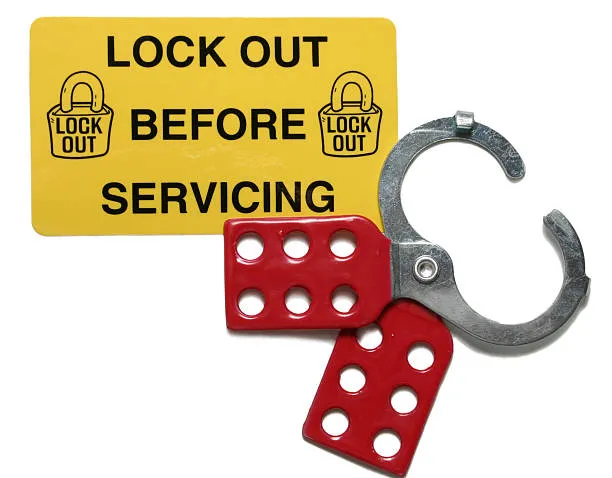
Tagout devices are an essential part of any comprehensive lockout tagout procedure. They provide a visual warning to personnel that equipment or machinery is not to be energised or operated.
These devices come in various forms, such as tags, labels, and signs, and are often used in conjunction with lockout devices for added safety. Tagout devices serve as a crucial communication tool, warning employees about potential hazards and ensuring that proper precautions are taken before servicing or maintenance work begins.
When choosing tagout devices, it’s important to select durable materials that can withstand industrial environments. Tags should be clearly printed with warnings and use universally recognised symbols where possible to ensure understanding across all personnel.
LOTO Boxes
When implementing a comprehensive lockout tagout (LOTO) programme, selecting the right LOTO boxes is crucial. These durable and secure containers help to store lockout devices when not in use, ensuring easy access for authorised employees while preventing unauthorised tampering.
Using LOTO boxes also promotes organisation and ensures that all necessary equipment is readily available at each energy isolation point. By using colour-coded LOTO boxes, it becomes easier for workers to identify the specific locks and tags required for a particular piece of machinery or equipment, thus enhancing overall safety compliance.
Proper storage and accessibility of lockout tagout equipment are essential aspects of an effective safety procedure. Choosing suitable LOTO boxes can significantly contribute to the success of your lockout tagout programme by streamlining processes and ensuring quick access to necessary tools during maintenance or repair work.
Colours of Lockout Locks and Tags
Now let’s delve into an essential aspect of lockout tagout procedures: the colours of lockout locks and tags. Each colour serves a specific purpose in safety protocols. For instance, red typically signifies danger or stop, making it suitable for isolating hazardous energy sources.
Meanwhile, yellow is often used to caution employees about potential dangers when maintenance or repairs are underway. Blue, on the other hand, might indicate that certain equipment is under repair or maintenance.
Furthermore, green usually represents safety and can be utilised to signify that machines are safe to operate. These colour-coded systems help employees recognise the status of machinery at a glance, reducing confusion and enhancing workplace safety practices.
Using Lockout Equipment
Using lockout equipment is crucial for ensuring the safety of workers and preventing accidents. Here are some key points to consider when using lockout equipment:
- Select the appropriate energy isolating devices and lockout devices for each piece of machinery or equipment.
- Ensure tagout devices are clearly marked with appropriate information, such as details of the person who applied them and the reason for the lockout.
- Implement LOTO boxes to securely store keys or lockout devices during maintenance or repairs.
- Adhere to specific colour – coding standards for lockout locks and tags, ensuring quick identification and understanding of the status of equipment.
- Train employees on how to effectively use lockout equipment, emphasising proper application and removal procedures.
- Regularly inspect and maintain lockout equipment to ensure it remains in good working condition and meets safety standards.
Best Practices for Effective Lockout Tagout
– Group Lockout Guidelines: Establish clear protocols for group lockout procedures to ensure the safety of multiple employees working on the same equipment.
– Proper Padlock Management: Implement a system for managing and tracking padlocks used in lockout tagout procedures to prevent misuse or loss.
– Coordinating Shutdown and Startup: Coordinate shutdown and startup processes to ensure smooth transitions between maintenance and normal operations.
– Accessible Information and Communication: Ensure that all employees have easy access to information about lockout tagout procedures and encourage open communication about safety concerns.
– Managing Workers and Shift Changes: Develop a system for managing workers involved in lockout tagout, especially during shift changes, to maintain consistency in safety practices.
Group Lockout Guidelines
Implementing group lockout procedures is crucial in ensuring the safety of multiple workers during maintenance or servicing of equipment. It involves effective communication and coordination among all team members involved.
Each worker must understand their responsibilities and be trained to recognise the limitations and potential hazards of group lockouts.
Ensuring that each worker has a personal lock, establishing clear procedures for transferring responsibility when shifts change, and maintaining constant communication are vital aspects of effective group lockout guidelines.
Proper Padlock Management
Proper padlock management is crucial for the effectiveness of the lockout tagout (LOTO) procedure. Assigning unique keys to employees and keeping a record of key holders ensures accountability and control over equipment isolation.
Regular audits of padlocks, ensuring they are in good condition and not compromised, help maintain the security of LOTO systems.
Assigning unique keys to employees encourages responsibility and prevents unauthorised access to isolated equipment during maintenance or servicing tasks. Regular audits ensure that all padlocks are accounted for and maintained in proper working condition, enhancing overall safety compliance within the workplace.
Coordinating Shutdown and Startup
When coordinating shutdown and startup, it is crucial to communicate clearly with all employees involved. Assign specific responsibilities for securing and releasing the lockout devices during these processes.
Ensure that the procedures for re-energising equipment are well-documented and accessible to all relevant personnel.
Coordinate shift changes to guarantee a smooth transition between shutdown and startup phases. Provide comprehensive training on the lockout tagout program for new employees joining during these critical periods.
Accessible Information and Communication
When ensuring accessible information and communication, make sure that all lockout tagout procedures, equipment manuals, and training materials are available in a clear and understandable format for all employees.
This includes using simple language, visual aids, and multi-format options to cater to different learning styles. Additionally, consider providing translation services or creating materials in multiple languages to ensure comprehension for non-English-speaking workers.
Regularly reviewing and updating communication channels is essential to keep everyone informed about any changes or updates related to lockout tagout procedures. Providing a platform for feedback and questions also encourages open dialogue between management and employees regarding safety protocols.
Encouraging open lines of communication ensures that everyone feels comfortable raising concerns or clarifying information when necessary.
Managing Workers and Shift Changes
After establishing accessible information and communication channels, it is vital to manage workers and shift changes effectively. Clearly communicate lockout tagout procedures to all employees, emphasising the importance of following safety protocols during shift changes.
Implement a comprehensive system for managing worker shifts and ensuring that all staff are aware of ongoing lockout tagout processes. Regularly update your team on any procedural adjustments or new equipment to maintain a safe working environment.
Additionally, designate responsible personnel for overseeing shift changes and ensure they are well-versed in lockout tagout procedures. This proactive approach can help prevent potential hazards associated with miscommunication or oversight during transition periods.
Conclusion
The key takeaways from our discussion on crafting comprehensive safety procedures with lockout safety locks are clear. Implementing these strategies is practical and efficient, ensuring a streamlined process to enhance workplace safety. Emphasising the importance of such procedures cannot be overstated, as they have a substantial impact on preventing accidents and injuries.
If you’re looking for additional resources or guidance, consider exploring the various lockout tagout templates and training programmes available to further support your efforts in maintaining a safe work environment. With comprehensive safety procedures in your organisation, risk management becomes an easier task. Enhance your safety strategies working hand-in-hand with WorkSafe Lockout. Let’s remember that prioritising safety through comprehensive lockout tagout practices not only protects lives but also promotes a culture of well-being and productivity.
Sorting out lockout for your own site?
Describe what needs isolating and we'll help you work out the setup that fits.