
Safety locks can be quite the conundrum, wouldn’t you agree? Like many of us, perhaps you’ve been left pondering over the myriad options available and their correct applications. After a fair amount of diligent research and practical experience, we’ve managed to unearth some rather useful nuggets of information on employing the right lockout safety locks effectively. So why not read on? Unlock a treasure trove of knowledge and bolster your security with assured confidence!

Selecting the Right Lockout Safety Padlocks
Assess lockout points and placement, considering different padlock materials, traditional safety padlocks vs. SafeKey lockout padlocks, and organising with colour-coding or engraving for easy identification.
Choose the right key system and establish a charting and tracking system for locks and keys.
Assess lockout points and placement
Understanding the ideal locations for lockout points is crucial to ensuring your home’s safety. You have to first identify all energy sources and potential hazardous areas in your household that could pose risks during operation, maintenance or repair works.
After detecting these hotspots, evaluate each one of them for suitable lockout device placement. For instance, electrical panels should be locked out using circuit breaker lockouts while gas mains can utilise plug and cylinder lockouts.
Other key elements like valves, power switches and hydraulic systems also require specific considerations when placing safety locks. Therefore, by properly assessing your home’s riskier sectors and correctly placing the lockouts at those points you’ll significantly improve safety levels throughout all operations taking place within your property.
Different types of padlock materials
There are different types of padlock materials available for lockout safety. One common material is brass, which offers durability and resistance to corrosion. Another option is stainless steel, which provides excellent strength and longevity.
Aluminium padlocks are lightweight and ideal for situations where portability is important. Additionally, there are also plastic locks that are lightweight, non-conductive, and resistant to chemicals.
Each type of material has its own unique benefits and it’s important to choose the one that best suits your specific needs when implementing lockout safety measures in your home or workplace environment.
When selecting a padlock material, consider factors such as durability, level of security needed, and environmental conditions. Assessing these aspects will help you determine the most suitable material for your lockout safety needs.
Remember to also consider any special requirements or regulations set forth by industry standards or government guidelines regarding the use of certain materials in specific applications.
Traditional safety padlocks vs. SafeKey lockout padlocks
Traditional safety padlocks and SafeKey lockout padlocks are two popular options for securing your property and ensuring the safety of your belongings. While traditional safety padlocks have been around for a long time and are widely used, SafeKey lockout padlocks offer advanced security features.
Traditional safety padlocks are typically made of hardened steel or brass, making them durable and resistant to tampering. They come with a standard key system, which may be duplicated easily.
On the other hand, SafeKey lockout padlocks offer enhanced security through their unique keying systems. These systems ensure that keys cannot be duplicated without proper authorization, providing an extra layer of protection against unauthorised access.
Another advantage of SafeKey lockout padlocks is their ability to be integrated into digital access control systems. With these locks, you can track who has accessed your property or equipment using electronic records.
This feature can help in monitoring the usage of valuable items and reducing the risk of theft.
Organising with colour-coding, engraving or lock labels
We can make organising our lockout safety locks easier by using colour-coding, engraving, or lock labels. Colour-coding allows us to quickly identify different types of locks and their purposes.
For example, we can assign a specific colour for electrical lockouts and another colour for machinery lockouts. Engraving the locks with unique identifiers helps prevent mix-ups and confusion among employees.
We can also use lock labels to provide additional information such as employee names or dates of maintenance. These simple organisational techniques help streamline our lockout procedures and ensure that everyone knows which locks to use in each situation without any guesswork needed.
Selecting the right key system
To ensure the security and efficiency of your lockout safety system, it is crucial to select the right key system. The key system you choose should provide easy access for authorised personnel while preventing unauthorised individuals from accessing locked-out equipment.
Consider using a master-keyed or multi-level keying system that allows different levels of access based on job roles. This will help enhance security and limit unnecessary access to critical areas.
Additionally, opt for a key system that offers durable keys, as they will be subjected to daily use and potential wear and tear. By selecting the right key system, you can ensure the effectiveness of your lockout safety measures without compromising convenience or security.
Charting and tracking locks and keys
We understand that keeping track of locks and keys can be a challenge, especially when it comes to implementing lockout safety measures. That’s why charting and tracking your locks and keys is crucial for an efficient lockout system.
By maintaining accurate records, you can easily identify which locks are in use, who has the keys, and whether any changes need to be made. This helps ensure that all necessary precautions are taken before equipment maintenance or repairs begin.
Additionally, having a well-documented system allows for easy identification of potential issues or gaps in your lockout procedures, allowing you to take appropriate action promptly.
To effectively chart and track your locks and keys, consider using a digital or physical logbook where you record essential information such as the location of each lock, its unique identifier (such as serial number), the names of individuals authorised to access it with their contact details if possible (preferably using an assigned code rather than actual names), dates and times when locks were placed or removed from equipment, brief descriptions of work being done while locked out etc. Regularly reviewing this logbook will help identify any discrepancies or potential problems so that they can be addressed promptly.

Factors to Consider When Choosing a Safety Padlock
When choosing a safety padlock, there are several key factors to consider. These include durability, keying options, and padlock identification.
Durability
When choosing a safety padlock, durability is an important factor to consider. You want a lock that can withstand the demands of everyday use and still provide reliable protection.
Look for padlocks made from strong materials like hardened steel or brass, as they are more resistant to wear and tear. Additionally, consider if the lock is designed to withstand harsh weather conditions or chemicals if it will be used in outdoor or industrial settings.
By selecting a durable safety padlock, you can ensure long-lasting security for your lockout procedures.
Keying options
When it comes to choosing the right lockout safety locks for your home, keying options are an important consideration. There are different types of key systems available, each with its own advantages and disadvantages.
One option is a keyed-alike system, where multiple padlocks can be opened with the same key. This can be convenient if you have multiple lockout points in your home. Another option is a master-keyed system, where one master key can open all the padlocks in a set, while each padlock also has its own unique key.
This provides added security and control over who has access to specific areas or equipment. Finally, there is also the option of using combination locks, which eliminates the need for keys altogether.
Padlock identification
To ensure effective lockout safety, it is important to be able to identify the padlocks used. Padlock identification can be achieved through various means such as colour-coding, engraving or using lock labels.
By assigning different colours to different departments or types of equipment, it becomes easier to quickly identify which locks belong where. Engraving the name or initials of employees on their assigned locks adds an extra layer of personalization and accountability.
Alternatively, using lock labels with clear descriptions can help further streamline the identification process. With these methods in place, home owners can easily recognize and associate specific padlocks with their designated areas or individuals without any confusion.
Having a reliable system for padlock identification is crucial in maintaining an efficient lockout procedure. It eliminates any guesswork and allows for swift action during emergencies or routine maintenance tasks.
OSHA Requirements for Lockout Padlocks and Devices
OSHA, or the Occupational Safety and Health Administration, has specific requirements when it comes to lockout padlocks and devices. These requirements are in place to help ensure the safety of workers during lockout procedures.
First and foremost, OSHA mandates that all lockout/tagout procedures must be documented and followed correctly. This includes using lockout padlocks that can completely secure the energy source being controlled.
In addition, OSHA requires that lockout padlocks have a unique key or combination system for each individual employee. This ensures that only authorised personnel have access to the locked-out equipment or machinery.
It is also important for these padlocks to be durable and able to withstand harsh environments.
Furthermore, OSHA states that lockout devices must be standardised across the workplace, making them easily recognizable and identifiable by all employees. The use of colour-coding or labelling can aid in this standardisation process.
Overall, understanding and following OSHA’s requirements for lockout padlocks and devices is crucial for maintaining a safe work environment where hazards are effectively controlled.
Customization Options for Safety Padlocks
When it comes to customization options for safety padlocks, there are a few key features to consider. First, laser engraving allows you to personalise each padlock with individual employee names or numbers for easy identification.
Additionally, the lifeguard key charting system provides a visual representation of which keys correspond to specific locks. Lastly, padlock labels can be used to display important information such as lockout procedures or contact information in case of an emergency.
Laser engraving
When it comes to customising your safety padlocks, one option to consider is laser engraving. Laser engraving allows you to add important information like employee names or identification numbers directly onto the lock itself.
This ensures that each padlock is clearly marked and easily identifiable. Not only does laser engraving provide a professional and polished look, but it also helps with organisation and accountability.
With laser-engraved padlocks, you can quickly determine who has access to certain areas or equipment, making it easier to track and manage your lockout safety procedures.
Lifeguard key charting
Lifeguard key charting is an essential part of implementing the right lockout safety locks in your home. With lifeguard key charting, you can easily keep track of which keys correspond to which locks, ensuring that only authorised individuals have access.
It involves creating a detailed chart or logbook where you record the unique identifier for each lock and its corresponding key. This way, if there are any issues or concerns regarding the security of your locked-out areas, you can quickly identify which keys are involved and take appropriate action.
Lifeguard key charting provides peace of mind knowing that your lockout system is organised and secure.
Padlock labels
We highly recommend using padlock labels as an effective way to organise and identify your lockout safety padlocks. These labels can be easily affixed to the body of the padlock, providing clear information about its purpose or the equipment it is securing.
By using colour-coding or customising them with text, you can quickly differentiate between different locks and their corresponding keys. This simple yet efficient method helps prevent confusion and ensures that everyone in your household understands which lock belongs to which lockout point.
Remember, clear labelling is key to maintaining a safe and organised lockout system.
Conclusion
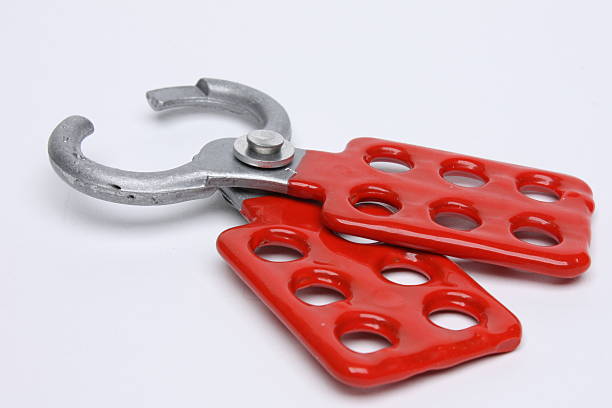
In conclusion, implementing the right lockout safety locks is crucial for ensuring workplace and home safety. By selecting the appropriate padlocks, considering factors such as durability and keying options, and customising them to meet specific needs, we can effectively prevent accidents and protect lives.
Choosing and implementing the right lockout safety locks may seem difficult, but with our help, it becomes a robust safety measure. Consult the experts at Work Safe Lock Outs for more insights. Don’t compromise on lockout safety – choose the right locks today!


