
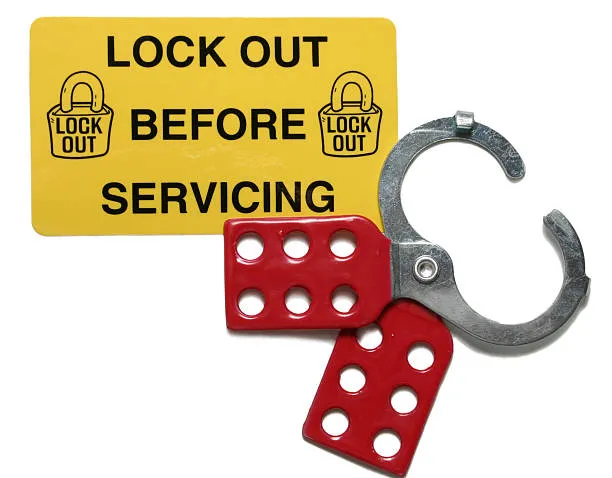
Understanding the importance of safeguarding your team’s safety, especially when heavy machinery is involved, can sometimes feel like a mountainous task. We’re familiar with this challenge because we’ve walked in similar shoes and found that lockout safety locks play a critical role in reducing risks associated with hazardous energy release.
This blog post will navigate you through the method of protecting your staff by effectively implementing lockout procedures and using appropriate devices. Intriguing, right? So let’s dive into the world of ensuring employee protection!

What is Lockout Tagout?
Lockout Tagout, or LOTO for short, is a critical safety procedure that aims to protect employees from hazardous energy releases during servicing and maintenance activities. It involves the use of lockout devices and tagout devices to isolate machinery and control the release of energy, ensuring the safety of those working with or around it.
Importance of LOTO for employee safety
LOTO indeed plays a pivotal role in maintaining employee safety. It’s paramount to understand that hazardous energy during maintenance work or machinery downtimes can lead to grave injuries and mishaps.
The application of LOTO processes does not merely halt the flow of this hazardous energy, but it also blocks any unexpected energization or start-up of equipment being serviced. This simple yet effective procedural step has proven itself as one of the critical shields against workplace hazards, ensuring our staff remain safe during servicing or maintenance activities.
With systematic implementation and adherence to LOTO techniques, we create an environment where each member feels safe while they excel at their tasks. Safety always precedes productivity; hence establishing these procedures is essential for our protection.
Difference between lockout and tagout
Lockout and tagout are two key components of a comprehensive safety program in the workplace. Lockout involves physically locking down machinery or equipment to prevent it from being operated, while tagout involves using tags to communicate that the equipment is not to be used.
The main difference between lockout and tagout is that lockout provides a physical barrier, while tagout serves as a visual reminder. Both methods are important for ensuring employee safety when working with potentially hazardous energy sources.
When performing maintenance or repairs on machines or equipment, lockout and tagout procedures help protect workers from accidental startup of machinery which could cause serious injuries or even fatalities.
OSHA standards and exceptions
We follow OSHA standards to ensure workplace safety. These guidelines help protect employees from hazardous energy release during servicing and maintenance activities. Exceptions to the lockout tagout procedure are only made when alternative measures provide the same level of protection.
But it’s important to remember that exceptions should never compromise employee safety. Locksafe's lockout safety locks are designed to comply with OSHA regulations, giving you peace of mind knowing that your staff is safeguarded against accidents and injuries.
Lockout Tagout Devices
Lockout Tagout devices are essential for ensuring the safety of employees, as they help to isolate and control hazardous energy sources during maintenance or servicing activities.
Energy isolating devices
Energy isolating devices are an essential part of a lockout tagout program. These devices, such as circuit breakers or valves, help to physically prevent the release of hazardous energy during maintenance or servicing activities.
By using energy isolating devices correctly, you can ensure that your staff is protected from potential accidents and injuries caused by unexpected machinery start-ups. It is important to regularly inspect these devices and train your employees on their proper use to maintain a safe work environment.
Lockout devices
Lockout devices are essential tools for ensuring the safety of your staff when working with machinery or equipment. These devices are designed to completely immobilise hazardous energy sources, such as electricity or moving parts, preventing accidental activation and potential injury.
By using lockout devices, you can effectively isolate and control the release of hazardous energy, providing a safer work environment for your employees.
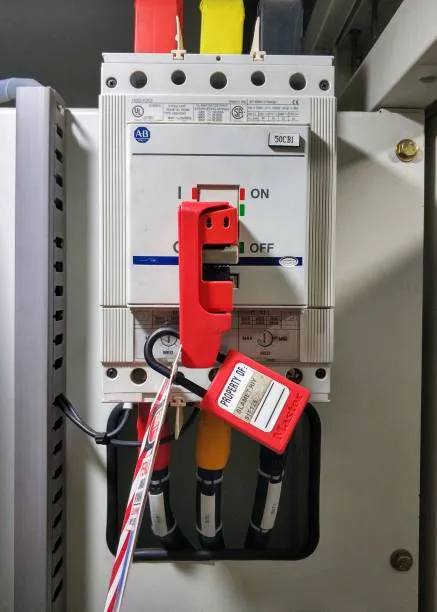
There are a variety of lockout devices available on the market, including padlocks, valve locks, circuit breaker locks, and plug locks. These devices are specifically designed to fit different types of machinery and equipment in order to securely fasten them in their off position.
Lockout devices act as physical barriers that prevent unauthorised access to energised equipment during maintenance or servicing activities. By implementing these safety measures in your workplace, you demonstrate your commitment to employee protection while also complying with industry regulations and standards.
Investing in high-quality lockout devices is not only crucial for maintaining workplace safety but also for promoting employee satisfaction. When employees see that you prioritise their well-being by providing effective lockout solutions, they feel more confident about working with potentially dangerous equipment.
Tagout devices
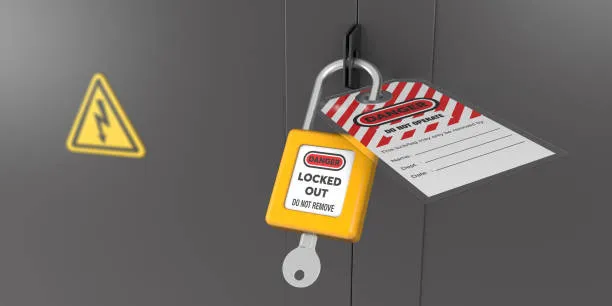
Tagout devices are an essential component of a lockout tagout (LOTO) program when it comes to safeguarding your staff and ensuring workplace safety. These devices are specifically designed to be attached to energy-isolating devices, such as valves or switches, to indicate that equipment is being serviced or repaired.
By using tagout devices, you can effectively communicate the status of machinery and prevent accidental start-ups, which could potentially release hazardous energy and pose serious risks to employees.
Tagout devices serve as a visible warning for everyone in the vicinity, reminding them not to activate the equipment while maintenance work is taking place. It is important to use durable and clearly labelled tags that comply with safety regulations.
LOTO boxes
LOTO boxes are an essential component of a comprehensive lockout tagout program. These boxes provide a secure and organised location to store lockout devices, ensuring easy access when needed.
With LOTO boxes, you can keep all necessary locks, tags, and keys in one place, making it convenient for employees to follow the lockout procedures. They also serve as a visible reminder that machinery or equipment is locked out and should not be operated until the lockout process is complete.
LOTO boxes help prevent accidental releases of hazardous energy and promote workplace safety by keeping everything in order and easily accessible when it’s time to perform maintenance or servicing activities.
The Lockout Tagout Procedure
– We will discuss the importance of having a Lockout Tagout (LOTO) procedure in place to ensure employee safety.
– We will provide step-by-step instructions on how to implement an effective LOTO procedure.
– We will also address how to handle situations when an employee is unavailable during the lockout process.
Importance of a LOTO procedure
A LOTO procedure is crucial for the safety and well-being of your employees. It ensures that hazardous energy sources are properly controlled during maintenance or servicing activities, reducing the risk of accidents and injuries.
By following a LOTO procedure, you can effectively isolate equipment, lock it out, and protect workers from unexpected startup or release of stored energy. This procedure helps create a safe work environment where employees feel protected and confident in their tasks.
Implementing a comprehensive LOTO program shows your commitment to employee safety and satisfaction. Keep your staff safe by prioritising the importance of a LOTO procedure in your workplace.
Steps to follow
To ensure the safety of your staff, there are a few important steps to follow when implementing lockout tagout procedures. Firstly, communicate the policy clearly to all employees and provide training on how to properly use lockout devices.
Create a comprehensive procedure that includes steps such as identifying energy sources, isolating them with proper lockout devices, and verifying that the equipment is de-energized before beginning maintenance or servicing.
Regularly inspect and maintain all lockout devices to ensure they are in good working condition. Lastly, consistently enforce the lockout tagout procedures and address any violations promptly through retraining or disciplinary action if necessary.
How to handle situations when an employee is unavailable
In situations where an employee is unavailable, it’s crucial to have a clear plan in place to ensure the safety of everyone involved. First and foremost, communication is key. Make sure that all staff members are aware of who to contact when someone is unavailable and how to report any issues or concerns.
It’s also important to have backup employees trained and ready to step in if needed. Cross-training employees on different tasks can help minimise disruption when someone is absent.
Additionally, having well-documented procedures and instructions for each task can make it easier for others to pick up the slack. Lastly, regularly reviewing and updating your contingency plans will help you stay prepared for any unexpected absences.
Establishing a Lockout Tagout Program
To establish a Lockout Tagout Program, it is crucial to prioritise communication and training among employees, conduct regular inspections using a comprehensive checklist, utilise LOTO safety software and templates for efficient documentation, and address industry-specific hazards like TCS food or alloy manufacturing.
Communication and training
We believe that effective communication and training are crucial elements of a successful lockout tagout program. It’s important for all employees to understand the purpose and procedures of lockout tagout to ensure their safety.
Regular communication can be done through meetings, email updates, or notice boards to keep everyone informed about any changes or reminders regarding lockout tagout practices. Training sessions should also be conducted regularly, providing employees with the necessary knowledge and skills to implement lockout tagout procedures correctly.
This includes identifying energy sources, using lockout devices properly, and understanding the importance of following safety protocols. By maintaining open lines of communication and providing comprehensive training opportunities, we can ensure that all staff members are well-equipped to protect themselves from potential hazards in the workplace.
In addition to regular communication and training sessions, ongoing education is essential for reinforcing proper lockout tagout practices among employees. This may involve conducting refresher courses or workshops periodically to address any questions or concerns that arise over time.
Lockout Tagout inspections
To ensure the effectiveness of your lockout tagout program, regular inspections are crucial. These inspections help identify any potential issues or hazards that could compromise the safety of your employees.
It is important to conduct these inspections on a routine basis to maintain a safe work environment. During the inspection, we assess all lockout tagout devices and equipment to ensure they are functioning properly and in compliance with safety regulations.
We also check for any signs of wear or damage that may require repair or replacement. By conducting regular lockout tagout inspections, we can stay proactive in preventing accidents and protecting our staff from hazardous energy releases.
Creating a LOTO inspection checklist
To ensure the effectiveness and efficiency of your Lockout Tagout (LOTO) program, it is essential to create a comprehensive LOTO inspection checklist. This checklist will serve as a guide for evaluating the proper implementation of LOTO procedures in your workplace.
By regularly conducting inspections using this checklist, you can identify any potential hazards or gaps in safety measures that need to be addressed. A well-designed LOTO inspection checklist includes items such as verifying the presence and condition of lockout devices, confirming employee understanding of LOTO procedures, checking equipment maintenance logs, and ensuring that all necessary training has been completed.
Regularly reviewing and updating this checklist will help keep your employees safe and maintain compliance with safety regulations.
Using LOTO safety software and templates
We highly recommend utilising LOTO (Lockout Tagout) safety software and templates to streamline your lockout procedures. This software allows you to create and manage customised lockout procedures specific to each piece of machinery or equipment in your workplace.
By using templates, you can save time and ensure consistency across all lockout procedures. The software also helps track employee training records and provides reminders for when inspections are due.
With LOTO safety software and templates, you can enhance the effectiveness of your lockout program and prioritise the safety of your staff.
Ensuring Compliance and Safety
Consistently enforcing lockout tagout procedures is crucial for maintaining compliance and safety in the workplace. Audits and documentation help to monitor and track adherence to these protocols, while ergonomic assessments address potential hazards specific to each industry.
Taking these measures seriously ensures employee protection and reduces the risk of accidents or hazardous energy releases during maintenance activities.
Consistently enforcing LOTO procedures
We understand the importance of consistently enforcing lockout tagout (LOTO) procedures to ensure the safety and well-being of your staff. By consistently following LOTO procedures, you can effectively protect your employees from hazardous energy releases and prevent accidents in the workplace.
This means regularly conducting training sessions, providing clear instructions, and holding everyone accountable for their actions. By prioritising consistent enforcement, you can create a safer work environment for all.
Performing audits and maintaining documentation
We regularly conduct audits and maintain detailed documentation to ensure the effectiveness of Locksafe's lockout tagout program. This is an essential step in keeping our staff safe. By auditing our procedures, we can identify any areas that need improvement and make necessary adjustments.
We also maintain detailed documentation of each lockout tagout procedure performed, including dates, equipment involved, and personnel responsible. This way, we have a record of all safety measures taken and can easily track any potential issues or trends that may arise.
Importance of proper ergonomics and risk assessments
We understand the importance of ensuring proper ergonomics and conducting risk assessments in order to maintain a safe work environment. By implementing ergonomic practices, you can significantly reduce the risk of injuries and musculoskeletal disorders for your employees.
Conducting regular risk assessments allows you to identify potential hazards and take proactive measures to prevent accidents or injuries from occurring. Prioritising proper ergonomics and risk assessments not only protects your staff but also promotes productivity and creates a positive work environment.
Addressing hazards in specific industries (e.g. TCS food, alloy manufacturing)
In certain industries like TCS food and alloy manufacturing, there are unique hazards that need to be addressed when implementing a lockout tagout program. For example, in the TCS food industry, where temperature-controlled storage is critical for food safety, it’s important to have specialised lockout devices that can withstand cold temperatures and moisture.
Similarly, in alloy manufacturing plants where heavy machinery is used, extra caution needs to be taken to ensure that lockout procedures are followed correctly before servicing or maintaining equipment.
By understanding the specific hazards in these industries and incorporating them into your lockout tagout program, you can enhance workplace safety and protect your employees from potential accidents or injuries.
Conclusion
Implementing effective lockout safety locks is crucial for safeguarding your staff. By following proper lockout tagout procedures and utilising the right devices, you can significantly reduce the risk of accidents and protect your employees from hazardous energy releases.
The best way to safeguard your staff is through the effective use of lockout safety locks. Our team at Work Safe Lock Outs can guide you to the most relevant lock solutions for your setup – contact us today. Remember to prioritise employee safety by consistently enforcing lockout policies and conducting regular audits to ensure compliance with safety regulations.
Sorting out lockout for your own site?
Describe what needs isolating and we'll help you work out the setup that fits.