
Understanding the nitty-gritty of lockout safety locks can indeed seem like unravelling a challenging knot. We understand, we’ve been there as well – baffled amidst complex tools that ensure machinery safety and prevent hazards.
Thus, through this article, we lend you a helping hand, sharing practical strategies for efficient use of isolation locks that we’ve amassed along our journey. Keen to enhance workplace safety? Let’s delve into the heart of it together!

What are lockout devices?
Lockout devices are tools used for the isolation of energy sources and the prevention of accidental start-up or release of stored energy. These devices come in various types, such as padlocks, box locks, and isolation locks, designed to fit different industrial settings.
Their purpose is to keep individuals safe while working on machinery or equipment by ensuring that all hazardous energies are effectively isolated and locked out.
Types of lockout devices
Safety is crucial in maintaining our homes, and lockout devices play a key role. Different types of lockout devices cater to various needs and requirements. Padlocks, widely used for their versatility and ease of use, are just one example.
Electrical lockouts help ensure safety when working on or near electrical equipment by preventing accidental energization. Valve lockouts restrict the operation of manual valves which control fluid flow – perfect for protecting home plumbing systems from unwanted changes.
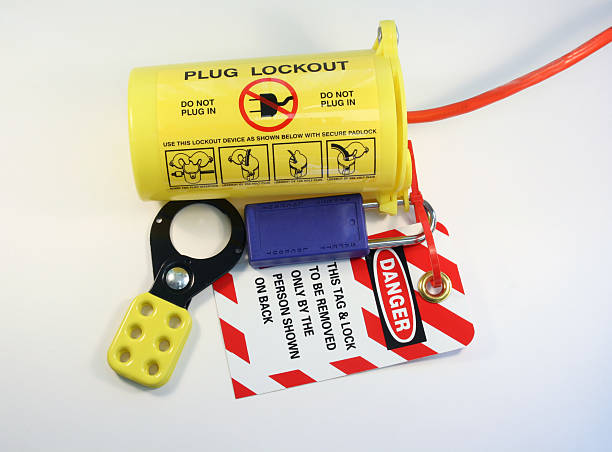
Cable locks can secure multiple points with a single device, making them ideal for larger machinery or complex circuits at home workshops. Box Locks are designed to encase switches or power plugs completely, providing an extra layer of protection against accidental activation during maintenance tasks.
With so many types available, it’s easy to find the right fit tailored to your specific safety needs at home!
Purpose of lockout devices
The purpose of lockout devices is to ensure the safety and protection of individuals working with potentially dangerous machinery or equipment. By using lockout devices, such as padlocks or box locks, energy isolating devices can be securely locked in place to prevent accidental activation or release of hazardous energy.
This helps to minimise the risk of injury or even death by effectively eliminating the potential for unexpected start-ups, releases, or energization. Lockout devices are essential tools in implementing lockout/tagout procedures and maintaining a safe working environment.
They provide a visible indication that maintenance or servicing is being carried out on a particular piece of equipment, alerting others not to operate it until the work is complete and all energy sources have been safely disconnected.
The Importance of Isolation Locks in Industrial Settings
Isolation locks are vital in industrial settings to ensure the safety of workers and prevent accidents. They play a crucial role in lockout/tagout procedures, effectively isolating energy sources and machinery for maintenance or repairs.
Using isolation locks helps to minimise risks and protect employees from potential harm.
Explanation of lockout/tagout procedures
Lockout/tagout procedures are essential for maintaining safety in industrial settings. These procedures involve isolating and disabling machinery or equipment before any maintenance or repair work is done.
By following lockout/tagout procedures, you can prevent accidental startup of machines, which can lead to serious injuries or even fatalities. The process typically involves several steps, such as identifying energy sources, shutting down the equipment, and attaching lockout devices like padlocks or box locks to ensure that it remains inoperative until all work is completed.
This ensures that no one can accidentally start the machinery while others are working on it, providing a safe environment for everyone involved.
Benefits of isolation locks
Isolation locks offer several benefits when it comes to safety in industrial settings. Firstly, they provide a reliable and secure method for isolating energy sources during maintenance or repair work.
This helps prevent accidental start-up of machinery or equipment, reducing the risk of workplace accidents and injuries. Secondly, isolation locks can be easily identified and recognized by their bright colours or unique designs, making them an effective visual reminder that a certain machine or equipment is currently undergoing maintenance work.
Lastly, these locks are durable and built to withstand harsh environments, ensuring long-lasting protection for employees and equipment alike. By using isolation locks as part of your lockout/tagout procedures, you can greatly enhance workplace safety while also complying with industry regulations.

Isolation Locks
Tuffa Products offers a range of isolation locks, including padlocks and box locks, designed to enhance workplace safety by effectively isolating energy sources.
Different types of isolation locks offered
We offer a range of different types of isolation locks to suit your specific needs. Whether you’re looking for padlocks, box locks, or electrical lockouts, we have you covered. Our isolation locks are designed to securely lock out energy sources and prevent accidental startup or operation of equipment during maintenance or repair work.
With our high-quality and reliable isolation locks, you can ensure the safety of yourself and those around you while carrying out essential tasks in your home. Trust us to provide the right kind of lock that meets your requirements for effective lockout safety measures.
Key features of isolation locks
Tuffa isolation locks offer a range of key features that make them an ideal choice for industrial settings. These locks are designed to be durable and withstand tough conditions, ensuring reliable performance when it matters most.
With their robust construction, Tuffa isolation locks provide superior strength and security, giving you peace of mind knowing that your machinery and equipment will stay safely locked out during maintenance or repair work.
Additionally, these locks are easy to use, with simple mechanisms that allow for quick and efficient installation and removal. The bright colours of Tuffa isolation locks also enhance visibility in the workplace, serving as a clear visual indicator that equipment is locked out and should not be operated.
Tips for Effective Use of Isolation Locks
To effectively use isolation locks, it is crucial to understand and follow the 9-step isolation procedure, as well as set up a comprehensive lockout/tagout strategy.
Understanding and following the 9-step isolation procedure
To ensure the safe use of isolation locks, it is crucial to understand and follow the 9-step isolation procedure. This step-by-step process helps prevent accidents and injuries when working with machinery or equipment.
First, identify the energy sources that need to be isolated, such as electricity or hydraulic power. Then, notify all workers in the area about the lockout/tagout procedure. Next, shut off the power supply and release any stored energy by following specific instructions for each source.
Lock all energy isolating devices using appropriate padlocks or box locks to prevent unauthorised activation. Once everything is locked out, test the equipment to verify that it has been effectively isolated before starting any maintenance work.
Setting up a lockout/tagout strategy
To ensure the safety of your home and prevent accidents, it is crucial to set up a lockout/tagout strategy. This involves implementing procedures to control hazardous energy sources and protect yourself and others from unexpected start-ups.
Start by identifying all the energy sources in your home, such as electrical panels, gas lines, or water valves. Then, establish clear protocols for isolating and locking out these energy sources before performing any maintenance or repairs.
Make sure everyone in your household understands the importance of following these procedures to keep everyone safe. By setting up a lockout/tagout strategy in your home, you can minimise the risk of accidents and promote a safer living environment for you and your loved ones.
Next Steps for Implementing Lockout Safety
Now that we understand the importance of lockout safety, let’s discuss the next steps for implementing it effectively. First and foremost, proper training is essential. Everyone involved in using lockout devices should be trained on the correct procedures and protocols to ensure their own safety and prevent accidents.
Additionally, having a comprehensive understanding of lockout/tagout guidelines is crucial in creating a successful strategy. Lastly, addressing frequently asked questions about lockout/tagout can provide clarity and help individuals feel more confident in using these safety measures.
By taking these next steps, we can harness the power of lockout safety locks to protect ourselves and our workplaces from potential hazards.
Importance of proper training
Proper training is crucial when it comes to using lockout devices effectively. Without the necessary knowledge and skills, accidents can still occur even with the best safety measures in place.
That’s why it’s important for homeowners to receive proper training on lockout procedures and techniques. By understanding how to properly isolate energy sources and implement lockout/tagout strategies, home owners can ensure their own safety as well as that of others around them.
Training provides the essential knowledge needed to use isolation locks confidently and effectively, making sure that potential hazards are minimised or eliminated altogether.
FAQs about lockout/tagout
Our customers often ask us questions about lockout/tagout procedures to ensure the safety of their equipment and employees. Here are some frequently asked questions about lockout/tagout:.
1. What is lockout/tagout? Lockout/tagout, or LOTO, is a safety procedure used in industrial settings to protect workers from hazardous energy sources during equipment maintenance or repair.
It involves isolating the energy source by using locks and tags to prevent accidental startup.
2. Why is lockout/tagout important? Locking out and tagging out machinery prevents unexpected release of stored energy, which can cause serious injuries or even fatalities. By following proper lockout procedures, you can protect yourself and your team from potential accidents.
3. How do I implement a lockout/tagout program? First, develop a written plan outlining the steps for locking out equipment and training your employees on the procedure. Provide them with appropriate locks, tags, and other necessary devices for effective isolation.
Conclusion
Implementing lockout safety measures such as isolation locks is crucial for maintaining a safe and secure environment in industrial settings. These devices play a vital role in preventing accidents and injuries by effectively isolating energy sources during maintenance or repairs. By following proper lockout/tagout procedures and utilising high-quality isolation locks like those offered by Work Safe Lock Outs, you can ensure the well-being of everyone involved while also complying with workplace safety regulations.
Harnessing the power of lockout safety locks enhances safety and efficiency in your environment. To gain insight into the most optimal locks for your needs, reach out to Work Safe Lock Outs today. Remember to invest in proper training for your employees and address any concerns through FAQs about lockout/tagout procedures. Stay proactive in prioritising workplace safety by harnessing the power of lockout safety locks.


