

Navigating your way around lockout safety locks can feel like a bit of a riddle for many householders. Much like yourself, we’ve found them slightly baffling at times. However, did you know these puzzling contraptions play an indispensable role in ensuring regulatory compliance and workplace safety? In this post, we’re going to venture into the complex world of lockout tagout devices and shed some light on their significance in meeting rigorous safety regulations. Prepared to untangle this somewhat convoluted subject matter? Let’s jump right in!

What is Lockout Tagout (LOTO)?
Lockout Tagout (LOTO) is a safety procedure that is used to protect employees from hazardous energy while working on equipment and machinery. It involves isolating the energy source, using lockout devices to prevent unauthorised activation, and attaching tagout devices as a visible warning.
Definition and purpose
Lockout Safety Locks serve a vital role in keeping home environments safe, particularly during maintenance or repair of powered systems. The primary purpose of these devices is to prevent unintentional startup or release of stored energy that can lead to severe injuries.
They work by isolating the power source and preventing the flow of energy to an equipment or system. This ensures safety while performing tasks such as cleaning, repairing, maintaining, or inspecting machinery at home.
Using lockout devices effectively reduces potential risks and accidents caused by hazardous energy release.
Importance for workplace safety
Ensuring workplace safety is of utmost importance for both employers and employees. One key aspect of maintaining a safe working environment is implementing lockout tagout (LOTO) procedures.
These procedures involve the use of safety locks to prevent the accidental release of hazardous energy in equipment and machinery during maintenance or repair work. By effectively using lockout safety locks, potential accidents can be avoided, reducing the risk of injuries or fatalities caused by electrocution, burns, or other hazards associated with live electrical equipment.
Adhering to LOTO standards not only helps meet regulatory requirements but also promotes a culture of safety within the organisation, protecting the well-being and lives of everyone involved.
Difference between lockout and tagout
Lockout and tagout are two important safety procedures that help to prevent accidents in the workplace. While they both aim to protect workers from hazardous energy sources, there is a key difference between the two.
Lockout involves physically isolating the energy source by using locks or similar devices to ensure it cannot be energised. On the other hand, tagout involves using tags or labels to communicate that a piece of equipment should not be used while repairs or maintenance work is being carried out.
So, while lockout physically prevents the release of hazardous energy, tagout serves as a warning sign and reminder for workers. By understanding this distinction, home owners can prioritise workplace safety and ensure that these procedures are implemented correctly.
OSHA Lockout Tagout Standard
The OSHA Lockout Tagout Standard is a set of regulations and standards implemented by the Occupational Safety and Health Administration (OSHA) to ensure workplace safety when it comes to hazardous energy in equipment and machinery.
Overview of regulations and standards
To ensure workplace safety, there are regulations and standards in place for lockout tagout procedures. These guidelines outline the steps that need to be followed when working with electrical equipment or machinery to prevent accidents and injuries.
It is important for home owners to be aware of these regulations and understand their responsibilities in maintaining a safe work environment. Compliance with these standards involves training employees, conducting risk assessments, and implementing safety controls such as lockout devices and tagout systems.
By following these protocols, home owners can help prevent fatalities and injuries while ensuring the safe operation of plants and equipment in their homes.
Exceptions and violations
There are certain exceptions and violations to be aware of when it comes to lockout tagout (LOTO) procedures. It’s crucial for homeowners, especially those who perform electrical work or use equipment that has hazardous energy, to understand these exceptions and avoid any violations.
By following the Australian standards and regulations for LOTO, you can ensure the safety of yourself and others in your home.
One common exception is when equipment or machinery is considered “safe by design.” This means that the equipment has built-in safety controls that eliminate the need for lockout tagout procedures.
However, it’s important to note that this exception should only be relied upon if there are no workplace hazards present.
Violations of LOTO procedures can result in serious injuries or fatalities. It’s essential to comply with regulatory requirements by following proper lockout tagout protocols. This includes using appropriate lockout devices and tagout devices when necessary, clearly defining policies, conducting risk assessments, providing training for employees, performing frequent audits and documentation, and utilising software or templates to streamline compliance processes.
Involvement of different parties
Different parties play a crucial role in ensuring compliance with lockout tagout (LOTO) standards. As homeowners, it is important to understand who these parties are and how they contribute to workplace safety.
First and foremost, employers have the responsibility of implementing LOTO procedures and providing training for their employees. They must also conduct risk assessments regularly to identify potential hazards and update safety policies accordingly.
Additionally, maintenance technicians play a vital role in carrying out lockout tagout procedures on electrical equipment or machinery. By working together, employers and technicians can create a safe working environment that minimises the risks associated with hazardous energy.
Types of Lockout Tagout Devices
In this section, we will explore the various types of lockout tagout devices and how they contribute to workplace safety. From energy isolating devices to different lockout and tagout options, understanding these tools is crucial for maintaining a secure work environment.
Read on to discover more about the key components that ensure hazardous energy is effectively controlled and communicated.”.
Energy isolating devices
Energy isolating devices are an essential part of lockout tagout procedures. These devices physically prevent the release of hazardous energy from equipment and machinery, ensuring the safety of maintenance technicians and workers.
They come in various forms such as circuit breakers, disconnect switches, and valve blocks, which completely cut off the power supply or block the flow of hazardous substances. By using energy isolating devices correctly, you can effectively control workplace hazards and create a safe working environment for everyone involved.
Types of lockout devices
Lockout devices are crucial tools for ensuring the safety of workers when performing maintenance or repairs on equipment and machinery. There are various types of lockout devices available, each designed for specific purposes.
One common type is a lockout hasp, which allows multiple padlocks to be attached to it, ensuring that only authorised individuals have access to the locked-out equipment. Another type is valve lockouts, which are used to securely lock valves in the off position, preventing accidental activation during maintenance.
Electrical lockout devices, such as circuit breaker locks and plug locks, help prevent unexpected energization of electrical equipment. By using these different types of lockout devices correctly and consistently, home owners can effectively protect themselves from potential hazards while working with machinery or electrical systems.
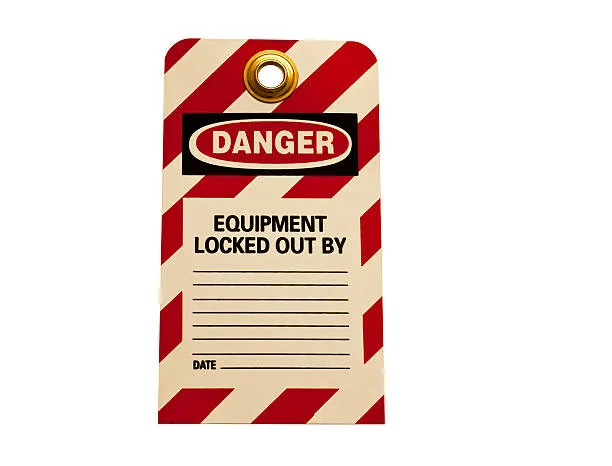
Types of tagout devices
Tagout devices are essential for ensuring the safety of home owners when working with hazardous energy sources or equipment. There are different types of tagout devices available, depending on the specific needs and requirements.
One common type is a lockout tag, which is designed to provide clear and visible warnings to prevent accidental energization of machinery or equipment. Another type is a tag-only device, which serves as a reminder that the equipment is being serviced or repaired and should not be operated.
It’s important to choose the appropriate tagout device based on the level of risk involved and to follow all safety protocols to ensure safe working conditions at all times.
Lockout Tagout Procedures
Lockout Tagout procedures are crucial for maintaining workplace safety, and they involve a 7-step process that includes clearly defining policies, conducting risk assessments, and effectively communicating procedures to employees.
7-step process
We follow a thorough 7-step process when it comes to lockout tagout procedures. First, we identify the equipment that needs to be locked out and gather all necessary tools and devices.
Then, we notify the affected employees about the upcoming lockout procedure and explain why it’s important for their safety. Next, we shut down the equipment using energy isolating devices and disconnect all power sources.
After that, we apply lockout tags or locks to ensure that the equipment cannot be operated. We then release any stored energy in the system to make sure there are no hidden hazards.
Importance of clearly defining and communicating policies
Clearly defining and communicating policies is crucial for maintaining a safe workplace. When it comes to lockout tagout procedures, having well-defined policies helps ensure that all employees understand and follow the necessary steps to safely isolate hazardous energy sources.
By clearly communicating these policies, everyone in the organisation can be on the same page and effectively reduce the risk of accidents or injuries. Additionally, clear policies provide a framework for conducting risk assessments, determining which equipment requires lockout tagout procedures, and establishing accountability within the workforce.
As responsible homeowners, it is our duty to prioritise safety by clearly defining and communicating lockout tagout policies to protect ourselves and our maintenance technicians from potential hazards.
Conducting risk assessments
To ensure workplace safety, conducting risk assessments is a crucial step in the lockout tagout process. By assessing potential hazards and identifying areas of concern, we can develop effective strategies to mitigate risks.
This involves carefully examining electrical equipment, machinery, and other hazardous energy sources to determine their potential danger. Through these assessments, we can identify specific procedures needed for safe working practices and implement appropriate safety controls.
Risk assessments play a vital role in safeguarding employees from injuries and fatalities by ensuring that comprehensive lockout tagout procedures are put in place.
Compliance with Lockout Tagout Standards
To comply with Lockout Tagout standards, employees must undergo thorough training, conduct regular audits and document their findings, and utilise software and templates to streamline the process.
Training for employees
We understand the importance of training our employees when it comes to lockout tagout procedures. Our team goes through a rigorous training program that covers all aspects of lockout tagout, including the 7-step process and the proper use of lockout devices and tagout devices.
We believe that clear and effective communication is key in keeping everyone safe, so we ensure that our employees are well-versed in these safety protocols. By providing comprehensive training, we empower our employees to confidently handle hazardous energy situations and contribute to maintaining a safe working environment for themselves and others.
Frequent audits and documentation
We understand that as a homeowner, safety is one of your top priorities. That’s why it’s crucial to have frequent audits and documentation when it comes to lockout tagout procedures.
By conducting regular audits, you can assess whether the lockout tagout system in place is effective and identify any areas that need improvement. This helps ensure that all equipment and machinery are properly locked out before maintenance or repair work begins, minimising the risk of accidents or injuries caused by hazardous energy.
In addition to audits, documenting lockout tagout procedures is essential for compliance with regulatory requirements. Proper documentation provides a detailed record of the steps taken to isolate energy sources, ensuring that employees follow the necessary safety protocols.
It also serves as evidence that your home or property is taking proactive measures to prevent workplace hazards.
Use of software and templates
We understand that complying with lockout tagout standards can be complex and time-consuming. That’s why the use of software and templates can be incredibly helpful. These tools allow you to create customised lockout tagout procedures specific to your workplace, ensuring that all necessary steps are followed consistently.
Templates provide a solid foundation for creating clear instructions, while software simplifies the process by automating documentation and tracking. By using these resources, you can streamline compliance efforts and improve workplace safety without sacrificing efficiency.
Conclusion
Regulatory compliance and the use of lockout safety locks play a critical role in ensuring workplace safety. By following lockout tagout procedures and adhering to OSHA standards, businesses can effectively protect employees from hazardous energy sources while performing maintenance work on equipment and machinery.
It is essential for employers to prioritise safety controls, conduct regular audits, provide proper employee training, and stay up-to-date with compliance requirements to create a safe working environment. implementing lockout safety locks is central to regulatory compliance, ensuring secure working conditions. Consult with our experts at Work Safe Lock Outs for a thorough understanding of regulations and how these locks fit in.
Sorting out lockout for your own site?
Describe what needs isolating and we'll help you work out the setup that fits.