
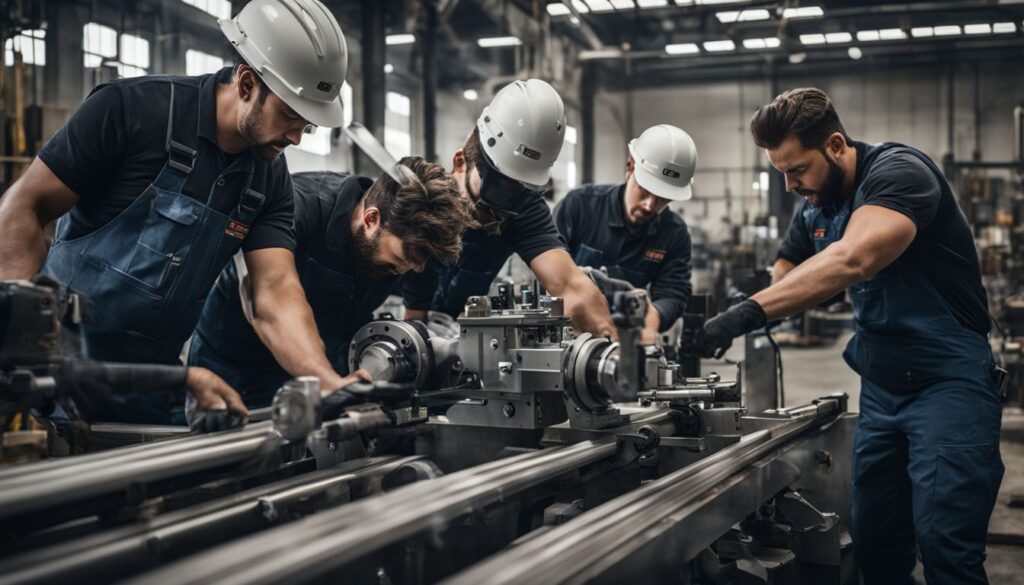
Creating a safe workplace is the goal for all of us, isn’t it? But often, it’s those small things that can make the biggest difference. Like many of you, we’ve run into our fair share of headaches trying to ensure safety at every turn and stumbled upon something pretty interesting: locking brackets.
These nifty little tools might seem unassuming, but they’re absolute game-changers when it comes to making your work environment safer. Our article’s set to take you through how these simple gadgets can seriously revamp your safety measures.
So, chuck on the kettle and settle in; you’re about to learn a heap!
Understanding Locking Brackets
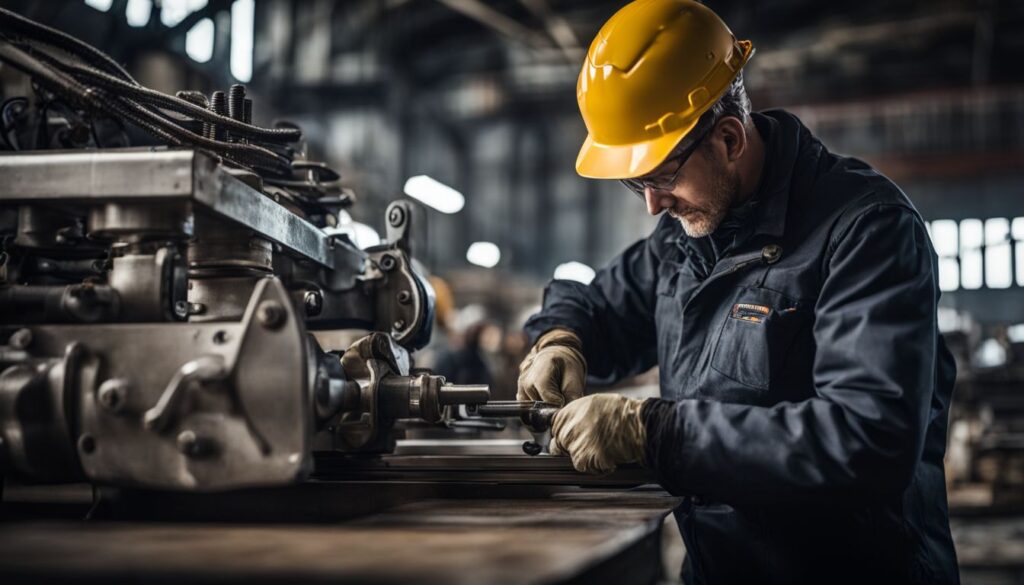
Locking brackets play a crucial role in maintaining workplace safety by securing equipment and areas that pose potential hazards. They function as an integral part of lockout/tagout (LOTO) procedures, ensuring that machines are properly shut off and cannot be started up again before the completion of maintenance or repair work.
This process helps prevent accidents and injuries, contributing significantly to creating a culture of safety in the workplace. Our expertise allows us to guide businesses through choosing the right types of locking brackets, including padlocks, box locks, and safety lockout hasps, based on their specific needs.
Implementing these devices effectively requires understanding not only their mechanical aspects but also how they fit into broader safety protocols. We stress the importance of integrating locking brackets into your existing health and safety compliance strategies.
This approach not only meets regulatory requirements but also fosters an environment where employee wellbeing is a priority. Moving forward, we explore why locking brackets are indispensable for enhancing workplace security measures.
Importance of Locking Brackets for Workplace Safety
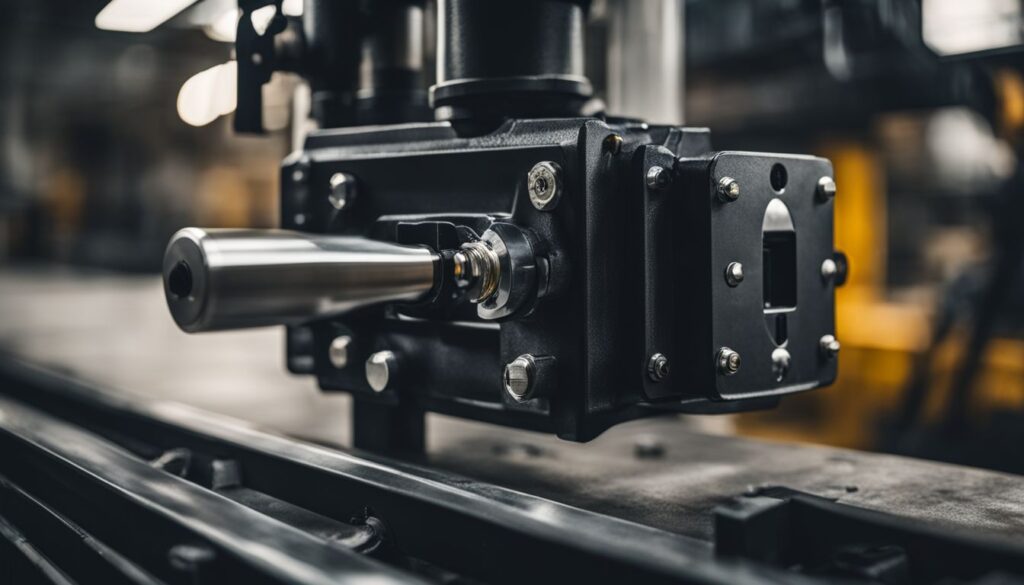
Locking brackets are crucial for workplace safety, ensuring employee well-being and compliance with HSE regulations. They actively prevent unauthorised access to hazardous equipment, thereby reducing the risk of workplace accidents and injuries.
Ensuring employee safety
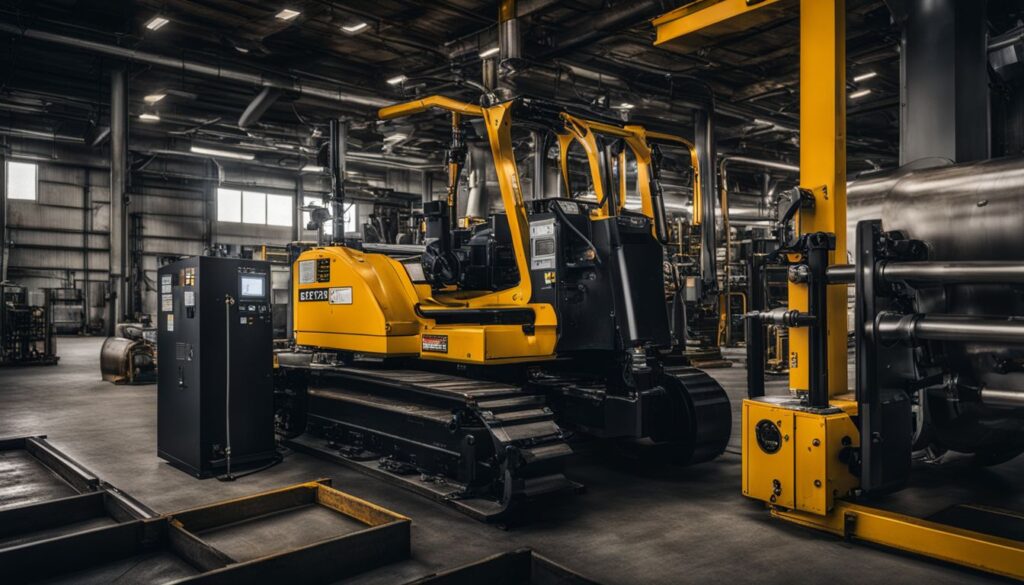
We prioritise the safety of our employees by integrating locking brackets into our workplace security measures. These tools play a vital role in safeguarding against accidental startups of machinery, effectively reducing workplace hazards and preventing accidents.
By employing lockout procedures that utilise these safety devices, we create an environment where employees feel secure and valued.
Ensuring compliance with Workplace Health and Safety (WHS) regulations is also central to our mission. This commitment not only fosters a culture of safety but also protects the business from potential legal liabilities.
Our next focus is on maintaining this high standard through regular updates and training on WHS practices.
Compliance with WHS regulations
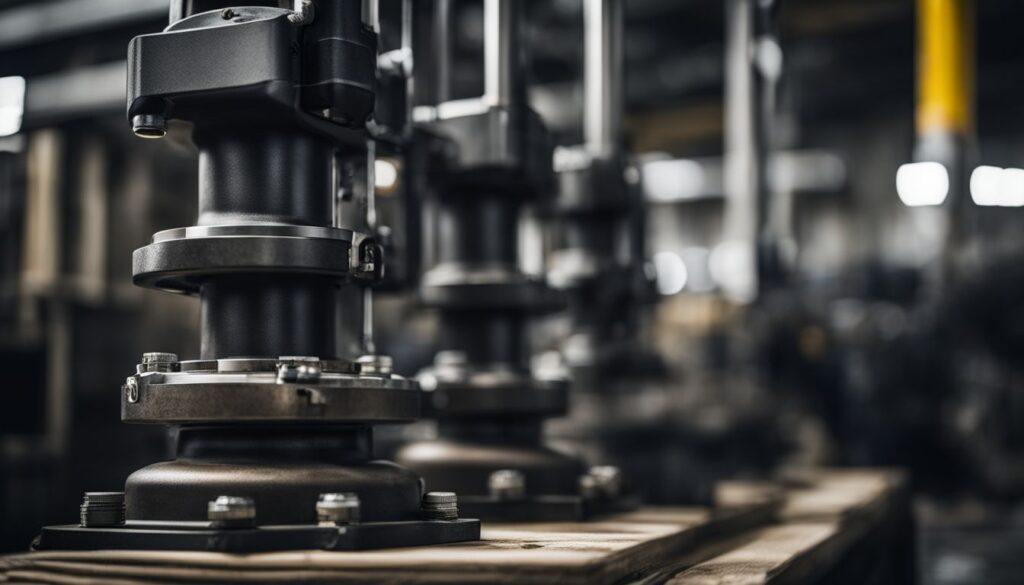
Our commitment to using locking brackets doesn’t just stop at enhancing workplace safety; it also ensures our compliance with Work Health and Safety (WHS) regulations. By integrating these safety tools into our everyday operations, we meet required standards that govern occupational health and safety practices.
This not only keeps us on the right side of the law but significantly minimises risks of workplace incidents.
Staying updated on WHS regulations is crucial for us as business owners. We take proactive steps by regularly reviewing and adjusting our safety protocols in line with the latest guidelines.
Our adherence to these rules through the use of locking brackets demonstrates our dedication to maintaining a safe work environment for all employees, which is central to fostering a strong culture of safety within our company.
The Role of Locking Brackets in Effective Hazard Control
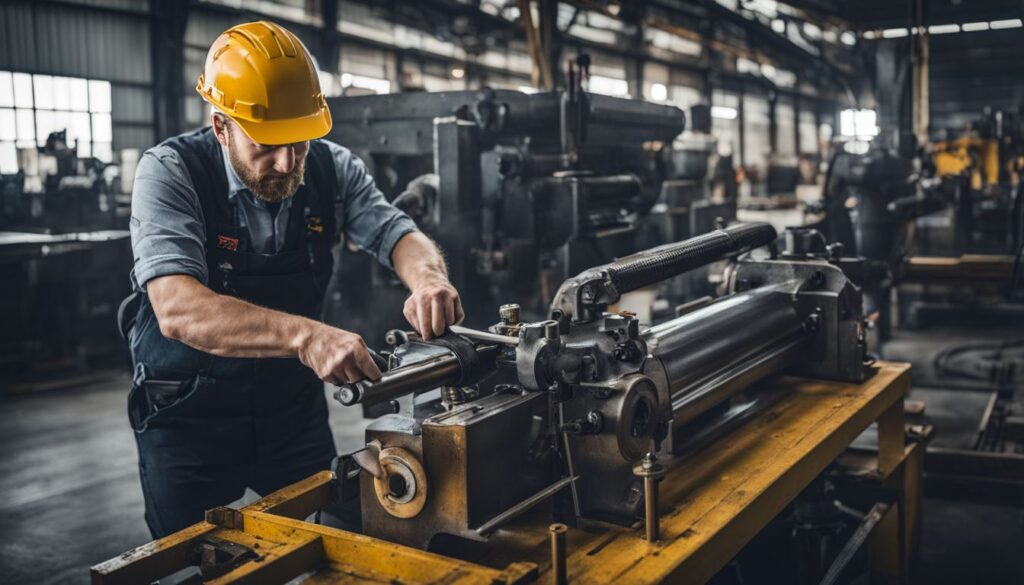
Locking brackets serve as critical components in our strategy to minimise workplace hazards effectively. They act by securely fastening equipment or machinery parts that could potentially cause harm if accidentally powered on or displaced.
This hardware becomes a physical barrier against accidental activation, ensuring machines stay off until maintenance or repair tasks are safely completed. Through this direct method of control, we greatly reduce the risk of injury from unexpected machine startups, creating a safer environment for our workforce.
Implementing locking brackets across various sectors significantly boosts safety protocols and supports compliance with health and safety regulations. These devices help us maintain stringent control over who can operate or access machinery at any given time, thus playing an essential role in hazard prevention strategies within industrial settings.
By providing a clear and straightforward way to lock out equipment, they foster a culture of safety where every employee understands the importance of following proper lockout/tagout procedures before performing any task that involves potential risks.
Their use is not only about meeting legal requirements but also about embedding safety into our daily operations, making it a shared responsibility among all team members.
Proper Maintenance and Inspection of Locking Brackets
Proper maintenance and inspection of locking brackets ensure their reliability and functionality, promoting a safe work environment. To learn more about the significance of these practices, delve into our in-depth guide on workplace safety measures.
General maintenance

General maintenance of locking brackets plays a crucial role in maintaining workplace safety and ensuring compliance with health and safety regulations. We regularly check these devices for signs of wear, damage, or tampering to prevent accidents before they occur.
This routine inspection keeps the equipment in top working order, safeguarding employees from potential hazards.
We also make it our priority to clean and lubricate all components according to the manufacturer’s instructions. This prevents rust and ensures the mechanisms function smoothly. Keeping up with these simple tasks significantly contributes to creating a culture of safety within our workspace, emphasising our commitment to accident prevention and employee protection.
Periodic inspection

Ensuring the safety and efficiency of locking brackets requires more than just initial installation. Periodic inspection plays a crucial role in maintaining workplace safety standards and preventing accidents. We’ve identified key steps for conducting these inspections effectively, making sure workplace hazards are minimised and HSE compliance is met.
- Create a schedule: Establish a regular timeline for inspections, adhering to the manufacturer’s recommendations and legal requirements. This ensures all locking brackets are checked consistently without fail.
- Train inspectors: Select employees who show keen attention to detail for training on how to inspect locking brackets properly. They should understand what signs of wear or damage look like and know when a bracket requires maintenance or replacement.
- Use a checklist: Develop a comprehensive checklist that covers all aspects of the locking bracket’s condition, including corrosion, mechanical operation, and signs of tampering or unauthorised use. This helps maintain consistency across inspections.
- Document findings: Keep detailed records of each inspection, noting the date, inspector’s name, any issues identified, and actions taken to resolve them. This documentation is vital for regulatory compliance and can be invaluable during audits.
- Act promptly on issues: When inspectors identify problems with locking brackets, take immediate action to rectify these issues. Delaying repairs or replacements can compromise employee safety and lead to non-compliance penalties.
- Review inspection protocol regularly: Adjust your inspection process based on past findings and changes in workplace operations or regulations. Continuous improvement helps adapt your safety procedures to new challenges.
- Communicate results: Share the outcomes of periodic inspections with your team, especially if new risks have been identified or if there have been significant changes made to improve safety. Encouraging open communication fosters a culture of safety accountability among employees.
Periodic inspection of locking brackets is not just about ticking boxes—it’s an integral part of building and maintaining a proactive safety culture in the workplace. By following these steps closely, we ensure our employees are protected from potential harm while meeting all necessary safety guidelines set by occupational health agencies.
Training and Education on Locking Brackets
We provide comprehensive training and education on locking brackets to ensure every team member understands their role in workplace safety. Our sessions focus on practical, hands-on learning where participants actively engage with lockout procedures, hazard prevention, and proper use of safety locks and brackets.
This empowers employees to confidently manage risks and contribute to a culture of safety.
Our programmes also cover the legal aspects of HSE compliance related to locking brackets, including OSHA requirements. Through these educational initiatives, we aim to enhance workplace productivity while significantly reducing the likelihood of accidents.
As business owners, investing in such training not only upholds our commitment to employee safety but also aligns with our goals for regulatory compliance and accident prevention.
Common Mistakes to Avoid When Using Locking Brackets
Using locking brackets incorrectly can lead to potential hazards in the workplace. Here are common mistakes to avoid when using locking brackets:
- Failing to conduct a thorough assessment of the lockout/tagout (LOTO) process before and during equipment servicing.
- Neglecting to train employees on proper lockout/tagout procedures and the correct use of locking brackets.
- Overlooking regular maintenance and inspections of locking brackets for wear, corrosion, or other damage that may compromise their effectiveness.
- Using inadequate or incorrect types of locking brackets for specific equipment or machinery.
- Not communicating clearly with all employees involved in the lockout/tagout procedure, leading to confusion or oversight in implementing safety measures.
- Failing to update lockout/tagout procedures when new equipment is introduced or changes occur in existing machinery.
- Disregarding OSHA requirements for proper lockout/tagout protocols and compliance for locking brackets.
These mistakes can jeopardise employee safety and pose significant risks in the work environment, hence it’s essential to avoid these pitfalls.
OSHA Requirements and Compliance for Locking Brackets

OSHA requires all businesses to comply with specific standards for locking brackets in the workplace. These requirements serve to protect employees from hazardous energy sources and ensure their safety during equipment maintenance.
Compliance with OSHA regulations involves implementing proper lockout/tagout procedures, which include using locking brackets such as padlocks, box locks, and safety lockout hasps to prevent the inadvertent start-up of machinery or equipment.
By adhering to these standards, businesses demonstrate their commitment to creating a safe work environment and preventing workplace injuries.
Business owners must understand that OSHA compliance for locking brackets goes beyond mere protocol; it is an essential aspect of occupational health and safety. Failure to meet these requirements can result in severe penalties for non-compliance, including fines and potential legal action.
Therefore, it’s crucial for businesses to stay abreast of OSHA regulations regarding locking brackets and proactively implement measures that align with these standards for the well-being of their employees while avoiding costly repercussions.
Types of Locking Brackets
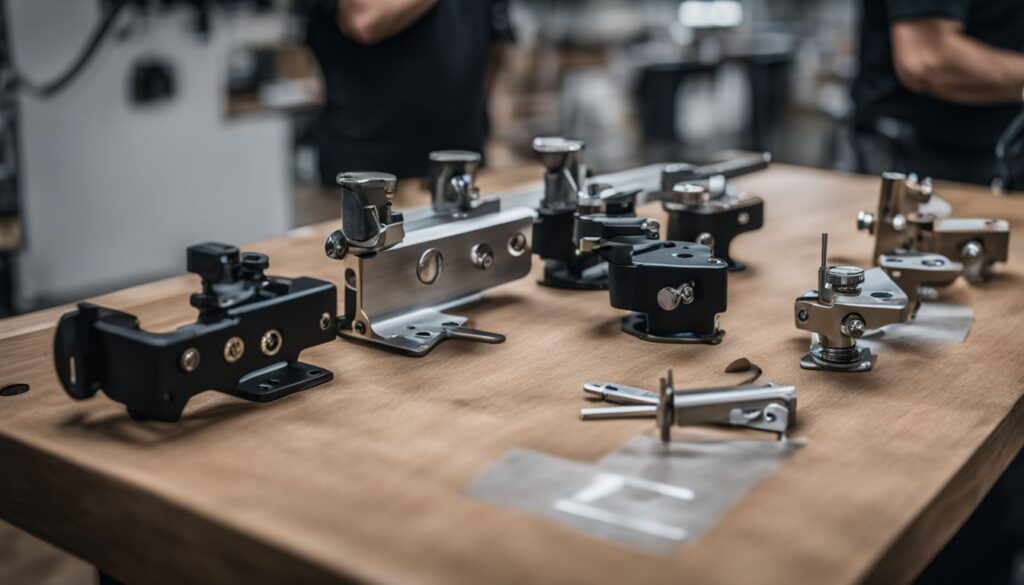
Locking brackets come in various types, including padlocks, box locks, and safety lockout hasps. To gain a deeper understanding of each type and their specific applications, read on for more details.
Padlocks
Padlocks play a crucial role in securing hazardous energy sources during maintenance or repair work. They are used to prevent the accidental startup of machinery, ensuring employee safety and compliance with HSE regulations.
The use of padlocks provides a visual cue that equipment is being serviced, alerting workers to potential dangers. Regular inspection and proper maintenance of padlocks are essential for their effective function, further enhancing workplace safety and reducing the risk of accidents.
Business owners can choose from a variety of padlock options depending on their specific needs, including keyed-different, keyed-alike, or master-keyed systems. Implementing the right type of padlock based on operational requirements is important for creating a safe work environment while adhering to HSE compliance standards.
Box Locks
Transitioning from padlocks, box locks provide an additional layer of security for hazardous equipment. Designed to enhance workplace safety, these robust locking mechanisms are tailored towards preventing unauthorised access and ensuring compliance with safety regulations.
Implementing box locks not only safeguards employees but also underpins a culture of safety in the workplace by reducing the risk of accidents and injuries associated with hazardous machinery.
The use of box locks is advisable across various industries where equipment maintenance and isolation play a crucial role in enhancing operational safety and mitigating potential risks.
Safety Lockout Hasps
Transitioning from box locks, safety lockout hasps are essential devices that enforce a secure lockout/tagout system. These sturdy tools provide an effective way to control energy sources during maintenance or repair tasks.
Safety lockout hasps allow multiple workers to attach their padlocks, ensuring the equipment remains inoperable until all work is complete and the locks are removed. This adds an extra layer of security when dealing with hazardous machinery, promoting a safer workplace environment and compliance with HSE regulations.
These versatile devices play a crucial role in preventing accidental re-energisation of equipment by providing a visible indication that maintenance work is being performed. They facilitate clear communication among workers, enhancing operational safety and minimising the risk of accidents caused by unexpected machine activation.
The Advantages of Using Locking Brackets

Using locking brackets offers significant advantages in ensuring worker safety and cost-effectiveness. Enhancing workplace security and preventing unauthorised access are primary benefits of their usage.
Ensuring Worker Safety
To ensure worker safety, it is crucial to regularly inspect and maintain locking brackets. This includes general maintenance to keep them in good working condition, as well as periodic inspections to identify any signs of wear or damage.
Providing comprehensive training and education on the proper use of locking brackets is essential for employees, enabling them to understand their importance in preventing workplace hazards.
Utilising different types of locking brackets such as padlocks, box locks, and safety lockout hasps can further enhance worker safety by offering tailored solutions for different workplace needs.
Cost-effectiveness
Transitioning from ensuring worker safety to examining cost-effectiveness, it is essential for business owners to understand that investing in locking brackets not only safeguards employee well-being but also proves to be a cost-effective measure.
By preventing workplace accidents and the associated expenses such as medical costs, productivity loss, and potential legal implications, locking brackets serve as a prudent investment for long-term financial stability.
Additionally, the implementation of locking brackets demonstrates a commitment to health and safety compliance standards, contributing positively to the overall workplace culture and reducing potential liabilities.
Navigating the Lockout/Tagout (LOTO) Landscape
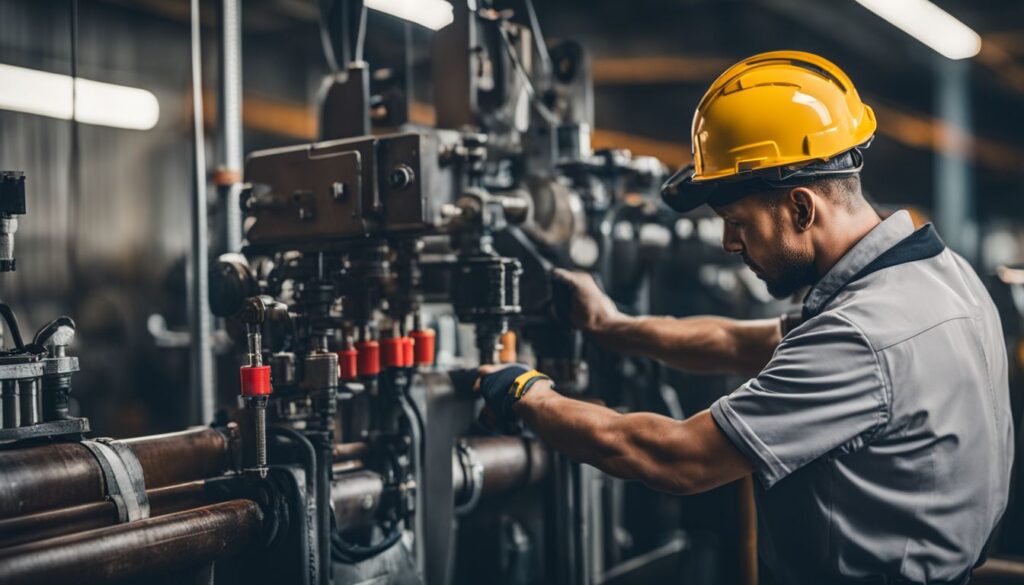
Navigating the Lockout/Tagout (LOTO) landscape involves understanding the regulatory framework, conducting risk assessments, and implementing effective safety protocols. We must ensure that appropriate lockout/tagout procedures are in place for each piece of equipment to prevent unexpected start-ups or releases of hazardous energy.
Regular training sessions should be conducted to educate employees on LOTO procedures and ensure compliance with HSE regulations.
Creating a comprehensive LOTO programme requires a detailed understanding of potential energy sources and the development of specific procedures that address each hazard. Adequate documentation and periodic review are essential to guaranteeing ongoing safety and compliance within our workplace.
Seven steps to building a positive workplace safety culture

To build a positive workplace safety culture, analyse incident data, lead by example, provide safety training, normalise safety discussions and foster employee participation. Communicate policies clearly, emphasise accountability.
Analyse your incident data
Analyse your incident data to identify patterns and root causes of workplace accidents. Look for trends in the type and frequency of incidents, as well as any common contributing factors.
Utilise this data to implement targeted safety measures that address the specific risks present in your work environment. By taking a proactive approach to addressing hazards, you can prevent future incidents and foster a safer workplace for all employees.
Implementing these insights into safety protocols will not only protect your workforce but also enhance overall productivity by reducing downtime due to accidents. Emphasising continuous analysis and improvement based on incident data is key to creating a culture of safety within your organisation, demonstrating a commitment to employee well-being and HSE compliance.
Lead by example
To create a robust workplace safety culture, we lead by example. Our actions, attitudes, and commitment to safety set the standard for our teams. When we prioritise safety in all aspects of our work – from following lockout procedures meticulously to actively participating in safety discussions – we demonstrate the importance of workplace security measures.
By embodying a proactive approach to occupational health and safety compliance, not only do we ensure employee well-being but also encourage others to adopt the same mindset.
In leading by example, we foster an environment where everyone feels accountable for maintaining high safety standards and preventing workplace hazards. This approach underpins a positive safety culture that drives productivity and reduces accident risks.
Provide safety training
Moving from leading by example to providing safety training is crucial for building a strong safety culture in the workplace. Educating employees on proper lockout/tagout (LOTO) procedures and the correct use of locking brackets is essential in preventing accidents and promoting a safe work environment.
We recommend conducting regular safety training sessions incorporating hands-on demonstrations, practical exercises, and real-life scenarios to ensure that all employees understand the importance of using locking brackets correctly.
Business owners should actively invest in comprehensive safety training programmes tailored to address specific workplace hazards and incorporate industry best practices. These programmes can further reinforce employee awareness, improve adherence to safety protocols, and reduce the likelihood of workplace incidents.
Normalise safety discussions
To create a workplace culture that prioritises safety, we actively encourage ongoing discussions about safety concerns and best practices. We engage in open conversations to address potential hazards and ensure that everyone feels comfortable sharing their input on safety-related matters.
By regularly normalising safety discussions, we foster an environment where employees are empowered to contribute ideas for improving workplace safety. This proactive approach not only reinforces the importance of safety but also demonstrates our commitment to creating a safe and secure work environment for all.
We initiate structured forums or group meetings specifically focused on discussing safety topics, allowing employees to express their thoughts and share suggestions regarding potential improvements.
Foster employee participation
We encourage involving employees in safety initiatives to cultivate a culture of ownership and responsibility. Empowering them to contribute ideas for hazard control measures not only enhances workplace safety but also boosts morale, productivity, and overall engagement.
Actively engaging with team members creates a shared commitment to maintaining a safe work environment, ensuring that everyone feels heard and valued. By fostering employee participation, we can collectively reinforce our safety protocols and strengthen our safety culture while promoting continuous improvement and innovation in prevention strategies.
Communicate policies clearly
To ensure a safe work environment, it is essential to clearly communicate your workplace safety policies. This involves using simple and easily understandable language to articulate the procedures and guidelines that need to be followed.
Regular updates and reminders can help reinforce these policies, ensuring that they remain at the forefront of everyone’s minds.
Clear communication also involves providing access to relevant documentation and resources that outline safety protocols. Implementing an open-door policy for employees to ask questions or seek clarification on any safety-related concerns can further enhance understanding and compliance with these policies.
Emphasise accountability
To ensure a culture of safety, we must emphasise accountability among all employees. Employees should take ownership of their actions and be responsible for following safety protocols.
This can be achieved by providing clear expectations, enforcing consequences for non-compliance, and recognising and rewarding individuals who consistently uphold safety standards.
Moreover, regular training sessions on safety procedures and accountability should be conducted to keep the importance of workplace safety at the forefront of everyone’s minds.
Ultimate Guide to Locksafe Locking Brackets and Battery Isolation Switches

Locksafe locking brackets and battery isolation switches are crucial components for workplace safety. They provide a secure method to isolate energy sources, preventing accidental startup of equipment during maintenance or repair.
Locksafe locking brackets come in various types such as padlocks, box locks, and safety lockout hasps, offering tailored solutions for different workplace needs.
Battery isolation switches play a vital role in ensuring worker safety when working with electrical systems. By isolating the power source from the circuit or machinery being serviced, these switches prevent potential electrical hazards and protect employees from harm.
Understanding the types and proper usage of locking brackets and battery isolation switches is essential for maintaining a safe work environment compliant with health and safety regulations.
Conclusion

Locking brackets play a crucial role in creating a culture of safety in the workplace. By ensuring employee safety and compliance with regulations, they underpin an ever-evolving safety landscape.
The types and advantages of locking brackets have been meticulously detailed to enhance workplace security measures. Now, let’s delve into building a positive workplace safety culture through practical strategies such as analysing incident data and fostering employee participation.
How can you apply these methods to strengthen your own workplace’s safety protocols? Consider seeking further insights on this vital subject for the betterment of your work environment.


