
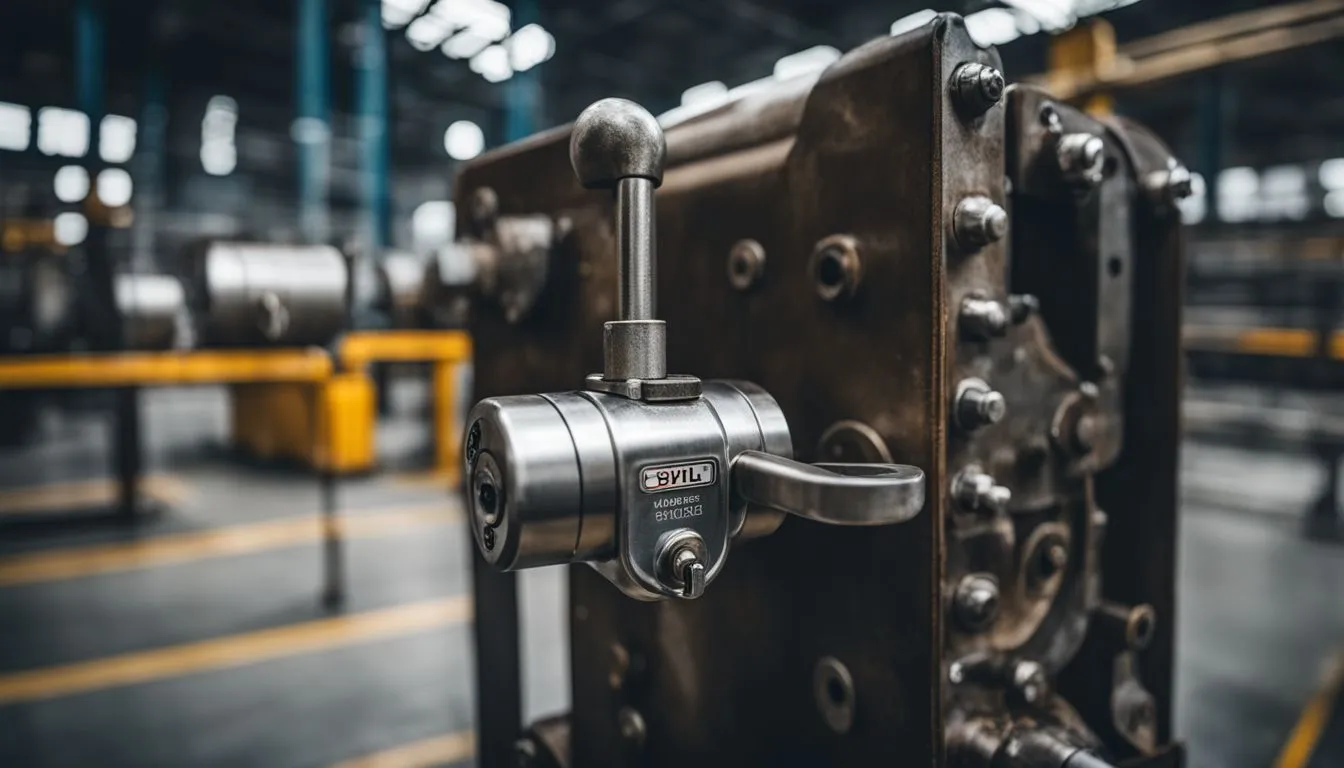

Many businesses find themselves walking the tightrope between keeping things safe and ticking along efficiently. They know all too well that it’s a bit of a sticky situation, especially when you learn that more than a quarter of workplace niggles involve machinery or bits and pieces like locking brackets.
Our deep dive into this issue has unearthed some solid strategies for knitting together your business aims with top-notch safety practices around such equipment. This yarn will take you through weaving locking bracket safety seamlessly into your broader business objectives.
Prepare to lift the safety game at your workplace up another notch!
The Importance of Aligning Safety Initiatives with Business Objectives
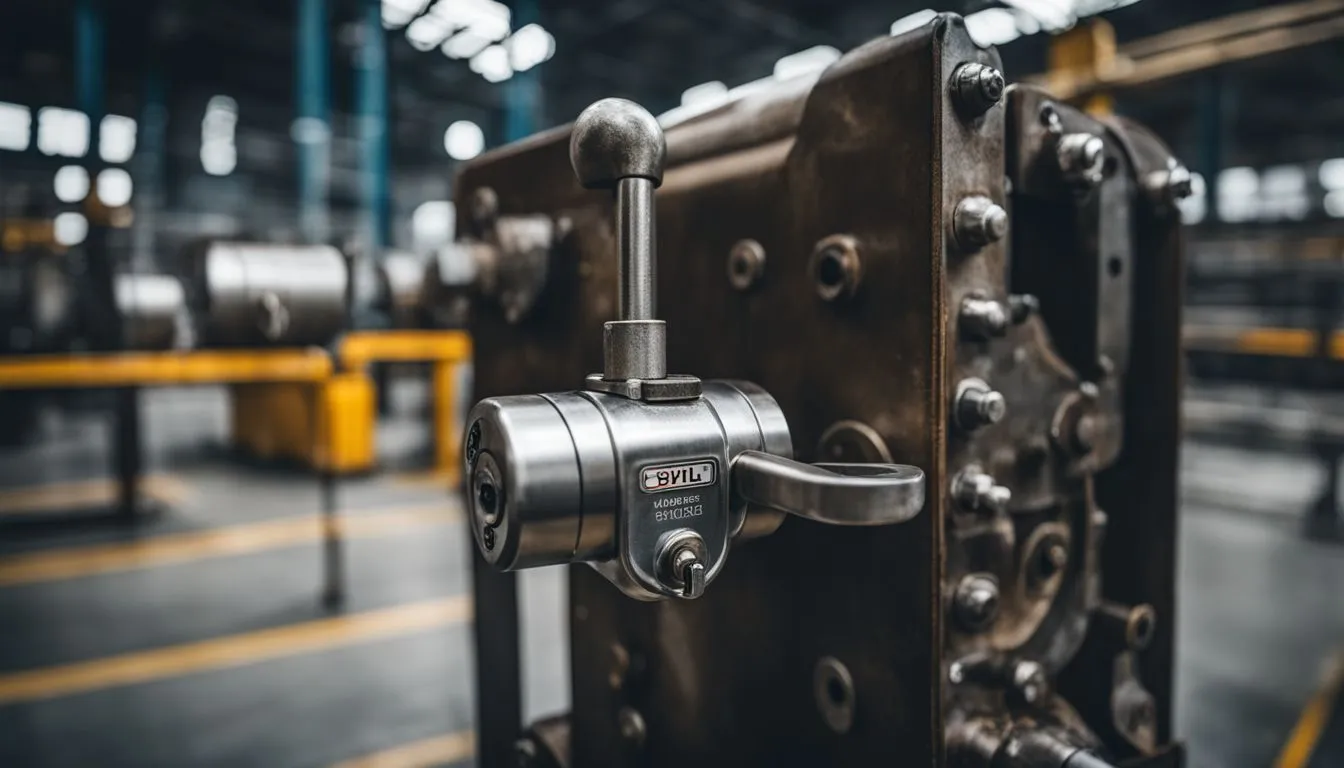
We understand that aligning safety initiatives with business objectives stands as a critical strategy for fostering both employee welfare and company success. Safety measures, including the adoption of locking brackets, directly contribute to creating a secure work environment.
This alignment ensures that every safety protocol not only protects our team but also supports our overall business goals. A well-integrated approach helps us manage risks more effectively and boosts our organisational resilience.
Focusing on safety innovation while keeping an eye on business outcomes enables us to drive efficiency across all operations. It turns out securing clamp solutions and other safety innovations are not just about compliance; they’re investments in our company’s future.
By making these aligned efforts, we set a foundation for sustainable growth, showcasing how prioritising workplace safety is indeed smart business practice. Our commitment to this integration lays down clear pathways for achieving excellence in occupational health and safety without compromising on reaching our strategic milestones.
Steps to Align Safety Innovations with Company Goals

Assessing current safety performance, defining safety innovation objectives, exploring and evaluating potential safety innovations, and implementing these innovations are crucial steps to ensure alignment with company goals.
Effective communication and teamwork play a pivotal role in driving the successful integration of safety initiatives with business objectives.
Assess Current Safety Performance
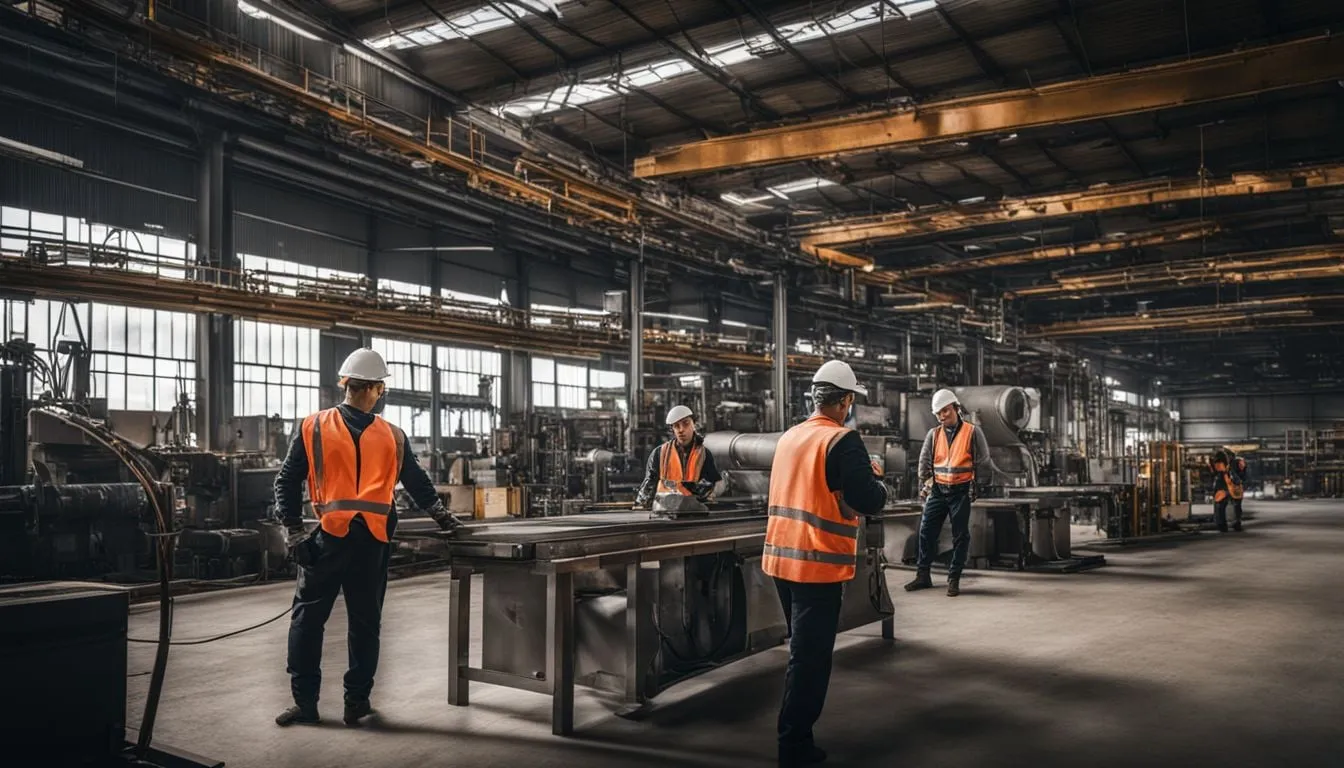
We start by taking a close look at our current safety performance, focusing on the areas where locking brackets and other safety measures play a crucial role. This involves reviewing past incident reports, evaluating the effectiveness of existing safety protocols, and identifying any gaps in our security measures.
Through this process, we gain valuable insights into how well our current strategies protect employees and assets.
Next, we measure our safety performance against industry standards and best practices. Comparing ourselves with peers helps us understand where we stand on occupational health and safety.
It pushes us to set realistic but ambitious targets for improvement. We consider factors like the frequency of accidents, response times to emergencies, and employee feedback on workplace safety.
These steps form the foundation for aligning business objectives with enhanced locking bracket safety initiatives.
Define Safety Innovation Objectives

Setting clear safety innovation objectives is crucial in our approach to aligning business goals with locking bracket safety initiatives. We aim to identify specific, measurable targets that tackle both present and potential safety risks in the workplace.
This involves understanding the unique needs of our business and tailoring our objectives to reduce accidents, enhance security measures, and foster a culture of safety among employees.
Our next step focuses on exploring and evaluating potential safety innovations. By keeping our objectives in mind, we ensure that any new safety measures or technologies we consider are directly linked to improving our overall safety performance while also supporting our broader business strategies.
This strategic alignment ensures that every action taken contributes positively towards creating a safer work environment and achieving our company goals.
Explore and Evaluate Potential Safety Innovations

Exploring and evaluating potential safety innovations is essential for aligning them with our business objectives. We ensure that each step in this process contributes positively towards enhancing workplace safety and achieving our company goals. Here’s how we tackle this crucial phase:
- Conduct a thorough market research: We start by looking into the latest trends in safety technology, focusing on innovations that could be applicable to our industry. This involves examining new locking brackets, safety management systems, and other security measures that promise improved efficiency and safety.
- Engage with industry experts: We consult professionals who specialise in occupational health and safety to gain insights into which innovations have been successful elsewhere. Their expertise helps us identify practical and effective solutions for our specific needs.
- Assess compatibility with existing systems: Any new innovation must seamlessly integrate with our current safety protocols and procedures. We evaluate how well potential innovations can be incorporated without disrupting existing operations.
- Pilot testing of selected innovations: Before full implementation, we conduct pilot tests on shortlisted safety solutions to measure their impact and effectiveness in real-world scenarios. This allows us to make informed decisions based on actual performance data.
- Consider employee feedback: As the ones interacting directly with these safety innovations, employee input is invaluable. We gather feedback from our team members on ease of use, perceived effectiveness, and any concerns they might have.
- Analyse cost-effectiveness and ROI: It’s crucial that the benefits of implementing a new safety innovation justify the investment required. We carefully review cost implications against potential improvements in safety outcomes and productivity gains.
- Review compliance with regulations: Ensuring any new system or technology adheres to local and international occupational health and safety regulations is paramount. Compliance checks are integral to our evaluation process.
- Make adjustments based on findings: Following thorough exploration and evaluation, we fine-tune chosen innovations based on test results, feedback, and compliance requirements to ensure they meet our specific needs as effectively as possible.
Moving forward from exploring potential safety innovations requires a solid plan for implementation – another vital step towards improving workplace security through strategic alignment with business objectives.
Implementation of Safety Innovations
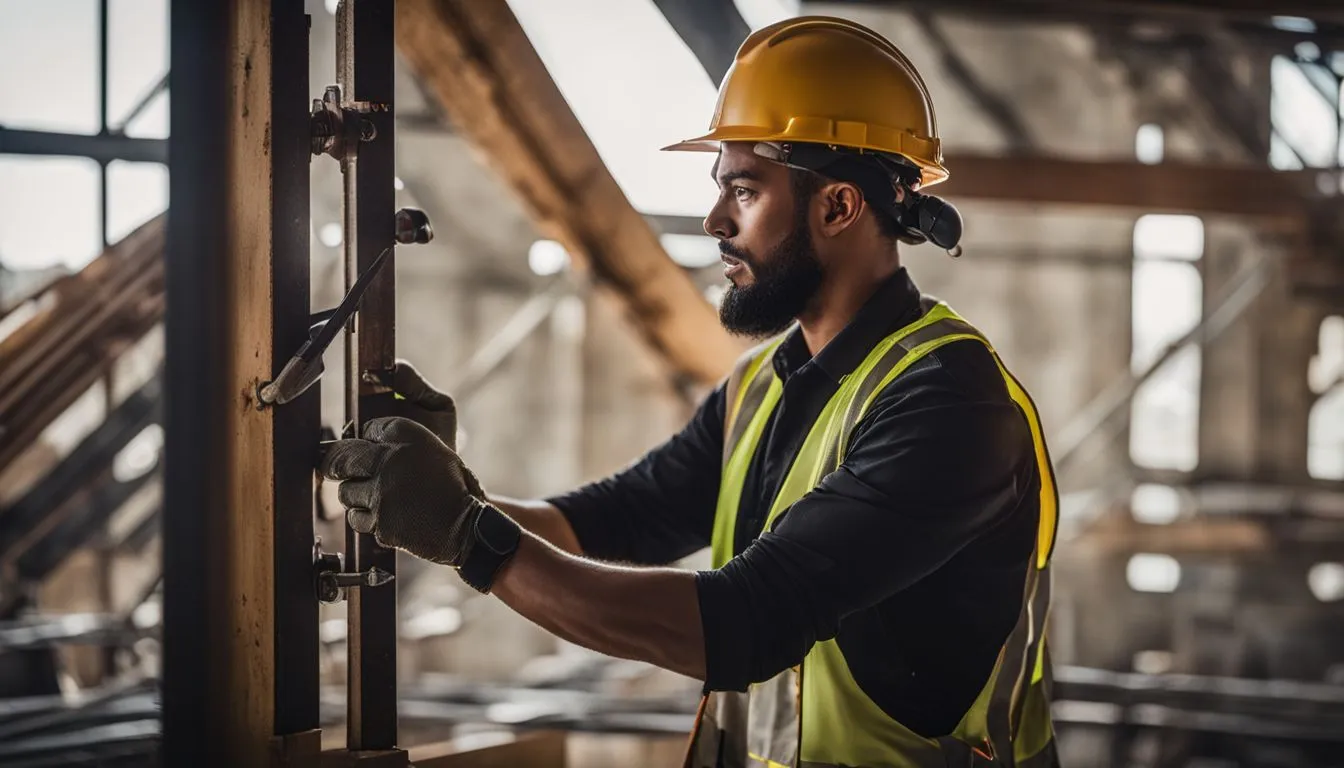
Implementing safety innovations within our businesses is crucial for protecting our workforce while aligning with business objectives. Locking bracket safety initiatives, for example, serve as a prime model for enhancing workplace security and streamlining operations. Here’s how we can effectively put these safety measures into action:
- Pilot Testing: Before full-scale implementation, conducting pilot tests of the locking brackets in select areas or departments helps us identify potential issues. This step ensures the innovations fit seamlessly into our existing operations without disrupting productivity.
- Training Sessions: We organise comprehensive training sessions for all employees on safely using new locking brackets. These workshops cover operation procedures, safety protocols, and the importance of compliance, ensuring everyone understands their role in maintaining a safe work environment.
- Integration with Safety Protocols: We incorporate locking brackets into our company’s official safety management systems. This integration demonstrates our commitment to safety and ensures consistent application across all aspects of our business.
- Clear Communication Channels: Establishing open lines of communication encourages feedback from employees about the locking brackets’ usability and effectiveness. Listening to our team helps us make necessary adjustments and fosters a culture of safety-first thinking.
- Regular Safety Audits: Conducting regular audits allows us to assess how well the locking brackets are performing in terms of reducing accidents and improving overall safety performance.
- Performance Metrics Assessment: Setting clear metrics helps us measure the success of implemented safety innovations against pre-defined objectives. Tracking improvements, or identifying shortcomings, enables timely modifications to enhance efficiency and effectiveness.
- Update Risk Management Plans: We revise risk management plans to include processes related to locking brackets, ensuring that new safety risks are identified, assessed, and managed proactively.
- Engage Safety Leadership Teams: Our safety leadership teams play an essential role in overseeing the implementation process, offering expertise, guidance, and support to ensure alignment with broader business strategies and objectives.
Through careful planning and execution of these steps, we can ensure that implementing locking bracket safety initiatives not only contributes to creating safer workplaces but also aligns perfectly with achieving our overarching business goals.
The Role of Communication and Teamwork

Effective communication and teamwork serve as the backbone of successful safety initiatives. We understand that aligning business objectives with locking bracket safety measures calls for a clear exchange of ideas and collaborative effort among all team members.
This ensures that everyone is on the same page, from top management to front-line employees. Establishing open channels for feedback and dialogue enhances our ability to identify potential safety risks early and address them promptly.
We also invest in regular training sessions to bolster our team’s understanding of new security measures and protocols. Such efforts not only boost our collective knowledge but also reinforce a culture of safety within the workplace.
Moving forward, we’ll explore how integrating locking brackets can further foster this culture, ensuring that our work environment remains safe and secure for everyone involved.
How Locking Brackets Create a Culture of Safety in the Workplace

Locking brackets serve as a key tool in establishing a culture of safety within any workplace. They act as both a physical and psychological barrier against accidents, reinforcing the commitment to keeping employees safe.
By integrating these secure clamp devices into our daily routines, we not only comply with safety regulations but also foster an environment where every team member is aware of their role in maintaining security measures.
Introducing locking bracket safety initiatives starts with clear communication about their importance and practical training on how to properly use them. This approach ensures that everyone understands the significance of lockout procedures as part of our broader business strategy for mitigating risk.
As we consistently apply these safety protocols, it becomes second nature for our teams, creating a workplace where occupational health and safety are at the forefront of what we do every day.
This culture shift towards prioritising safety aligns perfectly with achieving our business objectives by preventing costly accidents and sustaining high levels of productivity among workers.
Customising Safety Initiatives

Customising safety initiatives involves tailoring safety measures and protocols to suit the specific needs and challenges of your business. This ensures that your safety strategies are aligned with your business goals and address the unique risks and regulations within your industry.
- Tailor Safety Measures: Customise safety protocols to address the specific hazards and risks present in your workplace, ensuring that they are practical and effective for your operations.
- Industry-Specific Adaptations: Consider how to customise safety initiatives to align with industry-specific standards and regulations, integrating best practices from within your sector.
- Employee Engagement: Involve employees in the customisation process, seeking input on potential improvements or adjustments that can enhance overall effectiveness.
- Continuous Improvement: Implement a system for continual evaluation and refinement of safety initiatives, ensuring that they remain adaptable to changing circumstances.
- Training Programmes: Develop customised training programmes tailored towards equipping employees with the skills necessary to effectively implement and adhere to safety measures.
- Regulatory Compliance: Ensure that customised safety initiatives align with all relevant safety regulations, promoting a proactive approach to compliance management.
Importance of Monitoring and Measuring Performance

Monitoring and measuring performance is paramount for evaluating the effectiveness of safety initiatives and their alignment with business objectives. Regular assessment allows us to identify areas for improvement, measure the impact of implemented safety innovations, and make informed decisions based on actual data.
It ensures that safety measures are not only meeting regulatory compliance but also contributing positively to the overall business strategy.
By actively gauging our safety performance, we can continuously optimise our security protocols in line with evolving workplace dynamics and industry standards. This proactive approach enables us to adapt quickly to new challenges, mitigate risks effectively, and foster a culture of continuous improvement within the organisation.
Moving forward to “8. Benefits of Aligning Business Objectives with Safety Initiatives,” let’s explore how this strategic alignment reaps substantial advantages across different facets of operations.
Benefits of Aligning Business Objectives with Safety Initiatives

Aligning business objectives with safety initiatives yields numerous benefits. It enhances workplace morale, increases productivity, and reduces lost time due to accidents. When aligned with company goals, safety measures bolster employee commitment and satisfaction.
This approach minimises risk factors and reinforces a positive work culture, ultimately leading to improved business performance. Furthermore, integrating safety goals with overall business objectives fosters greater accountability among employees and ensures smoother operations throughout the organisation.
Such alignment also strengthens a company’s reputation as one that prioritises the welfare of its workforce while staying committed to achieving its strategic aims.
Conclusion

In conclusion, aligning business objectives with safety initiatives is crucial for ensuring a secure and efficient workplace. We’ve discussed practical steps to integrate safety innovations with company goals, emphasising the simplicity and effectiveness of these strategies.
The importance of this alignment cannot be overstated as it can lead to significant improvements in safety performance and risk management. Business owners should consider exploring further resources or services to deepen their understanding of integrating security measures with business objectives.
Now is the time to take action and make safety a top priority in your organisation.
For more insights into fostering a safer work environment, visit our detailed piece on how locking brackets create a culture of safety in the workplace.
Sorting out lockout for your own site?
Describe what needs isolating and we'll help you work out the setup that fits.