
Meeting safety standards at work can be a bit of a headache, right? We’ve been through the wringer ourselves and realised that there’s one little hero often missing from the conversation: locking brackets.
This yarn is about how these nifty gadgets not only help you tick all the legal boxes but also keep your workplace safer than a kangaroo in its mum’s pouch. Keen to find out more?.
Understanding the Role of Locking Brackets

Moving from the basic introduction to the more specific functionalities, locking brackets play a crucial role in workplace safety and regulatory compliance. These devices secure scaffolding, machinery, and other equipment firmly in place, preventing accidental movements that could lead to hazardous situations.
They serve as an essential component in maintaining structural integrity and ensuring that all operational activities uphold the highest safety standards.
Locking brackets also facilitate adherence to various legal requirements and health and safety regulations. By employing locking mechanisms that are compliant with regulatory standards, businesses safeguard their operations against potential fines or legal actions stemming from non-compliance issues.
Moreover, these brackets contribute significantly to hazard prevention by providing reliable edge protection and isolator lock functions which are fundamental for staff compliance with workplace safety protocols.
Importance of Locking Brackets for Regulatory Compliance

Locking brackets play a crucial role in ensuring regulatory compliance by safeguarding employee safety and upholding workplace health and safety (WHS) regulations. Compliance with these standards is essential for staff policy adherence, building regulation compliance, and retaining policies.
Ensuring Employee Safety
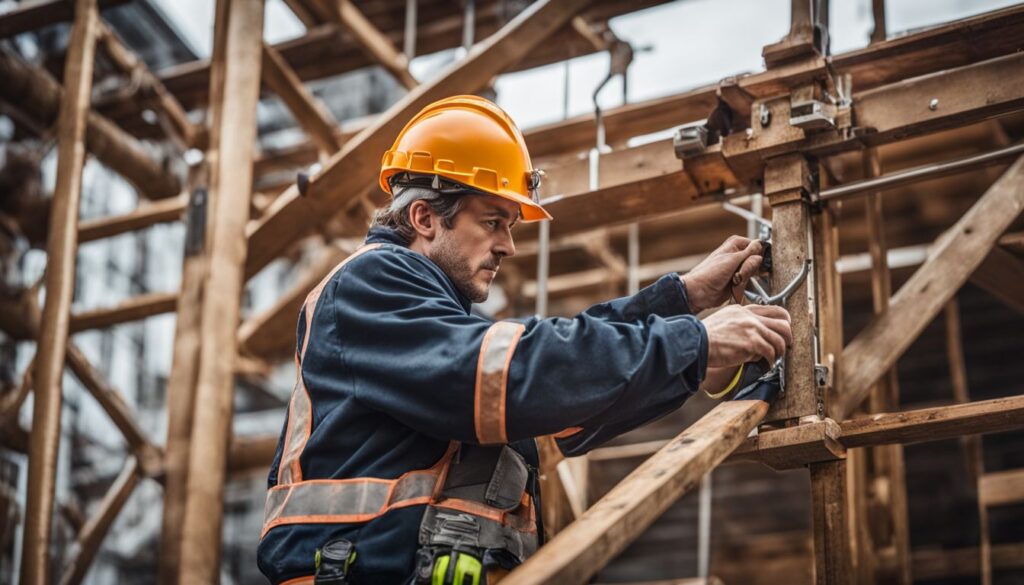
We take employee safety seriously, ensuring that every member of our team can work in a secure environment. Our use of locking brackets plays a critical role in this commitment. These devices help prevent accidents by securing scaffolding and other equipment firmly in place, significantly reducing the risk of workplace injuries.
Establishing a safe workspace aligns with both our ethical responsibilities and legal obligations concerning Workplace Health and Safety (WHS) regulations.
Our adherence to regulatory compliance through locking brackets not only protects staff but also helps us maintain a culture of safety at work. By implementing these safety measures, we contribute to creating an environment where employees feel valued and protected.
This approach not only meets hazard safeguarding standards but also reinforces staff policy adherence, making it clear that we prioritise their well-being above all else. Through continuous education about the importance of locking mechanisms and strict enforcement of retention policies, we ensure that each project upholds the highest level of safety for everyone involved.
Compliance with Workplace Health and Safety (WHS) Regulations

Ensuring compliance with Workplace Health and Safety (WHS) regulations is a critical responsibility for all of us in business. Locking brackets play a significant role in meeting these legal requirements by safeguarding against hazards and ensuring the safety of our staff.
Their use helps prevent accidents on sites, such as scaffolding collapses or machinery operation mishaps, aligning closely with WHS standards that emphasise hazard prevention and staff policy adherence.
Moreover, incorporating locking devices into our safety protocols not only protects employees but also showcases our commitment to maintaining a secure working environment. This dedication can significantly reduce the risk of non-compliance penalties while reinforcing the importance of health and safety within our team’s culture.
Utilising locking brackets effectively aids in fulfilling regulatory standards, making them an indispensable part of our hazard control measures and adherence protocols.
Real-World Applications of Locking Bracket Safety Protocols

Locking brackets play a critical role in ensuring workplace safety and regulatory adherence. We find their application across various industries, particularly where scaffolding and heavy machinery are in use.
For instance, construction sites rely heavily on these devices to secure scaffolding, preventing accidental collapses that could endanger workers below. This adherence not only safeguards staff but also ensures compliance with strict building regulations and scaffold management standards.
Through proper installation of locking brackets, businesses can significantly reduce the risk of onsite accidents, demonstrating a commitment to hazard prevention.
In the manufacturing sector, locking bracket safety protocols become vital for isolator lock systems and edge protection requirements. These applications help in maintaining the integrity of machinery by securing moveable parts during maintenance or when they’re not in operation.
By integrating locking devices within safety procedures, factories manage to adhere to Health Safety & Environment (HSE) compliance measures more effectively. The action of using such brackets as part of lockout tagout (LOTO) procedures exemplifies proactive steps taken towards eliminating workplace hazards and ensuring staff policy adherence at all times.
Maintenance and Inspection of Locking Brackets

Maintaining and inspecting locking brackets is crucial for ensuring their continued effectiveness in safeguarding against workplace hazards. Regular maintenance and periodic inspection are essential to uphold safety standards.
To learn more about the best practices for maintaining and inspecting locking brackets, continue reading.
General Maintenance

We always stress the importance of regular checks on locking brackets to ensure they are functioning correctly. Regular maintenance helps in preventing workplace accidents and adheres to HSE compliance, making it critical for keeping employees safe.
Our team inspects these devices for signs of wear and tear, ensuring they meet regulatory standards and scaffolding safety requirements.
Carrying out general maintenance includes tightening loose bolts, replacing any damaged components immediately, and cleaning the brackets to remove debris that might compromise their integrity.
These steps are vital for maintaining edge protection and bracket security. We document all maintenance activities as part of our retention policies, reinforcing staff policy adherence and legal requirements fulfilment.
By doing so, we contribute significantly towards hazard prevention and enhance overall workplace safety.
Periodic Inspection

Periodic inspection of locking brackets plays a crucial role in maintaining workplace safety and ensuring regulatory compliance. We conduct regular checks to identify any signs of wear, damage, or tampering that could compromise bracket security and staff safety.
This practice aligns with health and safety regulations, safeguarding against potential hazards.
Our team follows established protocols for these inspections, documenting findings and taking immediate action to address issues. This proactive approach to maintenance helps prevent accidents and ensures adherence to legal requirements for scaffolding safety, edge protection, and hazard prevention.
Through diligent inspection routines, we uphold our commitment to providing a secure work environment for all employees.
Locking Brackets in Hazard Control
Locking brackets serve as a critical tool in hazard control, ensuring that all equipment stays firmly in place to prevent accidents. We use these devices extensively across various industries to secure machinery, scaffolding, and other structures.
They provide edge protection requirements and scaffold management that comply with stringent regulatory standards, thus safeguarding our workplace from potential hazards.
Implementing locking brackets helps us adhere to lockout tagout procedures effectively. This practice is vital for isolating energy sources during maintenance or repair work, reducing the risk of accidental start-ups.
Our commitment to using these safety measures not only enhances staff compliance but also aligns with building regulation compliance and retention policies. Through their deployment, we maintain high levels of safety and regulatory adherence in our operations.
Adhering to Lockout Tagout (LOTO) Standards with Locking Brackets

Transitioning from safeguarding against hazards to adhering to LOTO standards, locking brackets continue playing a critical role in workplace safety. Ensuring strict adherence to lockout tagout procedures, locking brackets provide the security and regulation compliance essential for mitigating potential risks.
By incorporating these mechanisms into our safety protocols, we uphold the highest regulatory standards while maintaining a secure work environment for all staff members.
Conclusion
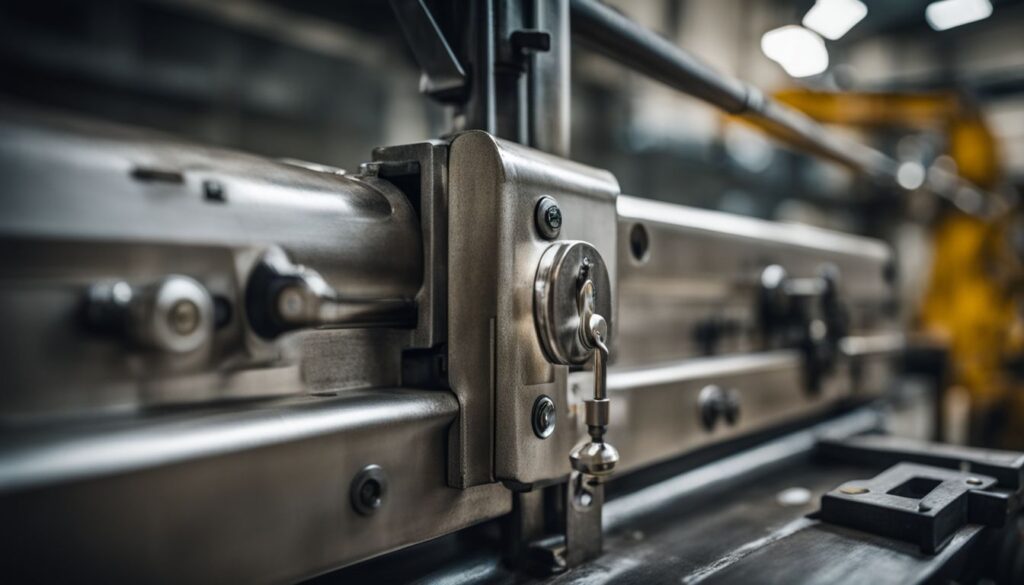
Locking brackets play a crucial role in ensuring regulatory adherence, promoting workplace safety, and compliance with building regulations. By employing these mechanisms, businesses can safeguard employees and prevent hazardous situations.
Locking brackets not only fulfil legal requirements but also contribute to hazard control and staff policy adherence. Their maintenance and periodic inspection are essential for sustaining effective hazard prevention.
Implementing locking brackets can enhance workplace safety measures while adhering to lockout tagout (LOTO) standards, firmly underpinning regulatory compliance.
For more detailed insights into how locking brackets are applied in industry settings, please visit Locksafe.


