


Finding the sweet spot between keeping things safe and not sending your mental health down the gurgler in tight spots is a real challenge. We know what it’s like because we’ve walked a mile in those shoes, finding out that over 40% of folks cop a fair whack of stress when they’re cooped up under strict safety measures.
This yarn will take you through the head trips caused by lock-down bracket safety protocols and chuck some ideas your way to soften the blow. Stick around for some tips that might just be a game changer.
Understanding Locking Bracket Safety Measures

Locking bracket safety measures play a crucial role in ensuring the physical security and psychological wellbeing of individuals in various settings, including mental health units and workplaces.
These mechanisms are designed to prevent unauthorised access or escape, establishing a controlled environment that safeguards both staff and those within the confined space. We focus on implementing these systems not just for regulatory adherence but also with attention to minimising undue stress or anxiety among affected persons.
Our approach involves comprehensive risk management strategies that assess potential hazards and determine the most effective control measures. Utilising locking brackets forms part of our broader commitment to workplace safety and mental health support.
By carefully selecting appropriate restraint use according to specific needs, we ensure the highest standards of protection while fostering an atmosphere of respect and dignity for all individuals involved.
This method minimises risks associated with restraint, contributing significantly to emotional wellbeing and promoting positive behavioural outcomes across diverse environments.
Psychological Implications of Locking Bracket Safety Measures

Locking bracket safety measures can affect the psychological well-being of individuals, especially those in confinement. Emotional responses and coping strategies play a vital role in managing the impact.
Misconceptions about these measures can lead to misunderstandings and misinterpretations.
The impact on persons in confinement

People in confinement experience significant psychological impacts due to locking bracket safety measures. These individuals often deal with feelings of isolation, heightened anxiety, and a disrupted sense of normalcy.
Safety measures, while crucial for ensuring physical security, can inadvertently intensify stress levels among those confined. Workers and residents within mental health units or facilities implementing restraint use must navigate these emotional challenges daily.
Our team acknowledges the pressing need for balancing safety measures with considerations for emotional wellbeing. Strategies aimed at mitigating these psychological effects include promoting regular communication channels, offering support through mental health resources, and incorporating flexibility into visitor policies where possible.
Ensuring that every person retains a degree of personal freedom within the constraints posed by necessary safety measures stands paramount in our approach to risk management and maintaining psychological welfare in confined environments.
Emotional reactions and coping mechanisms
Turning from understanding the impact on those in confinement, we shift our focus to emotional reactions and coping mechanisms. Experiencing restraint or being in an environment with locking bracket safety measures can trigger a range of emotions, from anxiety to anger.
Individuals often react differently based on their psychological makeup and past experiences. Some may find the presence of such safety measures reassuring, a sign that efforts are being made to maintain security and well-being.
Others might feel trapped or controlled, leading to heightened stress levels.
We see various coping strategies emerge within confined environments. Communication plays a critical role in managing emotional wellbeing; expressing feelings and concerns can alleviate some of the psychological pressures associated with confinement.
Seeking support from peers or counsellors also provides an outlet for discussing fears and finding ways to adjust mentally to the situation. Engaging in routine exercise or mindfulness practices like meditation has proven beneficial in reducing anxiety and improving mood among those affected by safety measures.
These actions help individuals regain a sense of control over their environment, promoting emotional stability amidst challenging circumstances.
Misconceptions and realities
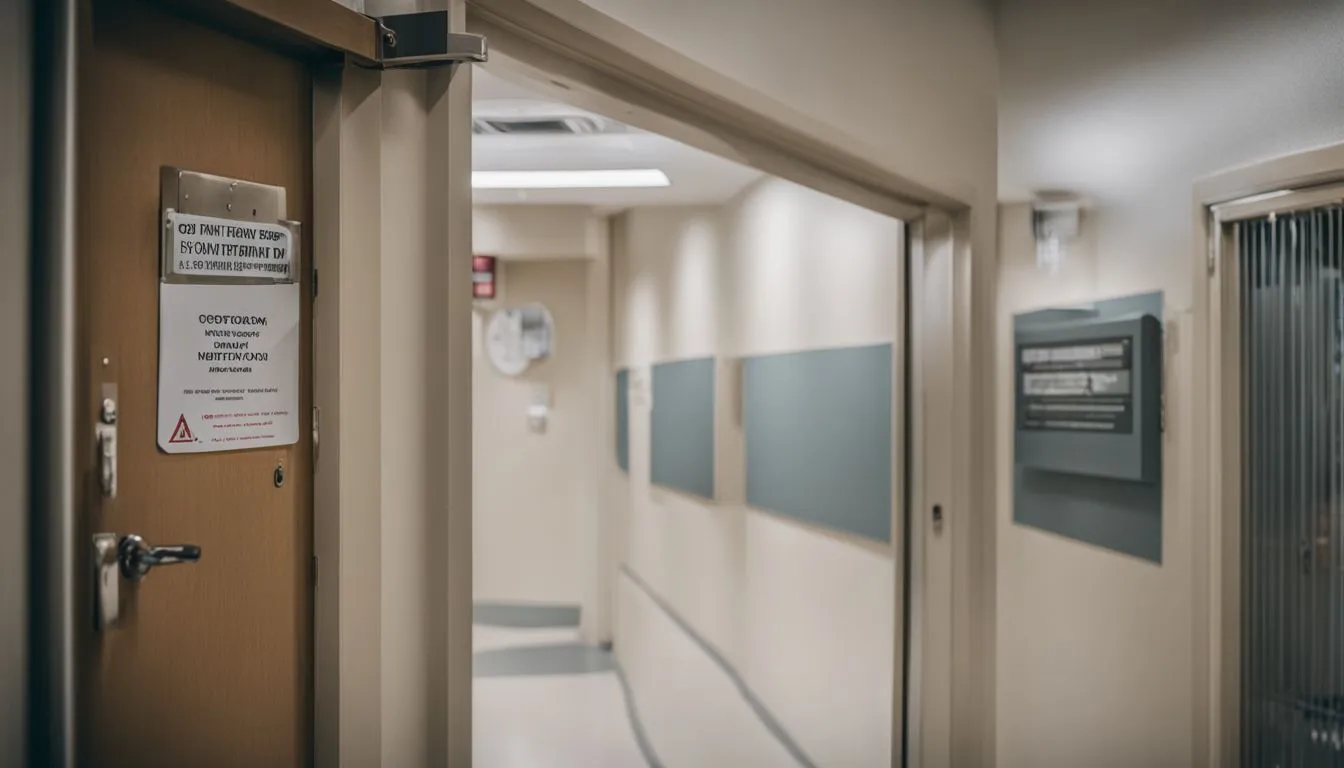
One common misconception about locking bracket safety measures is that they solely serve to restrict freedom and are a form of harsh discipline, especially in settings like mental health units or environments where child behaviour is managed.
In reality, these measures aim to ensure the safety and well-being of all individuals involved, including workers, visitors, and those restrained. They act as necessary control measures to manage risks and protect against hazards.
Many also wrongly assume that the use of restraints, such as locking brackets, negatively impacts psychological effects more than it benefits in terms of safety. However, with proper risk management strategies and adherence to regulations designed for workplace safety and mental health care environments, these tools can be part of an approach that balances security with emotional wellbeing.
The focus remains on minimising anxiety and promoting a positive patient experience while ensuring a safe environment for everyone.
How Locking Brackets Ensure Regulatory Adherence

Locking brackets serve as a critical tool in ensuring that safety measures in workplaces, including mental health units and areas requiring child behaviour management, comply with regulatory standards.
They provide a secure way to manage access and control over environments that could pose risks to both workers and those under care. This adherence to guidelines not only helps businesses avoid legal complications but also reassures staff and visitors of their safety.
We implement locking brackets across various settings, effectively reducing hazards associated with unrestricted access or escape. These devices are integral in managing risk, enhancing workplace safety, and contributing to the overall wellbeing of all individuals involved.
Their use aligns perfectly with our goals of upholding children’s rights, maintaining mental health stability, and ensuring an emotionally safe environment for everyone.
Control Measures and Implementation

Identify and assess risks to ensure workplace safety. Implement effective hazard control measures to mitigate potential risks and protect workers’ well-being. Personal protective equipment plays a crucial role in ensuring a safe work environment for employees.
Identification and assessment of risk

We take a proactive stance in identifying and assessing risks associated with locking bracket safety measures. Our team analyses the potential hazards that could arise, focusing on mental health units, workplace safety, and children’s rights.
We aim to pinpoint factors that might lead to adverse psychological effects or compromise the physical well-being of individuals involved.
Moving forward, our approach involves setting up effective hazard control strategies. This ensures we not only address identified risks but also bolster overall safety measures. Next, we delve into the specifics of implementing these controls effectively.
Implementing effective hazard control
Implementing effective hazard control is crucial for maintaining a safe environment, especially in workplaces and areas where locking brackets and other restraint measures are employed. As business owners, we understand that safeguarding our employees, clients, and anyone within our premises is a top priority. Here’s how we can achieve this:
- Conduct thorough risk assessments: We start by identifying potential hazards associated with locking brackets and safety measures. This involves examining all areas where these devices are used, understanding their operation, and assessing the likelihood of risks.
- Develop clear procedures: Once risks are identified, we formulate step-by-step procedures designed to mitigate them. These guidelines ensure everyone knows how to correctly use locking brackets, reducing the chance of misuse or accidental harm.
- Train staff adequately: Training is key to ensuring that all team members understand the hazards and know how to operate safety measures properly. This includes regular refresher courses to keep everyone up-to-date on best practices.
- Engage in open communication: We foster an environment where employees feel comfortable raising concerns about safety measures. Listening to feedback can reveal overlooked risks or opportunities for improvement.
- Monitor and review regularly: Effective hazard control requires ongoing attention. We implement monitoring systems to track the effectiveness of our controls and conduct regular reviews to identify any needed adjustments or updates.
- Use high-quality equipment: Investing in quality locking brackets and safety devices pays off by reducing failures that could lead to accidents or breaches in security.
- Implement emergency procedures: Despite our best efforts, incidents may occur. Having clear emergency protocols ensures a swift response, minimising harm and restoring safety quickly.
- Involve external experts when necessary: Sometimes, the complexity of hazards may be beyond our expertise. Seeking advice from health and safety professionals ensures our hazard controls meet industry standards.
Through these steps, we actively manage workplace risks associated with locking brackets and safety measures, promoting a secure environment for everyone involved.
The role of personal protective equipment
Personal protective equipment plays a critical role in ensuring the safety and well-being of individuals in confined environments. Implementing effective hazard control involves providing workers with appropriate personal protective equipment tailored to address specific workplace risks.
The use of personal protective equipment not only safeguards workers from potential hazards but also underpins a proactive approach towards risk management, contributing to a safer work environment.
Workers equipped with suitable personal protective equipment can confidently navigate workplace complexities, feeling more secure and empowered to carry out their duties. Properly selected and diligently used personal protective equipment actively contributes to mitigating workplace risks, enhancing both worker confidence and overall safety performance.
Mental Health Implications of Locking Bracket Safety Measures
Locking bracket safety measures can affect mental and emotional health in confined environments. They influence how individuals manage mental and emotional risks while impacting their overall sense of wellbeing.
Confined spaces call for tailored strategies to support psychological resilience.
Influence on mental and emotional health
Locking bracket safety measures can significantly impact the mental and emotional health of individuals in confined environments. Being subjected to restrictive measures, such as locked doors or physical restraints, can lead to feelings of anxiety, frustration, and a sense of loss of control.
Coping with these emotions is crucial for maintaining emotional wellbeing. It’s important to provide support systems and strategies for managing stress and promoting resilience in these challenging settings.
Understanding the psychological implications is essential for creating a safe and supportive environment. By recognising the potential impact on mental health, business owners can implement tailored interventions that address emotional needs alongside physical safety measures.
Managing mental health risk in confined environments
In confined environments, we actively monitor mental health risks and take proactive steps to address them. We encourage open communication and provide support mechanisms for individuals facing emotional strain.
By fostering a supportive environment, we aim to mitigate the impact of confinement on mental and emotional wellbeing. Our approach integrates psychological support measures into our safety protocols, creating a well-rounded system that safeguards both physical and mental health.
Implementing sound mental health practices in confined settings is essential to promoting overall wellness. We prioritise regular check-ins with individuals in these environments, encouraging self-expression and collaboration to address any arising concerns promptly.
Conclusion
We have explored the psychological implications of locking bracket safety measures, uncovering their impact on individuals in confinement and the emotional reactions they may elicit.
By identifying and assessing risks, implementing effective hazard control, and incorporating personal protective equipment, businesses can ensure regulatory adherence while safeguarding mental health.
The practical strategies discussed are easy to implement and carry significant potential for improvement within workplace safety protocols. Remember that these approaches not only influence mental and emotional wellbeing but also contribute to a positive work environment overall.
For further insights, consider exploring additional resources to deepen your understanding of this vital topic. With these proactive steps in mind, we motivate you to take action and make pivotal changes within your business operations.
For a more in-depth understanding of how locking brackets contribute to meeting safety standards, please visit our comprehensive guide on ensuring regulatory adherence with locking brackets.
Sorting out lockout for your own site?
Describe what needs isolating and we'll help you work out the setup that fits.