

Managing the myriad of risks in hazardous work environments feels like a daily game of chance for many of us, doesn’t it? We understand the struggle, trying to get our heads around all those safety protocols.
And did you have any idea that just getting your valve lockout procedures right could be the difference between a regular day at work and an absolute nightmare? Our yarn today is going to guide you through boosting workplace safety with top-notch valve lockout tactics.
Have a squiz and see how straightforward it can be to keep your mates safe on site.
Understanding Valve Lockouts

Valve lockouts are essential tools we use in controlling hazardous energy in the workplace. They help us isolate energy flow and prevent accidental activation of equipment during maintenance or repair work.
Think of these devices as safety locks; just as you would lock your house to keep out uninvited guests, we apply valve lockouts to ensure that valves stay closed and machines remain off.
We employ these mechanical safeguards across a variety of industries where the unexpected release of stored energy could result in serious harm. Each valve lockout device is designed to fit specific types of handles and levers, effectively securing them from being turned on by unauthorised personnel or automated systems.
Implementing stringent isolation procedures with these devices not only keeps our workers safe but also ensures we meet Occupational Safety and Health Administration (OSHA) compliance standards for industrial safety.
The Role of Valve Lockout Systems in Safety

Having explored what valve lockouts are, we now turn our focus to their critical role in safeguarding workplaces. Valve lockout systems stand as a vital barrier against the unintended release of hazardous energy during maintenance or repair work.
They effectively secure valves in an off position, ensuring that machinery remains inert and incapable of causing harm.
We implement these safety measures because accidents stemming from uncontrolled energy can have severe consequences. Lockout tagout procedures prevent such incidents by isolating energy sources, which is not just best practice but also an HSE compliance requirement in the UK.
Industrial safety hinges on strict adherence to these protocols, making valve lockouts non-negotiable for operations where the risk is significant. These devices offer peace of mind, knowing that equipment maintenance and workplace hazards are systematically managed for worker protection.
Benefits of Valve Lockout Systems

Valve lockout systems offer enhanced worker safety, compliance with regulations, and versatility in application. Click to discover how these benefits can improve safety in your workplace.
Enhanced Worker Safety

We take the wellbeing of our workforce seriously, and valve lockout systems are a cornerstone in protecting them from harm. Hazardous energy control is crucial; these devices effectively nullify risks by securing valves in an off position.
It’s about stopping accidents before they happen, preventing unexpected releases of dangerous energies such as electricity, steam, or chemicals. Our workers can operate with confidence, knowing they’re shielded from equipment that could cause serious injury.
Implementing robust safety measures like lockout tagout protocols not only reduces workplace injuries but also ensures we stay on the right side of occupational safety regulations.
Trust us to maintain a hazard-free environment using top-notch isolation procedures for every piece of machinery. Next up: compliance with regulations goes hand-in-hand with worker safety and is another critical benefit we’ll dive into.
Compliance with Regulations

Ensuring our operations align with safety regulations isn’t just about avoiding penalties; it’s a solid commitment to the well-being of every person on the worksite. Valve lockouts play a crucial role in this by helping us meet and often exceed standards set forth by organisations like OSHA.
We maintain meticulous adherence to these guidelines, not only because they are mandatory but because they serve as blueprints for creating an environment where every worker can carry out their duties without fear of unexpected energy releases from machinery or equipment.
Implementing robust valve lockout procedures provides peace of mind that we’re conducting business responsibly and ethically. Every team member understands the importance of following isolation procedures for safety, resulting in seamless operations that protect against workplace accidents.
Our dedication to industrial safety compliance is evident in our regular training sessions and investment in high-quality lockout devices—measures that ensure everyone returns home safely at the end of each working day.
Versatility in Application

Valve lockouts prove their worth across a myriad of industries, affirming their role as essential safety measures in dangerous workplaces. Whether it’s securing valves in petrochemical plants or managing water flow in waste treatment facilities, these devices adapt to various environments and valve types.
Their design allows for straightforward application on gate, ball, butterfly, and plug valves – we’re talking about one tool that can fit different sizes and handle configurations.
We see the use of valve lockouts extending beyond typical industrial settings into agricultural operations and construction sites. They play a pivotal part in equipment maintenance and isolation procedures for safety, ensuring hazardous energy control is maintained during repairs or inspections.
It’s not just about compliance with OSHA regulations; it’s also about providing universal solutions that keep workers safe regardless of where they are working or what machinery they operate.
Types of Valve Lockout Devices

- Ball Valve Lockouts: These devices clamp around the lever of ball valves, preventing them from being turned. They are simple to apply and come in various sizes, catering to different valve diameters.
- Gate Valve Lockouts: With a unique rotating design, these lockouts fit over gate valve handles, securing them in the off position. They accommodate a range of handle sizes and offer an extra security layer by completely encasing the valve wheel.
- Butterfly Valve Lockouts: These lockouts are designed for butterfly valves and work by clamping onto the valve rod, thereby restricting movement. Their adjustable designs can handle various rod thicknesses, making them versatile for different equipments.
- Plug Valve Lockouts: Fitting snugly over plug valves, these devices prevent access to the valve stem, blocking any potential operation. They’re particularly useful where the valve must be isolated during maintenance or repair tasks.
- Universal Valve Lockout Devices: They serve as an all-in-one solution capable of locking out several types of valves. Their modifiable features allow for adjustments to fit different sizes and shapes with ease.
- Adjustable Gate Valve Lockouts: For worksites with a variety of gate valve sizes, these lockouts adjust to fit a wide range of diameters without compromising on security during isolation procedures.
The Importance of Universal Valve Lockout
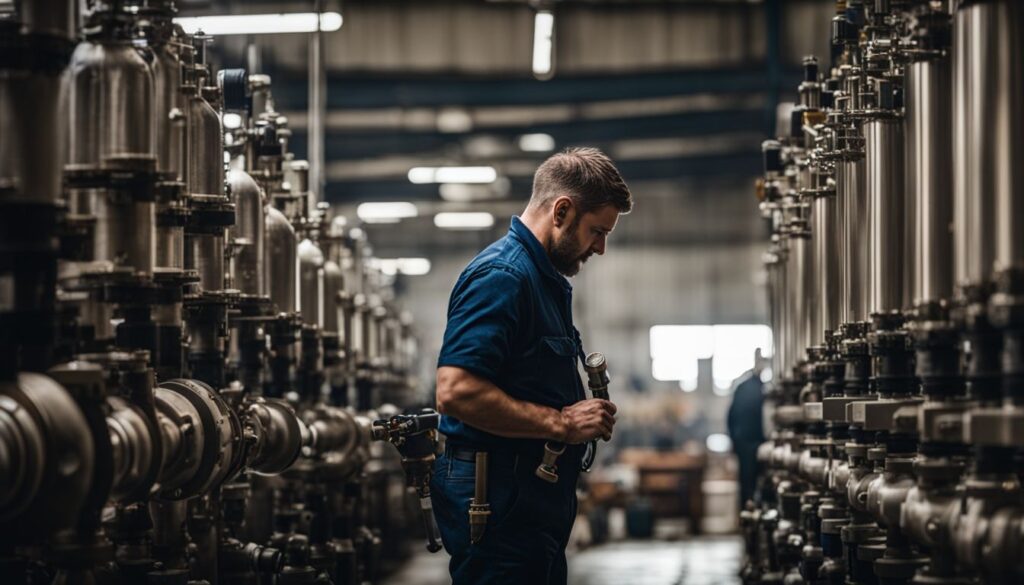
Valve lockouts stand as critical components of workplace safety, essential in managing hazardous energy and preventing accidents. Universal valve lockout systems bring an added value to the mix, offering compatibility across a wide range of valve types and sizes.
This adaptability ensures employees can secure various pieces of machinery with a single device, simplifying isolation procedures and bolstering safety measures.
These universal devices cater to the dynamic nature of industrial environments where different kinds of valves coexist. They embody efficiency by reducing the need for multiple lockout devices, streamlining equipment maintenance processes, while reinforcing occupational safety standards.
Adopting such versatile solutions paves the way towards achieving not just compliance with safety regulations like those mandated by OSHA but also cultivating a culture that prioritises worker protection above all else.
Let’s take a closer look now at how practical experiences have shaped our understanding over time; moving forward to insights from the field will shed light on real-world applications and benefits derived from comprehensive lockout systems including circuit breaker lockouts.
Insights from the Field: A Journey Through Lockout Systems (Including Circuit Breaker Lockouts)

As we ventured into various industrial settings, the practical advantages of implementing robust lockout systems became abundantly clear. Witnessing the versatility and effectiveness of circuit breaker lockouts in preventing hazardous energy releases reinforced our belief in their pivotal role in workplace safety measures.
The visual descriptions of how accidents were averted by these lockout systems serve as powerful motivation for business owners to prioritise the adoption of such safety procedures.
Engaging with maintenance personnel and observing first-hand the intricate isolation procedures not only highlighted the importance of machinery safety but also underscored HSE compliance as a non-negotiable aspect of operations in dangerous work environments.
These insights from the field solidify our conviction that understanding and embracing lockout tagout procedures can significantly reduce workplace hazards, ultimately fostering a safer industrial landscape.
Case Studies of Accidents Prevented by Valve Lockout

We have witnessed various accidents being averted by the implementation of valve lockout systems. Here are some detailed case studies illustrating real-life instances where valve lockouts played a crucial role in preventing workplace mishaps:
- A manufacturing plant successfully prevented a potentially catastrophic incident when a valve lockout device was used to isolate hazardous energy during maintenance work, averting a major equipment malfunction.
- In a chemical processing facility, the use of universal valve lockouts prevented an accidental release of hazardous substances, safeguarding not only workers but also preventing environmental contamination.
- An industrial site experienced no injuries during equipment repairs after implementing comprehensive training on proper valve lockout procedures and utilising reliable lockout devices for isolation.
- A power generation company avoided serious injuries when a prompt application of circuit breaker lockouts effectively isolated electrical sources during troubleshooting tasks.
- In an oil refinery, a valve lockout system proved to be instrumental in preventing potential fires and explosions by ensuring the proper isolation of pressurised pipelines during maintenance activities.
- Following the installation of high – quality valve lockout devices, an automotive assembly plant reported a significant reduction in workplace accidents related to machinery servicing and repair operations.
Conclusion

In conclusion, Valve Lockouts play a vital role in enhancing safety within dangerous work environments. With the implementation of valve lockout systems, businesses can significantly reduce workplace accidents and ensure compliance with OSHA regulations.
The practicality and efficiency of these strategies make them easy to implement while offering substantial benefits in terms of worker safety and accident prevention. How can you apply these essential measures in your own workplace? Consider the impact that universal valve lockout can have on improving overall industrial safety standards.
Let’s strive for a safer workspace by embracing these valuable tools and techniques.


