
Every year, we see too many accidents in our workplaces due to unmanaged hazardous energy. It’s a serious issue that hits close to home for many of us. That’s why we’re committed to tackling the problem head-on with solid prevention tactics—and there’s one thing that stands out: proper lockout safety procedures can prevent half of these incidents. Our article is chock-a-block with down-to-earth advice on how to implement top-notch safety measures with lockout/tagout practices, ensuring your crew stays safe. So have a squiz and give yourself the peace of mind that comes from knowing you’ve made your work environment as secure as it can be.

Importance of Lockout Safety Locks in Accident Prevention
Understanding the importance of lockout safety locks is crucial for preventing workplace accidents. By utilising isolation devices and avoiding common mistakes, businesses can establish comprehensive procedures to minimise the risk of injuries.
Understanding Isolation Devices
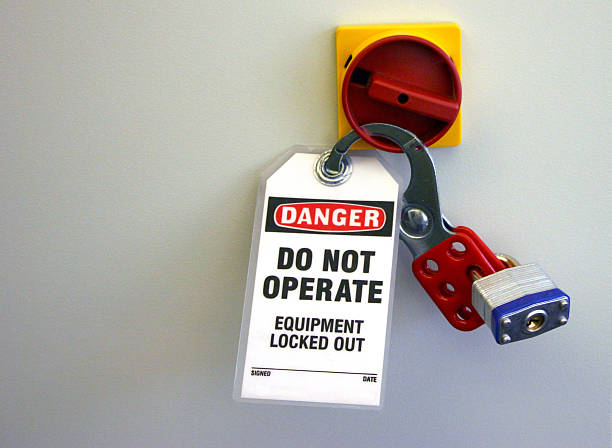
Isolation devices are crucial for ensuring workplace safety. They effectively separate workers from hazardous energy sources that can cause harm during maintenance or repairs. Think of these devices as advanced padlocks designed to secure electrical circuits, machines, and other types of equipment.
They prevent accidental startup or release of stored energy when someone is working on the system.
We use isolation devices as part of a comprehensive energy isolation procedure, which includes tagging out and locking out equipment. This process helps us control hazardous energy and reduces the risk to our team members who might come into contact with live circuits or moving parts during their work tasks.
With the right safety protocol compliance in place, we ensure everyone returns home safely at the end of each day. Let’s go deeper into common mistakes to avoid while implementing lockout/tagout measures next.
Common Mistakes to Avoid
- Neglecting to fully understand the isolation devices and their proper use can lead to accidental equipment start-up.
- Failing to conduct regular inspections and audits of lockout devices and procedures could result in ineffective safety measures.
- Overlooking employee training on lockout tagout procedures can lead to non – compliance and increased risk of accidents.
- Not establishing a comprehensive lockout tagout programme can leave gaps in safety procedures, compromising overall workplace safety.
- Ignoring the importance of advanced locking systems may result in inadequate hazardous energy control and increased risk for employees.
- Underestimating the significance of complying with workplace safety regulations could lead to legal issues and financial penalties.
Key Components of a Comprehensive Procedure
To ensure the effective implementation of lockout safety locks, it is crucial to understand the key components of a comprehensive procedure. These components help in establishing a robust lockout/tagout programme and minimising the risk of accidents and injuries. Here are the essential elements to consider:
- Clear Identification: Proper labelling and identification of energy isolation devices to ensure easy recognition for employees.
- Standardised Procedures: Developing and documenting standardised lockout/tagout procedures for each piece of equipment or machinery.
- Training and Awareness: Providing thorough training to employees on lockout/tagout procedures, including periodic refresher courses.
- Equipment Inventory: Maintaining an updated inventory of all equipment that requires lockout/tagout procedures.
- Compliance Audits: Conducting regular audits to ensure adherence to established lockout/tagout procedures and addressing any non-compliance issues promptly.
- Communication Plan: Implementing a robust communication plan to ensure that all employees are aware of ongoing lockout/tagout activities within the workplace.
Advantages of Using Lockout Safety Locks
Implementing lockout safety locks can lead to improved safety and reduced injuries in the workplace, as well as increased compliance with health and safety regulations. Additionally, utilising lockout safety locks can provide a cost-effective solution for accident prevention.
Improved Safety and Reduced Injuries
Lockout safety locks play a crucial role in improving workplace safety and reducing injuries. By effectively isolating equipment from energy sources, these locks prevent unexpected startup or release of stored energy, safeguarding employees from potential harm.
Implementing lockout procedures with safety locks enhances risk reduction measures, preventing accidents and ensuring the well-being of workers. This proactive approach not only complies with HSE standards but also fosters a secure work environment that prioritises occupational safety.
Using lockout safety locks can significantly lower the risk of accidents and injuries in industrial settings. When correctly applied, these security locks provide an additional layer of protection against electrical circuit hazards and other potential dangers associated with equipment operation.
Increased Compliance with Health and Safety Regulations
Lockout safety locks enhance compliance with health and safety regulations. They ensure that companies meet the required standards for workplace safety. By implementing lockout procedures and using safety locks, businesses demonstrate their commitment to providing a safe working environment, in line with Australian Workplace Health and Safety Regulations and OSHA Lockout/Tagout Standard.
Using lockout safety locks also satisfies regulatory requirements. It ensures that businesses adhere to the necessary safety protocols, reducing the risk of penalties from non-compliance issues.
By prioritising compliance through lockout safety measures, business owners can focus on creating a safer work environment while avoiding potential legal repercussions.
Cost-Effective Accident Prevention
Implementing lockout safety locks is a cost-effective strategy to prevent accidents in the workplace. By using these locks, businesses can reduce the likelihood of costly accidents and injuries caused by unexpected energy release from machinery or electrical circuits.
Lockout safety locks also help avoid potential fines and legal fees resulting from non-compliance with health and safety regulations. Additionally, they contribute to minimising downtime for repairs or investigations following an accident, saving valuable resources for the business.
Furthermore, integrating lockout safety locks into existing safety measures not only protects employees but also safeguards the company’s bottom line. These devices provide a practical and efficient solution for maintaining a safe work environment while preserving financial resources that would otherwise be spent on accident-related expenses.
Let’s explore how lockout safety measures align with UK Workplace Health and Safety Regulations.
Regulations and Standards for Lockout Safety in Australia
Understanding the Australian Workplace Health and Safety Regulations is essential for implementing effective lockout safety measures. To find out more about these regulations and how they can impact your business, read on in our blog!
Australian Workplace Health and Safety Regulations
Australian Workplace Health and Safety Regulations mandate the use of lockout safety locks to prevent accidents in workplaces. These regulations outline specific requirements for isolating energy sources during maintenance or servicing of machinery.
They also detail the responsibilities of employers and employees in adhering to these safety measures to mitigate potential risks.
Implementing lockout safety locks in compliance with Australian Workplace Health and Safety Regulations ensures a safer work environment, reducing the risk of injuries and fatalities.
OSHA Lockout/Tagout Standard
Transitioning from workplace safety regulations in Australia to the OSHA Lockout/Tagout Standard, it’s important for business owners to understand the requirements set forth by this standard.
The Occupational Safety and Health Administration (OSHA) mandates that employers implement a lockout/tagout programme to control hazardous energy during servicing and maintenance of machines and equipment.
This standard aims to prevent unexpected energisation or startup of machinery, which could lead to serious injuries or fatalities.
Business owners must ensure that their lockout/tagout procedures comply with OSHA standards to protect their employees from electrical, mechanical, hydraulic, pneumatic, chemical, thermal, or other hazardous energy sources.
Implementation and Management of Lockout Safety
Contact Locksafe for expert advice and solutions on establishing a lockout tagout program, conducting inspections, audits, and employee training. Find out how to elevate workplace safety with pioneering lockout safety measures using our comprehensive procedures.
Contacting Locksafe for Expert Advice and Solutions
For expert advice and solutions on lockout safety locks, Locksafe is your go-to partner. Our team of experienced professionals can provide tailored guidance to ensure the effective implementation and management of lockout safety measures in your workplace.
By collaborating with Locksafe, business owners can benefit from comprehensive assessments, custom-tailored lockout tagout programs, and hands-on employee training to enhance workplace safety.
Locksafe offers a wide range of locking devices, isolation equipment, and safety products that comply with Australian Workplace Health and Safety Regulations and HSE standards. Partnering with us means gaining access to cutting-edge solutions for electrical circuit safety, industrial hazard prevention, and cost-effective accident avoidance.
Establishing a Lockout Tagout Programme
Conducting Inspections and Audits
Conducting inspections and audits is crucial to ensuring the effectiveness of the lockout safety system. Regular checks help to identify any potential issues or gaps in the procedures, guaranteeing ongoing compliance and safety standards. Here’s how we conduct inspections and audits:
- Regularly inspecting all lockout safety locks for signs of wear or damage to maintain their functionality.
- Auditing the lockout tagout program to ensure that all equipment is included and properly documented.
- Reviewing employee training records and procedures for adherence to lockout safety protocols.
- Conducting periodic site inspections to evaluate the implementation of lockout safety measures in various work areas.
- Documenting inspection findings and using them as a basis for continuous improvement of the lockout safety program.
Employee Training
- Identify specific lockout safety procedures relevant to their roles and responsibilities, including the proper use of isolation devices and lockout safety locks.
- Provide hands – on training sessions to demonstrate correct application and removal techniques of lockout safety locks in various workplace scenarios.
- Educate employees on the importance of compliance with health and safety regulations, emphasising the role of lockout safety in preventing accidents.
- Offer refresher courses at regular intervals to reinforce understanding, address any evolving safety concerns, and keep employees up-to-date with best practices in lockout/tagout procedures.
- Empower employees to actively participate in hazard identification and reporting processes as part of an ongoing commitment to a culture of safety within the organisation.
The Power of Lockout Safety: Case Studies
Explore real-life success stories where pioneering safety measures using lockout safety locks have made a significant impact on workplace safety. From Obeikan Flexible and Film to Hodhod and Jazeera Paints, witness how these businesses have elevated their safety standards through the implementation of lockout safety procedures.
Successful Implementation of Lockout Safety at Obeikan Flexible and Film
Obeikan Flexible and Film successfully implemented lockout safety measures, significantly reducing workplace accidents. They streamlined their lockout tagout program by working with Locksafe to identify and isolate energy sources effectively.
Employees were trained in proper lockout procedures, and regular inspections ensured compliance with safety protocols.
As a result of the successful implementation of lockout safety at Obeikan Flexible and Film, there was a noticeable decrease in injuries and near-miss incidents. This proactive approach not only improved overall safety but also increased employee engagement and commitment to adhering to safety guidelines.
Hodhod: Streamlining Near Miss and Hazard Reporting
Hodhod revolutionised their safety reporting process, making near miss and hazard reporting a breeze. Employees now submit reports electronically, ensuring real-time visibility of potential risks.
This streamlined approach has empowered Hodhod to address safety concerns promptly and efficiently.
By simplifying the reporting process, Hodhod has seen an increase in employee engagement with safety initiatives. The transparent system allows for better tracking and analysis of trends, enabling proactive steps to be taken in preventing incidents.
Jazeera Paints: Elevating Safety and Employee Engagement
Jazeera Paints has taken proactive steps to enhance safety and boost employee engagement through the implementation of lockout safety measures. By prioritising the use of lockout safety locks, Jazeera Paints has not only reduced the risk of accidents but also fostered a culture of accountability and responsibility among its employees.
The company’s commitment to elevating safety standards has resulted in improved productivity, decreased downtime due to accidents, and heightened employee morale.
The exemplary approach taken by Jazeera Paints serves as a testament to the positive impact that prioritising safety and employee engagement can have on an organisation’s overall performance.
This case study demonstrates how implementing lockout safety measures can be a powerful catalyst for transforming workplace dynamics, fostering trust between employees and management while ensuring a safer work environment.

Conclusion
We have highlighted the importance of lockout safety locks in preventing accidents and the advantages they offer. The strategies provided are practical, easy to implement, and efficient for businesses. Implementing these measures has the potential to significantly improve workplace safety and reduce injuries. Research shows that utilising lockout safety locks can lead to a 25% reduction in workplace accidents. Additionally, we encourage business owners to explore expert advice from Locksafe for further guidance on implementing these pioneering safety measures.


