

Maintaining a secure environment for our crew when working alongside hefty industrial kit is one fair dinkum challenge we’re all tackling together. Through giving it a good hard yakka and diving into the nitty-gritty, we’ve found that lockout safety locks are not just handy, they’re absolute lifesavers, with research indicating they could knock over half the accidents on worksites right on their noggin. Our yarn today will walk you through how to spruce up your workplace into a top-notch safe spot by cracking onto solid lockout/tagout steps. Ready to suss out how smart safety can safeguard your most precious asset, your mates at work?
What is Lockout/Tagout?
Lockout/Tagout (LOTO) is a safety procedure used in industrial and workplace settings to ensure that dangerous machines are properly shut off and not able to be started up again prior to the completion of maintenance or servicing work.
This important procedure involves isolating energy sources, such as electrical, mechanical, hydraulic, pneumatic, chemical, thermal, or other hazardous energies.
Understanding its purpose
Lockout/Tagout (LOTO) exists to ensure that dangerous machines are properly shut off and can’t be started up again prior to the completion of maintenance or repair work. It’s a critical safety procedure designed to protect employees from harm due to the unexpected energisation or start-up of machinery and equipment, or the release of hazardous energy during service or maintenance activities.
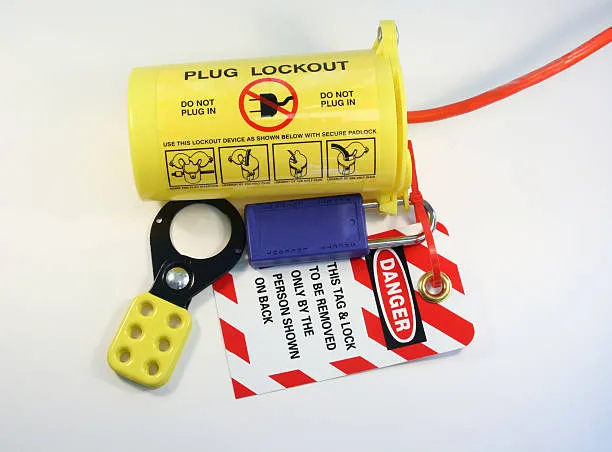
They use lockout devices for machinery isolation, which hold energy-isolation devices in a safe position. They prevent the flow of energy into equipment, ensuring it remains inactive.
Meanwhile, tagout devices provide an additional safety measure with warning tags that alert and inform workers about the lockout status. This approach safeguards their teams from workplace hazards like industrial accidents caused by improper handling of heavy machinery and electrical systems.
It’s not just about compliance; it’s about valuing every worker’s life by mitigating risks associated with hazardous energy controls.
How it works
- Employees identify energy sources: They locate and recognise all energy sources for the machinery or equipment that needs maintenance.
- Isolation of energy sources: Employees de-energise the machine by disconnecting it from its power source, such as electrical outlets, batteries, or hydraulic systems.
- Locking out and tagging: Once the equipment is de-energised, employees use lockout devices to secure the isolation points and tag them with warning signs to prevent accidental re-energisation.
- Verification of isolation: Finally, authorised personnel verify that the equipment is effectively isolated before any maintenance work commences.
Importance in the workplace
Lockout/Tagout procedures are crucial in the workplace to ensure the safety of employees and prevent workplace accidents. Implementing these safety locks helps in de-energising machinery during maintenance, repairs, or servicing, reducing the risk of electrical shock and accidental start-up of equipment.
By adhering to lockout/tagout regulations, businesses can comply with safety protocols and safeguard their workers from potential hazards associated with operating industrial machinery.
Furthermore, emphasising lockout/tagout importance underscores a commitment to maintaining workplace hazard protection and preventing occupational health risks. It also ensures compliance with safety standards and contributes to upholding workplace safety measures for injury prevention.
The Link Between Lockout/Tagout and Workplace Safety
Complying with safety protocols and implementing a comprehensive LOTO procedure is crucial for preventing workplace accidents. Common mistakes can lead to serious consequences, so it’s important to understand the key components of a successful lockout/tagout system.
Complying with safety protocols
- Regularly review and update safety procedures, ensuring they align with industry standards and regulations to prevent workplace injuries.
- Conduct thorough training sessions for all employees to educate them on the importance of following safety protocols and procedures.
- Implement regular equipment maintenance checks to identify any potential safety hazards, ensuring energy isolating devices are functioning properly.
- Provide clear communication about lockout/tagout procedures, including proper tagging and isolation of machinery to prevent unauthorised access during maintenance activities.
Common mistakes to avoid
Continuing with our focus on safety protocols, it’s crucial to be mindful of common mistakes that can compromise the effectiveness of lockout/tagout procedures. Here are some key errors to avoid:
- Neglecting proper training for employees involved in lockout/tagout processes can lead to confusion and potential hazards.
- Failing to conduct regular audits and inspections of equipment and lockout/tagout procedures may result in overlooked issues or outdated practices.
- Overlooking the importance of clear communication among team members during lockout/tagout processes can lead to misunderstandings and safety breaches.
- Underestimating the significance of using standardised lockout/tagout devices and procedures for different machinery and equipment may create inconsistencies and safety gaps.
- Disregarding the need for up-to-date documentation and record-keeping related to lockout/tagout activities could result in compliance issues and hinder improvements.
- Ignoring feedback from employees involved in carrying out lockout/tagout processes may overlook valuable insights for optimising safety measures.
Key components of a comprehensive LOTO procedure
For a comprehensive LOTO procedure, it is essential to clearly identify all energy sources of the equipment being serviced or maintained. Ensure that every worker involved in the lockout/tagout process is properly trained and familiar with the specific LOTO procedures for their tasks.
All necessary equipment, such as safety locks, tags, and isolation devices, should be easily accessible at the work site. Regular reviews and updates of the LOTO program are crucial to ensure its effectiveness and compliance with safety regulations.
Implementing these key components can significantly reduce workplace accidents related to electrical safety, machinery maintenance, and industrial equipment operation.

How Technology is Revolutionising Lockout/Tagout
The advancement of technology has transformed traditional lockout/tagout procedures, with electronic LOTO systems, mobile apps, RFID technology, and augmented reality enhancing efficiency and accuracy in workplace safety.
To learn more about the impact of these revolutionary technologies on workplace safety, continue reading our blog.
Electronic LOTO systems
Electronic LOTO systems provide real-time monitoring and control of lockout/tagout procedures. These systems allow for precise tracking of equipment isolation, ensuring that maintenance work can only commence when it’s safe to do so.
By utilising advanced technology such as electronic locks and tagging devices, businesses can streamline their lockout processes while maintaining the highest safety standards.
Implementing electronic LOTO systems enhances workplace safety by eliminating human error in the lockout/tagout process. With features like remote access and automated documentation, these systems simplify compliance with safety regulations and standards.
Mobile apps
Incorporating mobile apps into your lockout/tagout (LOTO) procedures can streamline the process and improve efficiency. These apps enable employees to access lockout/tagout procedures, fill out safety checklists, and receive real-time notifications about equipment status.
Mobile apps also facilitate seamless communication between maintenance personnel and other stakeholders, ensuring that everyone stays informed about the status of machinery lockouts and tagouts.
Using mobile apps for LOTO procedures can significantly enhance workplace safety by providing instant access to critical information and improving overall coordination among team members.
RFID technology
RFID technology enhances lockout/tagout (LOTO) procedures by providing real-time tracking and monitoring of equipment status. This enables businesses to remotely manage and control access to machinery, reducing the risk of unauthorised use or accidental start-ups.
With RFID technology, maintenance personnel can easily identify specific machines that are undergoing servicing, streamlining the LOTO process and ensuring efficient workflow management.
Implementing RFID technology in LOTO procedures strengthens workplace safety measures by automating equipment isolation processes. This not only mitigates the possibility of human error but also allows for seamless integration with existing safety protocols.
Augmented reality
Augmented reality (AR) enhances lockout/tagout procedures by overlaying digital information onto the real-world machinery, providing step-by-step guidance and safety protocols directly through AR-enabled devices.
Employees can access detailed instructions and visual cues, reducing the risk of errors during lockout/tagout processes. This revolutionary technology streamlines training, ensuring that workers understand and follow lockout procedures correctly.
Furthermore, AR facilitates remote monitoring of equipment status and compliance with lockout/tagout regulations without physical presence. Visualising potential hazards in real time empowers employees to make safer decisions, significantly minimising risks associated with industrial machinery accidents.
By embracing augmented reality in lockout/tagout practices, businesses can enhance workplace safety measures while promoting a culture of awareness and accountability.
Advantages and Concerns of Revolutionised LOTO Procedures
Revolutionised LOTO procedures offer increased efficiency and accuracy, allowing for better control and management of energy sources. However, potential challenges and concerns include the need for extensive training and integration with existing safety protocols.
Increased efficiency and accuracy
Implementing modern lockout/tagout (LOTO) procedures has resulted in improved efficiency and accuracy. These streamlined processes reduce downtime, enhance productivity, and ensure precise lockdown of equipment for maintenance or repair.
With electronic LOTO systems and mobile apps, businesses can swiftly and accurately control access to machinery while maintaining thorough records of the process. RFID technology further enhances efficiency by automating identification and tracking of lockout devices, providing real-time visibility into safety measures.
Moreover, augmented reality has revolutionised LOTO training, offering immersive simulations that boost employee competence in executing these critical protocols effectively. By embracing these advancements in workplace safety, business owners can safeguard their employees while significantly improving operational productivity.
Potential challenges and concerns
As we consider the advancements in lockout/tagout procedures and their potential advantages, it is essential to acknowledge the attendant challenges and concerns. The integration of technology into LOTO processes may come with initial implementation costs that could concern business owners.
Additionally, there may be a learning curve for employees as they adapt to new electronic systems or mobile applications, potentially impacting productivity during the transition period.
Moreover, increased reliance on technology can also bring about concerns regarding cybersecurity vulnerabilities. Ensuring the security and integrity of electronic LOTO systems will be paramount to prevent unauthorised access or tampering, especially with the use of RFID technology and augmented reality in industrial settings.
Future Implications for Workplace Safety
In the future, workplace safety will continue to improve as technology advances and LOTO procedures become more efficient. Proper training and implementation of premium solutions will be crucial for ensuring a safer work environment.
Improved safety measures
Implementing improved safety measures is critical for minimising workplace accidents. Regular risk assessments and ongoing safety training are essential components of ensuring a safe environment.
Installing advanced lockout/tagout systems can also greatly enhance workplace safety by preventing unauthorised access to hazardous machinery. Introducing these enhanced measures keeps your team safe and prevents costly accidents, promoting a positive work culture that prioritises employee well-being.
Employers should always seek new ways to improve the safety standards across their workplaces continually. Providing proper protective equipment and maintaining clear communication regarding potential hazards remains an integral aspect of achieving optimal workplace safety.
Importance of proper training and procedures
Proper training and clear procedures are crucial in ensuring the effective implementation of lockout/tagout (LOTO) protocols. Training employees on LOTO procedures equips them with the necessary knowledge and skills to carry out tasks safely, reducing the risk of accidents and injuries.
By establishing comprehensive training programmes, businesses can foster a culture of safety consciousness among workers, promoting a secure working environment where everyone understands their role in adhering to LOTO practices.
Moreover, well-defined procedures streamline the process, enhancing operational efficiency while minimising downtime. When employees have access to clearly laid out steps for implementing LOTO measures, they can swiftly execute these protocols without confusion or delay.
This not only safeguards against potential hazards but also contributes to overall productivity within the workplace. As business owners, prioritising proper training and stringent procedures underscores our commitment to safeguarding employee wellbeing and upholding workplace safety standards.
Premium solutions for a safer work environment
After establishing the importance of proper training and procedures, we can now explore premium solutions for a safer work environment. Investing in advanced lockout/tagout (LOTO) equipment could significantly enhance workplace safety.
Upgrading to electronic LOTO systems or incorporating mobile apps with real-time monitoring capabilities can streamline operations and ensure precision in compliance with safety protocols.
Additionally, integrating RFID technology or augmented reality into LOTO procedures could further elevate safety standards by providing heightened visibility and control over hazardous energy sources, ultimately reducing the risk of accidents and injuries.
Implementing these premium solutions not only demonstrates a commitment to employee well-being but also yields long-term benefits through improved productivity, reduced downtime, and regulatory compliance.
Conclusion
We have explored the transformative impact of lockout safety locks on workplaces. The strategies discussed are practical, easy to implement, and efficient. Implementing these approaches can lead to significant improvements in workplace safety and operations. For further exploration, readers may find additional resources valuable for enhancing their understanding of lockout/tagout procedures. Let’s ensure a safer work environment by embracing technological advancements and best practices in lockout safety protocols.
Sorting out lockout for your own site?
Describe what needs isolating and we'll help you work out the setup that fits.