
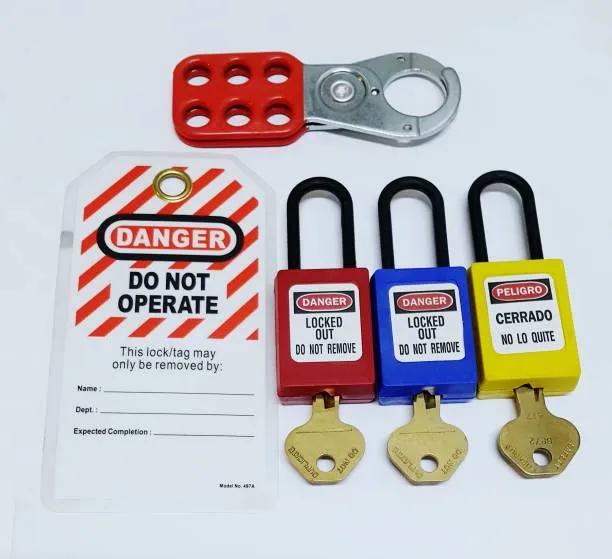
Worried about your mates’ safety around the big gear at work? You’re certainly not the only one. Let’s be honest, workplace accidents are a fair dinkum risk in many industries. But here’s an interesting fact for you: following the ‘lockout/tagout’ procedure can significantly cut down this risk if it’s done right.
This article will have a good ol’ dig into using lockout safeguards, pointing out how they protect your team from accidental exposure to harmful energy during equipment shutdowns. Keen to create a safer workspace for your crew? Go on then, keep reading!
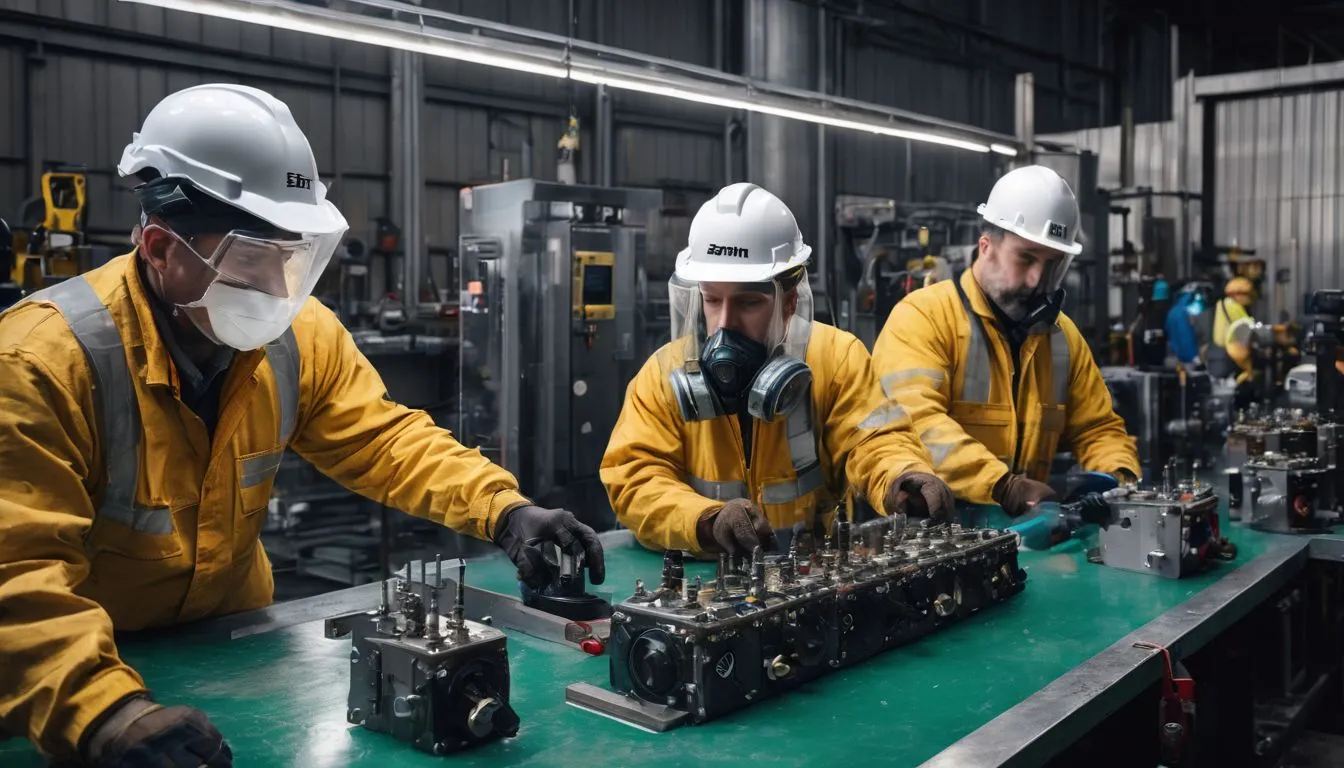
Understanding Lockout/Tagout and Machine Guarding
Lockout/Tagout is a safety procedure that ensures equipment shutdown, isolation, and deenergization before any maintenance or servicing tasks are performed. Machine guarding, on the other hand, involves protective barriers or devices that prevent unintentional exposure to hazardous energy releases.
These measures play a crucial role in safeguarding employee well-being and maintaining a safe work environment.
What is Lockout/Tagout?
Lockout/Tagout is a safety procedure that prevents hazardous energy release during the servicing or maintenance of machinery and equipment. It involves shutting down, isolating, and securing machines to avoid unintentional re-energisation.
This practice protects employees from electrical, mechanical, hydraulic, chemical, thermal or other types of hazardous energy while they are performing their tasks. Ensuring proper lockout/tagout procedures can significantly reduce workplace accidents caused by unexpected equipment startup or energy discharge.
What is Machine Guarding?
Machine guarding refers to the protective measures put in place to ensure the safety of workers when operating machinery. It involves the use of physical barriers, such as fences or shields, to prevent accidental contact with moving parts or hazardous materials.
Machine guarding is crucial for creating a safe work environment and reducing the risk of injuries caused by unintended exposure to equipment. By implementing proper machine guarding measures, businesses can effectively control hazardous energy and minimise the potential for workplace accidents.
Regular maintenance and adherence to lockout/tagout procedures are essential components of an effective machine guarding program.
Importance of Lockout/Tagout and Machine Guarding
Ensuring the safety of your employees is crucial in any workplace, and one essential aspect of this is implementing effective lockout/tagout and machine guarding measures. Lockout/tagout refers to the procedures used to control hazardous energy sources during equipment maintenance or repair, while machine guarding involves installing physical barriers on machinery to prevent accidental contact with moving parts.
These safety practices are vital for protecting workers from unintentional exposure to energy releases and reducing the risk of injuries or even fatalities. By prioritising lockout/tagout and machine guarding, you create a work environment that promotes employee well-being and compliance with occupational health and safety standards.
OSHA Requirements for Lockout/Tagout and Machine Guarding
The OSHA requirements for lockout/tagout and machine guarding include specific standards for both areas to ensure the safety of workers. These standards outline the necessary measures that employers must take to protect their employees from hazardous energy sources and potential machinery-related injuries.
Machine Guarding Standards
Machine Guarding Standards are essential for ensuring workplace safety and protecting your employees from potential hazards. These standards establish guidelines and requirements to prevent accidents caused by contact with machinery or equipment.
By implementing machine guarding measures, you can minimise the risk of unintentional exposure to moving parts, electrical hazards, or hazardous energy release. It is crucial to adhere to these standards by applying appropriate guards, barriers, or devices that isolate workers from dangerous areas.
Compliance with machine guarding standards helps create a safe work environment and reduces the likelihood of injuries or accidents related to machinery operation.
Lockout/Tagout Requirements
Implementing proper lockout/tagout procedures is essential for ensuring the safety of your workers and preventing accidents in the workplace. Lockout/tagout refers to specific practices and procedures used to safeguard employees from hazardous energy sources during machine maintenance or repair.
These requirements, set by OSHA (Occupational Safety and Health Administration), aim to protect workers from unintentional exposure to dangerous equipment-related energy releases.
To comply with lockout/tagout requirements, it is crucial to develop comprehensive procedures that outline the steps for isolating and de-energizing machinery before any servicing or maintenance activities take place.
Implementing Lockout/Tagout and Machine Guarding in the Workplace
Training employees on proper lockout/tagout procedures is crucial to ensuring workplace safety. Creating comprehensive and easy-to-follow lockout/tagout procedures will help minimise the risk of unintentional exposure to hazardous energy and prevent potential injuries or accidents in the work environment.
Training Employees
To ensure the safety of your workers, it is essential to provide thorough training on lockout/tagout procedures. This training should cover the importance of machinery isolation and deenergization, as well as the proper use of lockout devices.
By educating your employees on these safety procedures, you are equipping them with the knowledge and skills necessary to prevent unintentional exposure to hazardous energy. Additionally, conducting regular refresher courses will help reinforce their understanding and ensure they stay up-to-date with any changes in protocols.
Remember, investing in employee training is an investment in their protection and overall workplace safety.
Creating Lockout/Tagout Procedures
To ensure the safety of your workers, it is essential to create lockout/tagout procedures in your workplace. These procedures outline the steps that employees must follow when shutting down equipment and isolating hazardous energy sources.
By implementing these protocols, you can minimise the risk of unintentional exposure to dangerous energy releases and prevent workplace accidents. The lockout/tagout system involves using lockout devices and tags to securely shut down machinery, ensuring that it cannot be turned on while maintenance or repairs are being conducted.
Developing clear and comprehensive lockout/tagout procedures will help maintain a safe work environment for everyone involved.
Maximising Employee Safety with Lockout/Tagout
Implementing effective lockout/tagout programs is essential for maximising employee safety in the workplace. By ensuring proper training, creating thorough procedures, and regularly auditing compliance, businesses can significantly reduce the risk of unintentional exposure to hazardous energy and prevent potential accidents or injuries.
Benefits of Effective Lockout/Tagout Programs
Effective lockout/tagout programs offer numerous benefits for businesses and their workers. Firstly, they significantly enhance workplace safety by preventing accidents and injuries caused by the unintentional release of hazardous energy.
By implementing proper lockout/tagout procedures, businesses can ensure that equipment is safely shut down, isolated, and de-energized during maintenance or repair work. This reduces the risk of employees being exposed to dangerous energy sources, such as electricity or pressurised substances.
Additionally, effective lockout/tagout programs promote a safe work environment by establishing clear protocols that prioritise employee protection and minimise the potential for workplace accidents.
Strategies for Ensuring Proper Lockout/Tagout
To ensure proper lockout/tagout procedures in your workplace, there are several strategies you can implement. First and foremost, provide comprehensive training to all employees on the importance of lockout/tagout and how to correctly use the equipment.
This will help them understand the risks involved and empower them to take necessary safety precautions. Additionally, create clear and detailed lockout/tagout procedures specific to each piece of machinery or equipment, outlining step-by-step instructions for shutting down and isolating energy sources.
Regularly review these procedures with employees to ensure everyone is up-to-date.
Another important strategy is conducting periodic inspections of machinery and equipment to identify any potential issues or hazards that could compromise employee safety. By proactively addressing maintenance needs, you can prevent accidents before they happen.
Lastly, establish a culture of accountability by consistently enforcing lockout/tagout protocols and holding employees responsible for following them at all times.

Conclusion
Implementing lockout/tagout and machine guarding measures in the workplace is crucial for protecting your workers from hazardous energy exposures. By training employees, creating proper procedures, and ensuring effective lockout/tagout programs, you can maximise employee safety and create a safe work environment.
Take the necessary steps to prevent injuries and promote worker protection through these essential safety measures. As we have elucidated, using lockout safeguards is an investment, not a cost. Protect your workers today and ensure safety compliance with Worksafe Lockouts, the key to an accident-free workplace environment is but a call away.
Sorting out lockout for your own site?
Describe what needs isolating and we'll help you work out the setup that fits.