
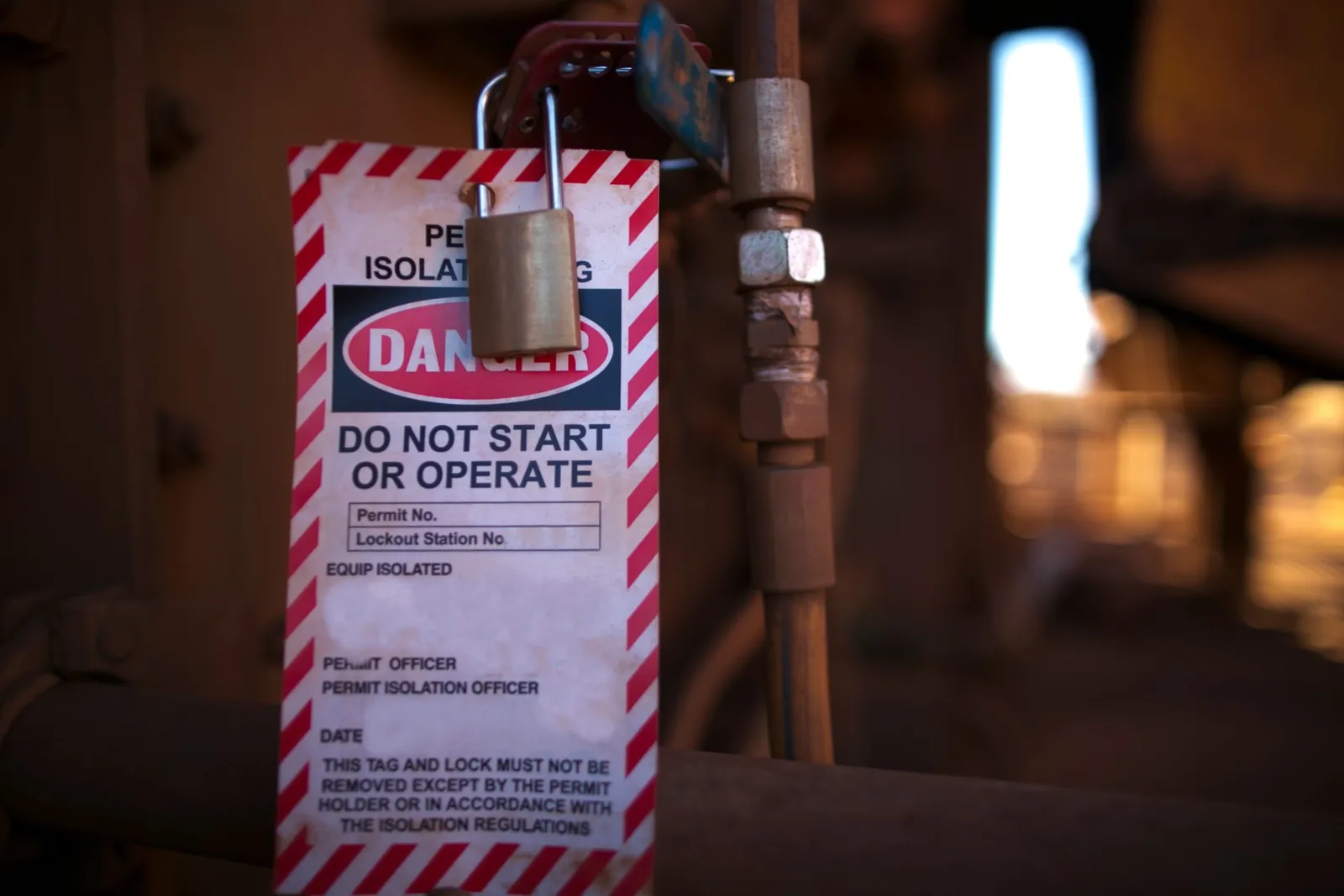
In industrial workplaces, safety is paramount to protect workers and prevent accidents. Among the various safety measures, safety lockouts play a crucial role in safeguarding employees and equipment. Lockout procedures are designed to control hazardous energy sources, ensuring that machinery or equipment cannot be started up or energised during maintenance, repairs, or servicing. This article delves into the significance of safety lockouts in industrial settings, highlighting their benefits in preventing accidents, reducing downtime, and fostering a culture of safety.
Understanding Safety Lockouts
Safety lockouts involve the use of devices, such as padlocks, tags, and hasps, to isolate energy sources and render machinery inoperative while maintenance work is carried out. The procedure aims to protect workers from unexpected startup or release of stored energy, which can lead to severe injuries or fatalities. Lockout procedures are often mandated by regulatory bodies and are an essential component of any comprehensive safety program in industrial workplaces.
Preventing Accidents and Injuries
The primary objective of safety lockouts is to prevent accidents and injuries. When workers engage in maintenance or repairs without proper lockout measures, they risk exposure to hazardous energy, such as electrical, mechanical, or thermal energy. Failure to implement lockout procedures has led to numerous workplace accidents, including electrocutions, amputations, and crushing injuries. By using safety lockouts, the potential for these accidents is greatly reduced, ensuring a safer working environment for all employees.
Compliance with Regulatory Standards
Industrial workplaces are subject to stringent safety regulations to ensure the well-being of workers. Occupational Safety and Health Administration (OSHA) and other regulatory bodies worldwide have established specific guidelines for lockout/tagout procedures. Non-compliance can lead to hefty fines and legal consequences for employers. Adhering to these regulations not only ensures compliance but also demonstrates a commitment to employee safety and workplace ethics.
Reducing Downtime and Maintenance Costs
While some employers may view safety lockouts as time-consuming, the implementation of these procedures can actually lead to long-term savings. Lockout procedures may take a few extra minutes, but they prevent accidents and machinery damage that could lead to prolonged downtime. Avoiding costly repairs and equipment replacements ultimately leads to significant savings for industrial enterprises.
Fostering a Culture of Safety
Integrating safety lockouts into the daily routine fosters a culture of safety in industrial workplaces. When employees witness their colleagues consistently following lockout procedures, they are more likely to adopt the same habits. This collective commitment to safety creates a positive work environment where employees feel valued and protected, leading to increased productivity and job satisfaction.
Training and Education
The successful implementation of safety lockouts hinges on proper training and education. Employers must provide comprehensive training to all employees, including equipment operators, maintenance personnel, and supervisors. Training should cover the identification of energy sources, the correct application of lockout devices, and the importance of following established procedures. Regular refresher courses should be conducted to keep employees up-to-date with the latest safety practices.
Effective Communication
Clear communication is vital when implementing safety lockouts. Lockout procedures should be well-documented and readily accessible to all employees. Visual cues, such as colour-coded tags and signs, can enhance understanding and adherence to lockout protocols. Additionally, a reliable communication system should be in place to inform workers when a particular piece of equipment is under maintenance or repair.
Preparing for Emergencies
While safety lockouts are designed to prevent accidental startups, it is essential to be prepared for emergencies. Employees should be trained in emergency lockout removal procedures and equipped with appropriate tools to swiftly respond to unforeseen situations. Establishing clear protocols for such instances ensures that workers can address emergencies promptly without compromising safety.
Choosing the right safety lockout equipment for your workplace
Safety lockouts are a cornerstone of industrial workplace safety, as they protect workers from hazardous energy and potential accidents during maintenance, repairs, or servicing of machinery. By adhering to regulatory standards, investing in proper training, fostering a safety-conscious culture, and implementing effective communication, employers can create a work environment where employee well-being is prioritized. Ultimately, the integration of safety lockouts not only prevents accidents but also improves productivity and saves costs in the long run, making it a vital aspect of any industrial safety program.
Sorting out lockout for your own site?
Describe what needs isolating and we'll help you work out the setup that fits.