
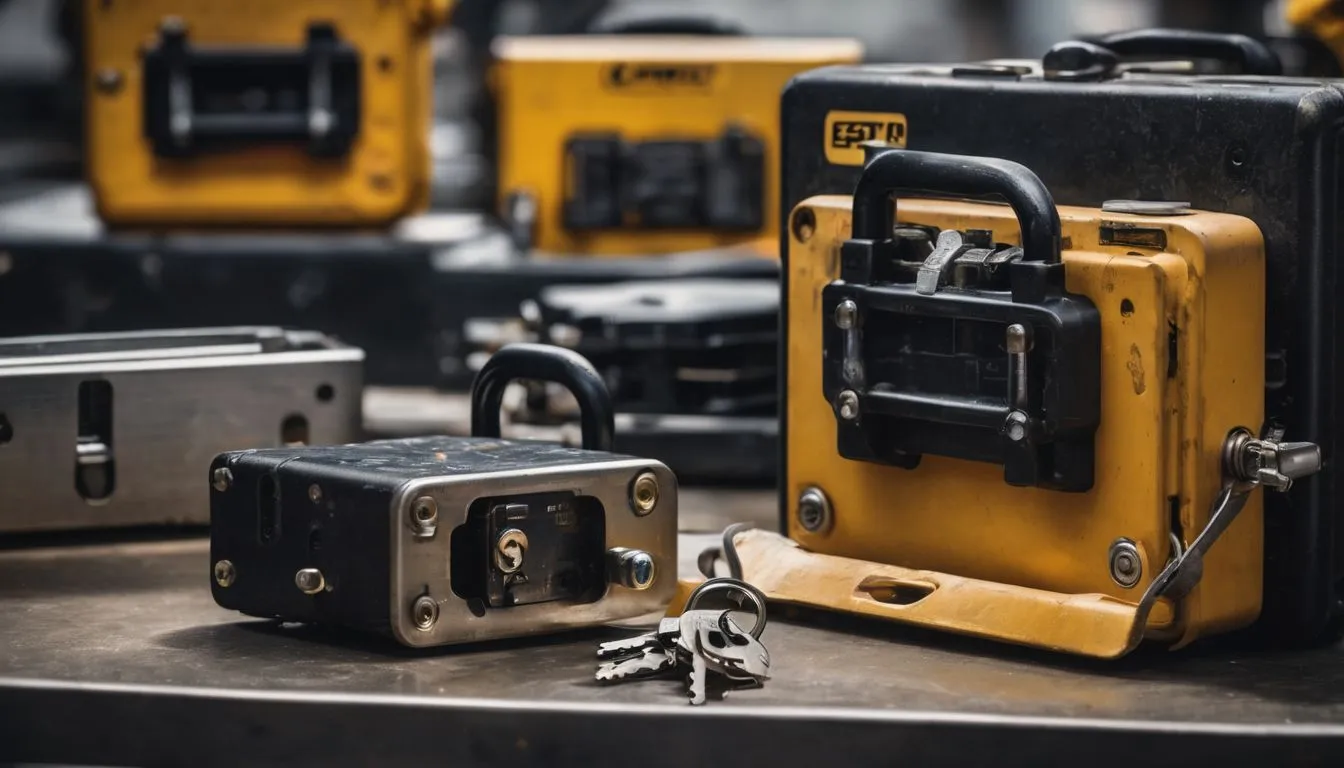
Feeling fretful about the safe handling of energy sources when tinkering with those home maintenance or repair tasks? You’re not alone. Our comprehensive research unveils a considerable statistic, that nearly 10% of severe industrial accidents are triggered by an unmonitored release of energy.
Fear not! This blog is your trusted compatriot to guide you on utilising lockout safety locks, an absolutely crucial cog in the machinery of energy control methods to stave off such hazards. Brace yourself for a thoroughly enlightening read chock-full with handy tips!
Understanding Lockout Tagout (LOTO)
Lockout Tagout (LOTO) is a vital safety procedure that aims to protect workers by disabling equipment and controlling energy sources during maintenance or repair activities. It involves the use of lockout devices and tags to physically secure machinery, ensuring that it cannot be unintentionally activated.
The Occupational Safety and Health Administration (OSHA) has established specific standards for LOTO procedures to ensure worker safety.
Definition
Lockout tagout, often abbreviated as LOTO, refers to specific practices and procedures designed to safeguard employees from the unexpected energisation or startup of machinery and equipment, or the release of hazardous energy during service or maintenance activities.
The term ‘lockout’ describes how a device is secured with a lock that only the person who installed it can remove, effectively blocking an energy source. Conversely, ‘tagout’ means placing a tag on an isolated power source to indicate that it should not be turned back on until work is completed.
These protective measures help prevent accidents in workplaces where machines or equipment may pose risks if they are not properly shut down.
Importance
Lockout safety locks are of utmost importance when it comes to energy control measures. These locks help prevent unintentional exposure to hazardous energy during equipment maintenance or repair, ensuring the safety of workers and minimising the risk of accidents in the workplace.
By using lockout safety locks, you can effectively isolate and control energy sources, such as electrical or mechanical systems, safeguarding both yourself and your equipment. Don’t overlook the importance of implementing proper lockout procedures and investing in quality lockout devices – they are key to ensuring a secure work environment and protecting against potential dangers.
Difference between Lock Out and Tag Out
Lockout and TagOut are two key components of a comprehensive energy control program. Lock Out involves physically disabling equipment by using safety locks to prevent unauthorised access or accidental operation.
This ensures that the equipment remains inoperable during maintenance or repair work. On the other hand, Tag Out involves attaching warning tags to indicate that the equipment is undergoing maintenance and should not be used.
The primary difference between LockOut and TagOut is the level of physical control they provide. Lock out provides a higher level of security as it physically prevents anyone from operating the equipment, while tag out relies on visual communication through warning tags.
OSHA Lockout/Tagout Standard
To ensure the safety of workers, the Occupational Safety and Health Administration (OSHA) has established a Lockout/Tagout Standard. This standard outlines the procedures and requirements for controlling hazardous energy during equipment maintenance or repair.
It emphasises the importance of using lockout devices to physically secure equipment and tagout devices to provide information about who is working on it. By following this standard, you can protect yourself and others from unintentional exposure to hazardous energy, ensuring a safer work environment.
Components of a Lockout Tagout Program
In a Lockout Tagout Program, several components are essential for effective energy control measures. These include lockout/tagout devices, energy isolating devices, lockout boxes, and specific colours for locks and tags.
Implementing these components ensures proper equipment shutdown and protection against unintentional exposure to hazardous energy. To learn more about the importance of each component and how they contribute to workplace safety, read on!
Lockout/Tagout Devices
Lockout/Tagout devices are crucial components of a comprehensive Lockout/Tagout program. These devices are used to physically secure equipment or machinery, preventing unauthorised access or accidental operation.
They provide an effective means of isolating and controlling energy sources during maintenance or repair work. Lockout devices, such as safety locks, help ensure that equipment remains in a “locked off” state while repairs are being carried out.
On the other hand, tagout devices serve as a visual warning by attaching tags to energy-isolating devices to alert others that maintenance is being performed and the equipment should not be operated.
When using lockout/tagout devices, it’s important to choose ones that are suitable for your specific equipment and energy control needs. Different types of locks and tags may have different colours to indicate the purpose they serve.
Energy Isolating Devices
Energy isolating devices are essential tools in lockout tagout procedures. These devices physically prevent the release of hazardous energy during maintenance or repair work on machinery or equipment.
They can include switches, valves, and block-out plates that securely shut off power sources, ensuring the safety of workers. By using energy isolating devices correctly, home owners can effectively control and isolate energy sources to protect themselves from unintentional exposure to hazardous energy.
Remembering to use these devices is crucial for maintaining workplace safety and preventing accidents or injuries while conducting equipment maintenance.
Lockout Boxes
Lockout boxes are an essential component of a lockout tagout program. These boxes provide a secure and designated location to store lockout devices when they are not in use. By using lockout boxes, you can ensure that the keys or locks used to secure equipment during maintenance or repair are easily accessible to authorised individuals only.
This helps prevent accidental energization of equipment and keeps workers safe from hazardous energy exposures. Lockout boxes come in various sizes, styles, and materials, allowing you to choose the one that best suits your needs.
They play a crucial role in enhancing workplace safety by providing a centralised and organised storage solution for all lockout devices.
Colours of Lockout Locks and Tags
Lockout locks and tags come in a variety of colours, each serving a specific purpose. These colours help to visually communicate important information about the lockout/tagout procedure.
For example, red locks and tags are typically used to indicate that equipment is locked out and should not be operated. Yellow locks and tags may signify caution or that maintenance work is being performed.
Blue locks and tags might be used for equipment under repair or inspection. By using different colours, it becomes easier to identify the status of equipment at a glance, helping to ensure safety in the workplace.
Lockout Tagout Procedures
Lockout Tagout procedures are an essential part of ensuring safety when it comes to equipment maintenance or repair. These procedures involve disabling equipment and controlling energy sources to prevent any unintentional exposure or accidents.
There are seven steps involved in a lockout tagout procedure. First, identify any hazardous energy sources that need to be controlled. Next, secure these energy sources by shutting them down or disconnecting them.
Then, place lockout/tagout devices on the equipment to physically secure it and prevent unauthorised access. After that, test the equipment to ensure that all energy has been properly isolated before carrying out any maintenance or repairs.
Once the work is done, remove the lockout/tagout devices and verify that the equipment can safely operate again.
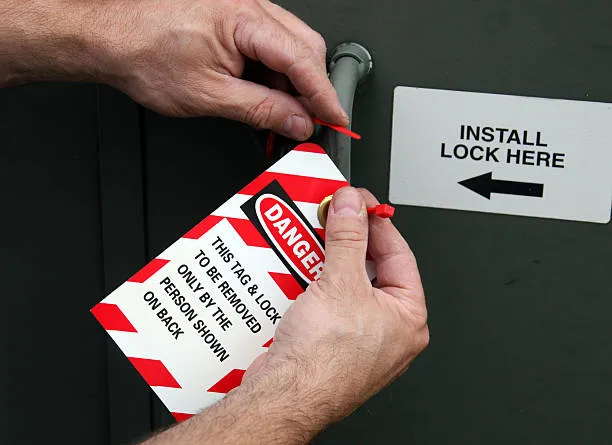
7 Steps of a Lockout Tagout Procedure
Now, let’s dive into the seven essential steps for a lockout tagout procedure that will ensure the safety of your workers and prevent any unintentional exposure to hazardous energy.
If you want to know how these simple yet effective measures can protect lives and equipment, read on.
Identifying hazardous energy
To ensure the safety of your home and family, it is crucial to identify hazardous energy sources. These are forms of energy that have the potential to cause harm if not properly controlled or isolated.
Examples include electrical power, mechanical forces, hydraulic pressure, and pneumatic systems. By understanding where these energy sources are present in your home and how they can be accessed, you can take necessary precautions and implement effective lockout procedures to prevent accidents or injuries.
Stay vigilant and be mindful of any potentially dangerous equipment or areas in your home that may pose a risk due to hazardous energy.
Securing energy sources
To ensure your safety when working on equipment or machinery, it is crucial to secure the energy sources. This means taking steps to effectively disconnect and block any potential energy that could be released during maintenance or repair.
By doing so, you eliminate the risk of unintentional exposure to hazardous energy, which can cause serious injury or harm. Always follow the proper lockout procedures and use lockout devices to physically secure equipment and prevent unauthorised access or accidental operation.
Taking these measures will help create a safe work environment and protect both you and those around you from workplace accidents.
Placing lockout/tagout devices
Placing lockout and tagout devices is a crucial step in ensuring the safety of home owners during maintenance or repair work. These devices, such as locks and tags, are used to physically secure equipment and machinery, preventing unauthorised access or accidental operation.
By placing lockout devices on energy isolating points, like switches or valves, and attaching tags with clear warnings and instructions, workers can effectively control hazardous energy sources.
When we place lockout/tagout devices, we are taking proactive measures to protect ourselves and others from potential harm. This practice helps prevent unintentional exposure to hazardous energy, reducing the risk of accidents or injuries.
It ensures that equipment is shut down properly before any work begins.
As responsible homeowners, it’s important for us to understand how to place lockout/tagout devices correctly by following established safety procedures. This includes identifying the right isolation points for each piece of equipment or machinery involved.
Testing to ensure energy has been isolated
We always test to ensure that the energy has been properly isolated. This step is crucial for your safety and the effectiveness of the lockout tagout procedure. By testing, they can make sure that no energy is still active or flowing in equipment or machinery.
This reduces the risk of unintentional exposure to hazardous energy during maintenance or repair work. We follow strict protocols while conducting these tests to verify that all energy sources have been successfully shut down.
Your well-being is our top priority, and we take every precaution to ensure a safe working environment for you.
Carrying out maintenance or repair
Carrying out maintenance or repair on your equipment is a crucial part of keeping it in good working order. During these procedures, it’s important to follow lockout tagout practices to ensure your safety.
First, identify any hazardous energy sources that need to be controlled. Then, secure these energy sources by shutting off the appropriate switches or valves. Next, place lockout devices on the equipment to prevent unintentional exposure to hazardous energy.
Before starting the maintenance or repair work, test the equipment to make sure all energy has been properly isolated. Once you’ve completed the necessary tasks, remove the lockout devices and verify that the equipment is operating safely.
Removing lockout/tagout devices
We need to be extremely cautious when removing lockout/tagout devices. This is the final step in ensuring that equipment is safe to operate after maintenance or repair. Make sure to follow proper procedures and guidelines before unlocking or untagging any device.
Always double-check that all energy sources are properly isolated and secured before removing the lockout/tagout devices. Failure to do so could result in unintentional exposure to hazardous energy, putting yourself and others at risk of injury or accidents.
Let’s prioritise safety by taking this step seriously and being diligent in our efforts to protect ourselves and those around us.
Verifying safe equipment operation
We make sure that the equipment is operated safely. We do this by thoroughly checking all the lockout and tagout devices we have put in place. These devices ensure that hazardous energy sources are isolated, preventing any unintentional exposure to workers.
Before any maintenance or repair work begins, we test to confirm that the energy has been effectively shut down. Once the work is completed, we remove the lockout and tagout devices, but our job doesn’t end there.
We take it a step further by verifying that the equipment is operating safely before giving it the green light for use again. It’s all part of our commitment to maintaining a safe workplace for everyone involved.
In conclusion, ensuring safe equipment operation involves a thorough process of verification after implementing lockout and tagout measures. We go beyond just securing energy sources – we test, inspect, and confirm that everything is in proper working order before allowing operations to resume.
Ensuring Effective Lockout Tagout Measures
To ensure effective lockout tagout measures, it is essential for home owners to establish a comprehensive LOTO program, conduct regular inspections, provide thorough training to employees, enforce documentation processes, and utilise reliable Lockout Tagout software.
Establishing a LOTO program
To ensure the safety of your home and family, it is crucial to establish a Lockout Tagout (LOTO) program. This program involves implementing procedures and practices to control hazardous energy during maintenance or repair activities.
By establishing a LOTO program in your home, you can effectively prevent unintentional exposure to hazardous energy sources, such as electrical or mechanical equipment. It entails creating step-by-step instructions for safely disabling equipment, securing energy sources with lockout devices, and enforcing documentation of lockout/tagout procedures.
Remember, implementing a LOTO program will help safeguard your home and protect everyone inside from potential accidents or injuries caused by the release of hazardous energy.
Conducting regular inspections
Regular inspections are a crucial part of maintaining an effective lockout tagout (LOTO) program. By regularly inspecting your equipment and procedures, you can identify any potential issues or hazards before they lead to accidents or injuries.
During these inspections, we check the condition of lockout devices, energy isolating devices, and lockout boxes to ensure they are functioning properly and in good condition. We also review the effectiveness of Locksafe's lockout tagout procedures to make any necessary improvements.
By conducting regular inspections, we can ensure that our LOTO measures remain up-to-date and effective in protecting against unintentional exposure to hazardous energy.
Providing lockout/tagout training
We believe that providing lockout/tagout training is essential for maintaining a safe working environment. By educating homeowners on these procedures, they can prevent accidents and injuries when performing maintenance or repairs on their equipment.
During the training, homeowners will learn how to identify hazardous energy sources, secure them properly, and use lockout/tagout devices effectively. We will also teach them the importance of testing to ensure energy isolation and verifying equipment operation before removing the devices.
By equipping homeowners with this knowledge, we can empower them to take control of their own safety and prevent any unintentional exposure to hazardous energy.
Enforcing documentation
To ensure the effectiveness of your lockout tagout program, it is essential to enforce documentation. This means keeping thorough records of all procedures and actions taken during equipment shutdown and maintenance.
By documenting each step, you can easily track who performed the work, when it was done, and any potential issues that were discovered. It also helps in identifying areas for improvement and ensuring compliance with safety regulations.
Regularly reviewing these documented procedures will further reinforce employee accountability and maintain a safe working environment for everyone involved.
Utilising Lockout Tagout Software
To enhance the effectiveness of your lockout tagout (LOTO) program, consider utilising lockout tagout software. This software is designed to streamline and automate various aspects of your energy control measures.
With lockout tagout software, you can easily create and manage lockout procedures, track equipment shutdowns, and document maintenance activities. The software also allows for real-time collaboration between team members, ensuring that everyone is on the same page when it comes to safety procedures.
By incorporating lockout tagout software into your LOTO program, you can improve workplace safety by reducing the risk of unintentional exposure to hazardous energy and ensuring that equipment is properly maintained and repaired.
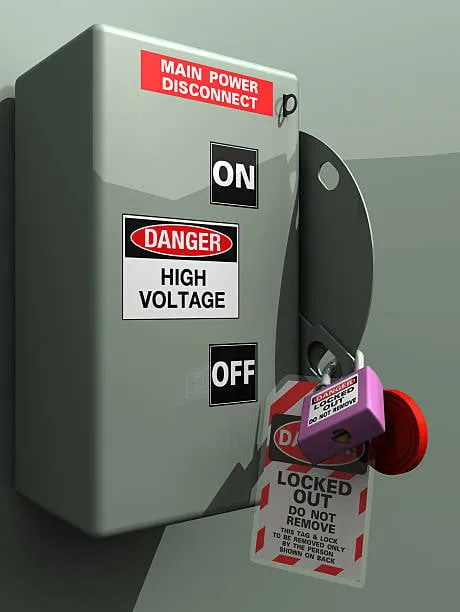
Conclusion
Lockout safety locks are a crucial part of energy control measures. By properly implementing lockout procedures and using lockout devices, we can protect ourselves from unintentional exposure to hazardous energy. Lockout safety locks indeed hold the key to energy control measures – they prevent energy mishaps effectively. Get in touch with Work Safe Lock Outs to discuss your energy control needs further. Remember, ensuring workplace safety should always be our top priority.
Sorting out lockout for your own site?
Describe what needs isolating and we'll help you work out the setup that fits.