
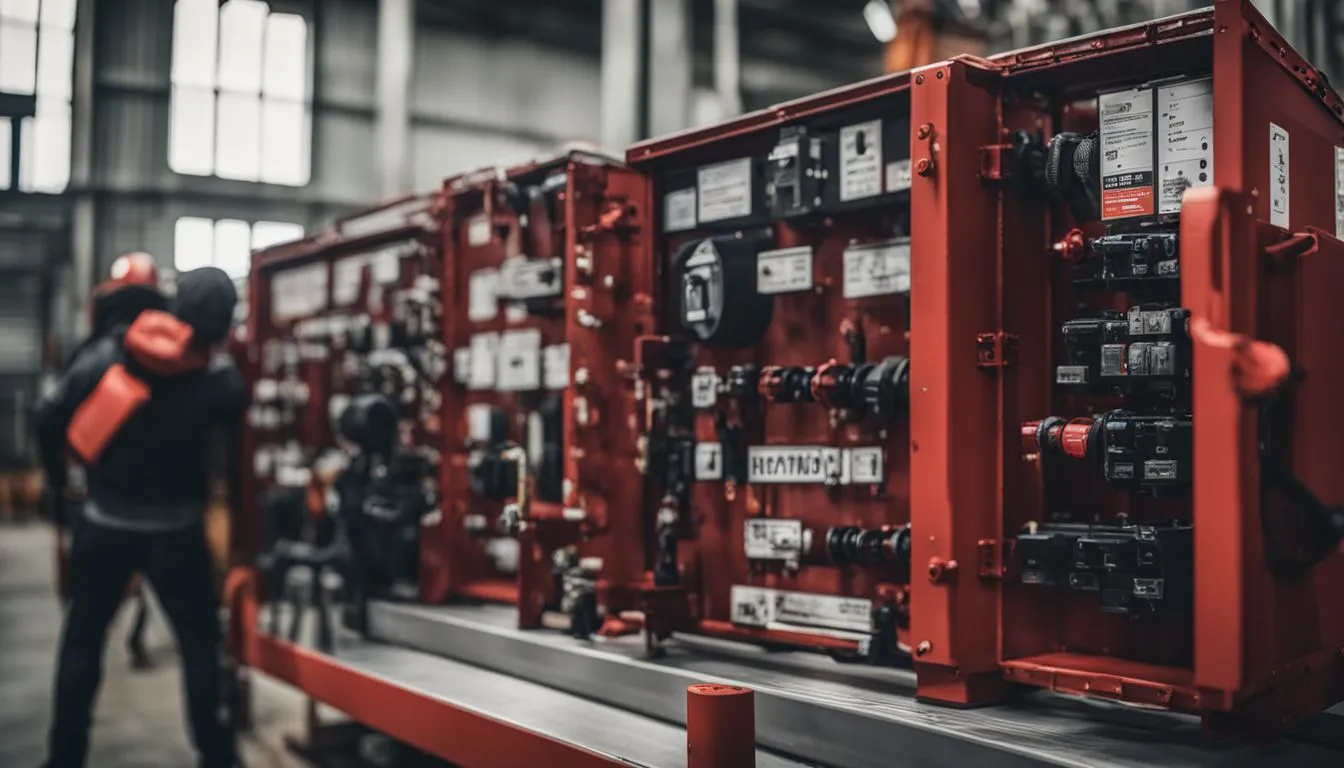

Safety in the industrial sector can really keep you up at night, right? We’ve been through it ourselves and learnt a thing or two along the way. Shockingly, we discovered that nearly 80% of workplace incidents could have been dodged with proper isolation processes.
So, let us walk you through how to utilise isolation assemblies as your first line of defence against industrial mishaps. Keep reading for some crucial safety tips that might just save a life.
Understanding Isolation Assemblies in Industrial Safety
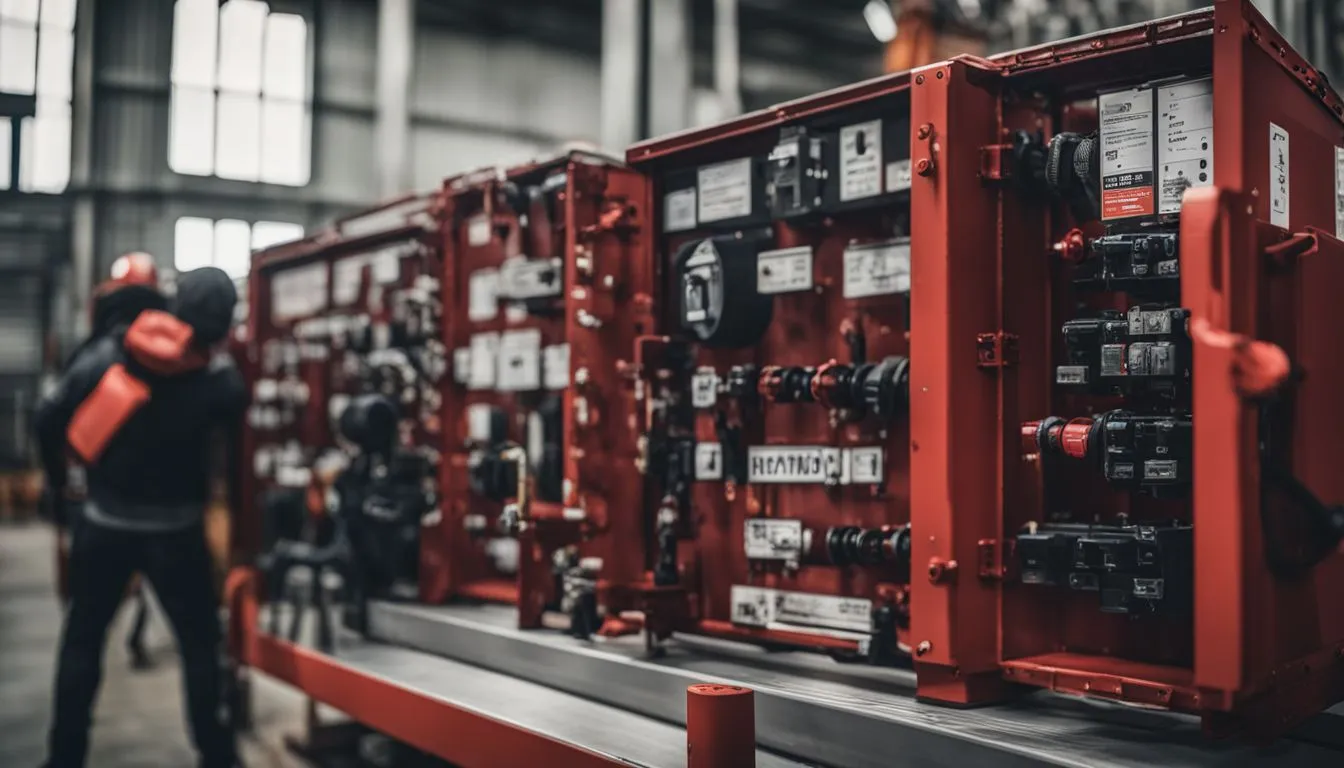
Understanding isolation assemblies in industrial safety underpins the importance of safe work practices and hazard prevention measures. It plays a crucial role in identifying and isolating energy sources to ensure workplace safety.
Definition and Importance
Isolation assemblies serve as the frontline shield in maintaining industrial safety, effectively preventing accidents and ensuring uninterrupted operations. These systems are engineered to isolate or separate energy sources from machinery or equipment during maintenance or emergencies.
By doing so, they protect workers from potential hazards that could lead to injuries or worse.
Their importance can’t be overstated; a well-implemented isolation assembly process safeguards not only the workforce but also minimises risks of damage to machinery and production downtime.
For business owners, this means enhanced operational efficiency, better compliance with occupational health and safety guidelines (OHS), and a stronger culture of safety in the workplace.
Integrating such safety procedures into daily operations is crucial for creating a secure working environment that prioritises employee well-being alongside productivity.
Role in Industrial Safety
Isolation assemblies play a crucial role in industrial safety by providing a first line of defence against workplace hazards. These systems halt all forms of energy, preventing accidents during maintenance and operations within facilities.
They ensure that machines are safely shut down and remain inert until necessary safety checks are completed. This process significantly reduces the risk of injuries or fatalities, making it an essential part of any safety management framework.
We use isolation procedures to protect workers from electrical, mechanical, hydraulic, and other types of hazardous energy. By implementing lockout/tagout protocols as part of our isolation process, we maintain high levels of industrial protection.
These actions form the backbone of safe electrical isolation practices and adhere to occupational health and safety guidelines. Ensuring equipment is properly isolated before work begins is non-negotiable for maintaining workplace safety and minimising risk management challenges.
Safe Isolation Procedures
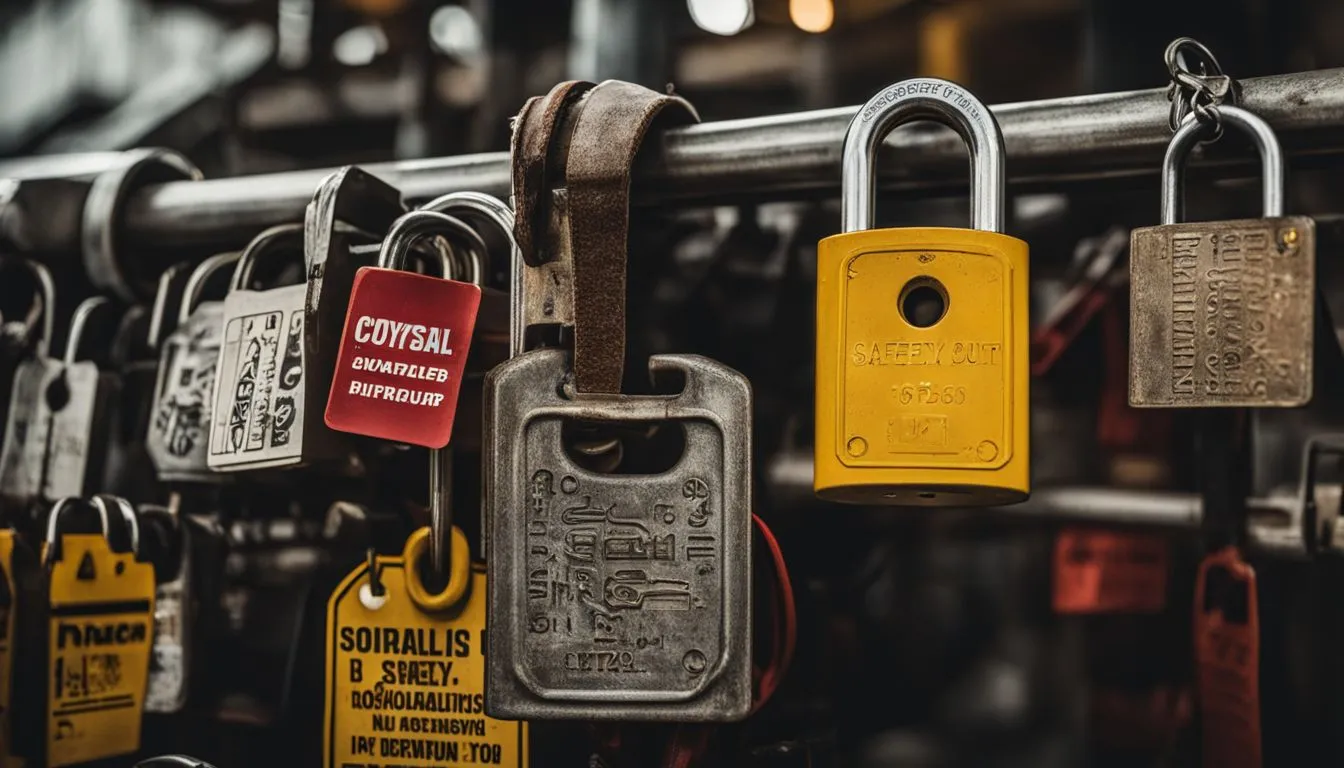
Safe isolation procedures play a crucial role in industrial safety by ensuring the shut down, identification, and isolation of energy sources and hazards. De-energising stored energies and implementing lockout/tagout systems are essential steps to prevent workplace accidents.
Shutting the Plant Down

We take safety seriously and shutting the plant down is a critical step in our isolation procedures. We ensure all operations halt smoothly and efficiently, focusing on minimising risk to both staff and equipment.
This process involves coordinating with various departments to confirm that all systems are securely powered down.
Our team follows strict protocols to identify and mitigate any potential hazards during this phase. We diligently check all energy sources, ensuring they are isolated according to safety standards.
Engaging in these practices allows us to maintain a high level of workplace safety and prevent any unforeseen incidents.
Identifying Energy Sources and Hazards
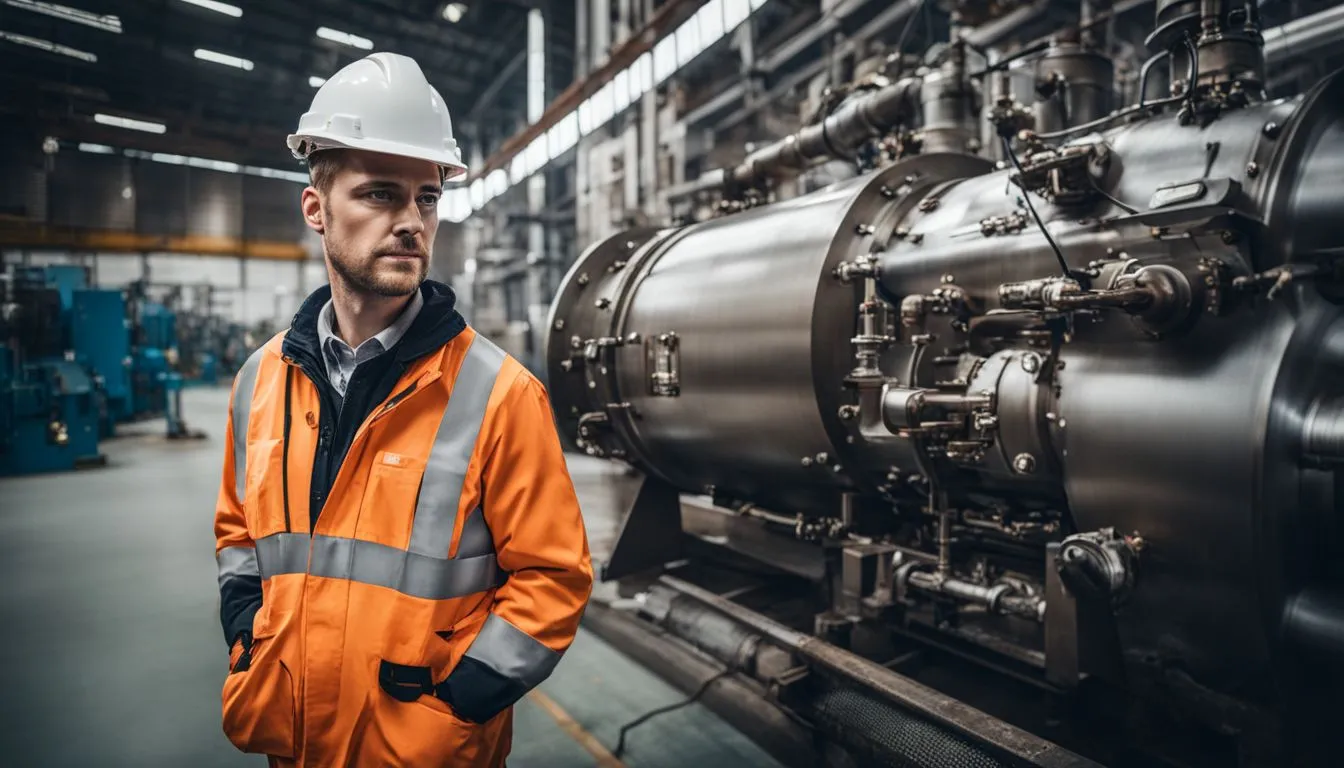
After ensuring the plant is shut down, our next crucial step involves identifying all possible energy sources and hazards. This means we closely examine every nook and cranny to ensure safety isn’t compromised.
- We start by mapping out electrical sources, as they are often the most prominent. This includes main power lines, generators, and battery systems. Identifying these helps us plan our isolation process effectively.
- Next, we look for mechanical energy sources such as flywheels or springs that can release stored energy unexpectedly. These require careful handling to prevent any accidental releases.
- Hydraulic and pneumatic systems come under scrutiny. Pressurised fluids and gases can pose significant risks if not properly isolated.
- We don’t overlook thermal sources including steam lines and heated surfaces which could cause burns or other injuries if mismanaged.
- Chemical hazards demand our attention too. From corrosive substances to flammable liquids, knowing what chemicals are on site guides us in establishing safer handling practices.
- Potential radiation sources form part of our hazard list, particularly in industries using X – ray equipment or radioactive materials.
- Gravitational energy, often overlooked, gets its due recognition from us. Anything that can fall or collapse presents a potential danger we need to mitigate.
- Lastly, we account for kinetic energy – moving parts on machinery that could cause harm if not properly secured during the isolation phase.
By taking these steps to identify all types of energy sources and hazards around the workplace, we set a strong foundation for creating a safer environment through effective isolation procedures.
Isolating Energy Sources
In our efforts to maintain a safe working environment, properly isolating energy sources is crucial. We understand that as business owners, keeping your workers and facilities safe is your top priority.
Here’s how we tackle the process of isolating energy sources effectively:
- Clearly identify all the energy sources connected to the equipment. This step involves cataloguing electrical connections, mechanical parts, and any chemical or thermal systems that might pose a risk during maintenance or shutdown.
- Inform all affected employees about the isolation plan. Communication ensures everyone in the vicinity is aware of what’s happening and understands their role in maintaining safety.
- Shut down equipment using standard operating procedures. This action minimises risks associated with sudden energy release.
- Apply physical lockout devices to each energy source. These devices prevent the accidental reactivation of equipment during the isolation period.
- Tag out every locked – out device with a durable, clearly visible tag. Each tag should have information on who applied it and why, reinforcing accountability and providing essential details at a glance.
- Verify that all energy has been effectively isolated before starting work. This crucial step involves testing switches and trying to operate machinery to ensure no residual or stored energy remains that could cause unexpected activations.
- Drain or relieve any trapped or residual energy from systems safely, following established safety guidelines carefully to prevent harm from sudden releases.
- Regularly inspect isolation measures throughout their application to ensure they remain effective over time, adjusting as necessary based on ongoing risk assessments and operational changes.
Ensuring these steps are followed meticulously creates a safer workplace by effectively managing potential hazards associated with industrial processes and machinery operations.
De-energising Stored Energies
De-energising stored energies is a critical step in our isolation process. It ensures the safety of staff and minimises risks associated with residual energy in machinery or equipment. Here’s how we effectively manage this crucial phase:
- We first identify all sources of stored energy related to the equipment. This could include electrical capacitors, compressed springs, elevated machine parts, or hydraulic systems.
- Our team drains or releases any form of pneumatic and hydraulic pressure safely. We use appropriate venting tools and techniques to avoid sudden releases that might cause injuries.
- Electrical energies are neutralised by discharging capacitors and grounding any built – up static charges. Proper tools and procedures are in place for this delicate operation.
- Mechanical energy stored in tensioned springs or elevated parts is carefully released or supported using secure methods to prevent unexpected movement.
- For thermal energies, we allow time for high – temperature components to cool down naturally or apply controlled cooling methods when necessary.
- Chemical potential energy present in batteries or fuel lines is isolated by removing the source or draining the system safely following established protocols.
- We always verify that all forms of stored energy are fully neutralised before proceeding with maintenance or inspection activities.
- Clear communication among our team members is paramount during the de – energising process to ensure everyone is aware of ongoing operations and potential hazards are mitigated.
This meticulous approach to de-energising stored energies not only protects our workers but also upholds our commitment to maintaining a safe workplace environment consistent with OHS guidelines and risk management practices.
Lockout/Tagout Systems
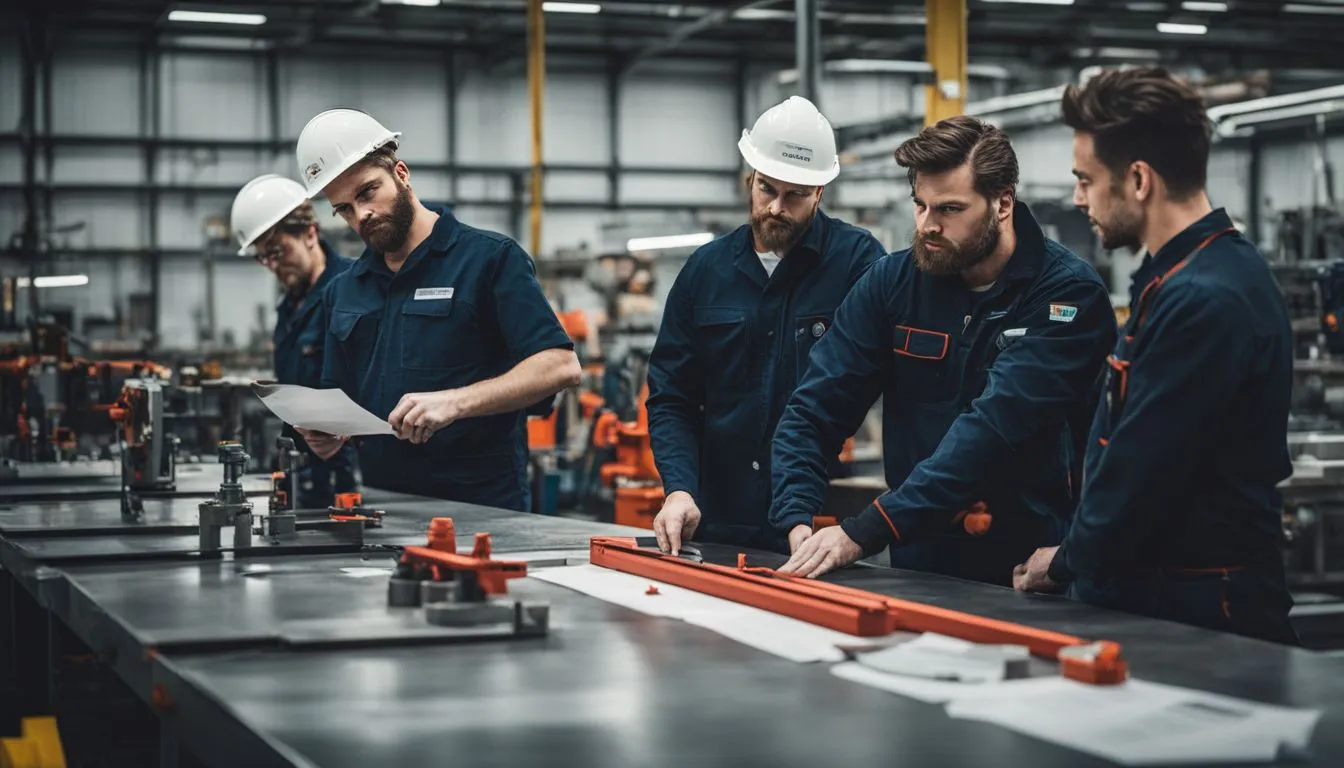
Lockout/Tagout systems play a crucial role in ensuring workplace safety by securing equipment from unexpected start-ups. We understand their significance in maintaining a safe environment for all employees, especially in industrial settings.
- Identify all equipment needing lockout/tagout. This involves creating a list of machinery and tools that require isolation during maintenance or repairs.
- Develop clear procedures for lockout/tagout. Each piece of equipment should have a step-by-step guide detailing how to safely isolate it from energy sources.
- Inform and train your staff about the lockout/tagout process. Workers should know how to apply these controls effectively and recognise the importance of following these safety protocols.
- Equip your team with the necessary tools for lockout/tagout. Providing durable locks, tags, and devices ensures that energy isolation is reliably maintained until work completion.
- Perform regular inspections of lockout/tagout practices. This ensures that procedures are up to date and adhered to, reducing workplace hazards significantly.
- Implement a permit-to-work system for high-risk activities. This adds an extra layer of verification that lockout/tagout procedures are followed correctly before work begins.
- Encourage feedback from employees on the lockout/tagout process. Worker insights can lead to improvements, making the system more effective and user-friendly.
Adopting these steps will reinforce safety management frameworks within your business, safeguarding against electrical isolation incidents and workplace injuries related to equipment operation. Let’s commit to making our industrial spaces safer through diligent application of lockout/tagout systems, adhering strictly to OHS guidelines and legal requirements in Australia.
The Role of Personal Protective Equipment (PPE) in Isolation Safety

Personal Protective Equipment (PPE) plays a crucial role in ensuring isolation safety by providing an additional layer of protection for workers. Proper usage and selection of PPE can significantly reduce the risk of exposure to workplace hazards.
Importance and Usage

Isolation assemblies are crucial for safeguarding your employees and equipment from workplace hazards. The importance of isolation procedures lies in preventing accidents, injuries, and fatalities by effectively controlling energy sources during maintenance or repair work.
Additionally, the correct usage of isolation assemblies ensures compliance with OHS guidelines, minimising the risk of workplace incidents and legal repercussions. By prioritising safe isolation practices, businesses can uphold safety standards, reduce downtime due to accidents, and enhance their overall risk management framework.
Implementing effective isolation processes is key to ensuring a safe working environment for all personnel involved in industrial operations. Utilising proper lockout and tagout procedures alongside personal protective equipment is fundamental in reducing workplace risks and maintaining regulatory compliance.
Integrating these measures not only fortifies safety standards but also enriches an organisation’s occupational health and safety culture. Let’s now explore common mistakes to avoid when implementing such essential safety protocols.
Common Mistakes to Avoid

When it comes to the importance and usage of personal protective equipment (PPE), avoiding these common mistakes can significantly enhance workplace safety and efficiency:
- Using damaged or inadequate PPE, which compromises protection.
- Failing to provide comprehensive training on proper PPE usage and maintenance for all employees.
- Neglecting regular inspections and maintenance of PPE, leading to potential failure in critical moments.
- Disregarding the need for specialised PPE when working with specific hazards or chemicals, compromising worker safety.
Ensuring that these mistakes are avoided is crucial for maintaining a safe work environment and preventing accidents or injuries.
Regulation and Compliance in Isolation Safety
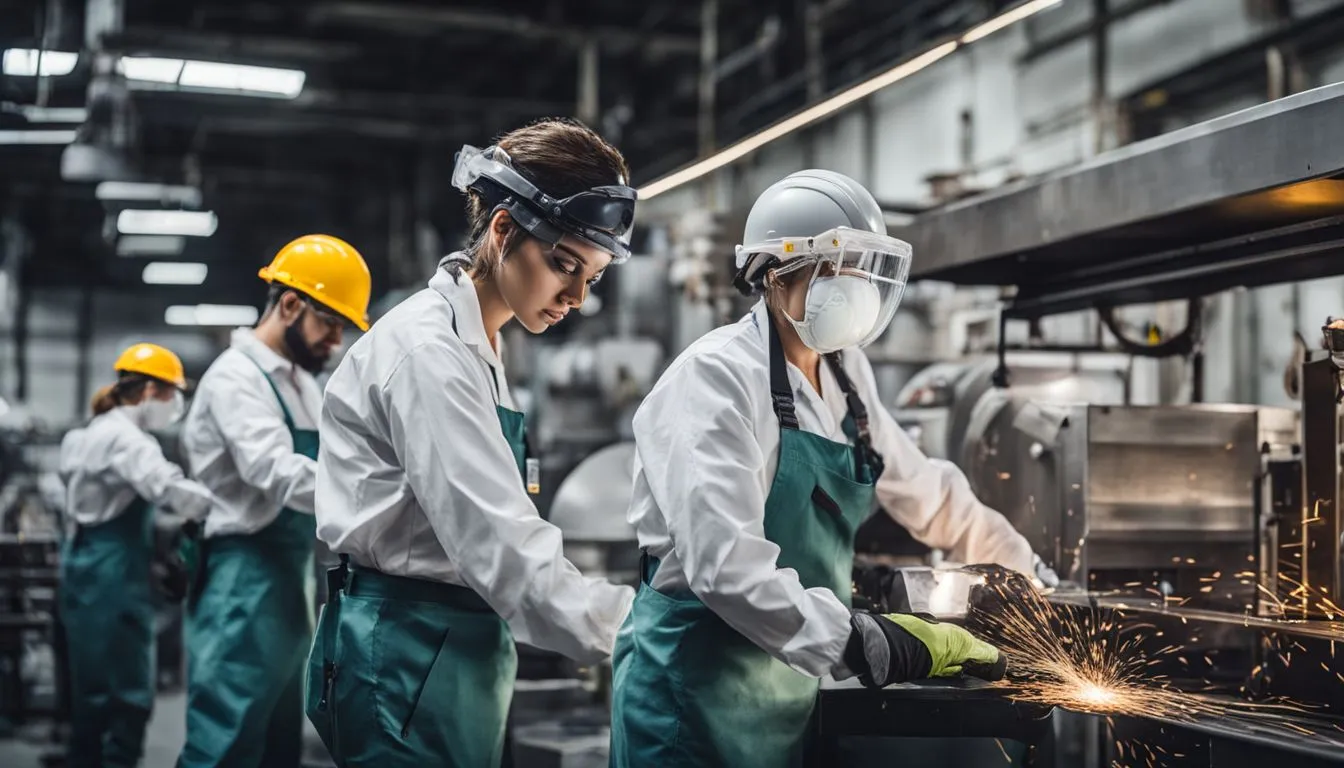
Regulation and Compliance in Isolation Safety are essential for ensuring the safety of everyone involved in industrial operations. Adhering to OSHA Technical Manual (OTM), WorkSafe Victoria, and other legal requirements is critical to maintaining a safe working environment.
OSHA Technical Manual (OTM)
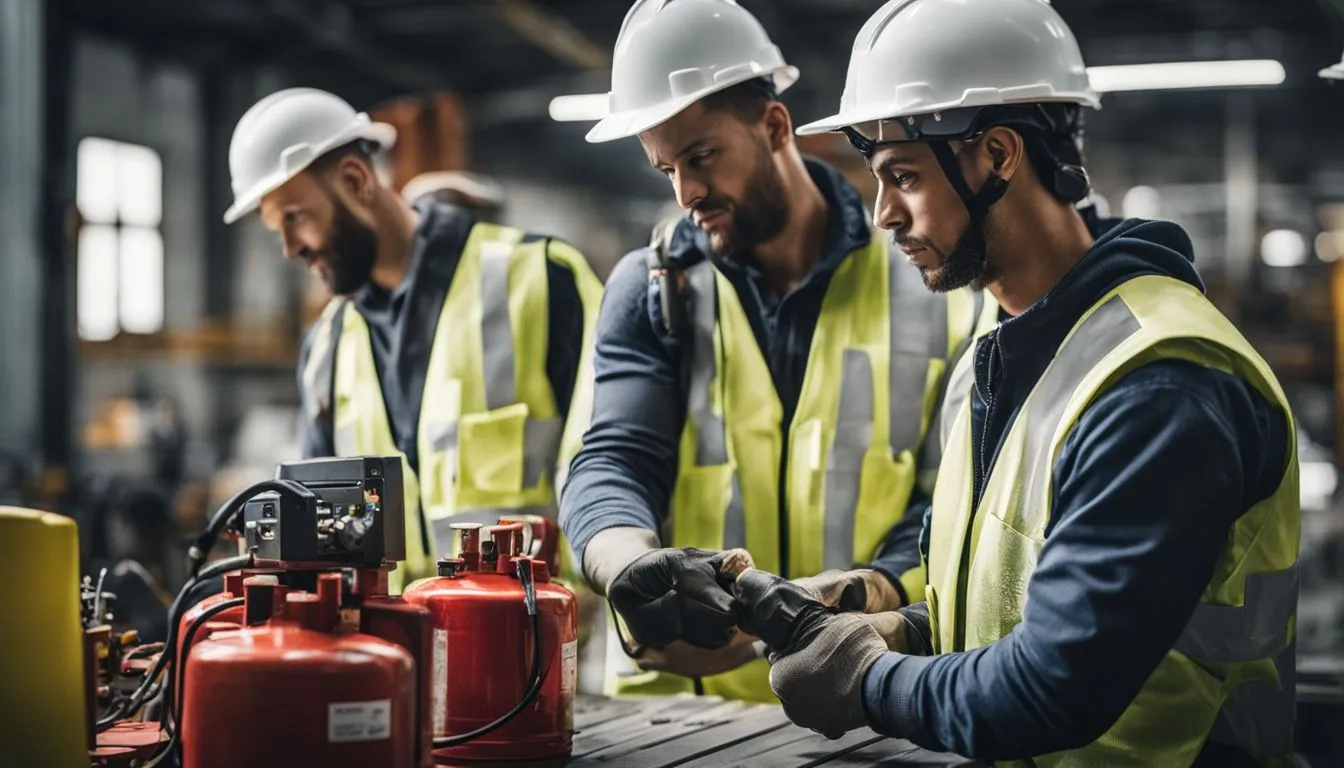
The HSE Technical Manual (HTM) provides comprehensive guidance on isolating and controlling workplace hazards to ensure a safe working environment. It outlines the essential procedures for identifying energy sources, de-energising stored energies, and implementing lockout/tagout systems.
This manual serves as a valuable resource for ensuring compliance with occupational health and safety guidelines, helping businesses understand the legal requirements and safety protocols necessary for effective hazard prevention measures.
Moreover, the HTM offers insights into safe electrical isolation practices, emphasising the importance of risk assessment and interlocked guarding. By adhering to the guidelines outlined in this manual, businesses can establish a robust safety management framework that aligns with industry standards while prioritising employee well-being.
WorkSafe Victoria
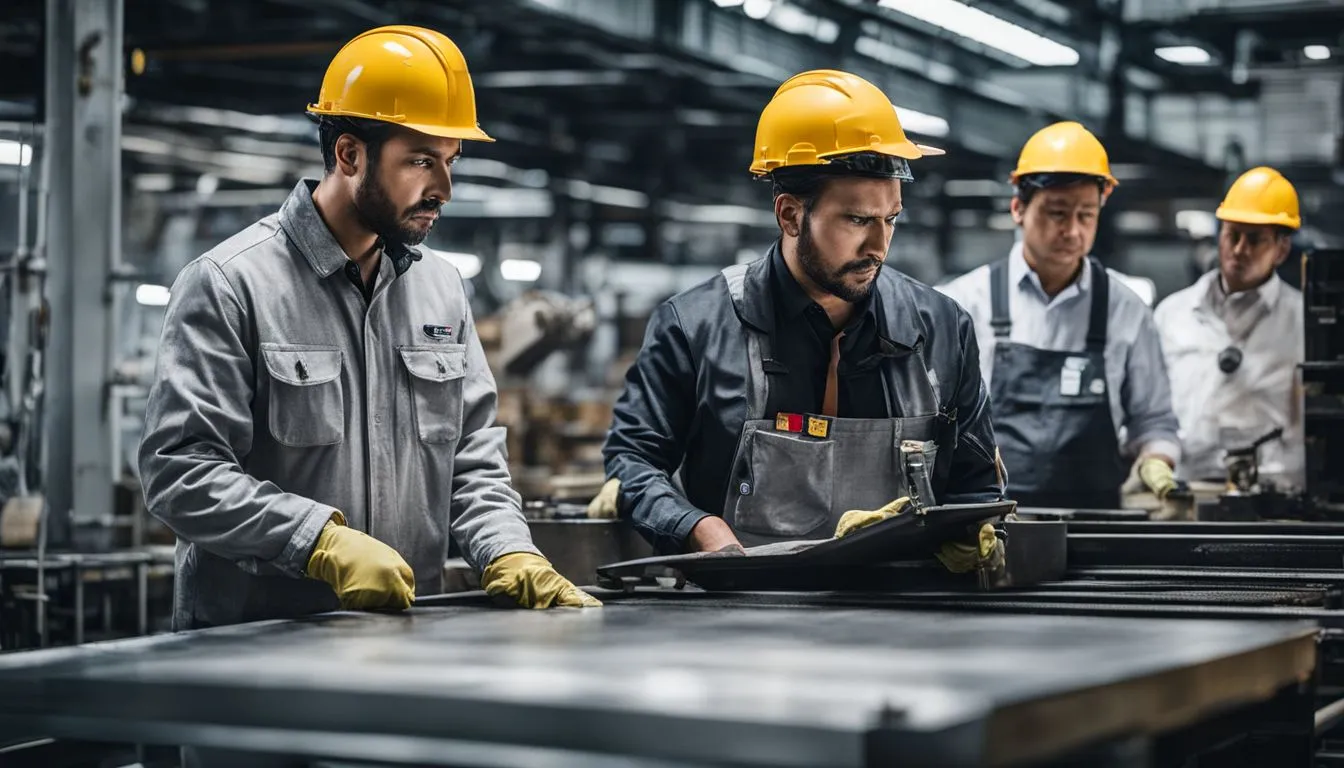
WorkSafe Victoria ensures the safety and health of Victorian workers by enforcing compliance with occupational health and safety legislation. They provide guidance, resources, and training to help businesses adhere to safety standards in the workplace.
By working closely with WorkSafe Victoria, businesses can ensure that their isolation procedures meet legal requirements and are fully compliant with OHS guidelines. Compliance with WorkSafe Victoria’s regulations not only fosters a safe work environment but also shields businesses from potential legal issues related to workplace isolation procedures.
Business owners must engage with WorkSafe Victoria for guidance on isolating equipment safely in industrial settings, as per OHS guidelines.
Legal Requirements
Compliance with legal requirements is crucial in ensuring workplace safety. Meeting HSE Technical Manual (HTM) and Health and Safety Executive regulations, as well as other applicable legal standards, is essential for protecting the wellbeing of your employees.
It involves understanding and adhering to permit-to-work (PTW) requirements, implementing proper isolation procedures, conducting risk assessments, and maintaining safe electrical isolation practices.
These measures not only demonstrate commitment to occupational health and safety guidelines but also help avoid potential fines or penalties.
Staying compliant with legal requirements establishes a strong foundation for a robust safety management framework within your organisation. This includes adopting effective hazard control measures, adherence to lockout/tagout procedures, providing necessary personal protective equipment (PPE), and following industry-specific safety protocols.
Hierarchy of Control: Isolating and Segregating Hazardous Chemicals
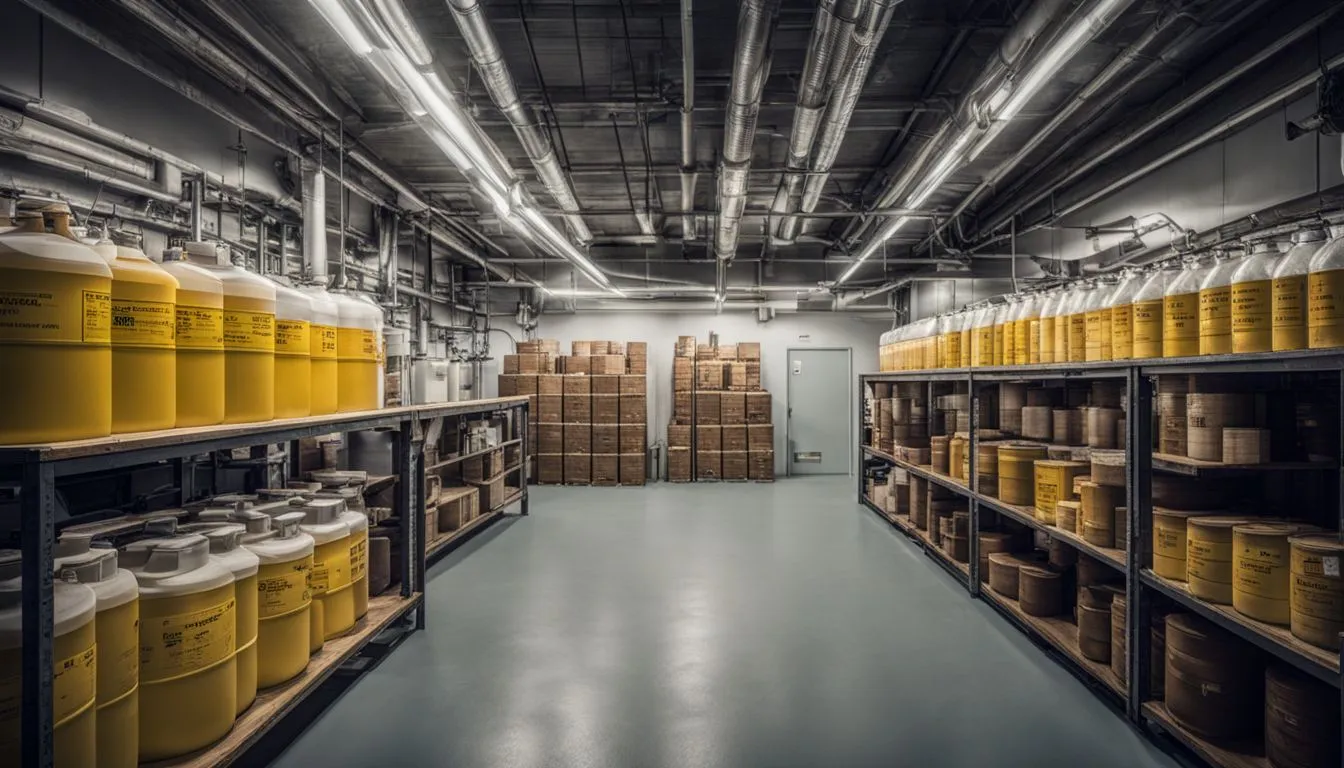
Isolating and segregating hazardous chemicals is crucial for workplace safety. We create physical barriers to prevent the mixing of different chemicals and dangerous goods, whilst also providing training to staff in chemical storage and housekeeping.
Isolation Control
Isolating and segregating hazardous chemicals is crucial in preventing workplace incidents. By creating physical barriers between different substances, we can effectively minimise the risk of accidents.
Training staff in chemical storage and housekeeping ensures that everyone understands the importance of maintaining these isolation measures.
Implementing effective isolation control measures reduces the potential for dangerous chemical reactions or spillages, safeguarding both employees and the environment. Segregating chemicals and dangerous goods within an industrial setting also significantly lowers the risk of accidental mixing, which could lead to serious health hazards or environmental contamination.
Segregating Chemicals and Dangerous Goods
Transitioning from isolation control to segregating chemicals and dangerous goods, it is crucial for businesses to establish a clear system for organising and storing hazardous substances.
Segregation involves keeping incompatible chemicals separate to prevent harmful reactions. This process creates physical barriers, such as designated storage areas or containers, which reduces the risk of accidental mixtures.
Business owners should train staff in chemical storage and housekeeping practices that underpin safety protocols. Additionally, creating a well-segregated area not only safeguards employees but also ensures compliance with OHS guidelines and legal requirements pertaining to hazardous material management.
Creating Physical Barriers
Creating physical barriers in the workplace involves installing guardrails, fencing, or other structures to separate employees from hazardous areas. These barriers act as a visual and physical reminder of potential dangers, preventing unauthorised access and reducing the risk of accidents.
By employing this practice, businesses can effectively control the movement of personnel while enhancing overall safety protocols.
For instance, using bollards around machinery or restricted zones helps prevent accidental collisions or unauthorised entry. Similarly, installing safety enclosures around high-voltage equipment reduces exposure to electrical hazards.
Training Staff in Chemical Storage and Housekeeping
Training staff in chemical storage and housekeeping is essential for maintaining a safe workplace environment. Ensuring that employees are well-versed in proper chemical handling, storage, and housekeeping procedures helps mitigate potential hazards and prevents accidents.
Providing comprehensive training on the correct use of personal protective equipment (PPE), hazardous material labelling, spill containment protocols, and waste disposal practices is crucial.
Moreover, regular refresher courses should be conducted to stay updated with the latest safety standards and regulations.
Implementing thorough training programmes empowers employees to confidently manage chemicals effectively, contributing to a safer work environment overall. It instils a culture of diligence and responsibility among staff members while upholding regulatory compliance in all operations related to chemical storage and housekeeping.
The Future is Here: Innovative Isolation Cabinets for Every Need
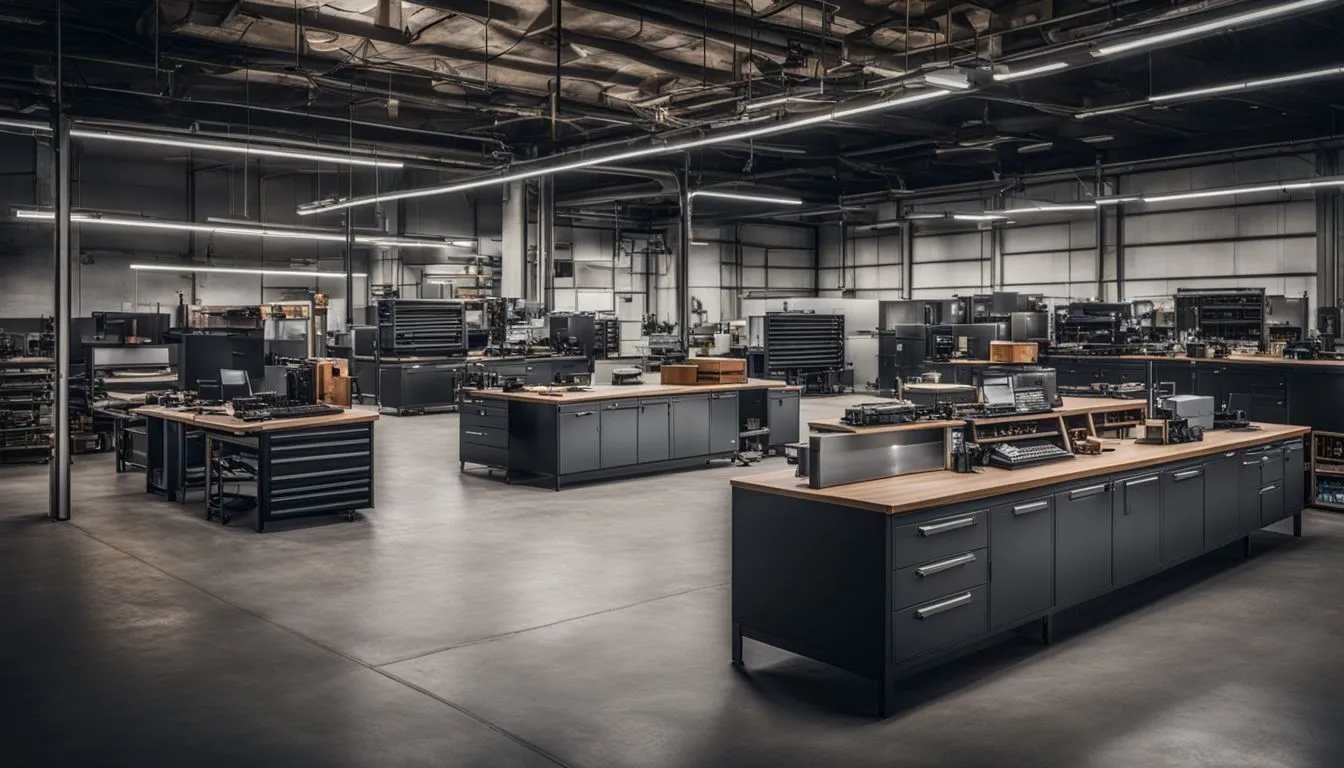
Innovative isolation cabinets are tailored to meet diverse industrial needs. These cabinets are meticulously designed to enhance workplace safety, not only providing physical barriers but also incorporating modern technology for an added layer of protection.
Each cabinet is bespoke and underpins a safety management framework, ensuring comprehensive hazard control. By using these state-of-the-art isolation cabinets, businesses can navigate the complexities of ever-evolving workplace safety standards and regulations while effectively managing workplace hazards.
The use of innovative isolation cabinets showcases a commitment to robust safety protocols and risk management in the realm of industrial protection. It is advisable for business owners to consider integrating these advanced solutions into their safety procedures as part of their ongoing commitment towards creating a safe and secure work environment in line with occupational health and safety guidelines.
The Importance of Safety Compliance
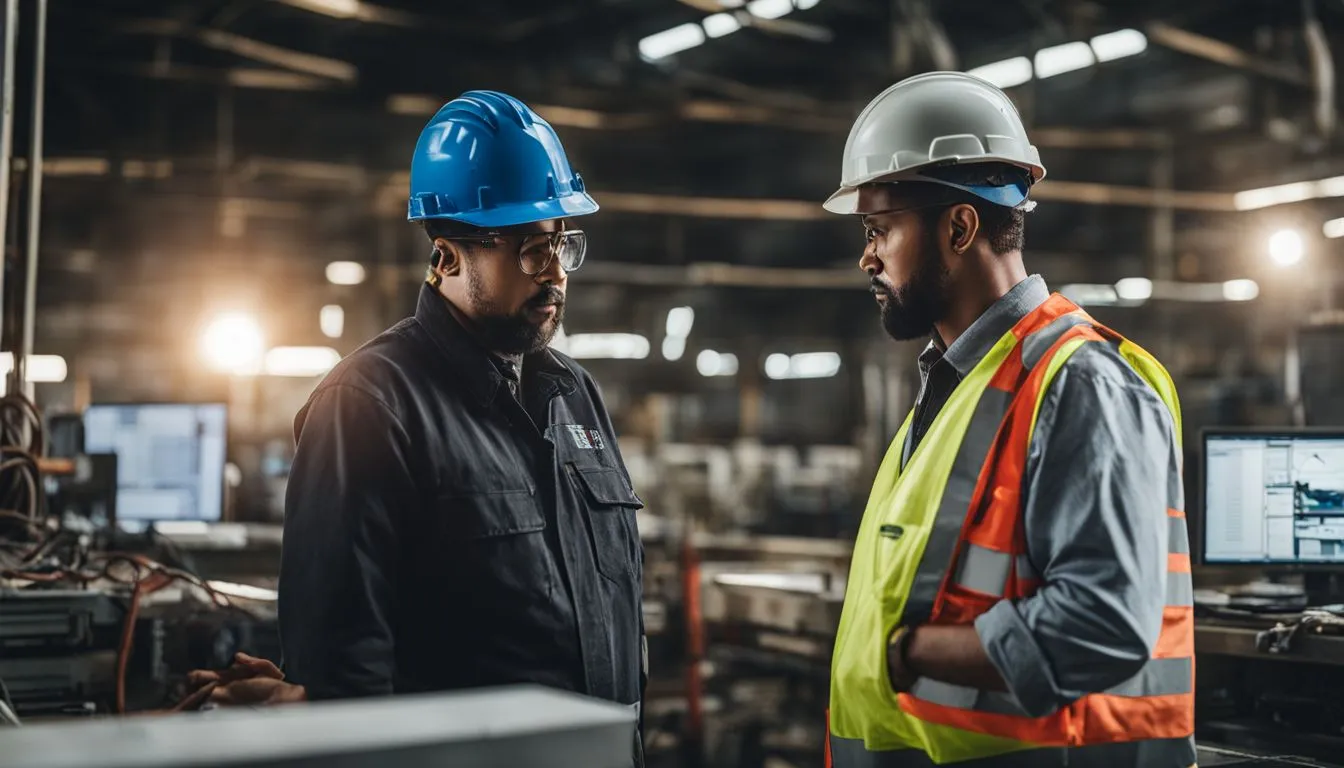
Safety compliance is crucial for maintaining a safe working environment. It underpins the implementation of safe electrical isolation practices and the requirement to conduct a risk assessment.
The Top Safe Electrical Isolation Practices
Ensuring safe electrical isolation is crucial for protecting workers and preventing accidents. Here are the top safe electrical isolation practices:
- Conduct thorough training on lockout/tagout procedures to ensure proper implementation and understanding among employees.
- Regularly inspect and maintain isolation equipment to guarantee its functionality and effectiveness in isolating electrical sources.
- Implement a permit-to-work system to control access to hazardous energy sources and ensure that only authorised personnel perform isolation procedures.
- Utilise interlocked guarding systems to prevent equipment from operating when isolation procedures are ongoing, adding an extra layer of protection.
- Consider using visual aids such as safety signs, labels, and colour – coded tags to clearly communicate the status of isolated energy sources.
- Develop comprehensive written procedures for electrical isolation processes, including step-by-step instructions and safety precautions for each task.
- Encourage constant communication between employees involved in isolation procedures to promote awareness and enhance overall safety measures.
- Emphasise the importance of risk assessment before conducting any electrical isolation activities, identifying potential hazards and determining necessary control measures.
Requirement to Conduct a Risk Assessment
Transitioning from safe electrical isolation practices to conducting a risk assessment, we understand the importance of ensuring workplace safety measures. Conducting a risk assessment is essential for identifying and evaluating potential hazards in your industrial setting.
It involves systematically examining all aspects of your operations to determine where risks may arise and what control measures should be implemented to mitigate them effectively.
Assessing risks in your workplace enables you to proactively address potential dangers before they lead to accidents or injuries. By thoroughly evaluating the work environment, machinery, and processes, you can implement tailored safety protocols that ensure the wellbeing of all workers and compliance with OHS guidelines.
Requirement for Interlocked Guarding
Interlocked guarding is a critical safety feature that ensures equipment cannot operate when its guards are not in place. This requirement prevents accidental contact with moving parts, reducing the risk of workplace injuries and machinery damage.
Implementing interlocked guarding aligns with OHS guidelines and enhances industrial protection measures, promoting a safer work environment.
When considering interlocked guarding, it’s essential to prioritise tailored solutions for specific equipment and hazards. Integrating interlock mechanisms into operational processes safeguards against unauthorised access or tampering, further solidifying workplace safety protocols.
Conclusion

In wrapping up, we’ve covered essential safety procedures and strategies for implementing isolation assemblies in industrial settings. These practical methods are easy to understand and can significantly improve workplace safety.
Applying these approaches can lead to a marked reduction in workplace hazards and ensure compliance with safety regulations. For further resources on this topic, consult HSE Technical Manual (HTM) or WorkSafe Victoria guidelines.
To conclude, remember that prioritising safety is crucial for a sustainable and productive work environment.
Sorting out lockout for your own site?
Describe what needs isolating and we'll help you work out the setup that fits.