

Navigating the ins and outs of workplace safety can be a bit like trying to find your way through one of those tricky mazes. We totally get how daunting it can be, and that’s exactly why we’re all about championing lockout tagout procedures, they really are the bees’ knees when it comes to stopping machinery from firing up when you least expect it. We’ve taken a proper squiz at this topic and we’re keen as mustard to guide you through the nitty-gritty steps so that you can keep your team safe as houses. So, let’s crack on and make safety the name of the game!
What is Lockout Tagout?
Lockout Tagout, also known as LOTO, is a safety procedure used to ensure that dangerous machines are properly shut off and not restarted before maintenance or service work is completed.
It involves the use of locks and tags to control hazardous energy sources. This process is essential for protecting workers from injury during equipment maintenance or repair.
Definition
Lockout tagout is a safety procedure which ensures that dangerous machines are properly shut off and not started up again before the completion of maintenance or repair work. It involves placing a lockout device on an energy isolating device, ensuring that the equipment being controlled cannot be energised until the lock is removed.
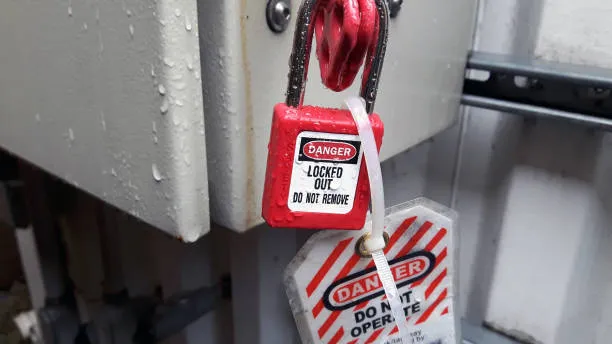
This method prevents accidental start-up of machinery, safeguarding employees from potential hazards caused by unexpected releases of stored energy. We use padlocks for lockout tagout to secure these devices, making sure only authorised individuals have access to the keys.
OSHA regulations require businesses to implement a comprehensive lockout tagout programme. This includes training employees on the correct use of energy isolating and lockout devices along with maintaining a detailed log sheet capturing each step taken during these procedures.
Our responsibility as business owners goes beyond simply providing this equipment; it’s crucial we foster an environment where safety precautions are second nature and every staff member understands their role in mitigating risks associated with hazardous energy.
Importance
A robust lockout/tagout programme is crucial for workplace safety. Implementing proper lockout/tagout procedures ensures that employees are protected from hazardous energy sources, preventing serious injuries or fatalities.
Adhering to HSE standards and using appropriate lockout devices and tagout equipment not only keeps workers safe but also minimises the risk of costly penalties for non-compliance.
Regular maintenance procedures and ongoing training on lockout/tagout best practices are essential for maintaining a safe working environment.
Implementing efficient lockout/tagout measures not only protects employees but also safeguards valuable equipment and prevents production downtime due to accidents or damage caused by unexpected energising of machinery.
OSHA Standard
The HSE standard outlines the requirements for lockout/tagout procedures, ensuring that all equipment is properly isolated from its energy source before maintenance or servicing. This standard mandates detailed procedures for de-energising and locking out machinery to prevent unexpected start-ups, reducing the risk of workplace accidents and injuries.
Compliance with these standards is essential to ensure a safe working environment and avoid costly penalties or legal ramifications.
Business owners must adhere to HSE standards by implementing robust lockout/tagout programs, providing comprehensive employee training, conducting regular audits, and maintaining accurate documentation of all lockout/tagout procedures.
Components of a Comprehensive Lockout Tagout Procedure
In a comprehensive lockout tagout procedure, various components need to be addressed, including preparation, shut down, isolation, application of lockout/tagout devices, stored energy check, verification and re-energising.
Each step plays a crucial role in ensuring the safety of workers and equipment.
Preparation
Before beginning the lockout tagout procedure, it’s vital to gather all necessary tools and equipment, including padlock keys, lockout devices, tagout devices, and the lockout tagout log sheet.
It’s also crucial to have a clear understanding of the equipment that needs isolation and energy control points. Communicating with all relevant staff members about the impending lockout is essential for ensuring everyone understands their roles in the process.
Shut Down
To shut down equipment, follow the specific procedures outlined for each machine. Locate and operate the shutdown control or switch to stop the equipment from running. If there are multiple energy sources, ensure all of them are turned off before proceeding with lockout/tagout procedures.
It’s crucial to follow the manufacturer’s guidelines when shutting down any piece of equipment to avoid damage or accidents during the process.
After ensuring that all energy sources have been disconnected, verify the isolation of the equipment by trying to start it up. This will help confirm that no stored energy remains within the system.
Always use caution when performing this step and be vigilant for any unexpected movement or noise as a sign that isolation may not be complete.
Isolation
Isolating equipment is a crucial step in the lockout/tagout procedure. During this phase, all energy sources to the equipment are identified and isolated. This may involve shutting off power supply, closing valves, or blocking electrical circuits.
It is important to carefully follow isolation procedures to ensure that no energy source remains connected before applying lockout/tagout devices.
As they move on to the next stage of “Lockout/Tagout,” let’s delve into understanding its significance and how it plays a vital role in ensuring safety for both employees and machinery.
Lockout/Tagout
Lockout/tagout is crucial for ensuring the safety of workers and preventing accidents when servicing or maintaining equipment. It involves isolating the energy source and using a lock or tag to prevent the equipment from being turned on.
This process must be clearly outlined in your company’s procedures, and all employees should receive thorough training to understand its importance and how to implement it effectively.
When conducting lockout/tagout procedures, always use proper equipment such as locks, tags, and LOTO boxes, and ensure that all steps are followed meticulously to guarantee the safety of your workers.
Stored Energy Check
After performing the lockout/tagout procedure, it is crucial to conduct a thorough stored energy check before any maintenance work begins. This involves identifying and releasing any residual or stored energy in the equipment or machinery.
By doing so, potential hazards from unexpected release of energy are eliminated, ensuring the safety of workers and preventing accidents.
This step may involve tasks such as discharging capacitors, relieving hydraulic pressure, bleeding air pressure, and ensuring that all moving parts have come to a complete stop. Furthermore, verifying that no tools or materials are left inside the equipment adds an extra layer of precaution.
Verification and Re-Energising
After isolating and locking out the equipment, it is crucial to verify that all energy sources have been effectively isolated before re-energising. This verification step involves using testing devices or methods to double-check that no hazardous energy remains in the equipment.
This ensures that employees are safe from unexpected releases of energy during servicing or maintenance activities.
Once verification is complete and it is confirmed that the equipment is safe to operate, the re-energising process can commence. During re-energising, strict adherence to lockout/tagout procedures must be maintained, ensuring that all personnel are clear of danger zones before restarting the machinery or equipment.
Common Mistakes to Avoid When Using Lockout/Tagout Systems
One common mistake to avoid when using lockout/tagout systems is the lack of training, which can lead to improper use and potential safety hazards. To learn more about how to effectively implement lockout/tagout procedures and equipment, continue reading our comprehensive breakdown.
Lack of training
Training is essential to ensure that all employees understand the proper procedures for lockout/tagout. Inadequate training can lead to mistakes, putting workers at risk of injury and employers at risk of HSE violations.
Employees must be fully educated on how to identify energy sources, isolate equipment, apply locks and tags correctly, and verify isolation before re-energising machinery.
Insufficient instruction on lockout/tagout procedures may result in non-compliance with safety standards, inadequate use of protective equipment, and failure to recognise potential hazards in the workplace.
Failure to follow procedures
Failure to follow lockout/tagout procedures poses a serious risk to the safety of workers and the security of equipment. Neglecting to adhere to established protocols can result in accidents, injuries, or even fatalities.
It is crucial that all employees are trained thoroughly on the correct procedures and understand the importance of strict adherence at all times. Utilising proper lockout/tagout equipment and following every step meticulously is non-negotiable when it comes to maintaining a safe work environment and preventing potential disasters.
Business owners must prioritise regular training sessions for their employees, ensuring they fully comprehend the consequences of failing to follow procedures correctly. Implementing thorough checks and measures will further reinforce these standards, ultimately reducing risks associated with improper lockout/tagout usage.
Not using proper equipment
Failing to utilise the correct equipment during lockout/tagout procedures is a significant hazard. Proper lockout devices and tagout systems are essential for isolating energy sources effectively and preventing unexpected start-ups.
Inadequate or faulty equipment can compromise the safety of employees and lead to severe accidents, including electrocution, burns, or crushing injuries. Compliance with OSHA standards requires implementing approved lockout/tagout devices that are durable enough to withstand industrial settings and ensure reliable isolation of hazardous energy sources.
Additionally, using substandard locks or tags may result in inadvertent re-energising of equipment, putting workers at risk. Ensuring that all lockout/tagout equipment meets industry standards and conducting regular inspections for wear and tear is crucial for sustaining a safe working environment.
Overview of Lockout Devices
Lockout devices, energy isolating devices, tagout devices, and LOTO boxes are all crucial components of a comprehensive lockout/tagout procedure. Understanding the different types of lockout devices and their specific uses is essential for ensuring the safety of workers during equipment maintenance and repair.
Energy isolating devices
Energy isolating devices, such as disconnect switches and circuit breakers, play a crucial role in the lockout tagout process. These devices physically prevent the release of hazardous energy by cutting off the power supply to equipment or machinery.
They are essential for ensuring that no unexpected startup or release of stored energy occurs while maintenance or servicing is being carried out. Additionally, these devices come in various forms and are specifically designed to fit different types of machinery and equipment, making them adaptable to a wide range of industrial settings.
Ensuring proper training on identifying and using these energy isolating devices is paramount for maintaining a safe working environment. Testing and regular inspection of these devices are also vital in preventing workplace accidents related to hazardous energy sources.
Lockout devices
Lockout devices play a critical role in ensuring workplace safety. They physically restrain energy-isolating devices, preventing the activation of equipment that could pose a hazard.
These devices are specifically designed to fit onto the energy isolating mechanism, effectively locking it in the off position. Lockout devices come in various types, including lockout hasps, cable lockout devices, and circuit breaker lockouts.
Each type is engineered to fit different kinds of energy control points and can accommodate multiple padlocks.
Tagout devices
After understanding the importance of lockout devices, it is equally crucial to comprehend the role and significance of tagout devices in a comprehensive lockout/tagout procedure. Tagout devices are used to provide information about who is working on the isolated equipment and why it has been locked out.
They act as a visual warning to inform others not to re-energise the equipment during maintenance or servicing. This additional layer of safety helps prevent accidents, injuries, and even fatalities by providing clear communication about the status of machinery or equipment being worked on.
When using tagout devices, ensure that they are durable, easily noticeable, and securely attached to the locked-out equipment. Additionally, all necessary information should be clearly written on the tags with specific details about who is working on the equipment and how they can be reached during an emergency.
LOTO boxes
LOTO boxes, also known as lockout/tagout boxes, are an essential part of any comprehensive lockout/tagout programme. These durable and secure devices are used to store lockout/tagout equipment, such as padlocks, hasps, tags, and keys.
LOTO boxes provide a centralised location for all necessary items required to isolate and secure energy sources during maintenance or servicing activities. They help in keeping everything organised and easily accessible when needed for locking out machinery or equipment.
By using LOTO boxes, businesses can ensure that employees have quick access to the tools they need to implement proper lockout/tagout procedures efficiently and effectively. These dedicated storage units serve as a visual reminder of the company’s commitment to safety while helping workers adhere to HSE standards for energy control programmes.
The 9 Steps of Lockout, Tagout, Try-out
Preparing for lockout/tagout involves identifying all energy sources and isolating the equipment, applying lockout/tagout devices to ensure no accidental re-energising occurs, checking for stored energy, verifying isolation with proper testing procedures, re-energising equipment only after ensuring it is safe to do so, removing lockout/tagout devices, performing a test run of the equipment, and finally restoring equipment and documenting all procedures.
Want to learn more about these essential steps in maintaining safety in your workplace? Read on!
Preparing for lockout/tagout
Before initiating the lockout/tagout process, it’s crucial to notify all affected employees about the planned shutdown. Identifying the energy sources and understanding how they should be isolated is essential, as well as gathering all the necessary lockout/tagout equipment such as locks, tags, and devices.
Moreover, developing step-by-step procedures for shutting down equipment and establishing a clear communication plan will ensure that everyone involved in the process understands their roles and responsibilities.
Once every aspect of preparation has been thoroughly addressed and communicated to all relevant personnel, implementing a lockout/tagout procedure becomes more effective in ensuring workplace safety and compliance with OSHA standards.
Shutting down and isolating equipment
Shutting down and isolating equipment is a critical step in the lockout/tagout process. They ensure that all machinery is powered off and any energy sources are disconnected. This prevents unexpected startup or release of stored energy during maintenance or servicing.
Following proper procedures for disconnecting, de-energising, and locking out power sources is essential to maintaining a safe work environment.
Isolating equipment involves identifying all energy sources associated with the machinery and ensuring they are isolated effectively. By following these steps rigorously, we minimise potential risks to employees working on the equipment or nearby individuals, complying with OSHA standards while promoting workplace safety.
Applying lockout/tagout devices
When applying lockout/tagout devices, make sure to use the appropriate equipment for isolating energy sources. Always follow the established procedures and ensure that all necessary steps are completed in sequence.
Before re-energising equipment, carefully remove lockout/tagout devices and perform a thorough test run to confirm that everything is functioning as expected.
Verify isolation of energy sources after applying lockout/tagout devices to prevent any unintended start-ups. When it comes to documenting procedures, be diligent in providing comprehensive records of the entire lockout/tagout process, including every step taken and all personnel involved.
Checking for stored energy
Before beginning any maintenance or service work, it’s crucial to check for any stored energy within the equipment. This includes sources like residual electricity, hydraulic pressure, or thermal energy.
Failure to identify and release this stored energy could result in serious injury or even fatalities. A thorough inspection of all potential sources of stored energy should be conducted using appropriate testing equipment and safety procedures before proceeding with lockout/tagout measures.
Additionally, confirming that all forms of hazardous energy have been effectively dissipated is a critical step in ensuring the safety of personnel working on machines and equipment.
Always follow specific procedure guidelines for releasing trapped energy from different types of machinery to prevent accidents or mishaps during lockout/tagout processes.
Verifying isolation
To verify isolation, use a lockout/tagout device to secure the energy-isolating devices. Once locked out, try to restart the equipment or machinery to ensure it remains inoperative.
This helps confirm that all sources of hazardous energy have been effectively isolated before any maintenance or servicing work begins. Regular verification is crucial for ensuring safety and compliance with lockout/tagout procedures.
Regular checks should also be performed to make sure there are no unexpected re-energisation issues during maintenance work. Employees must be well-trained in these verifications and understand how critical they are in preventing accidents and injuries.
Re-energising equipment
After verifying that isolation is complete and the equipment is safe to work on, we then move on to re-energising the equipment. This involves carefully following the established procedures for bringing the equipment back online.
It’s important to proceed slowly and deliberately, ensuring that all lockout/tagout devices are removed only when all personnel are clear of danger zones. Once all safety measures have been observed and verified, power can be restored to the machinery or system.
Before re-energising any equipment, it’s crucial to double-check that all components are in their proper places and functioning as intended. Carefully follow all manufacturer guidelines and make sure that there are no issues with stored energy before proceeding further.
Removing lockout/tagout devices
After re-energising equipment, it is crucial to follow the reverse steps for removing lockout/tagout devices. First, ensure that all employees are clear from the area and then physically remove the devices.
Next, carefully unlock each device while verifying that there is no residual energy in the system. Finally, fully restore power to the machinery and document all procedures according to standard protocols.
Properly removing lockout/tagout devices ensures a safe and efficient process when re-establishing normal operations. It’s imperative that every step is completed meticulously to safeguard against potential hazards or accidents resulting from incomplete removal of safety measures.
Performing a test run
After removing the lockout/tagout devices and before restoring the equipment, conduct a test run to ensure everything is operating as intended. Start by checking all control switches and buttons, confirming that they work properly.
Then, activate the equipment for a brief period to verify that it runs smoothly without any unusual noises or vibrations. If any issues arise during this test run, immediately stop the equipment and investigate further.
Once you have successfully completed the test run and are confident in the equipment’s functionality, proceed with restoring power and documenting all procedures followed during the lockout/tagout process.
This step ensures that everything is documented correctly for future reference.
Restoring equipment and documenting procedures
After completing the lockout/tagout procedure, it’s crucial to carefully restore equipment to its operational state. This involves removing all lockout/tagout devices and re-energising the equipment in accordance with established procedures.
Once this is done, it’s essential to document all steps taken during the process, including verification and re-energising, as well as any issues encountered or additional measures implemented.
Detailed documentation provides a comprehensive record of each lockout/tagout event, ensuring compliance with HSE standards and facilitating thorough safety audits.

Conclusion
We’ve covered the ins and outs of lockout safety locks in detail. The strategies provided are practical, easy to implement, and efficient for business owners. How can you ensure that your team is well-trained in lockout/tagout procedures? Stressing the importance of these strategies is vital for workplace safety and operational efficiency. Remember, always make use of additional resources for further learning. Consider how applying these techniques could lead to significant improvements in your work environment.
Sorting out lockout for your own site?
Describe what needs isolating and we'll help you work out the setup that fits.