
Amid the daily grind of running a business, it’s easy as pie to dismiss the vital necessity of proper safety lock protocols. Trust us, we’ve juggled those same potential risks linked with mishandling or inadequate isolation of machinery.
OSHA research even tells us that by simply sticking to Lockout/Tagout procedures, we could dodge about 50,000 injuries each year. This article is your map to understanding and nailing an effective lockout/tagout plan in your workspace.
Remember mate, a safe biz is a sound biz – let’s dive right in!
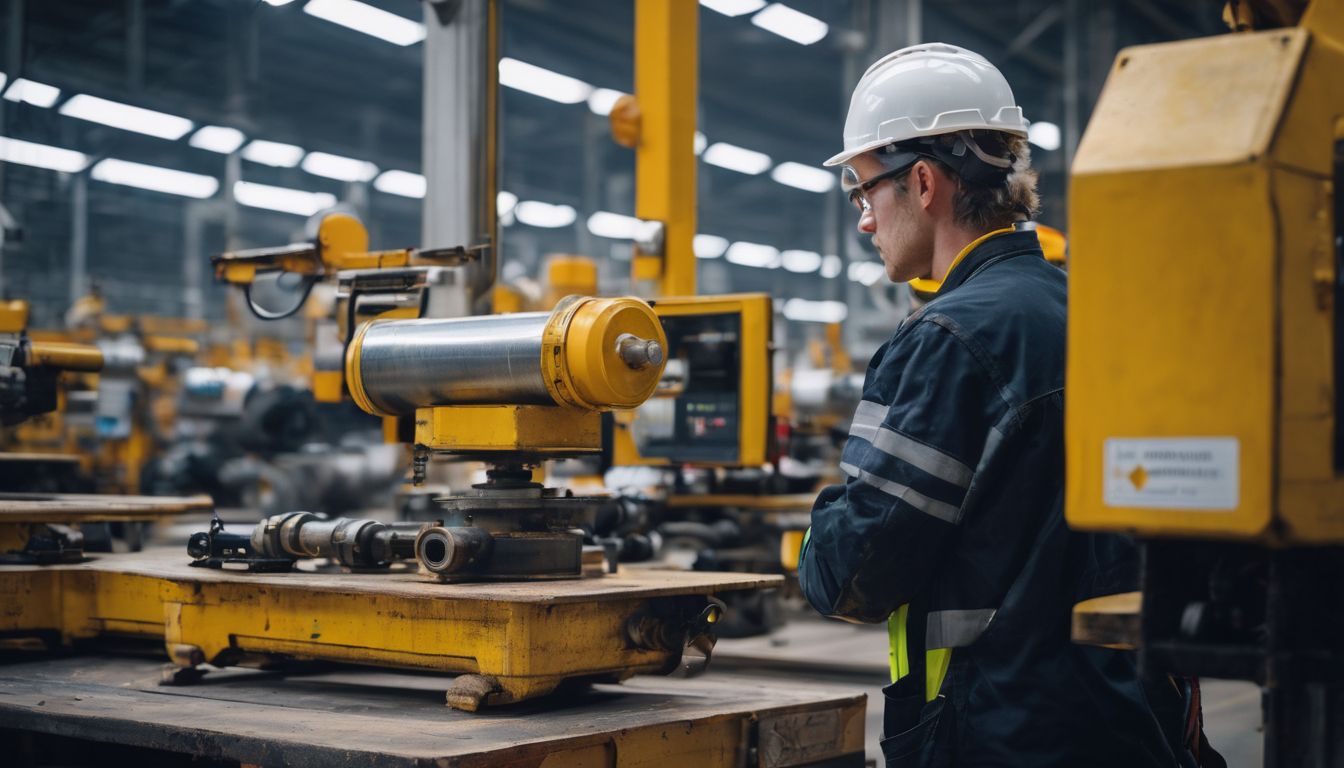
Understanding Lockout/Tagout
Lockout/Tagout is an essential procedure for securing machinery and ensuring the safety of employees and equipment in the workplace.
Importance of securing machinery
Securing machinery in your workplace is crucial to prevent accidents and machine malfunction. Not only does it safeguard your employees’ well-being, but also upholds the longevity of your equipment, saving cost repairs or replacements in the long run.
A robust lockout procedure assists in isolating energy sources during maintenance, reducing the likelihood of unexpected activations. As business owners hold legal obligations towards their workers’ safety under occupational health laws, implementing effective lockout protocols helps fulfil these duties effectively.
What is Lockout/Tagout?
Lockout/Tagout is a crucial procedure used to protect employees from hazardous energy sources during maintenance or repair of machinery. It involves isolating equipment and de-energizing electrical circuits to prevent unexpected startup or release of stored energy.
Lockout refers to physically locking the equipment with safety locks, while tagout involves using visible signs and tags to communicate that the machine is out of service. This ensures that no one inadvertently activates the equipment, reducing the risk of accidents and injuries.
By implementing lockout/tagout protocols, businesses can prioritise workplace safety and comply with occupational health and safety regulations.
How Tagout works
In our lockout/tagout procedures, the “Tagout” component plays a crucial role in ensuring workplace safety. Tagging involves placing a visible tag on equipment that has been de-energized and locked out.
These tags serve as visual prompts to alert employees about the potential hazards associated with the equipment. They also communicate important information such as who is responsible for the lockout/tagout, when it was implemented, and when it can be removed.
By using tags alongside locks, we create a comprehensive system that helps prevent accidents and ensures that machines are not reactivated without proper authorization.
Difference between de-energization and lockout/tagout
De-energization and lockout/tagout are two different but closely related concepts when it comes to equipment safety. De-energization refers to the process of shutting down electrical circuits or isolating energy sources in order to make a machine safe for maintenance or repairs.
On the other hand, lockout/tagout involves physically securing the equipment with locks and tags to prevent anyone from accidentally reactivating it while work is being done. While de-energization focuses on cutting off power, lockout/tagout provides visual prompts and reminders that the machinery should not be operated until all work is complete.
Both procedures are essential for ensuring workplace safety and preventing accidents caused by hazardous energy.
The Importance of Lockout/Tagout
Lockout/Tagout is crucial for the safety of employees and the protection of equipment. Find out why implementing proper lockout/tagout procedures is essential in ensuring a safe work environment.
Read more to understand its significance in workplace safety.
Safety for employees
Ensuring the safety of your employees is crucial in any workplace. Implementing lockout/tagout protocols plays a significant role in protecting your employees from accidents and injuries caused by unexpected energization of machinery or equipment.
By following proper lockout/tagout procedures, you can effectively isolate energy sources, preventing potential hazards and creating a safe working environment for your employees.
Implementing lockout/tagout protocols involves using safety locks to secure electrical circuits and equipment during maintenance or repair work. These locks act as visual prompts, indicating that the machinery is shut down and should not be reactivated until all tasks are completed.
This way, employees can confidently perform their duties without worrying about accidental start-ups or releases of hazardous energy.
In addition to using safety locks, it is essential to provide adequate training to your employees on lockout/tagout procedures. By ensuring they understand how to properly apply locks and tags, identify energy sources, and release from lockout safely, you empower them with the knowledge needed to protect themselves from potential dangers.
Protection of equipment
Protecting equipment is a crucial aspect of lockout/tagout procedures. By implementing these protocols, you can safeguard your valuable machinery from damage or malfunction caused by unexpected energization.
Lockout/tagout ensures that all energy sources are properly isolated, effectively preventing accidental startup and ensuring the safety of both employees and equipment. Implementing lockout devices, such as locks and signs, provide visual prompts to remind workers that equipment is undergoing maintenance or repair.
By prioritising the protection of your equipment through lockout/tagout procedures, you can minimise costly repairs and downtime while prioritising workplace safety for everyone involved.
Compliance with regulations
Compliance with regulations is a crucial aspect of lockout/tagout procedures. As business owners, it is our responsibility to ensure that we follow the guidelines set by regulatory authorities such as OSHA.
These regulations are in place to protect the safety and well-being of our employees, prevent workplace accidents, and mitigate any potential risks associated with energised machinery or equipment.
By complying with these regulations, we can create a safer work environment, minimise liability issues, and avoid costly penalties or legal consequences. It is important to regularly review and update our lockout/tagout programs to stay current with any changing requirements or OSHA interpretations.
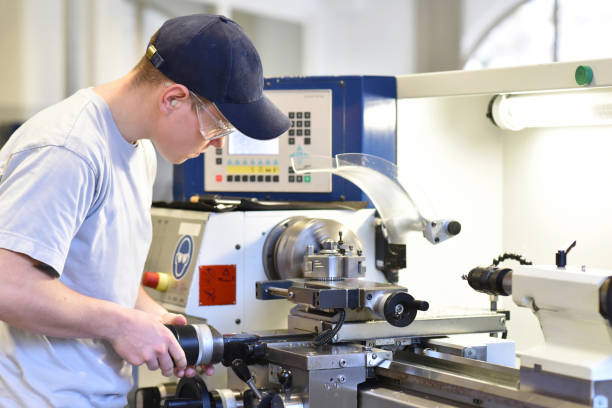
Key Components of a Comprehensive Lockout/Tagout Procedure
The key components of a comprehensive lockout/tagout procedure include identifying equipment and energy sources, notifying personnel, de-energizing and stopping operations, applying locks and tags, and properly releasing from lockout.
Identification of equipment and energy sources
To ensure the safety of your employees and protect your equipment, it is crucial to have a comprehensive lockout/tagout procedure in place. One key component of this procedure is the identification of equipment and energy sources.
By clearly labelling all machinery and identifying potential energy sources such as electrical circuits or hydraulic lines, you can effectively communicate which equipment needs to be locked out or tagged out before any maintenance or repair work begins.
This visual prompt helps prevent accidental reactivation of equipment, reducing the risk of injuries and incidents in the workplace. Remember to regularly review and update your isolation management plan to reflect any changes in equipment or energy sources.
In addition, training your employees on how to properly identify equipment and energy sources is essential for their safety. Provide them with resources such as case studies, white papers, and OSHA interpretations that illustrate the importance of this step in lockout/tagout procedures.
Personnel notification
When implementing lockout/tagout procedures, one crucial step is personnel notification. It is essential to inform all employees about the upcoming lockout/tagout process so that they are aware of when and how it will be conducted.
This notification can take the form of a meeting, email, or bulletin board announcement. By notifying personnel in advance, it ensures that everyone understands the importance of following these safety measures and cooperates during the lockout/tagout procedure.
Providing clear instructions and reminding employees to stay away from locked-out equipment helps prevent accidents and promotes workplace safety.
De-energization and stopping operations
To ensure the safety of employees and protect equipment, it is crucial to de-energize machinery and stop operations during lockout/tagout procedures. This means shutting off electrical circuits or isolating energy sources to eliminate any potential hazards.
By doing so, you prevent accidental starts or releases of stored energy that could lead to serious injuries. Stopping operations also allows for a smooth execution of the lockout/tagout process, as well as providing visual prompts through locks and signs that indicate which machines are currently out of service.
Application of locks and tags
We apply locks and tags to equipment during the lockout/tagout process. Locks provide physical barriers, preventing any unauthorised access or operation of machinery. Tags serve as visual prompts, providing information about why the equipment is locked out and who is responsible for it.
These locks and tags ensure that everyone in the workplace understands that certain equipment is temporarily disabled for maintenance or repair. By using these safety measures, we protect employees from hazards and minimise the risk of accidents caused by unexpected energization of machines.
Release from lockout
To safely release a lockout, it is crucial to follow proper procedures. First, the responsible employee must ensure that all work is completed and machinery has stopped running. Then, they should verify that no one will be harmed by reactivating the equipment.
Afterward, the locks and tags can be removed and stored in their designated place. It’s important to remember that only authorised personnel are allowed to remove locks or tags. By following these steps and keeping safety as the top priority, businesses can protect their employees and prevent accidents when releasing from a lockout situation.
Once all work is finished and machinery has come to a halt, take extra caution before releasing from lockout protocols. Verify that there are no employees or maintenance workers in close proximity who could be endangered when reactivating the equipment.
This step might require visual prompts or communication between team members for confirmation purposes. Then, unlock all devices used for lockout/tagout procedures and securely store them until needed again in the future.
Training Employees on Lockout/Tagout Procedures
Proper training is essential to ensure employees understand and follow lockout/tagout procedures.
Importance of proper training
Proper training is essential when it comes to implementing lockout/tagout procedures in the workplace. As business owners, we have a responsibility to ensure the safety of our employees, and providing them with thorough and effective training is crucial in achieving this goal.
By properly training our employees on lockout/tagout procedures, they will have the knowledge and skills necessary to safely isolate energy sources, apply locks and tags, and reactivate equipment when needed.
This not only protects their well-being but also helps prevent accidents and injuries that could result from improper handling of machinery. With proper training, we can create a culture of safety in our workplace and minimise the risks associated with hazardous energy.
Resources for training
We understand the importance of proper training when it comes to lockout/tagout procedures. That’s why we have compiled a range of resources to help you train your employees effectively.
Our comprehensive training materials include informative videos, easy-to-follow manuals, and interactive online courses. We also offer refresher courses for those who need to brush up on their knowledge.
With our resources, you can ensure that your employees are equipped with the necessary skills and understanding to implement lockout/tagout protocols correctly. Invest in their safety by providing them with the tools they need to protect themselves and others while working with machinery and equipment.
Refresher courses
We understand that it can be challenging to remember all the details of lockout/tagout procedures, especially if it has been a while since your employees received initial training.
That’s why refresher courses are crucial in ensuring workplace safety. These courses help reinforce the importance of properly implementing lockout/tagout protocols and remind employees about the specific steps they need to take when working with electrical circuits or equipment.
By offering refresher courses, you can keep your workers up-to-date on safety precautions and reduce the risk of accidents or injuries. Remember, investing in ongoing training shows your commitment to maintaining a safe work environment for everyone involved.
Implementing Lockout/Tagout in Specific Industries
In specific industries, such as mining, construction, manufacturing (pulp, board and paper, tissue, etc.), and the energy sector, implementing lockout/tagout protocols is crucial for ensuring workplace safety.
Mining
In mining, implementing lockout/tagout protocols is crucial for ensuring the safety of workers and protecting valuable equipment. By properly securing machinery and isolating hazardous energy sources, companies can prevent accidents and injuries.
This involves the identification of equipment and energy sources, notifying personnel about lockout procedures, applying locks and tags to control access, and safely releasing from lockout when work is complete.
Training employees on these protocols is essential to ensure their understanding and adherence to safety measures in the mining industry.
Construction
In the construction industry, lockout/tagout procedures play a crucial role in ensuring the safety of workers. Construction sites are filled with heavy machinery and equipment that can pose serious risks if not properly isolated and secured.
By implementing comprehensive lockout/tagout protocols, construction companies can protect their employees from hazardous energy sources and prevent accidents or injuries. This involves identifying equipment and energy sources, notifying personnel about lockout procedures, de-energizing equipment before maintenance or repairs, applying locks and tags to prevent reactivation, and providing visual prompts for safe operation.
Safety locks are an essential tool in construction sites to create a safer work environment for everyone involved.
Manufacturing (pulp, board and paper, tissue, etc.)
In manufacturing industries such as pulp, board and paper, tissue production, safety lockout protocols are crucial for protecting employees and equipment. These sectors involve the operation of heavy machinery and processes that can pose significant risks if not properly controlled.
Implementing lockout/tagout procedures ensures that workers are safe from hazardous energy sources while performing maintenance or repairs on equipment. By isolating electrical circuits, securing machinery with locks and signs, and following specific lockout procedures, potential accidents can be prevented.
This not only safeguards the well-being of employees but also helps maintain a productive work environment in compliance with occupational health and safety regulations.
Energy sector
In the energy sector, implementing effective lockout/tagout procedures is crucial for maintaining a safe working environment. With high-powered electrical circuits and complex equipment, the risk of accidents and injuries is significant.
Locking out machinery during maintenance or repair activities ensures that employees are protected from hazardous energy sources. Additionally, it helps prevent damage to equipment and avoids costly downtime.
By following lockout/tagout protocols in the energy sector, we prioritise safety precautions and ensure workplace safety for everyone involved.

Conclusion
In conclusion, implementing and following lockout/tagout procedures is crucial for ensuring the safety of employees and protecting equipment in various industries. By properly training employees and incorporating visual prompts such as locks and signs, businesses can effectively isolate energy sources and prevent accidents.
Compliance with regulations regarding lockout/tagout not only promotes workplace safety but also reflects a commitment to prioritising the well-being of workers. A closer look at lockout protocols has revealed that, indeed, safety locks matter. Reach out to Worksafe Lockouts to strengthen your workplace safety measures.


