
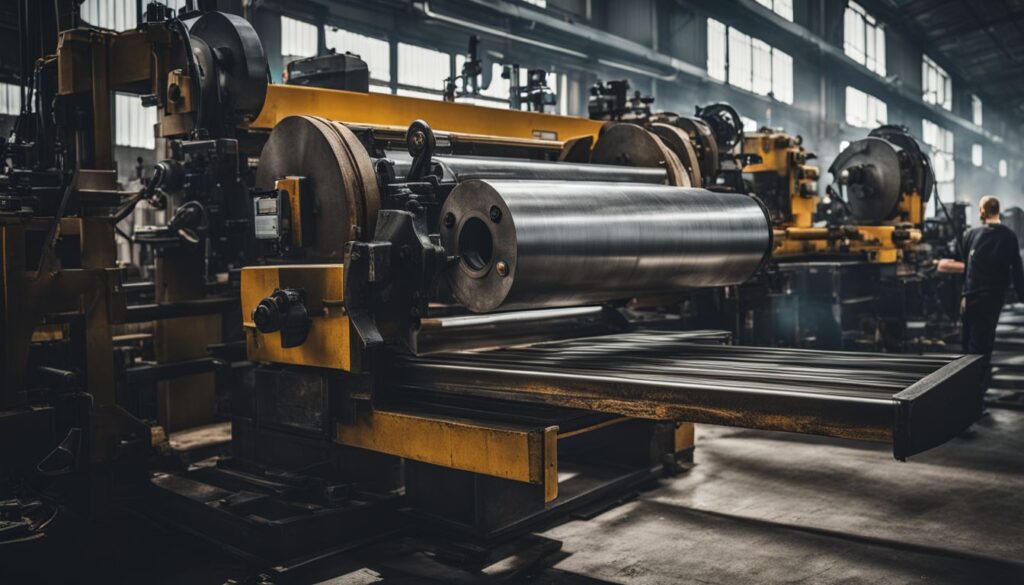
Securing heavy machinery in industrial settings is a bit of a tricky one, isn’t it? Many business owners, us included, have had our fair share of headaches over it. Interestingly, we found out that more than 30% of workplace accidents are down to equipment not being properly secured.
So, we thought we’d share a yarn on how to tackle this by getting your locking brackets sorted. Let’s keep each other safe and give those accidents a wide berth, hey?.
Understanding Locking Brackets in Industrial Settings

Locking brackets play a crucial role in industrial settings, offering both security and safety for machinery and shelving. These mechanical fasteners provide a secure attachment, ensuring that heavy equipment remains stationary during operation or maintenance.
We often see them used for machinery fixation, protecting workers from potential hazards caused by moving parts. Their design allows for quick isolation of machines during repairs, significantly reducing downtime and maintaining productivity.
Utilising locking brackets also supports compliance with Workplace Health and Safety (WHS) regulations. This ensures workplace security while preventing unauthorised access to restricted areas or dangerous equipment.
In essence, they act as protective devices that not only safeguard the machinery but also enhance worker protection through controlled access and hazard prevention. The implementation of these brackets is an actionable step towards achieving higher standards of industrial safety and security.
Benefits of Using Locking Brackets

Locking brackets enhance workplace security by preventing unauthorised access to restricted areas. They also ensure compliance with HSE regulations, promoting a safe and secure industrial environment.
Ensuring Workplace Security
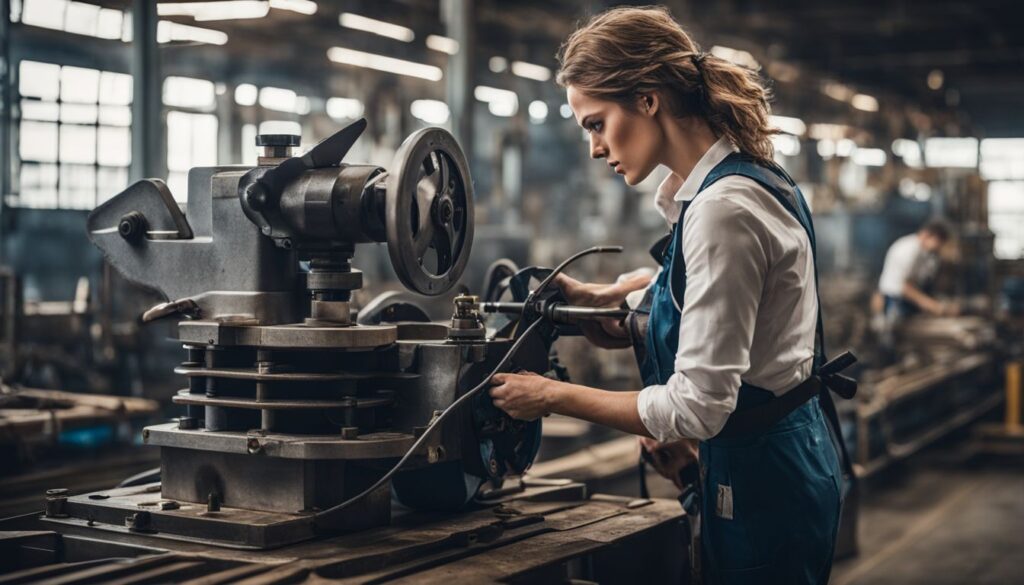
We prioritise the safety and security of our workplaces above everything. Implementing locking brackets plays a crucial role in this mission by preventing unauthorised access to machinery, shelving, and other vital equipment.
These mechanical fasteners effectively secure areas that are off-limits, ensuring that only qualified personnel can operate or maintain sensitive systems. This method not just bolsters workplace security but also significantly reduces the risk of accidents and hazards.
Our approach involves integrating these protective devices within our industrial settings to support a culture of safety first. Locking brackets serve as an essential tool for maintaining operational integrity and safeguard worker protection at all times.
By establishing clear protocols for lockout-tagout processes, we ensure machinery fixation is properly managed during maintenance or any operational pause. This system enhances equipment protection while upholding safety regulations, making it indispensable in promoting industrial security across various sectors.
Compliance with WHS Regulations
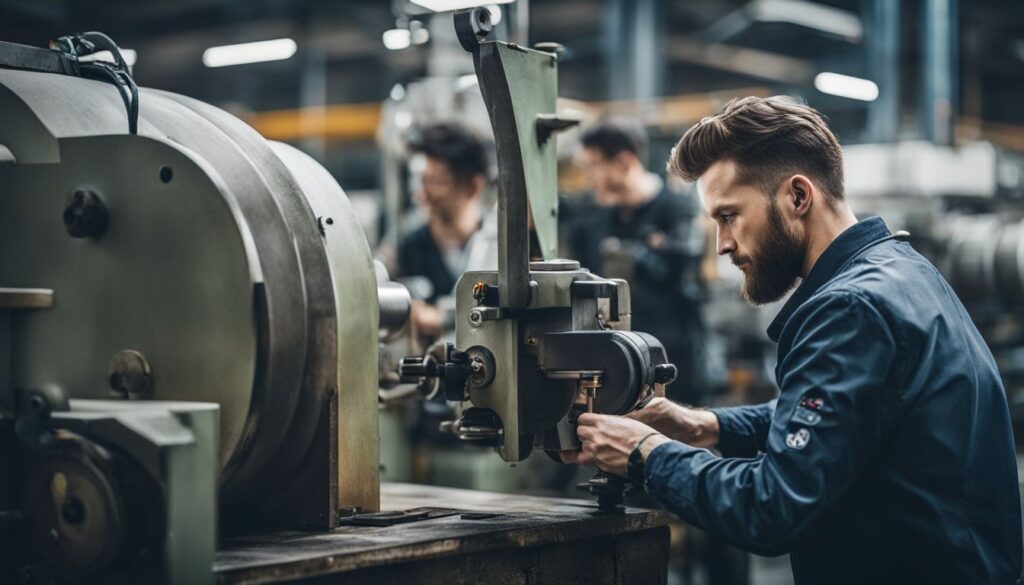
Meeting WHS (Workplace Health and Safety) regulations is a critical aspect of running an industrial business in Australia. By integrating locking brackets into your safety protocols, you ensure machinery fixation and equipment protection align with the highest standards.
This proactive approach not only safeguards worker protection but also significantly reduces the risk of workplace hazards.
Incorporating these protective devices demonstrates a commitment to maintaining a high level of industrial security. It positions your business as one that takes workplace safety seriously, adhering strictly to safety regulations.
Through this practice, we help foster a culture of safety within the industry while ensuring compliance with necessary legal requirements.
Implementing Locking Brackets for Heightened Security
We understand the critical need for heightened security in your workplace. Implementing locking brackets plays a vital role in ensuring that machinery, shelving, and restricted areas remain safe and secure. Here’s how we recommend going about it:
- Evaluate Your Needs: Identify which machinery or areas require locking brackets for enhanced security. This step involves assessing potential hazards and determining where the risk of unauthorised access is highest.
- Select High-Quality Brackets: Opt for industrial-grade locking brackets that offer durable and reliable protection. Ensure they are designed to withstand harsh conditions and tampering attempts.
- Incorporate Lockout Tagout Practices: Integrate the use of locking brackets with lockout tagout procedures to ensure equipment is properly isolated during maintenance or when not in use. This helps prevent accidental activation or access.
- Train Your Staff: Educate your team on the importance of using locking brackets and how to apply them correctly. Regular training sessions can reinforce good practices and highlight the critical role these devices play in workplace safety.
- Regular Maintenance Checks: Set up a schedule for inspecting locking brackets to ensure they remain functional over time. Replace any that show signs of wear or damage immediately to maintain optimal security levels.
- Document Procedures: Keep detailed records of where and how locking brackets are used within your facility. Documentation aids compliance with WHS regulations and helps track usage patterns for future safety audits.
- Customise Solutions: Recognise that one size does not fit all when it comes to industrial safety. Work with suppliers who can provide customised locking solutions tailored to your specific needs and challenges.
- Foster a Safety Culture: Promote an environment where using locking brackets becomes second nature amongst staff members. A strong culture of safety ensures everyone plays their part in maintaining a secure workplace.
- Comply with Regulations: Familiarise yourself with local laws and guidelines regarding worker protection, equipment isolation, and workplace security measures, ensuring your use of locking brackets meets all required standards.
Through these actionable steps, you can effectively implement locking brackets in your business, offering both legal compliance and peace of mind knowing that necessary precautions are firmly in place for enhanced security.
Choosing the Right Locking Bracket

Selecting the appropriate locking bracket is a critical decision that impacts workplace safety and equipment protection. With various types available, each suited to different industrial applications, it’s essential to match them with the machinery or shelving they will secure.
Consideration of factors such as weight capacity, environmental conditions, and ease of installation ensures we choose brackets that not only meet but exceed WHS regulations. Opting for mechanical fasteners with proven durability enhances security measures and safeguards against hazards.
Assessing our specific needs helps in making an informed choice. For instance, a high-humidity environment demands corrosion-resistant materials, while heavy machinery requires brackets capable of supporting substantial loads without compromising on safety.
Consulting with experts or suppliers can provide valuable insights into the most suitable options based on our unique requirements. Moving forward, implementing these chosen solutions plays a pivotal role in maintaining a safe and compliant workplace environment.
Conclusion
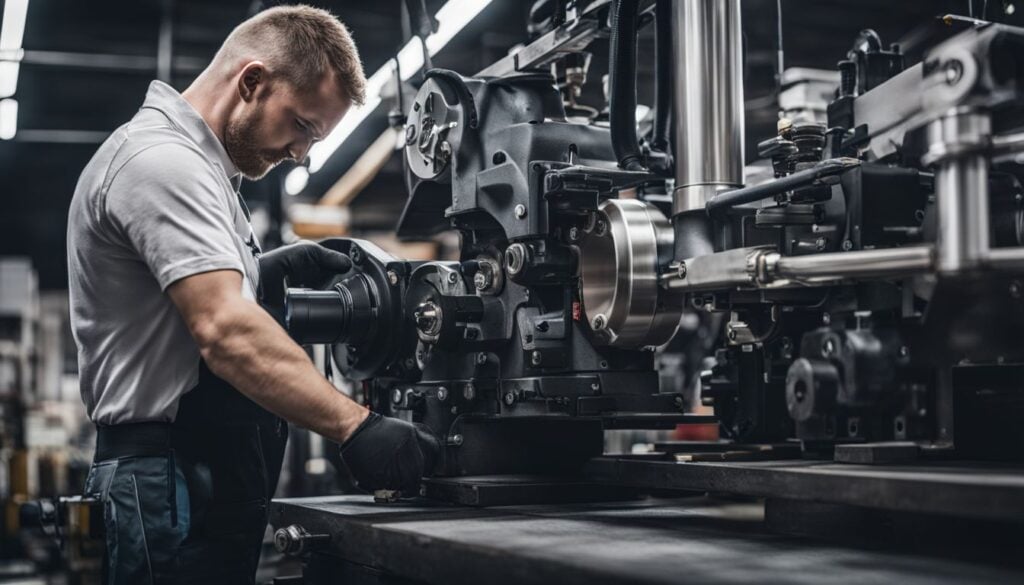
We’ve journeyed through the crucial role locking brackets play in industrial settings, highlighting their significance in ensuring workplace security and compliance with WHS regulations.
These practical devices offer straightforward installation processes that significantly boost maintenance safety and machinery fixation. Their application not only protects workers but also supports equipment protection, showcasing a direct path to enhancing industrial security.
For those eager to delve deeper or requiring additional insights on secure fastening and protective devices, numerous resources await your exploration. Let this be the catalyst for strengthening your commitment to workplace safety, as we collectively work towards safer industrial environments through innovative solutions like locking brackets.


