What is the Correct Procedure for Lock Out Tag Out?
Lock Out Tag Out (LOTO) is a critical safety procedure designed to protect workers from hazardous energy sources during maintenance and servicing of machinery. Proper
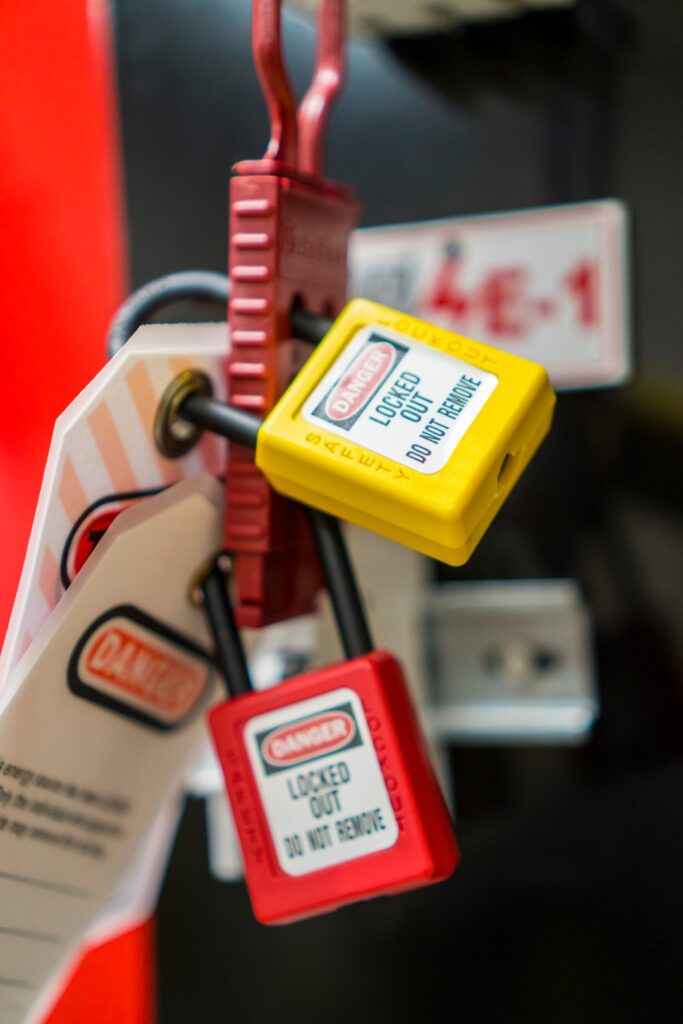
Lockout safety locks are designed to disable or "lock out" the energy sources of machinery and equipment, such as electrical, pneumatic, hydraulic, or mechanical power. They are used to prevent the inadvertent start-up of machines during maintenance activities, safeguarding workers from potentially life-threatening accidents. These locks serve as a visible and physical barrier, ensuring that equipment remains inoperative until the lock is removed.
There are various types of lockout safety locks available, including padlocks, hasps, valve lockouts, and circuit breaker lockouts. Each type is designed to secure different types of energy sources or equipment. For example, a valve lockout may be used to immobilize a valve, while a circuit breaker lockout is used to prevent the re-energization of electrical circuits. Choosing the right type of lockout lock depends on the specific application and energy source.
Compliance with lockout safety lock requirements is a fundamental aspect of a comprehensive lockout/tagout (LOTO) program, which is a safety protocol enforced by occupational safety and health regulations in several countries, including Australia. Adherence to LOTO regulations is crucial for safeguarding workers from potentially dangerous energy sources. Employers are generally obligated to create and uphold a documented LOTO program, which encompasses the utilisation of lockout safety locks, employee training, and appropriate procedures for isolating energy sources.
Welcome to WorkSafe Lockouts, your comprehensive online resource dedicated to workplace safety and lockout systems.
Our mission is to empower employers, employees, and safety professionals with valuable information and articles that promote a secure and productive work environment. We understand the paramount importance of safeguarding both personnel and assets, and that’s why we provide in-depth insights into lockout procedures, best practices, and state-of-the-art safety equipment.
Whether you’re looking to enhance your knowledge on health and safety legislation, implement effective lockout strategies, or simply stay informed about the latest industry developments, WorkSafe Lockouts is your trusted partner on the journey to a safer and more compliant workplace.
Let’s work together to unlock a culture of safety and protection, ensuring a brighter, accident-free future for all.
The primary and most crucial reason to employ safety lockout devices in the workplace is to ensure the safety of employees. Lockout devices prevent the accidental or unauthorised startup of machinery or equipment during maintenance, repairs, or cleaning.
During maintenance or servicing, improper handling or accidental activation can cause damage to machinery, leading to costly repairs or replacements. Lockout devices help prevent such incidents, extending the lifespan of equipment and reducing operational costs.
By implementing these devices, employers can demonstrate compliance with legal requirements, avoiding potential fines, legal liabilities, and damage to the company's reputation.
While lockout procedures might temporarily halt work for maintenance or servicing, they lead to more efficient operations in the long run. Preventing accidents and equipment damage through the use of lockout devices reduces downtime caused by incidents, thereby improving overall productivity and minimising disruptions to workflow.

Lock Out Tag Out (LOTO) is a critical safety procedure designed to protect workers from hazardous energy sources during maintenance and servicing of machinery. Proper

Employee training is a cornerstone of any effective Lockout/Tagout (LOTO) program. Proper training ensures that all workers understand the critical safety procedures involved in isolating

Selecting the appropriate lockout devices is crucial for ensuring the safety and efficiency of your workplace. Different industries and types of equipment require specific lockout
Explore our comprehensive resources on lockout systems, health and safety legislation, and industry best practices. Empower your team with knowledge and equip them with the right tools to prevent accidents and protect valuable assets. Together, let’s create a culture of safety that inspires confidence and drives success.