
Ensuring workplace safety can sometimes feel like you’re trying to solve a tricky jigsaw puzzle, with all its bits and bobs spread out before you. We’ve been in the trenches too, and we get that over half of the hiccups when it comes to compliance boil down to lockout/tagout mix-ups. That’s why we’ve knocked up a guide chock-full of wisdom and handy hints that’ll help you cobble together a solid safety plan for your mob. Stick around – we’re about to crack open the vault on lockout safety locks!
Understanding Lockout/Tagout Safety
Lockout/Tagout safety is the process of controlling hazardous energy during maintenance or servicing activities to prevent accidents. It’s crucial for compliance with workplace health and safety regulations, ensuring the protection of employees and equipment.
Definition
Lockout/tagout safety refers to specific practices and procedures safeguarding employees from the unexpected energisation or startup of machinery and equipment, or the release of hazardous energy during service or maintenance activities.
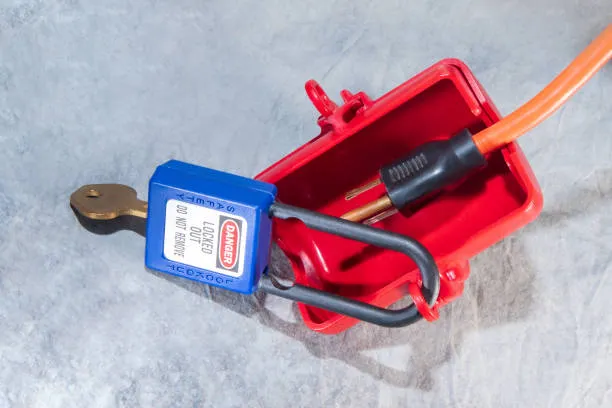
Essentially, lockout devices secure these machines with locks, ensuring that they can’t be operated until the locks are removed. Tagout is an additional warning step that involves attaching a tag to alert staff that machinery should not be powered on.
Together, they form a critical system for workplace injury prevention strategies by controlling potentially harmful energies.
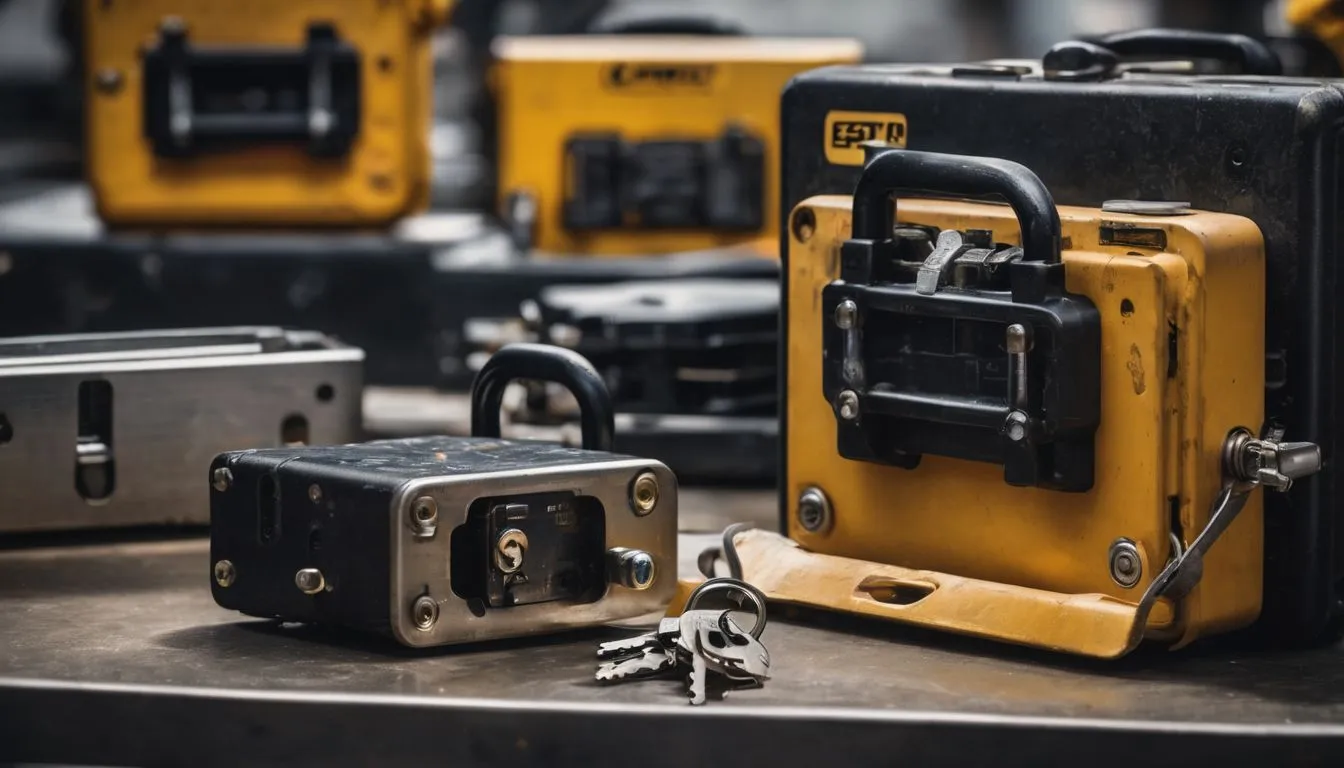
Safety padlocks and tags act as physical controls applied to energy-isolating elements in industrial settings. They’re customised tools designed to keep heavy-duty switches, valves, and other mechanical devices safely off-limits while maintenance work is being performed.
These lockout tagout products come in various shapes and sizes tailored for electrical safety, guarding against incidents involving electricity, hydraulic pressure, or pneumatic surges – all forms of hazardous energy that could cause harm if not properly managed.
Our goal as business owners is to consistently apply these vital protocols outlined under occupational safety guidelines such as OSHA standards for industry best-practice compliance regulations.
Purpose
Having understood the definition and significance of lockout/tagout safety procedures, it’s essential to delve into their purpose. Safety compliance regulations necessitate the implementation of effective lockout/tagout systems to prevent workplace hazards and ensure employee safety.
The purpose of utilising safety padlocks and lockout systems is to isolate energy sources, de-energise stored energies, and minimise the risk of accidental startup while maintenance or servicing tasks are underway.
Additionally, these devices serve as visible indicators for locked-out equipment, providing a clear signal that it should not be operated. By understanding the purpose behind these measures, business owners can effectively prioritise industrial safety protocols and equip their workforce with essential training on using lockout safety devices.
Importance
Lockout/tagout safety measures are of utmost importance for ensuring workplace safety compliance. Implementing proper lockout procedures not only protects employees from hazardous energy sources but also minimises the risk of accidents and injuries, ensuring smooth operations and regulatory adherence.
Regular maintenance and training on lockout/tagout procedures play a crucial role in instilling a culture of safety within the workforce, reducing downtime due to accidents at the workplace.
Regular inspections help identify any weaknesses or issues with locks, tags, and devices used for lockout purposes, which is vital for maintaining a robust safety system. Additionally, staying updated with new innovations and resources in lockout safety ensures businesses have access to the latest technology geared towards creating safer work environments.
Embracing these insights guarantees comprehensive safety compliance while fostering workforce well-being.
Compliance with WHS regulations
Ensuring compliance with Workplace Health and Safety (WHS) regulations is paramount for maintaining a safe work environment. This involves adhering to specific lockout/tagout requirements, which are designed to prevent unexpected startup or release of stored energy during maintenance activities.
Meeting these regulations not only safeguards employees but also mitigates potential hazards and protects valuable equipment. By implementing comprehensive lockout/tagout procedures in line with WHS regulations, businesses uphold employee safety standards and demonstrate commitment to workplace safety.
Training employees on WHS regulations pertaining to lockout/tagout procedures is essential for fostering a culture of safety within the organisation. It ensures that workers are equipped with the necessary knowledge and skills to comply with regulatory requirements effectively.
Implementing Lockout/Tagout Procedures
Identifying energy sources and hazards, shutting down the plant, isolating energy sources, de-energising stored energies, locking out isolation points, and tagging for extra safety are crucial steps in ensuring workplace safety compliance.
To learn more about these essential procedures, continue reading our blog.
Identifying energy sources and hazards
When inspecting workplace safety procedures, it’s crucial to identify energy sources and potential hazards. Understanding the various forms of energy present in your facility, such as electrical, mechanical, thermal, chemical, and hydraulic, is essential for ensuring complete safety compliance.
Identifying these sources allows for a comprehensive assessment of potential risks to employees’ well-being. It also enables the implementation of effective lockout/tagout measures to safeguard against any hazardous energy release.
Analysing workplace equipment and processes aids in recognising specific areas where hazards may arise. By pinpointing these potential danger zones, businesses can take proactive steps to minimise any associated risks through proper lockout/tagout procedures and employee training initiatives.
Shutting down the plant
After identifying energy sources and hazards, the next vital step in lockout/tagout procedures is shutting down the plant. This involves turning off all equipment, machinery, and processes that pose a potential risk to employee safety.
Once shut down, it’s essential to follow specific protocols for isolating energy sources and de-energising any stored energies. It’s crucial to ensure that each isolation point is properly locked out using compliant safety locks before any maintenance or repair work commences.
For complete safety compliance, business owners must understand the significance of this phase in lockout/tagout procedures. Properly shutting down the plant minimises the risk of accidental startup or release of hazardous energy while employees are working on machines or equipment.
Isolating energy sources
To ensure safety compliance, isolating energy sources is crucial:
- Identify all potential energy sources within the workplace.
- Shut down all machinery and equipment connected to these energy sources.
- Physically isolate the energy sources using lockout devices such as lockout padlocks or valve lockouts.
- Release or dissipate any stored or residual energy from the equipment through proper methods.
- Install lockout devices on isolation points and secure them with unique identification tags for added safety assurance.
De-energizing stored energies
To de-energise stored energies, we must follow strict procedures. Begin by identifying all energy sources and potential hazards in the area. Next, shut down the plant while making sure to isolate each energy source.
Once isolated, release or dissipate any stored energy safely using established protocols. It is crucial to follow these steps meticulously and with precision to avoid any accidents or mishaps during the process.
After isolating and de-energising stored energies, locking out isolation points becomes necessary for added safety measures. Utilise approved lockout devices to secure isolation points effectively.
Locking out isolation points
To lock out isolation points, first, identify the energy sources and potential hazards. Then, shut down the plant and de-energise stored energies. Next, isolate energy sources using safety locks to prevent unexpected re-energisation.
This crucial step ensures that maintenance or servicing can be carried out safely without any risk of energy-related accidents.
Tagging should also be used for extra safety measures in addition to locking out isolation points as emphasised by WHS regulations. Furthermore, it’s important to regularly inspect these locks and tags for any signs of wear or damage to maintain a high level of workplace safety compliance.
Tagging for extra safety
When implementing lockout/tagout procedures, tagging is a crucial step for providing extra safety measures. Tags serve as visual reminders that equipment or machinery is undergoing servicing or maintenance.
They provide vital information about the work being done and signal to employees that they must not operate the machinery until the tag is removed. Properly tagged equipment helps prevent accidental re-energisation and ensures employee safety compliance.
To effectively implement tagging for extra safety, it’s essential to use standardised tags with clear and concise instructions, durable materials, and easily visible colours. Regular training on interpreting these tags should be provided to all employees involved in lockout/tagout procedures to ensure complete understanding of their significance in maintaining workplace safety standards.
Maintaining and Inspecting Lockout Systems
Regular maintenance and inspections of lockout systems are essential to ensure they function properly when needed. This includes checking locks, tags, and devices for signs of wear and tear, as well as conducting periodic inspections to identify any potential issues.
Importance of regular maintenance
Regular maintenance of lockout systems is essential to ensure their functionality and reliability. Keeping the locks, tags, and devices well-maintained helps in preventing unforeseen breakdowns or failures during critical situations.
By regularly inspecting the equipment, potential issues can be identified early on and addressed promptly, reducing the risk of accidents or injuries in the workplace.
Maintaining lockout systems also demonstrates your commitment to safety compliance and employee welfare. It instils confidence in your workforce knowing that proper measures are in place to protect them from hazardous energy sources.
General maintenance tips
To ensure the effectiveness of lockout systems, regular maintenance is crucial. We understand the significance of maintaining these safety locks and have curated a comprehensive list of general maintenance tips for business owners to consider:
- Conduct routine inspections of all lockout devices to identify any wear and tear or malfunctions.
- Ensure that all locks and tags are securely fastened and in good working condition.
- Regularly clean and lubricate lockout devices to prevent corrosion and maintain smooth operation.
- Keep an inventory of all lockout equipment and replace any damaged or outdated items promptly.
- Train employees on proper maintenance procedures to uphold the integrity of the lockout system.
Periodic inspections
Periodic inspections play a crucial role in ensuring the effectiveness of lockout/tagout procedures. Here are the key steps involved:
- Schedule regular inspections to check the condition and functionality of lockout devices, tags, and safety equipment.
- Conduct thorough assessments to identify any signs of wear, damage, or tampering that may compromise safety measures.
- Verify that all energy isolation points are properly labelled and locked out according to established protocols.
- Document inspection findings and ensure prompt action is taken to address any identified issues or deficiencies.
- Review training records to confirm that employees are adhering to proper lockout/tagout procedures during maintenance activities.
- Engage employees in proactive discussions regarding any challenges or suggestions for improving safety compliance measures.
- Collaborate with industry experts or suppliers to stay updated on advancements in lockout safety technology and best practices.
Inspecting locks, tags, and devices
Regular inspections of locks, tags, and devices is crucial for ensuring their effectiveness in preventing accidental start-ups or releases of hazardous energy. During these checks, all lockout/tagout hardware should be inspected to identify any signs of wear, damage, or malfunction.
This includes examining the integrity of locks, readability and durability of tags, and ensuring that all locking devices are in good working condition.
When conducting inspections, it’s essential to verify that each device is properly affixed and secured according to safety standards. Any damaged or ineffective equipment should be promptly replaced to maintain the highest level of safety compliance within the workplace.
Training Employees on Lockout/Tagout Procedures
Proper training is essential for educating employees on lockout/tagout procedures and ensuring their compliance with safety regulations. To learn more about the importance of training in workplace safety, continue reading our vital insights into lockout safety locks for complete safety compliance.
Role of proper training
Training employees on lockout/tagout procedures plays a crucial role in ensuring workplace safety. It is essential to provide comprehensive education on the importance of lockout/tagout compliance and the specific procedures to be followed.
By conducting regular lockout tagout courses, we can empower our employees with the knowledge and skills necessary for effective implementation, thus minimising the risk of accidents and injuries.
This training also serves as a means to ensure employee buy-in and understanding of safety regulations, ultimately contributing to a safer work environment.
Educating employees on proper lockout/tagout procedures not only fosters compliance but also instil a culture of safety within our organisation. By prioritising employee safety regulations through robust training programmes, we demonstrate our commitment to safeguarding their well-being while promoting operational efficiency and adherence to industry standards.
Educating employees on procedures
Proper education on lockout/tagout procedures is essential to ensure workplace safety compliance. Training employees on the identification of energy sources, shutting down equipment, and isolating energy points is critical.
We also provide regular refresher courses to keep employees updated on the latest safety protocols and regulations.
We offer interactive training sessions that engage employees and enables them to comprehend the importance of following proper lockout/tagout procedures for their safety as well as their colleagues’.
During these sessions, we emphasise the significance of using standardised lockout systems to maintain a consistent approach throughout our operations.
Ensuring compliance
To ensure compliance with lockout/tagout procedures, it is imperative to conduct regular audits and inspections of the lockout systems. This includes checking for any worn-out locks or tags, ensuring they are in place when needed, and that the devices are properly labelled and utilised.
It’s also essential to stay updated on safety regulations and standards pertaining to lockout/tagout practices, as non-compliance can result in serious consequences. Business owners should also provide ongoing training to employees on the importance of compliance with lockout/tagout procedures.
By implementing a comprehensive system of checks and balances, businesses can maintain a high level of safety compliance when it comes to lockout/tagout practices. It’s crucial to continually reinforce these measures through consistent training and communication within your organisation.
New Innovations and Resources in Lockout Safety
We’ll explore the leading safety equipment for various industries and the importance of standardised lockout systems. Additionally, we’ll look at customised solutions for workplace safety and upcoming trends in lockout safety technology.
Leading safety equipment for various industries
When it comes to lockout safety, having the right equipment is crucial for ensuring the safety of employees in various industries. From mining to manufacturing, standardised lockout systems and custom solutions are available to meet different workplace safety requirements.
These innovative solutions not only help in complying with lockout/tagout regulations but also provide enhanced protection against hazardous energy sources. Investing in leading safety equipment tailored for specific industries can significantly reduce the risk of workplace accidents and ensure a safer working environment.
In addition to standardised lockout systems, new trends in lockout safety technology continue to emerge, offering advanced features and functionalities for improved worker protection.
From advanced padlocks with unique keying systems to electronic lockout devices, there are various options designed to enhance the effectiveness of lockout/tagout procedures across different industrial settings.
Importance of standardised lockout systems
Standardised lockout systems are crucial for maintaining a consistent safety protocol across all equipment and machinery. These standardised systems ensure that the same procedures and devices are used throughout the facility, minimising confusion and maximising efficiency during lockout/tagout processes.
By implementing uniform lockout systems, businesses can streamline training processes, simplify maintenance and inspection routines, and enhance overall workplace safety compliance.
Standardised lockout systems also contribute to a cohesive safety culture by providing employees with consistent tools and protocols for isolating energy sources. This helps in promoting a proactive approach to safety within the organisation.
Customised solutions for workplace safety
We recommend investing in customised lockout/tagout solutions tailored to your specific workplace needs. These bespoke safety systems are designed to address unique energy sources, machinery configurations, and operational requirements within your facility.
By customising lockout procedures and equipment, you can ensure that every potential hazardous energy source is effectively isolated and locked out during maintenance or servicing activities.
This not only minimises the risk of accidents but also promotes a culture of safety compliance among your employees.
Implementing personalised lockout/tagout solutions demonstrates your commitment to prioritising the safety of your workforce while enhancing overall operational efficiency. Additionally, custom-tailored safety measures can help streamline maintenance processes by simplifying access points and identification markers for isolation devices.
Upcoming trends in lockout safety technology
In addition to customised solutions for workplace safety, staying updated on the latest trends in lockout safety technology is crucial. Advancements such as smart lockout devices with integrated sensors are becoming more prevalent, allowing for real-time monitoring and remote control of energy isolation points.
These innovative tools not only enhance operational efficiency but also provide an extra layer of safety by minimising human error and ensuring compliance with lockout/tagout procedures.
Furthermore, wearable technology like RFID-enabled locks and tags are increasingly being adopted, enabling seamless tracking of equipment maintenance history and personnel access to restricted areas, thereby improving overall safety compliance within various industries.
As businesses continue to prioritise worker safety and regulatory compliance, the integration of augmented reality (AR) and virtual reality (VR) technologies into lockout training programs is gaining momentum.
Leveraging immersive simulations offers employees hands-on experience in identifying energy sources, performing proper lockout procedures, and understanding potential hazards without being exposed to real-life risks.

Conclusion
The significance of lockout/tagout safety for complete compliance cannot be overstated. The practical procedures and strategies highlighted in this article are efficient and easy to implement, ensuring workplace safety. Implementing these insights can lead to significant improvements in safety standards across various industries. For those seeking further guidance, there are additional resources available that can provide more in-depth knowledge on lockout/tagout safety locks. Let’s take action today to prioritise safety and ensure complete compliance in our workplaces.
Sorting out lockout for your own site?
Describe what needs isolating and we'll help you work out the setup that fits.