
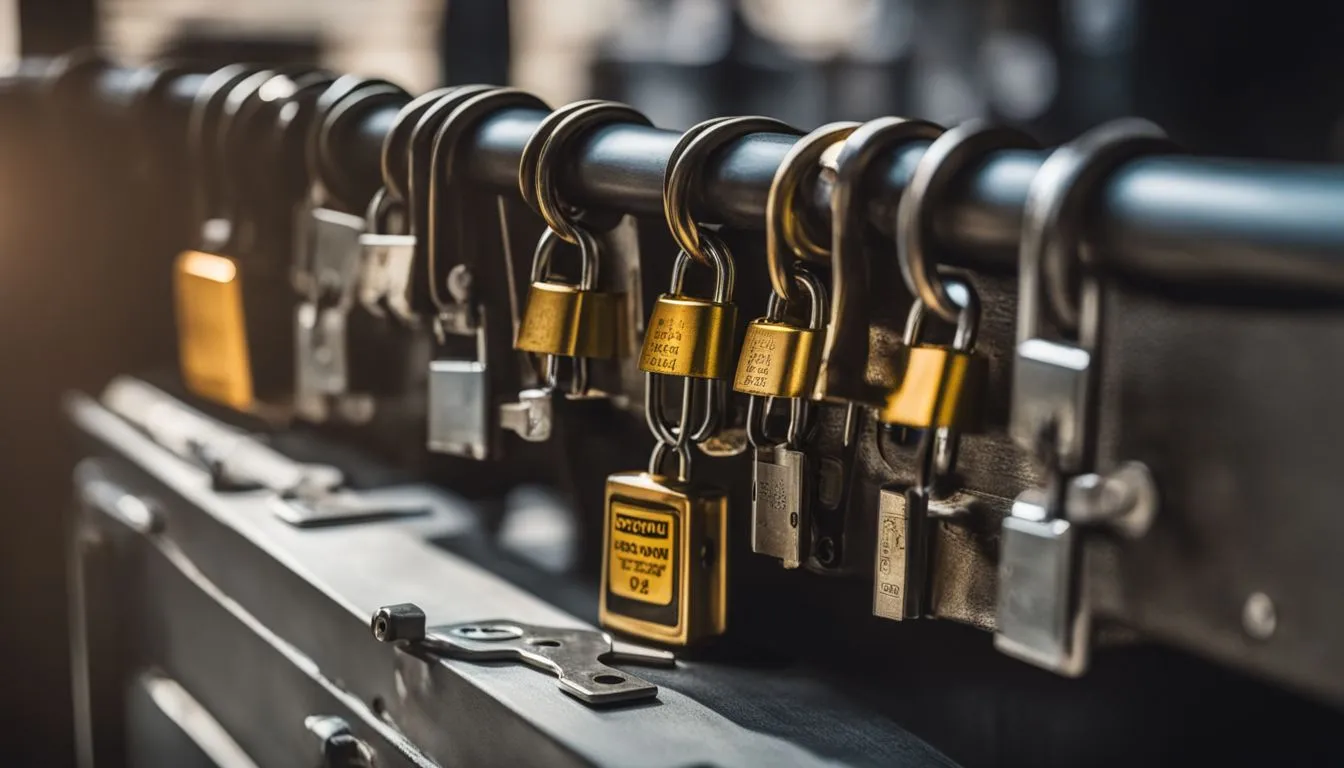
Maintaining a safe workplace can sometimes seem like a bit of an uphill battle, mate. But don’t worry, we know what it’s like to stare down the barrel of risks brought on by hazardous energy while trying to find solid measures to tackle them.
Through our comprehensive look into lockout safety locks, we’ve discovered how these nifty gadgets are absolute lifesavers in the industrial world – they’re here to ramp up security and ensure you’re ticking all the compliance boxes.
So go on, dive into the info below and start turning that anxiety into easygoing assurance because peace of mind is just a stone’s throw away.
Understanding Lockout Safety Locks and Their Importance
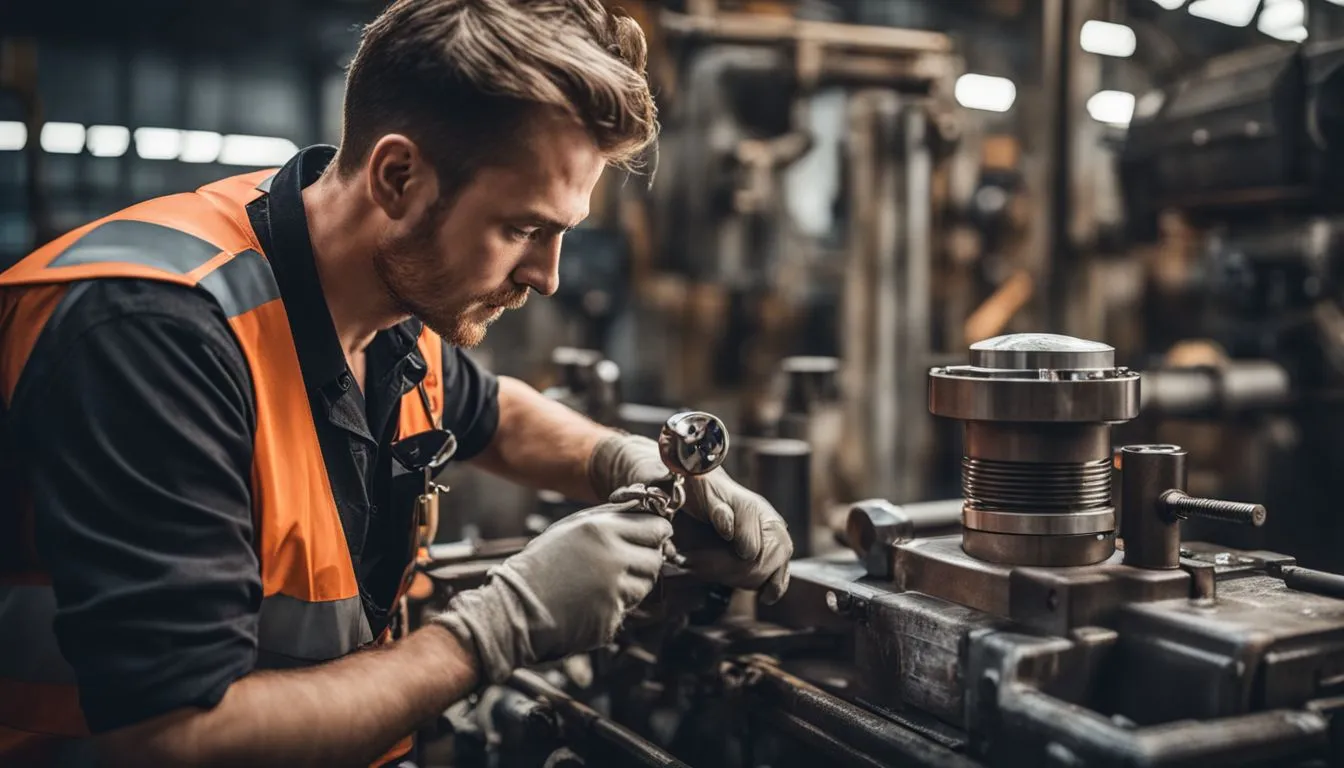
Turning from a broader view of workplace safety, let’s focus on the vital role that lockout safety locks play. These specialised devices are designed to prevent the accidental release of hazardous energy during maintenance or servicing activities.
They serve as a critical defence against unexpected start-ups of machinery, which can lead to severe injuries or fatalities.
We understand that running a business comes with many responsibilities and ensuring employee safety should always be at the top of your list. Utilising lockout safety locks is not just about compliance with occupational safety standards; it’s about creating a culture where every team member knows their well-being is paramount.
These locks physically secure various types of energy sources such as electrical, mechanical, pneumatic, and hydraulic systems – sending a clear signal that no one should attempt to operate equipment under lockout conditions until it’s safe to do so.
Working into these practices requires both an investment in quality lockout tagout equipment and a commitment to continuous training for your staff. Locks need to be robust enough to withstand industrial environments while being user-friendly for quick application and removal by authorised personnel only.
The presence of these devices reminds everyone on site that taking shortcuts around machinery could have dire consequences. It is their goal now more than ever, to embrace these tools as part of maintaining high standards for industrial safety within their operations or facilities.
An Unlikely Tool: How Lockout Safety Locks Transform Workplaces

Lockout safety locks are more than just a piece of metal; they’re the guardians of worker well-being. We effortlessly integrate them into our daily routines, knowing that these simple devices carry immense responsibility.
Each lock serves as a personal bodyguard against the accidental release of hazardous energy, making sure everyone goes home safe at the end of the day.
We harness these powerful tools to create an environment where safety is never second-guessed. By applying lockout safety locks, we enforce strict control over potentially dangerous machines and equipment.
This proactive approach turns our workplaces into models of industrial safety, setting the standard for occupational health practices across industries. Our commitment to utilising these life-saving devices fosters a robust safety culture and sends a clear message: we value every team member’s welfare above all else.
Types of Lockout Safety Locks
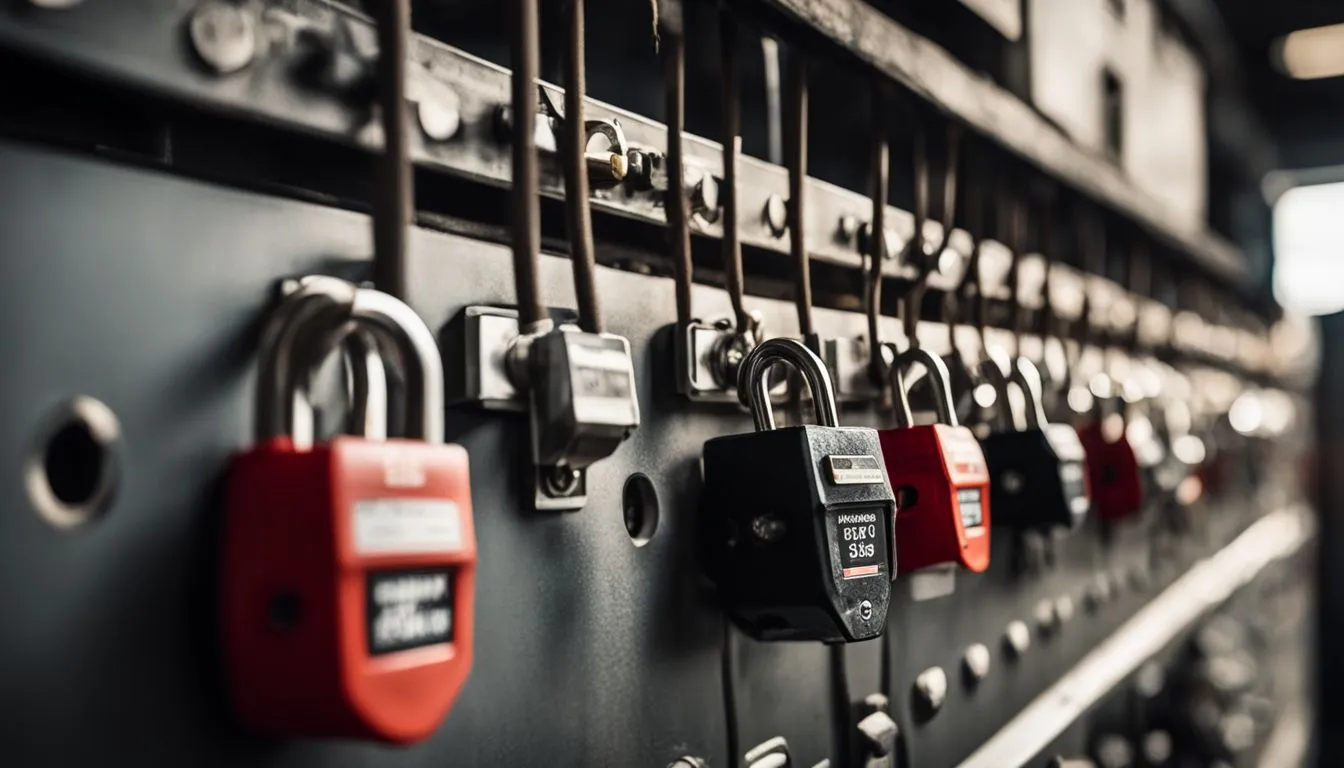
There are various types of lockout safety locks, including padlocks, box locks, and safety lockout hasps. Each type serves a specific purpose in ensuring workplace safety. Read on to discover the importance of utilising the right lockout safety locks for your business.
Padlocks
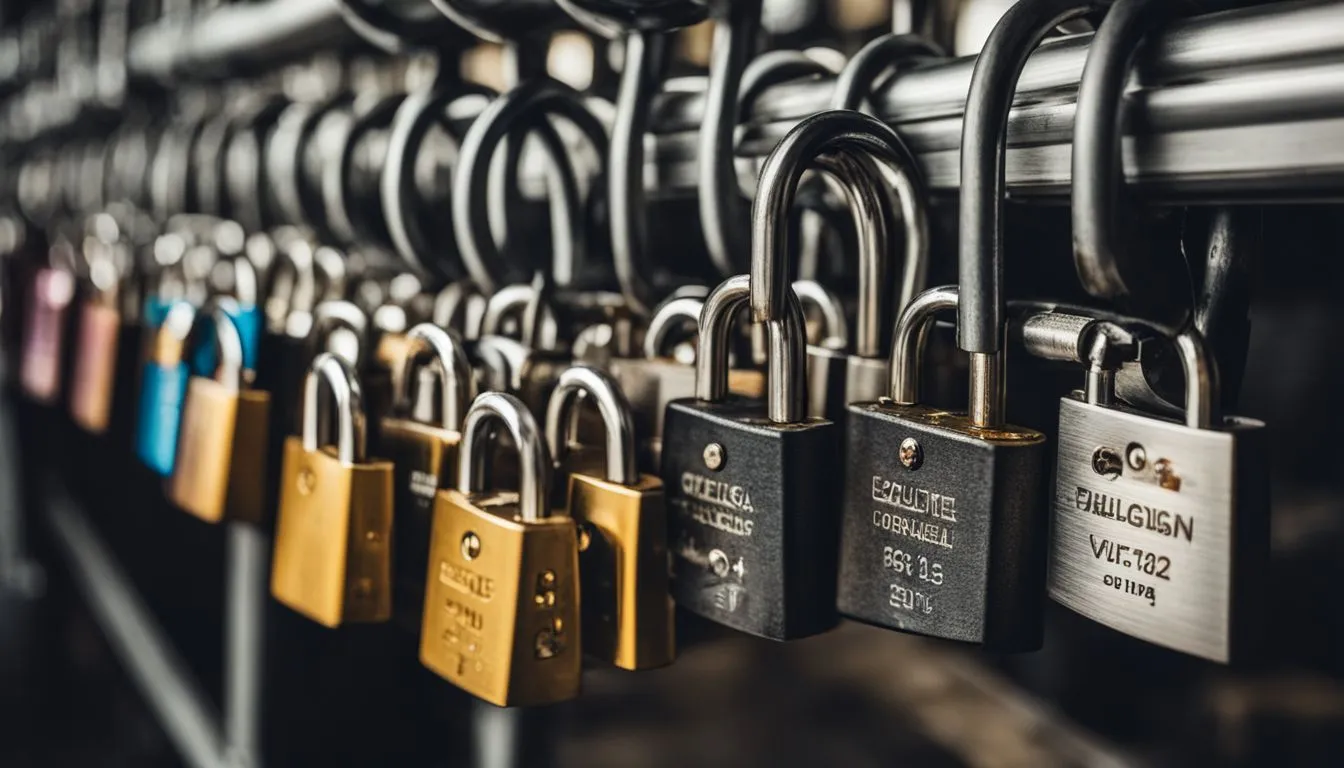
Padlocks serve as the cornerstone of any lockout safety strategy. These robust and portable devices are essential for securing energy sources, effectively preventing accidental equipment activation.
They can attach them to switchgear, valve handles, or machinery panels to ensure that only authorised personnel with the key can restart a machine after maintenance or repair work.
In our workplaces, customising these padlocks has become a common practice – think engraved names, colour coding, and even photo identification. This personalisation streamlines procedures and bolsters our safety culture by making it clear who is responsible for each lockout point.
It’s about taking charge of industrial safety and making sure we minimise risks associated with hazardous energy at every turn.
Box Locks
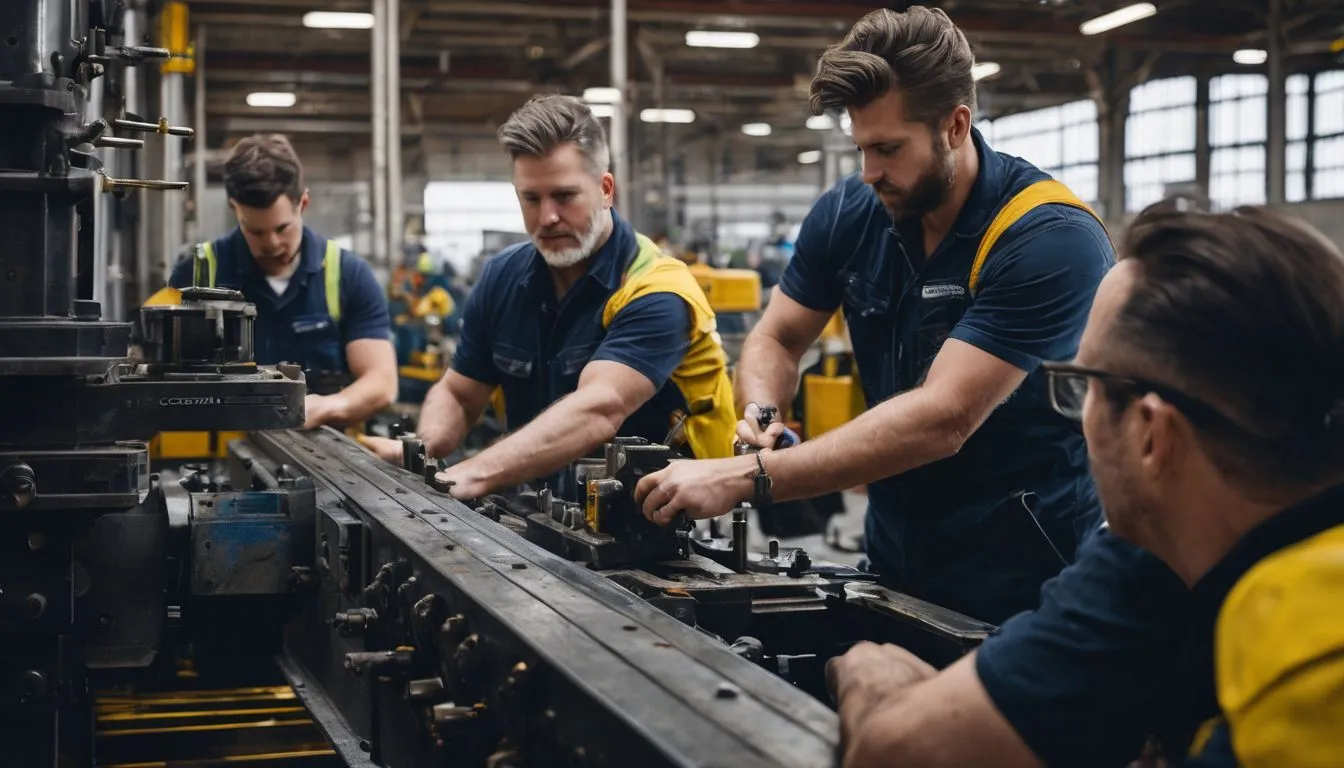
Turning from the individual protection offered by padlocks, we explore the collective safeguarding capabilities of box locks. These lockout devices provide a robust solution when multiple workers need to secure an energy source simultaneously.
They operate as a portable safe; each person involved in maintenance or servicing tasks can place their own padlock on the box, ensuring that until every last keyholder has removed their lock, access to activate machinery remains impossible.
Box locks are crucial for group lockout procedures where coordination and communication between teams are paramount. Their sturdy construction is designed for industrial environments, making them resilient against wear and potential tampering.
Using these safety tools not only fosters a culture of shared responsibility but also reinforces our commitment towards occupational safety within any hazardous energy control programme.
Safety Lockout Hasps
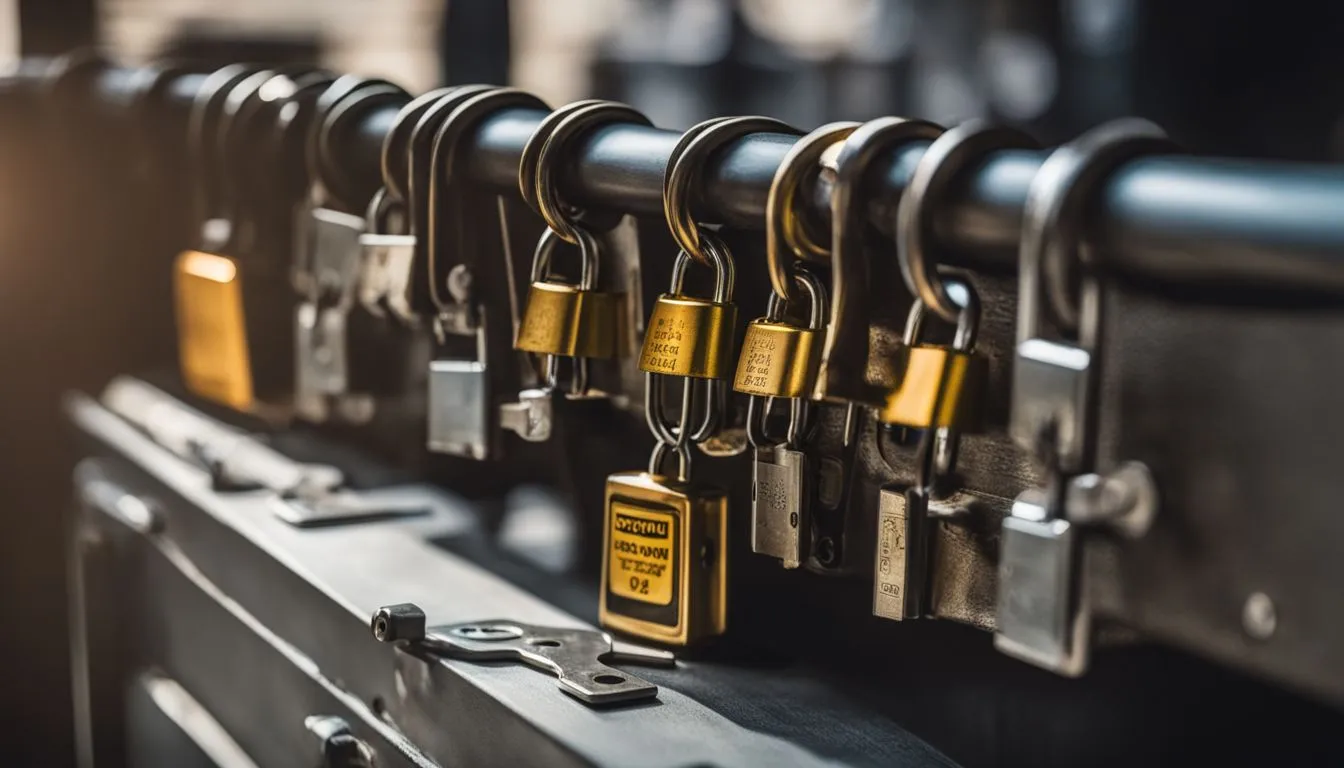
Safety lockout hasps are essential in maintaining a robust safety culture within our workplaces. These simple yet powerful devices allow multiple workers to lock out a single energy source, ensuring that machinery stays securely shut down during maintenance or repair work.
Picture this: a hasp clasped onto an energy isolation point, with the ability to hold several padlocks, each one representing an individual who needs to complete their job safely.
We’ve seen firsthand how these hasps provide peace of mind by preventing premature equipment start-up and safeguarding against hazardous energy release. Each padlock on the hasp is a commitment from one of us, signalling that we’re actively protecting our colleagues from harm’s way until everyone’s tasks are done and all locks are removed.
It’s teamwork encapsulated in metal, making safety personal and paramount for each worker involved.
Technological Advancements in Lockout Safety Locks
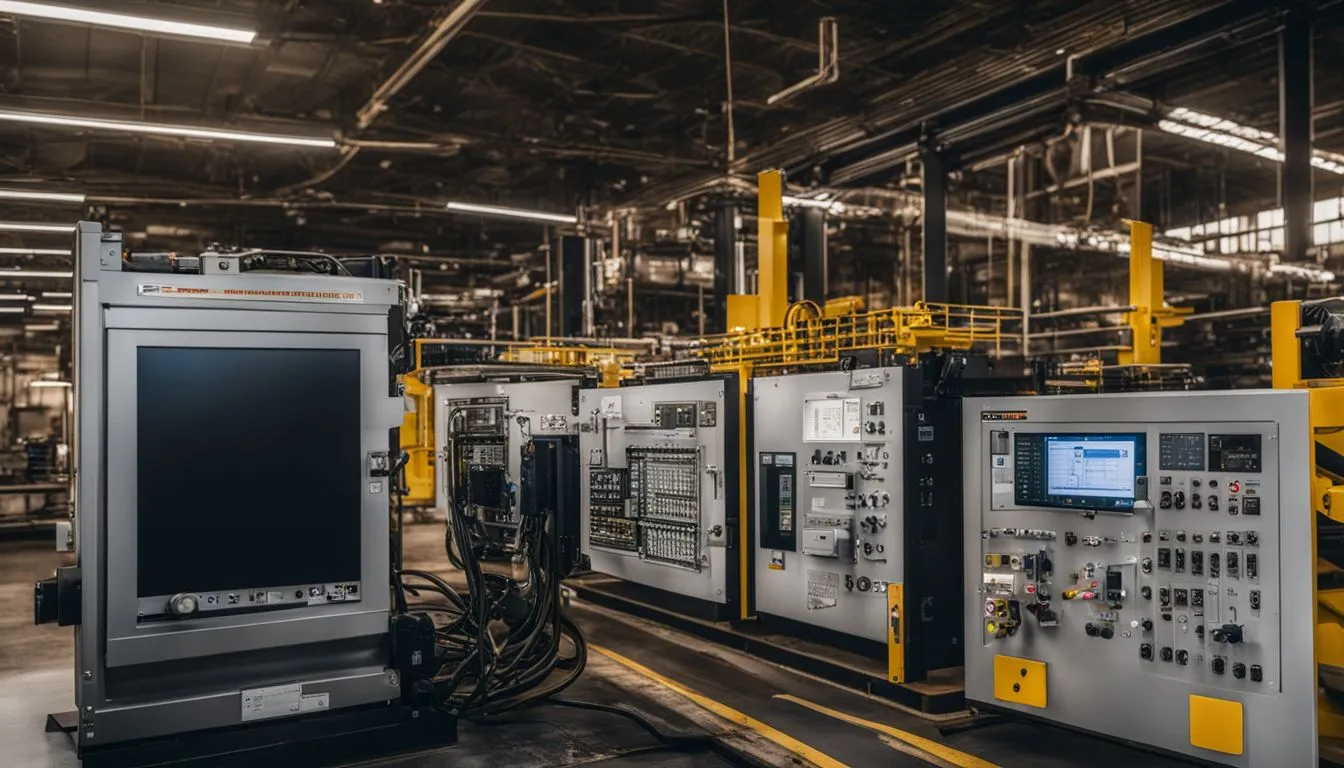
With the rapid advancement of technology, lockout safety locks have also undergone significant improvements. Advanced locking mechanisms and electronic lockout tagout systems are now available to provide enhanced security and efficiency in industrial workplaces.
These technological advancements offer greater control and visibility over hazardous energy sources, ensuring a safer working environment for employees.
Advanced Locking Mechanisms
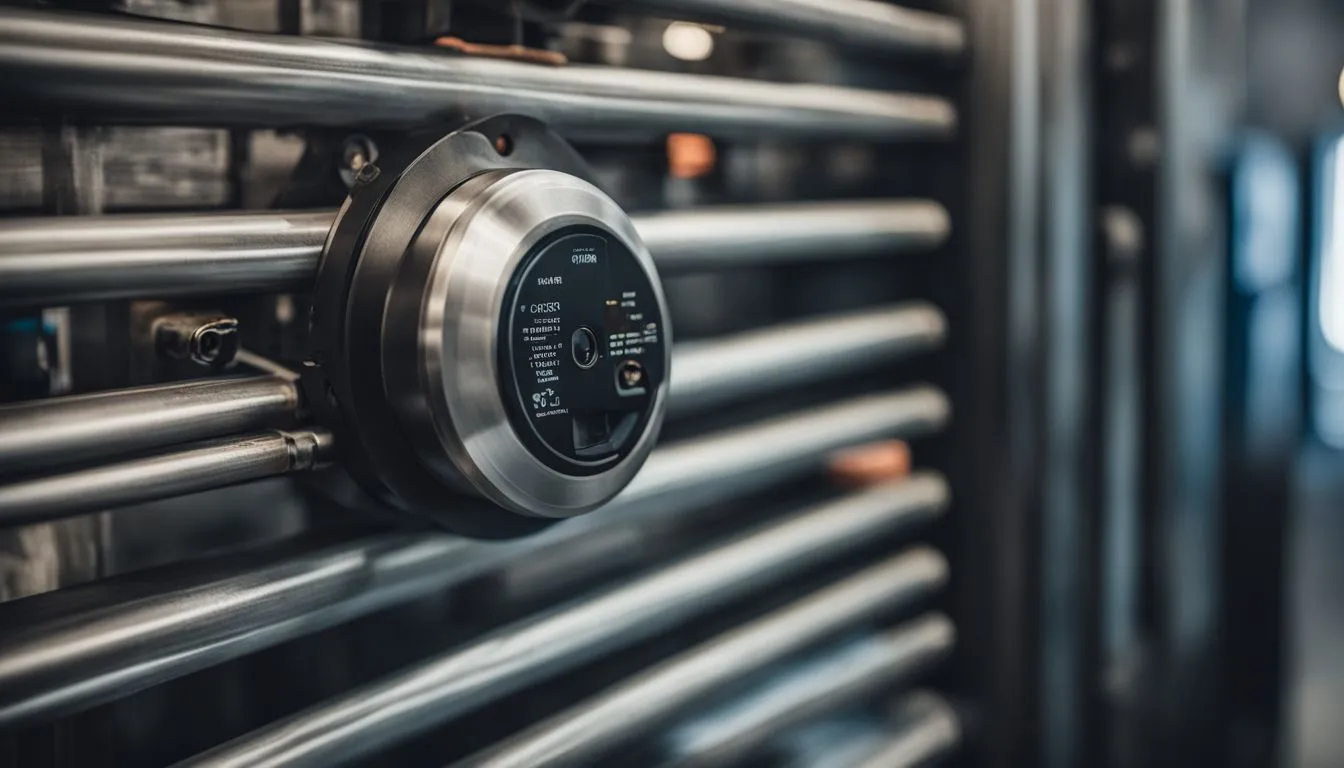
Advanced locking mechanisms in lockout safety locks are revolutionising workplace safety. These state-of-the-art devices use smart technologies to ensure that hazardous energy sources stay under control during maintenance or repair work.
Biometric sensors, digital key codes, and remote access controls are becoming commonplace features that provide an additional layer of security. We’re adopting these innovative solutions because they allow for personalised access and real-time monitoring, making sure only authorised personnel can operate the locks.
These advanced padlocks and hasps go beyond the traditional lock and key model by integrating electronic systems which record usage logs. Locking systems now offer tamper alerts and durable designs resistant to extreme temperatures, chemicals, and physical abuse typical in industrial environments.
Harnessing these technological advancements helps us maintain a robust safety culture while safeguarding against accidents more effectively than ever before. Our commitment is towards not just compliance with occupational safety regulations but actively creating safer workspaces where every team member feels confident about their well-being.
Electronic Lockout Tagout Systems

Building on the foundation of advanced locking mechanisms, we’re seeing electronic lockout tagout systems reshape workplace safety protocols. These cutting-edge tools offer unmatched precision in controlling hazardous energy sources.
With just a few clicks, managers can oversee and enforce lockout procedures across multiple locations.
Imagine equipping your team with smart devices that connect to locks via Bluetooth or Wi-Fi. They can quickly secure equipment and receive instant confirmation through an app, ensuring no one operates machinery during maintenance or repairs.
It’s occupational safety made efficient and reliable – keeping everyone protected while cutting down on manual errors and paperwork.
Benefits of Utilising Lockout Safety Locks
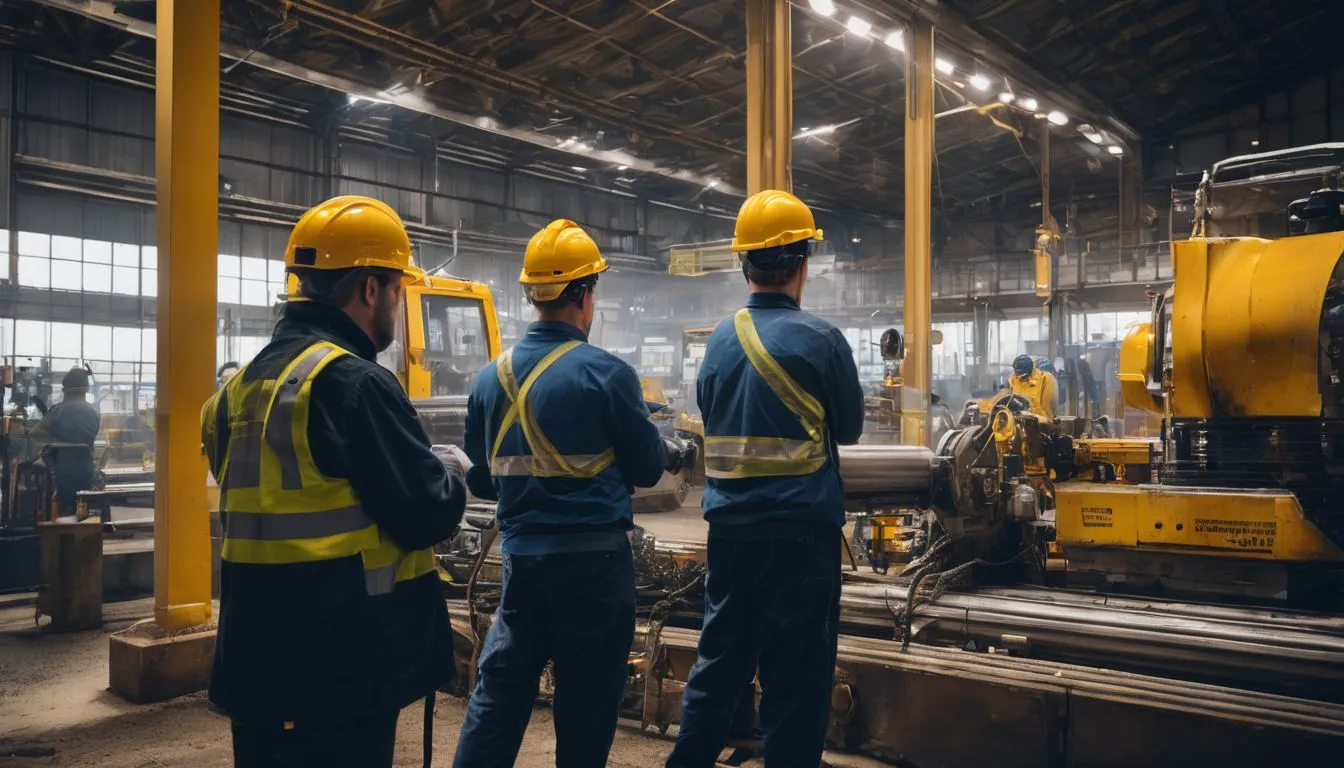
By utilising lockout safety locks, businesses can ensure the safety of their workers, protect equipment from damage, and maintain a cost-effective approach to workplace safety. These measures contribute to a culture of safety and minimise the risk of accidents or injuries in industrial settings.
Ensuring Worker Safety
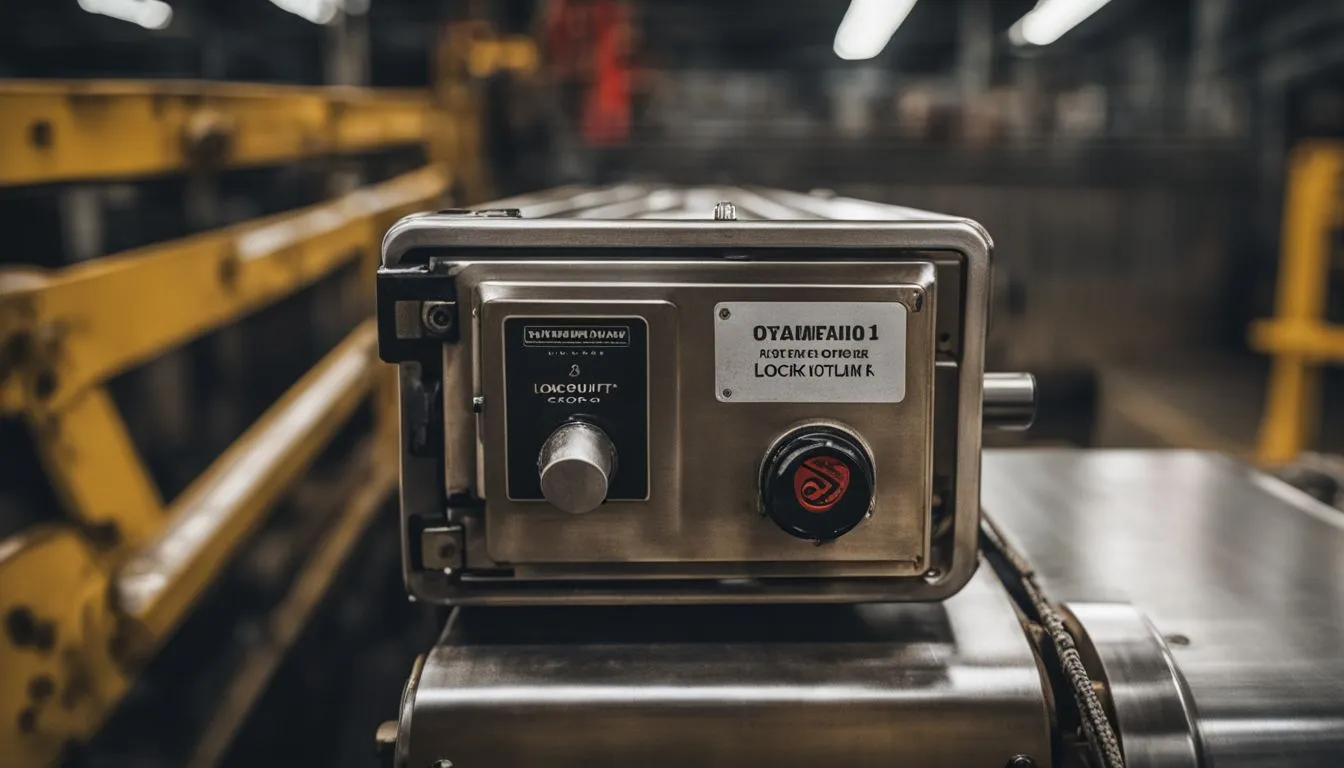
We prioritise worker safety through the use of lockout safety locks. These crucial devices help protect employees from hazardous energy sources by ensuring that machines and equipment are completely shut down and incapable of re-energising during maintenance or repair tasks.
Lockout safety locks provide a physical barrier, preventing accidental start-ups and safeguarding workers from life-threatening accidents. Implementing these locks not only complies with occupational safety regulations but also fosters a culture of workplace safety, demonstrating our commitment to the well-being of our team.
Their proactive approach to worker safety minimises the risk of workplace injuries and creates a secure environment for employees to carry out their tasks without fear of harm due to unforeseen machinery activation.
Protecting Equipment from Damage
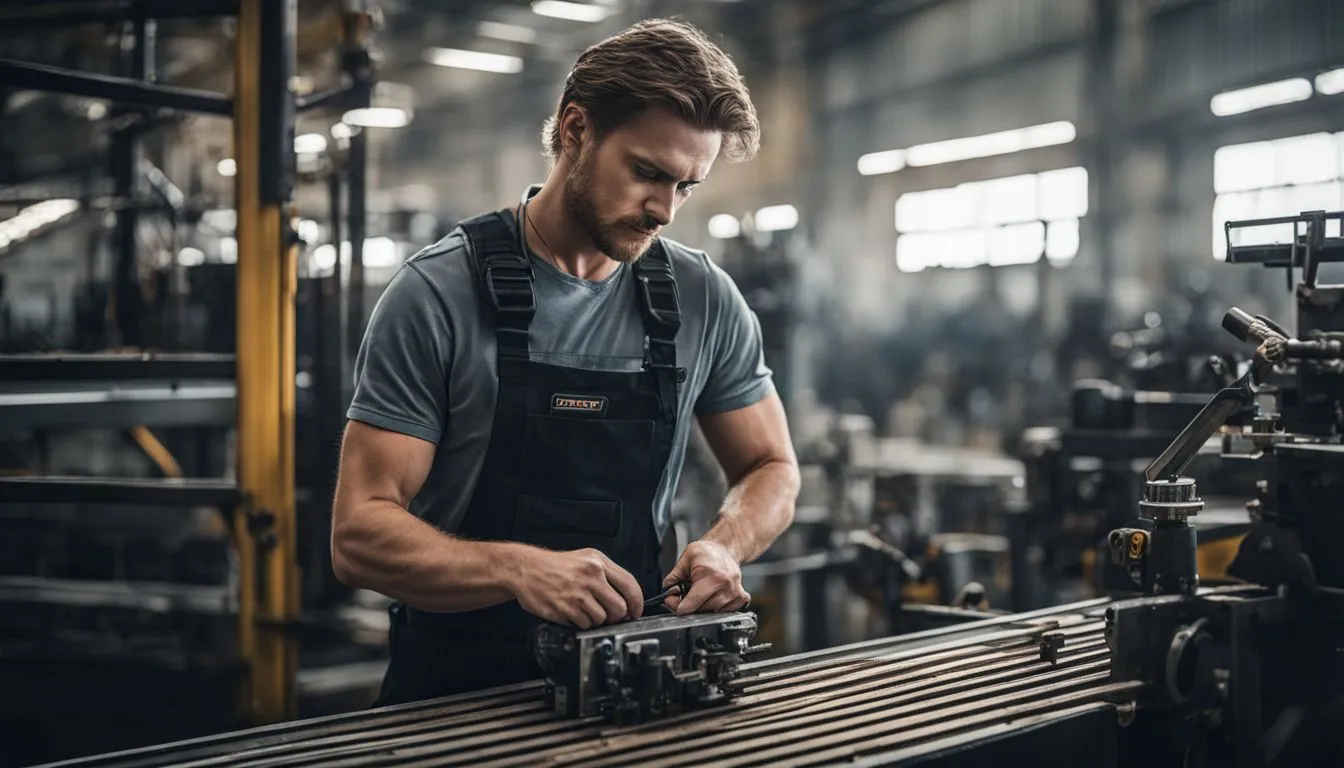
Utilising lockout safety locks plays a pivotal role in protecting equipment from damage. By securing energy sources and machinery during maintenance or repair work, these locks prevent accidental startup or release of hazardous energy.
This proactive approach not only safeguards the well-being of your employees but also shields expensive machinery from potential harm, reducing downtime and costly repairs. Implementing lockout safety locks demonstrates a commitment to workplace safety while also preserving the longevity and efficiency of industrial equipment, ultimately contributing to a more productive and cost-effective operation.
Employing lockout safety locks is instrumental in preventing unnecessary wear and tear on critical machinery. When hazardous energy sources are effectively isolated using proper locking procedures, it acts as an essential safeguard against unintended activation – keeping both your workers and valuable equipment out of harm’s way.
Cost-effectiveness
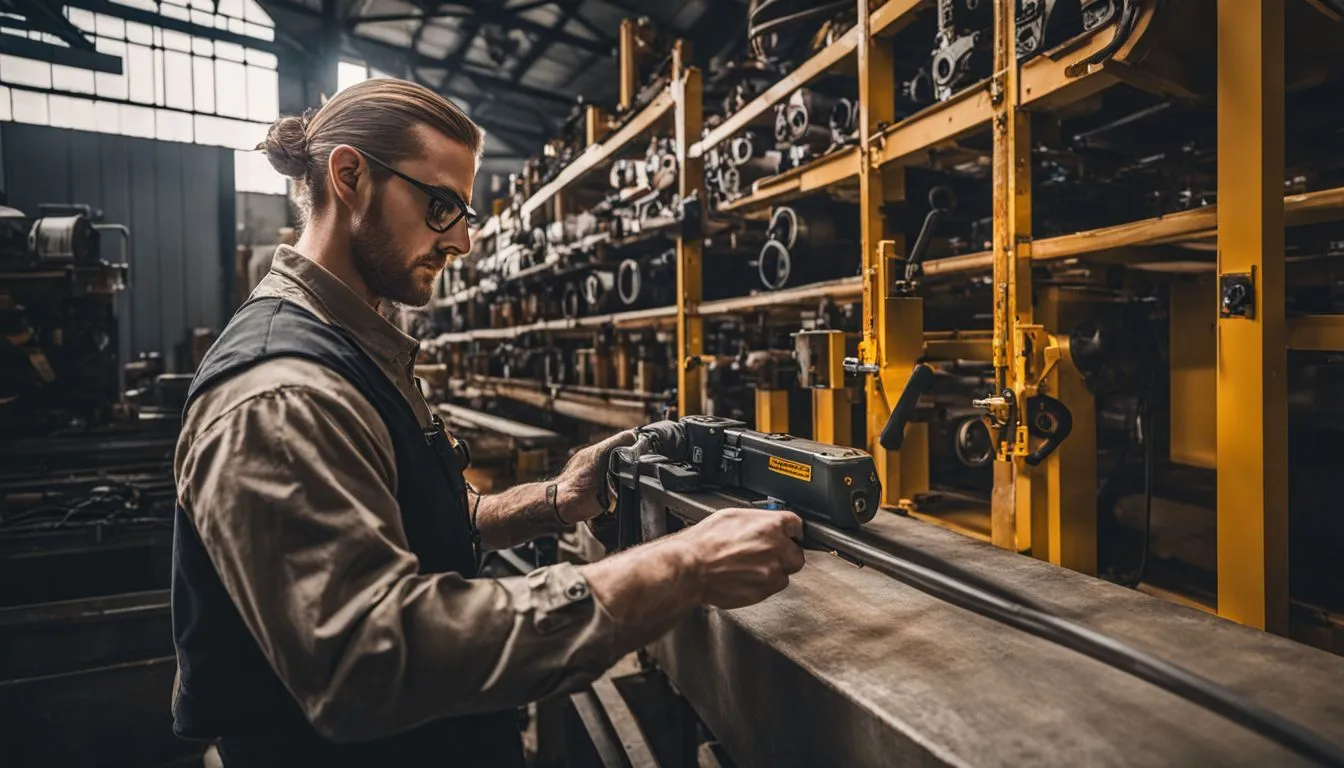
Protecting equipment from damage is a critical aspect of workplace safety, and it also contributes to the cost-effectiveness of using lockout safety locks. By preventing accidental start-ups or releases of hazardous energy, these devices help avoid costly equipment breakdowns and repairs.
Ensuring that machinery and other assets remain operational and in good condition not only saves on maintenance expenses but also reduces downtime, ultimately boosting productivity.
Engaging with lockout safety locks serves as a proactive investment in safeguarding both human resources and valuable company assets.
Conclusion
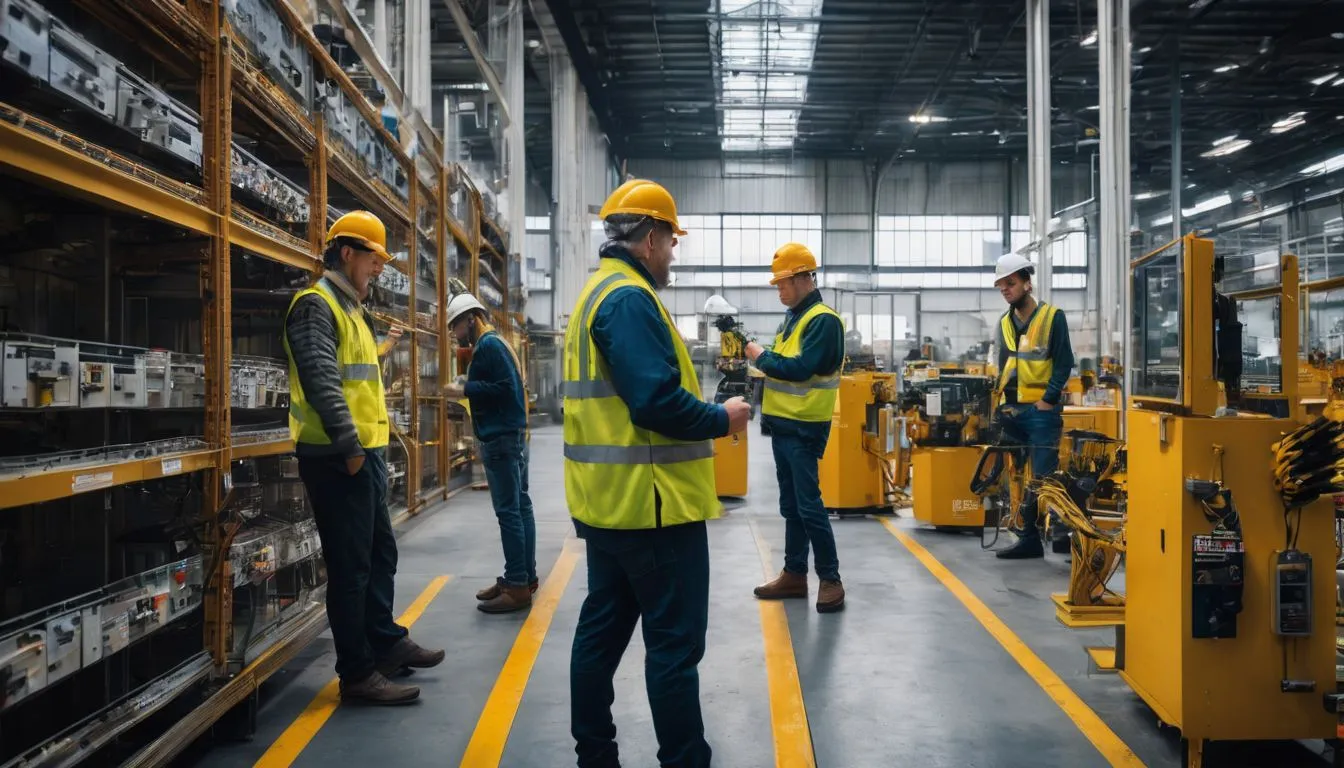
In conclusion, we have explored the essential role of lockout safety locks in ensuring workplace safety. These practical and efficient strategies can significantly impact the overall safety culture within industrial settings.
By utilising advanced padlocks, electronic lockout tagout systems, and other types of safety locks, businesses can protect their workers and equipment from hazardous energy sources while maintaining cost-effectiveness.
Remember to consider how these tools transform workplaces with improved security measures and enhanced occupational safety procedures. Let’s take action by implementing these effective lockout devices for a safer work environment.
Sorting out lockout for your own site?
Describe what needs isolating and we'll help you work out the setup that fits.