

Ensuring the wellbeing of our mates at work is a fair dinkum concern, and let’s be honest, tackling the swag of risks in today’s workplaces can feel like you’re trying to climb Uluru with your hands tied behind your back. We’ve walked a mile in your steel-capped boots, grappling with the tricky bits of lockout safety locks – crikey, they’re important! For instance, getting these procedures spot on could dodge around 50,000 injuries each year. Our yarn here unpacks lockout tagout step by step so that you can wrap your head around making your workplace as safe as houses. Unlocking effective lockout safety isn’t rocket science; it’s more straightforward than you might reckon!
Understanding Lockout Tagout (LOTO)
Lockout Tagout (LOTO) is a crucial safety procedure for protecting workers from hazardous energy while servicing or maintaining equipment. It involves the use of locks and tags to ensure that the power sources of machinery are isolated and prevented from being accidentally turned on.
Understanding LOTO is essential for compliance with safety regulations and preventing workplace accidents.
Definition and importance
Lockout Tagout (LOTO) is a safety procedure used to ensure that dangerous machines are properly shut off and not started up again before the completion of maintenance or servicing work.
It involves placing a lock on the energy isolation device, which prevents the power source from being unintentionally restarted. This critical step helps to safeguard employees from hazards such as electrocution, burns, or machine entanglement when they are in a vulnerable state during equipment maintenance.
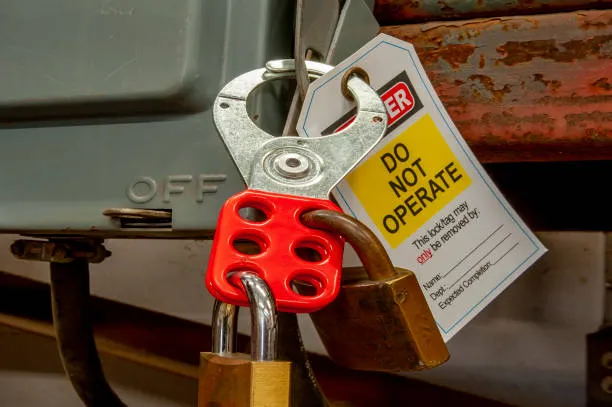
Understanding and implementing LOTO procedures is crucial for workplace safety. By using lockout safety devices like padlocks and tags, we can control hazardous energy effectively.
These measures prevent accidental startup of machinery while workers are exposed to risk, reducing the likelihood of serious injuries or fatalities on site. For us as business owners, prioritising these practices also means staying compliant with health and safety regulations – protecting our staff and avoiding legal consequences at the same time.
Difference between lockout and tagout
After understanding the importance of lockout tagout (LOTO) procedures, it’s crucial to distinguish between lockout and tagout. Lockout involves physically securing energy-isolating devices with a lock to prevent machines or equipment from being energised.
This ensures that only the authorised individual who placed the lock can remove it after completing maintenance or repairs. On the other hand, tagout uses tags as a warning system indicating that equipment should not be operated.
Tags are used when locking out is not possible due to certain constraints, but they do not provide the same level of physical protection as locks.
OSHA standards and exceptions
The Occupational Safety and Health Administration (OSHA) sets out strict standards for lockout tagout procedures to ensure the safety of workers. These standards outline the steps that need to be taken to control hazardous energy sources during maintenance or servicing activities, protecting employees from unexpected startup of machinery or equipment.
OSHA exceptions are limited and require a thorough assessment to determine if they apply in specific situations. Adhering to these OSHA regulations is crucial for avoiding violations and their associated consequences, as well as maintaining a safe work environment while complying with HSE regulations.
Complying with OSHA standards involves implementing effective lockout tagout procedures, training employees on proper locking and tagging techniques, using appropriate lockout devices, and conducting regular audits and inspections to ensure continued compliance.
Violations and consequences
Lockout Tagout (LOTO) violations can result in serious consequences. Failure to comply with WHS regulations and HSE standards may lead to hefty fines, legal action, and potential harm to employees.
Inadequate lockout procedures or equipment isolation can expose workers to hazardous energy control risks and may result in accidental startup of machinery. It is crucial for business owners to prioritise safety measures for equipment by implementing proper locking and tagging procedures.
By establishing clear policies, conducting regular audits, and providing extensive training, businesses can avoid violations while ensuring the safety of their employees.
Complying with WHS regulations
To comply with HSE regulations, ensure that all lockout safety locks and procedures adhere to the Health and Safety at Work Act. It is imperative to conduct regular risk assessments and implement measures to prevent accidental machine startup, in line with HSE guidelines.
Regular training on lockout/tagout procedures should be provided to employees, emphasising the significance of following established protocols for their own safety and accident prevention.
Furthermore, maintaining detailed records of all Lockout Tagout activities is crucial for compliance. These records will serve as evidence during inspections by regulatory bodies, making it easier to demonstrate adherence to safety standards.
Adhering strictly to HSE regulations not only promotes a safe work environment but also prevents potential legal repercussions.
Key Components and Devices of Lockout Safety Locks
Key components and devices of lockout safety locks include energy isolating devices, lockout and tagout devices, LOTO boxes, and specific colors and procedures for locks and tags. These are essential in preventing accidental startup of machinery and ensuring workplace safety.
Energy isolating devices
Energy isolating devices are crucial components of lockout safety locks, allowing businesses to prevent accidental startup and ensure the safety of their employees. These devices include circuit breakers, disconnect switches, and line valves that cut off the energy source to machinery during maintenance or servicing.
They play a key role in complying with WHS regulations and preventing workplace accidents. Regular inspection and maintenance of these devices is essential to ensure they function effectively whenever needed.
Ensuring the proper functioning of energy isolating devices forms a critical part of any lockout tagout program. Periodic inspections allow businesses to identify potential issues early on, providing peace of mind when it comes to the safety of their workers.
It’s important for business owners to understand the significance of these devices in maintaining a secure work environment.
Lockout and tagout devices
After understanding the importance and functioning of energy isolating devices, we must also be well-versed with lockout and tagout devices. These are crucial components for ensuring safety procedures and preventing start-up accidents. Let’s explore the key points related to lockout and tagout devices:
- Lockout devices provide physical barriers to prevent machines or equipment from being energised during servicing or maintenance.
- Tagout devices are warning tags that are securely attached to energy isolation points to alert workers not to start up the machinery while maintenance is ongoing.
- Both lockout and tagout devices play a vital role in maintaining industrial safety by ensuring compliance with key lock systems.
- Safety padlocks are commonly used as lockout devices, featuring various colours and designs for easy identification.
- Tagout locks often include durable tags with clear instructions for safe procedures during maintenance or repairs.
- It is essential to ensure that all employees fully understand the proper usage of these devices in accordance with safety regulations.
- Implementing clear procedures and training programmes will help maintain a safe work environment when utilising lockout and tagout devices.
LOTO box
After understanding the importance and different types of lockout and tagout devices, let’s delve into the essential role of LOTO boxes in your lockout safety programme. LOTO boxes are a crucial component that provides a secure place to store keys or locks while maintenance work is being performed.
They ensure that only authorised personnel have access to equipment, preventing inadvertent startup of machinery. The use of LOTO boxes adds an extra layer of protection by keeping all necessary lockout equipment in one designated location, promoting efficiency and accountability for each energy isolation point.
Furthermore, LOTO boxes come in various sizes and materials to accommodate different workplace needs. It is vital to choose a durable and visible option with sufficient capacity to house multiple padlocks, hasps, tags, and other accessories required for effective lockout procedures.
Colors and procedures for locks and tags
After implementing a LOTO programme, it’s important to understand the significance of colours and procedures for locks and tags. Here are the key details:
- Different colours: It is essential to designate specific colours for different types of energy sources such as red for electrical, yellow for mechanical, and so on.
- Clear identification: Tags should be securely attached and clearly state the reason for the lockout to warn against energising machinery or equipment.
- Standardised procedures: Establishing clear and standardised procedures for applying and removing locks and tags ensures consistency across the organisation.
- Training on colour-coding: Educating employees about the colour-coded system is crucial to ensure they understand which locks correspond to which type of energy source.
- Compliance checks: Regularly auditing locks and tags to verify that they are in accordance with company policies and regulatory standards.

Implementing a Lockout Tagout Program
Establishing and communicating policies, conducting audits and inspections, and providing training and education are key steps in implementing a successful lockout tagout program. Read more to understand the importance of these components in ensuring workplace safety.
Establishing and communicating policies
To establish and communicate effective lockout tagout policies, we begin by clearly outlining the scope and purpose of the programme. This includes identifying all energy sources and defining procedures for isolating hazardous energy.
- Clearly outline the responsibilities of all employees regarding lockout tagout procedures, including authorised employees, affected employees, and other personnel.
- Ensure that the policy is accessible to all employees and regularly reviewed to reflect any changes in equipment or processes.
- Provide training to all employees on the lockout tagout policy, including proper use of safety locks and devices, as well as emergency procedures.
- Communicate the consequences of non – compliance with lockout tagout procedures to ensure understanding and adherence across all levels of the organisation.
- Encourage open communication channels for reporting any issues or concerns related to lockout tagout procedures.
- Regularly review and update policies based on feedback, incidents, or changes in regulations to maintain an effective lockout tagout programme.
Conducting audits and inspections
- Regularly schedule comprehensive audits and inspections of all lockout points and devices across your facility.
- Assign trained personnel to conduct detailed inspections, focusing on the condition, functionality, and integrity of locks, tags, and associated equipment.
- Utilise checklist protocols that encompass all aspects of lockout safety locks, including compliance with WHS regulations and OSHA standards.
- Implement a system for reporting and addressing any non – compliance or issues identified during audits promptly.
- Document audit findings and keep records for future reference as part of an ongoing improvement process.
Training and education
To implement a successful lockout tagout programme, we need to prioritise training and education for all employees involved. This is crucial to ensure their safety and compliance with regulations. Here are the key aspects to consider:
- Conduct comprehensive training sessions on lockout tagout procedures, emphasising the importance of following protocols accurately.
- Provide specialised training for authorised employees who will be responsible for implementing and overseeing lockout tagout processes.
- Educate employees on the identification and proper usage of different types of locks, tags, and loto devices.
- Regularly update training materials to incorporate any changes in regulations or best practices related to lockout tagout systems.
Types and Usage of Lockout Hasps
Types and usage of lockout hasps are essential for implementing a successful lockout tagout program. They come in various materials and offer benefits in safety, compliance, and productivity within the workplace.
Understanding their proper use steps is crucial for maximising their effectiveness.
Materials and features
Lockout hasps are usually made from durable materials such as steel or aluminum, ensuring they can withstand industrial environments and provide effective security. They often come with features like multiple holes for padlocks, enabling the complete isolation of energy sources.
Some have a “Danger” label to clearly indicate when equipment is not to be operated. The bright colors used in their design serve as a visual reminder of the lockout procedure, helping to prevent accidents and improve workplace safety.
These lockout hasps also play a vital role in maintaining compliance with safety regulations and enhancing productivity by allowing maintenance work without risking injury or damage.
Additionally, their simple but essential design makes them easy to use for employees at all levels, contributing to an efficient lockout tagout program. Understanding the various materials and features available will help businesses choose the right lockout hasps for their specific needs.
Benefits in safety, compliance, and productivity
When considering materials and features, it’s important to understand the significant benefits of using lockout hasps for safety, compliance, and productivity. Implementing lockout hasps enhances workplace safety by providing an extra layer of protection when working with hazardous energy sources.
By ensuring that energy isolation points are securely locked out during maintenance or servicing tasks, you reduce the risk of accidental startup and prevent potential injuries or fatalities.
Moreover, utilising lockout hasps strengthens compliance with HSE standards and WHS regulations, demonstrating a commitment to creating a safe work environment. This proactive approach also promotes productivity by streamlining maintenance procedures while prioritising employee wellbeing.
Proper use steps
After understanding how lockout hasps benefit safety, compliance, and productivity, it is important to ensure proper use. Here are the steps to effectively implement lockout safety locks:
- Identify the energy source and equipment to be locked out.
- Notify all affected employees of the lockout procedure.
- Shut down the equipment following standard operating procedures.
- Isolate the energy source by turning off the power supply or valves.
- Apply the lockout device to secure the isolation point.
- Attach a tag with details of who applied the lock and why.
Maintaining and Inspecting Lockout Systems
Regular maintenance and periodic inspections of lockout systems are crucial for ensuring workplace safety. Inspecting locks, tags, and devices according to regulations and additional resources will help prevent accidents or unauthorized access.
General maintenance and periodic inspections
To ensure the effectiveness and safety of lockout systems, regular maintenance and periodic inspections are crucial. Here’s what you need to focus on:
- Conduct regular visual inspections of all lockout devices and safety locks to check for any signs of wear or damage.
- Schedule routine servicing and lubrication of lockout hasps and keyed lock systems to maintain their functionality.
- Inspect the LOTO box and energy isolating devices for any signs of malfunction or deterioration.
- Ensure that all lockout tags and tags are securely attached and legible, replacing any that are damaged or faded.
- Regularly review compliance with OSHA standards and WHS regulations, making necessary adjustments to policies and procedures as needed.
Inspecting locks, tags, and devices
Inspecting locks, tags, and devices is crucial to maintain a safe workplace. Regular inspections help to identify any signs of wear, damage, or tampering that could compromise the effectiveness of the lockout safety system. During inspections, it’s important to:
- Check each lock for secure attachment and proper functioning.
- Examine tags for legibility and accuracy in conveying necessary information.
- Test energy isolating devices to ensure they effectively control hazardous energy sources.
- Verify that additional lockout devices are in good condition and functioning as intended.
- Replace any damaged or worn – out equipment promptly.
- Keep detailed records of all inspections conducted.
Reviewing regulations and additional resources
After inspecting locks, tags, and devices for compliance and safety, it’s crucial to review the regulations governing lockout safety locks. Understanding the latest HSE standards and HSE regulations is vital to ensure that your lockout tagout programme meets all legal requirements.
This includes staying updated on any changes or additions to these standards to guarantee a safe working environment for employees.
In addition to regulations, accessing additional resources such as online training modules, industry publications, and expert guidance can provide valuable insights into best practices for implementing an effective lockout tagout programme.
Conclusion
We’ve explored the various facets of lockout safety locks, understanding their importance and differences. We’ve outlined practical tips for implementing a strong lockout tagout programme to ensure efficiency in preventing startup accidents. Emphasising the impact of these strategies on workplace safety, compliance, and productivity has been crucial. For further guidance, consider conducting regular audits and inspections as additional resources are always beneficial. As we wrap up, remember that prioritising lockout safety not only safeguards your business but also fosters a culture of security and well-being within your workforce.
Sorting out lockout for your own site?
Describe what needs isolating and we'll help you work out the setup that fits.