
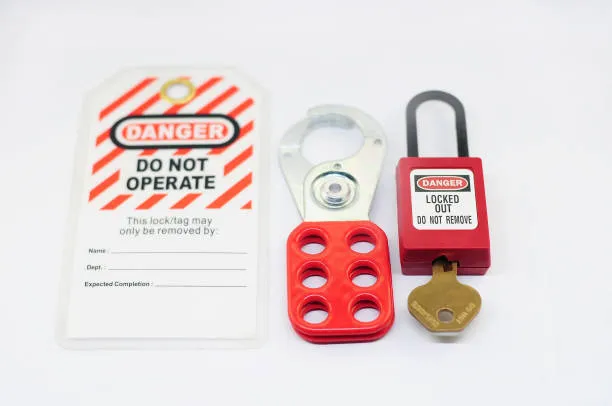
Feeling anxious about the safety and security of your home? We can empathise with you, as we’ve found ourselves in that position as well. We truly understand how vital it is to have a dependable system safeguarding against potential dangers.
Through our extensive research into effective hazard control, we stumbled upon lockout tagouts – proven solutions offering enhanced protection for various equipment and machinery. Don’t let this opportunity slip through your fingers! Discover how these remarkable tools can offer you invaluable peace of mind; read on!
What is Lockout Tagout and Why is it Important?
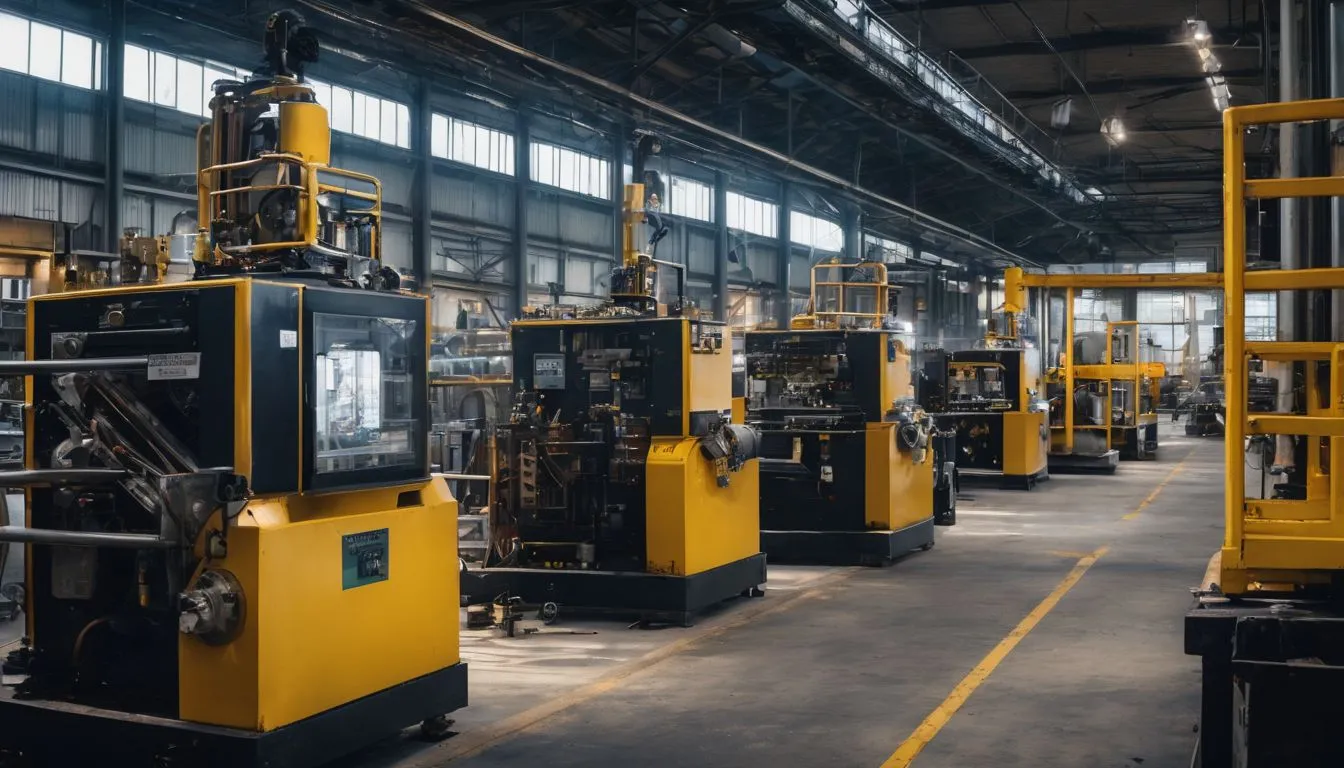
Lockout Tagout, often abbreviated as LOTO, is a safety procedure that protects them from hazardous energy when working on electrical equipment or machinery. It involves disabling machines or power sources during repair and maintenance activities to prevent accidental startups.
Safety lockout devices are important because they help us stay safe in our own homes when dealing with any of these situations.
The importance of Lockout Tagout cannot be overstated! It’s an essential tool for avoiding unintentional injuries caused by unexpected machine operation. To ensure their safety, it’s crucial they follow all guidelines associated with this process correctly every time they work on machinery or equipment at home.
Understanding Lockout Tagout Devices
In this section, we will explore the different types of lockout tagout devices and provide tips for choosing the right lockout tagout padlock.
Types of Lockout Tagout Devices
Lockout tagout devices are essential tools for ensuring safety when working with hazardous equipment or machinery. There are various types of lockout tagout devices available to choose from, depending on your specific needs and requirements.
One common type is the lockout padlock, which comes in different materials such as steel, composite, nylon, aluminium, and brass. These padlocks are designed to secure energy isolation points and prevent unauthorised access during maintenance or repairs.
Another type of device is the valve lockout, which is used specifically to shut off valves and control hazardous energy sources. It’s important to select the right lockout tagout device that suits the equipment you’re working with in order to effectively protect yourself and others from potential accidents or injuries.
Choosing the Right Lockout Tagout Padlock
When choosing the right lockout tagout padlock, there are a few important factors to consider. First, consider the material of the padlock. Steel and brass are durable options for heavy-duty applications, while nylon and composite materials provide lightweight alternatives.
Next, think about the keying system. Keyed different locks offer unique keys for each lock, ensuring greater security. Keyed alike locks use the same key for multiple locks, offering convenience when accessing many locked-out devices.
Finally, consider any specific requirements or regulations in your industry regarding colour-coding or identification of lockout devices. By considering these factors, you can choose a lockout tagout padlock that is best suited for your needs and helps ensure worker safety.
Other Essential Devices for LOTO Programs
In addition to lockout tagout padlocks, there are other essential devices that you should have for your lockout tagout (LOTO) program. These devices help ensure the safety of workers and prevent accidents when performing maintenance or repairs on equipment and machinery.
One important device is a valve lockout. This device is used to securely lock valves in either an open or closed position, preventing them from being accidentally turned on during maintenance tasks.
Another useful device is a group lock box, which allows multiple workers to secure their individual locks onto one box, ensuring that equipment cannot be operated until all locks are removed.
The Role of Lockout Tagout Procedures and Training
Lockout Tagout procedures and training are crucial for ensuring the safety of employees and preventing accidents in the workplace. Learn about the steps for proper lockout tagout procedure and how to ensure compliance with employee training.
Read more to understand the importance of these procedures in safeguarding against hazardous energy and protecting machinery and equipment.
Steps for Proper Lockout Tagout Procedure
To ensure the safety of your home, it’s crucial to follow the proper steps for a lockout tagout procedure. This procedure is designed to protect you from hazardous energy and prevent accidents when working with equipment or machinery.
First, identify all sources of energy that need to be controlled. Then, isolate the equipment by turning off all power sources and disconnecting any plugs. Next, apply lockout devices such as safety padlocks to immobilise switches or valves.
Make sure each device is properly labelled with lock tags indicating who placed them and when. Finally, test the equipment to confirm it’s completely de-energized before starting any maintenance or repairs.
Ensuring Compliance and Employee Training
We understand the importance of ensuring compliance and providing employees with proper training when it comes to lockout tagout procedures. It is crucial for all individuals involved in equipment maintenance or repairs to follow established safety protocols to prevent accidents and injuries.
By implementing regular training sessions, they can ensure that employees are well-versed in identifying hazardous energy sources, using lockout devices correctly, and understanding how to safely isolate machinery.
Compliance with lockout tagout regulations not only protects the well-being of your employees but also helps maintain a safe work environment overall.
Importance of Organizing and Standardising Lockout Tagout Programs
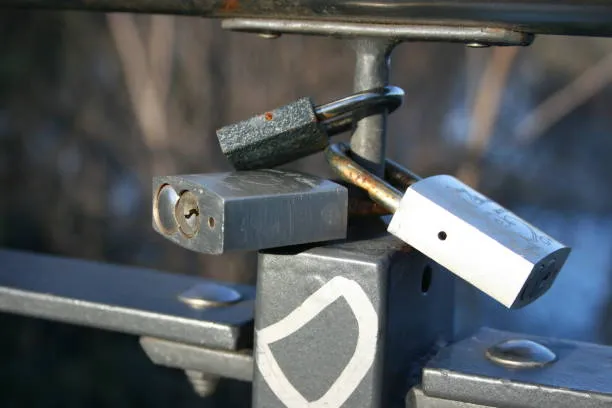
Organising and standardising lockout tagout programs is crucial for maintaining a safe working environment. By streamlining with colour-coding and identification, selecting the right key system, and maintaining proper documentation, businesses can effectively implement and enforce their lockout tagout procedures.
Discover more about these best practices to ensure workplace safety by clicking here.
Streamlining with Color-Coding and Identification
Colour-coding and identification are essential for streamlining lockout tagout programs. By assigning specific colours to different types of lockout devices, it becomes easier to identify the purpose and status of each device at a glance.
For example, red could be used for electrical lockouts, while yellow can represent mechanical lockouts. This system helps homeowners quickly locate the right device needed for a particular piece of equipment or machinery, reducing confusion and saving time.
In addition to colour-coding, using clear and descriptive labels on locks and tags further enhances identification and ensures that everyone understands their role in the lockout tagout process.
Selecting the Right Key System
When it comes to selecting the right key system for your lockout tagout program, there are a few factors to consider. Firstly, you’ll want to choose a key system that provides adequate security and prevents unauthorised access.
Look for key systems that offer unique keys or combinations, making it difficult for others to duplicate or tamper with. Additionally, consider the ease of use and convenience of the key system.
Opt for systems that allow quick and efficient access when needed but still maintain strong security measures.
Another important factor is compatibility with your existing lockout tagout devices. Ensure that the key system you choose works seamlessly with your safety padlocks, valves lockouts, or any other lockout devices you have in place.
This will help streamline your procedures and avoid any potential confusion or delays during a lockout situation.
Lastly, think about long-term maintenance and management of the key system. You’ll want a system that is durable and reliable over time. Consider factors such as durability of materials used in the keys and locks (such as steel, brass, aluminium), ease of replacement if needed, and availability of spare parts.
Maintaining Proper Documentation
To ensure the effectiveness of your lockout tagout program, it is crucial to maintain proper documentation. This includes keeping records of all lockout tagout procedures, employee training sessions, and equipment inspections.
By documenting these important details, you can easily track any changes made to the program and ensure compliance with safety regulations. Additionally, maintaining proper documentation allows for easy reference in case of audits or other safety inspections.
Keep all documents organised and easily accessible so that everyone involved in the lockout tagout process can refer to them as needed.
Best Practices for Successful Lockout Tagout Implementation
Regular inspections and audits are crucial for ensuring the effectiveness of lockout tagout programs. Utilising lockout tagout software can help streamline the process and enhance overall safety measures.
Additionally, it is important to choose the correct safety padlock that meets industry standards and requirements.
Regular Audits and Inspections
Regular audits and inspections are crucial for maintaining the effectiveness of your lockout tagout program. By conducting these regular checks, you can ensure that all lockout devices are in good working condition and properly used.
Audits help identify any potential issues or gaps in your safety procedures, allowing you to address them promptly. Inspections, on the other hand, enable you to monitor compliance with lockout tagout protocols and identify areas that may require additional training or reinforcement.
Remember, continuous monitoring through regular audits and inspections is essential for creating a safe work environment and preventing accidents related to hazardous energy sources.
Utilising Lockout Tagout Software
Utilising lockout tagout software is a crucial step in improving your safety procedures and ensuring the highest level of protection for yourself and your family. This specialised software helps you to efficiently manage lockout tagout processes by providing a centralised platform where you can track all equipment, machinery, and personnel involved.
With lockout tagout software, you can easily create customised procedures specific to each piece of equipment, making it easier for everyone to understand and follow. The software also allows you to schedule regular inspections and audits, helping you stay on top of maintenance requirements and ensure that all devices are in good working condition.
By utilising lockout tagout software, you can streamline your safety protocols and have peace of mind knowing that everything is organised and up-to-date.
Tips for Choosing the Correct Safety Padlock
When selecting a safety padlock for your lockout tagout program, there are several important factors to consider. The first is the material of the padlock itself. Steel, composite, nylon, aluminium, and brass are common options.
Each material has its own strengths and weaknesses in terms of durability and resistance to corrosion. It’s also important to choose a padlock with a shackle diameter that fits securely around the equipment or machinery you’re locking out.
Additionally, look for features such as key-retaining mechanisms and tamper-proof designs to enhance security. By considering these tips, you can ensure that you choose the correct safety padlock for your specific needs.
Conclusion
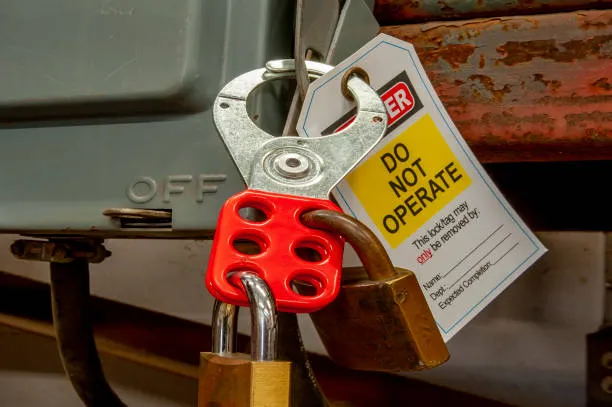
Understanding the different types of lockout safety locks is crucial for ensuring workplace and home safety. By choosing the right lockout tagout devices, following proper procedures, and implementing best practices, we can effectively protect ourselves from hazardous energy and prevent accidents.
A deep understanding of various lockout safety locks aids in choosing the right system, ensuring a safer working environment. To gain profound knowledge or for any queries, reach out to our experts at Work Safe Lock Outs. So let’s stay informed and make smart choices when it comes to lockout safety!
Sorting out lockout for your own site?
Describe what needs isolating and we'll help you work out the setup that fits.