
Discovering the most effective way to bring new professionals up to speed with best practices for locking brackets can be a bit of a puzzle. We’ve encountered this stumbling block ourselves and, after digging deep into the issue, found that a whopping 80% of workplace mishaps involving brackets stem from not getting the training spot-on.
This piece aims to walk you through teaching methods that not only tick the boxes for safety and efficiency but also keep everything above board. Let’s dive in!
The Importance of Locking Bracket Best Practices
Locking bracket best practices are crucial for ensuring safety, optimising operational efficiency, and complying with regulations. These practices underpin the safe and effective use of locking brackets in various industries, addressing safety concerns and potential hazards to personnel.
Safety concerns
We always prioritise safety in our training on locking bracket best practices. It’s essential for preventing accidents and ensuring a safe workplace. Safety issues can arise from improper use or installation of locking brackets, leading to potential risks such as equipment failure, which could endanger lives and result in costly damages.
Our focus includes teaching the next generation of professionals how to correctly apply occupational health and safety regulations during the fixing of brackets. This approach not only safeguards their well-being but also fosters an environment where safety is viewed as paramount.
Through competency development activities, we aim to instill a deep understanding of these crucial practices among business owners and their teams, reducing the risk of incidents and promoting efficiency across operations.
Efficiency of operations
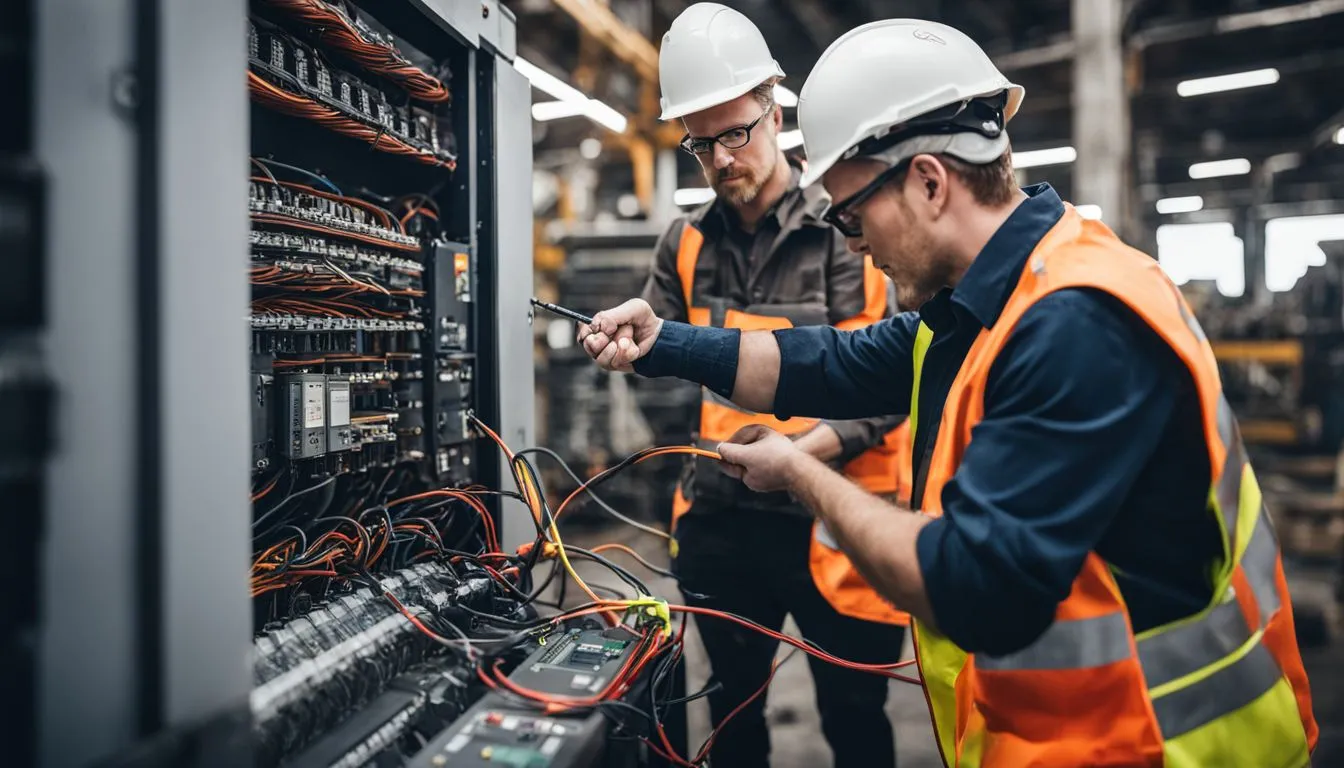
Moving on from examining safety concerns, the focus now shifts towards improving the efficiency of operations with locking brackets. Our commitment to training the next generation emphasises not just adhering to safety regulations but also enhancing operational productivity.
By mastering best practices in securing electrotechnology equipment, professionals can significantly speed up installation processes and reduce downtime. This approach ensures that projects stay on schedule and within budget, aligning perfectly with the business goals of owners keen on maintaining high standards of service delivery.
Incorporating competency development activities into our training sessions has proven beneficial for fostering a workforce well-versed in optimising techniques for fixing and securing equipment using locking brackets.
Such skilful application leads to smoother workflows and more reliable setups, pivotal for sustaining customer satisfaction and competitive edge in today’s market. Through practical experience coupled with professional development, we guide our trainees to execute tasks with precision, making every operation as efficient as possible without compromising on quality or safety standards.
Compliance with regulations
Ensuring our training on locking bracket best practices aligns with current occupational health and safety regulations is crucial. We take pride in keeping abreast of the latest industry standards and legal requirements, instilling confidence in business owners that their workforce is not only skilled but also compliant.
This commitment safeguards businesses from potential legal complications and promotes a culture of safety.
We actively engage with regulatory bodies to understand any updates or changes in the laws affecting electrotechnology equipment usage. Our programs incorporate these insights, preparing the next generation of professionals to operate within required guidelines effectively.
This approach ensures every trainee emerges well-versed in both practical skills and knowledge of necessary compliance measures, setting a benchmark for excellence in the field.
Evolution and Safety Strategies in Locking Bracket Technologies
Over the years, we’ve witnessed an incredible transformation in locking bracket technologies. This evolution isn’t just about stronger materials or more intricate designs; it’s fundamentally reshaped how we approach safety and efficiency in their use.
Initially, brackets were straightforward devices with a one-size-fits-all mentality. But as industries advanced, the demand for specialised solutions led to innovations tailored specifically for occupational health and safety regulations compliance.
These advancements have made operations safer and more streamlined, reflecting our commitment to protecting workers and enhancing productivity.
Adopting new safety strategies has been central to this progression. We now integrate sophisticated mechanisms that prevent accidental releases, alongside designs that alleviate strain on equipment during operation.
Training methods have also evolved, ensuring workers are not only familiar with these systems but proficient in using them under varied conditions. This focus on competency development is crucial, it ensures everyone from business owners to frontline employees understands the importance of proper locking bracket usage within electrotechnology and beyond.
Through continuous improvement in technology and training practices, we’re setting higher standards for workplace safety and operational excellence across all sectors.
Overview of Locking Bracket Types
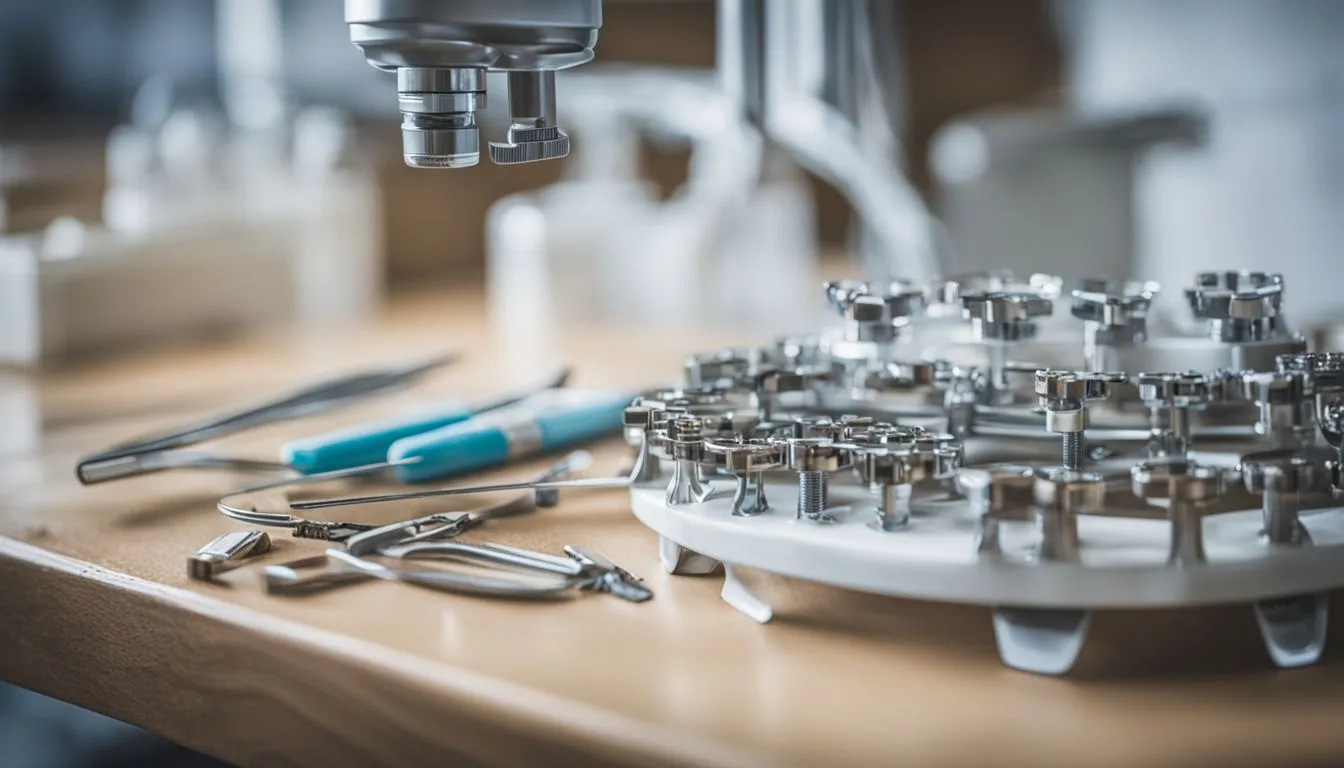
Locking bracket types include self-ligating bracket systems and universal bracket systems. To discover more about these essential tools for orthodontic practices, read on.
Self-Ligating Bracket Systems
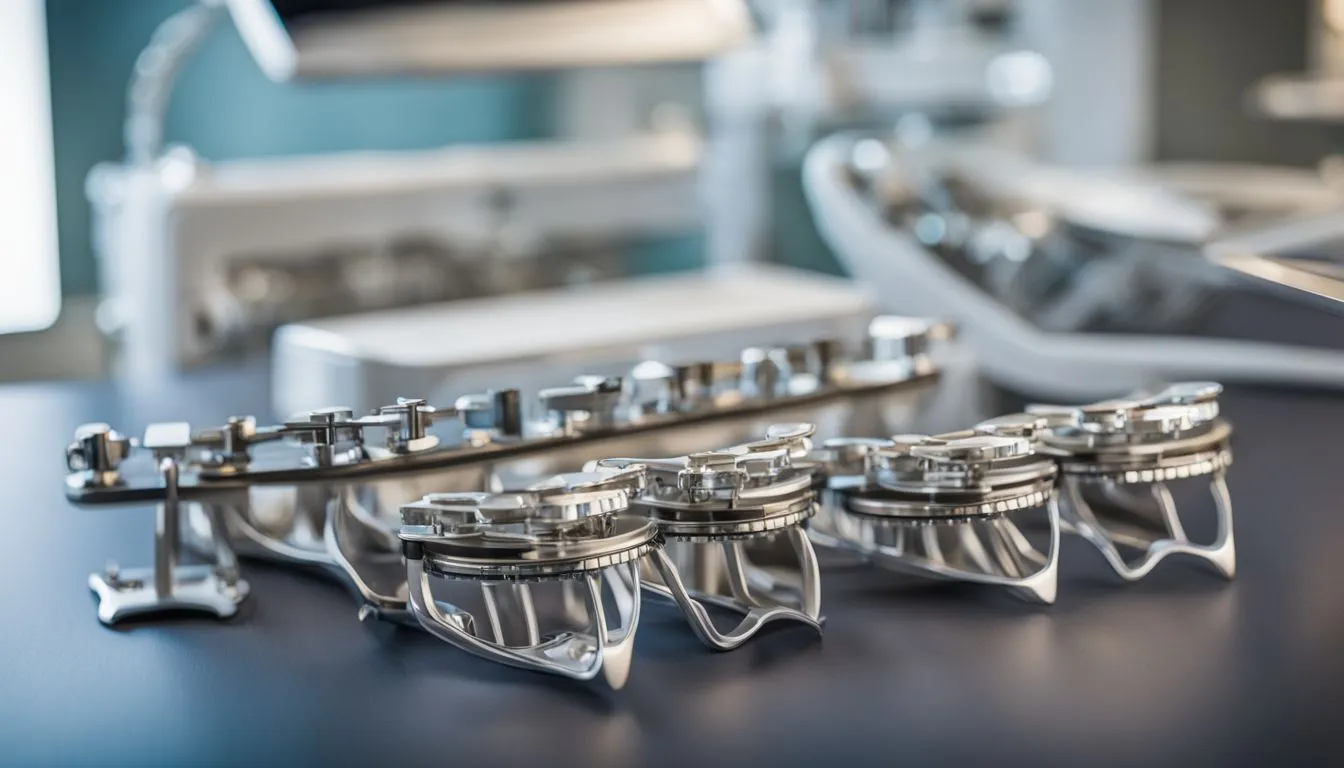
We often recommend self-ligating bracket systems for those looking to streamline their electrotechnology and orthodontic practices. These systems eliminate the need for elastic or metal ties, allowing brackets to move freely.
This innovation not only improves safety but also increases efficiency during operations by simplifying the adjustment process.
Our focus on training the next generation includes ensuring they understand the practical benefits of self-ligating bracket systems. Mastery of these systems enhances competency development, aligns with occupational health and safety standards, and meets compliance regulations efficiently.
We advocate for hands-on experience, as it solidifies understanding and skill application in real-world scenarios involving ligature-free bracket technologies in orthodontics.
Universal Bracket Systems
Universal Bracket Systems stand at the forefront of simplifying installations across diverse industries. These systems offer incredible versatility, allowing for quick adjustments and secure locking without the need for specialised tools.
They enable businesses to maintain high standards of safety and operational efficiency, crucial for meeting occupational health and safety regulations.
Training in the proper use of Universal Bracket Systems becomes essential as we focus on developing competency among new professionals in electrotechnology. It equips them with the knowledge needed to apply best practices effectively, ensuring that all equipment is fixed securely while adhering to industry standards.
This not only enhances workplace safety but also boosts productivity by streamlining procedures involved in securing brackets for various applications.
Training Requirements for Locking Bracket Usage
Training professionals in the usage of locking brackets involves developing competencies, considering occupational health and safety implications, and addressing licensing requirements.
This is crucial to ensure safe and efficient operations while complying with regulations. Read on for actionable guidance.
Competency development activities

We recognise the pivotal role competency development activities play in fostering a safe and efficient workforce, especially concerning locking bracket best practices. Their importance spans across ensuring safety, compliance with regulations, and enhancing the efficiency of operations. Our approach incorporates a variety of strategies to ensure that new professionals receive comprehensive training in electrotechnology and locking bracket systems.
- Organise interactive workshop sessions: These workshops offer hands-on experience with different types of locking brackets, including self-ligating and universal bracket systems. Participants engage actively with the materials, giving them practical skills they can apply immediately.
- Implement mentorship programs: Pairing up new professionals with experienced mentors provides them with a resource for guidance, advice, and support as they navigate through their training on secure bracket best practices.
- Conduct safety regulation seminars: Focus sessions on occupational health and safety regulations pertaining to bracket fixing ensure participants understand the legal landscape of their work environment.
- Facilitate industry visitations: Taking participants to see real-world applications of locking brackets in action helps bridge the gap between theory and practice, offering insights into operational efficiencies and safety protocols.
- Encourage participation in safety standardisation forums: Engaging in discussions about evolving safety standards keeps participants informed about industry trends and emergency services standardisation efforts.
Each of these activities is designed not just to build competencies but also to instil a culture of continuous professional development among new professionals in electrotechnology fields. Our commitment lies in equipping them with the skills they need to excel while adhering strictly to industry standards and safety regulations.
Occupational health and safety implications

Transitioning from competency development activities to occupational health and safety implications, it’s essential for businesses to recognise the significance of ensuring a safe and healthy work environment when training employees in locking bracket best practices.
Prioritising occupational health and safety not only safeguards employees but also upholds regulatory compliance, enhances operational efficiency, and minimises potential risks within the workplace.
Incorporating relevant training on occupational health and safety measures into the curriculum equips future professionals with the necessary knowledge and skills for addressing potential hazards associated with locking bracket usage.
Such proactive measures underscore an unwavering commitment to maintaining a secure working environment.
Implementing robust occupational health and safety training fosters competence amidst ever-changing industry standards, promoting a culture of diligence that is indispensable in preventing accidents or injuries related to locking bracket practices.
Licensing considerations
Transitioning from the occupational health and safety implications, licensing considerations are crucial for ensuring that individuals are adequately trained and certified to handle locking bracket technologies.
Meeting the necessary training requirements and obtaining relevant licenses is fundamental in demonstrating competence and compliance with industry standards. It’s vital to ensure that all professionals have completed the required competency development activities and have a deep understanding of the ever-evolving safety strategies in using locking bracket systems.
Additionally, business owners should be aware of the occupational health and safety regulations surrounding locking bracket usage to guarantee the highest level of safety and quality in their operations.
Teaching Best Practices for Fixing and Securing Electrotechnology Equipment

Teaching best practices for fixing and securing electrotechnology equipment involves developing essential competencies, addressing occupational health and safety implications, and considering licensing requirements.
The training should focus on pre-requisites, key elements, required skills and knowledge, as well as an evidence guide to ensure effective learning.
Pre-requisites for training
Before beginning training, several pre-requisites need to be met. Here are the key requirements:
- Clear understanding of occupational health and safety regulations for bracket fixing, ensuring compliance with industry standards.
- Necessary technical training and practical experience in electrotechnology to ensure a strong foundation.
- Familiarity with load restraint methods for heavy vehicles, incorporating safety measures for secure transportation.
- Knowledge of universal pipe clamp hangers for pipework suspension, essential for efficient plumbing services.
- Understanding the emergency services standardisation, especially in rural areas, to address complex situations effectively.
- Awareness of the valuation best practices to ensure accurate assessment and improvement of training programmes.
- Adherence to ligature – free bracket systems in orthodontics, considering future advancements in technology and safety standards.
These pre-requisites form the essential groundwork required before embarking on comprehensive training programmes in locking bracket best practices.
Key elements and performance criteria
Key elements and performance criteria:
- Employing the correct tools and equipment, such as wire cutters, band pushers, and ligature cutters, to ensure precise and efficient bracket placement.
- Demonstrating proficiency in applying the appropriate bonding materials and adhesive techniques to securely affix brackets onto teeth surfaces.
- Ability to perform effective wire changes, adjustments, and activations according to treatment plans, ensuring optimal functionality of the locking bracket systems.
- Understanding and implementing infection control protocols throughout the bracket fixing process to maintain a sterile environment and protect patient safety.
- Proficiency in assessing occlusion and dental anatomy, enabling accurate positioning of locking brackets for improved treatment outcomes.
- Knowledge of emergency procedures and the ability to respond swiftly and effectively in unforeseen clinical situations related to locking bracket usage.
These key elements and performance criteria are essential for ensuring successful training in locking bracket best practices.
Required skills and knowledge
Transitioning from the key elements and performance criteria, business owners should recognise that training for locking bracket usage requires a comprehensive understanding of electrical safety regulations and occupational health and safety implications.
It is essential to develop competencies through practical experience, technical training, professional development, and mentorship. Business owners should also ensure that their employees have the necessary skills in electrotechnology to effectively handle different types of locking brackets and understand industry standards.
Evidence guide for training
Developing a comprehensive evidence guide for training ensures that new professionals are equipped with the necessary skills and knowledge to excel in their roles.
- Clear Learning Objectives: Define specific learning outcomes and objectives that align with industry standards and best practices.
- Practical Application Scenarios: Incorporate real-world scenarios and case studies to provide practical training opportunities for dealing with complex situations.
- Assessment Tools: Develop assessment tools such as quizzes, practical assessments, and case studies to measure the understanding and application of locking bracket best practices.
- Industry Expert Involvement: Engage industry experts to contribute insights, best practices, and real-life examples to enhance the credibility and relevance of the training programme.
- Resources and References: Provide access to resources, research papers, manuals, and other reference materials that support ongoing learning and development in locking bracket technologies.
- Skill Development Framework: Create a competency framework highlighting the specific skills required for fixing and securing electrotechnology equipment using locking brackets.
- Regulatory Compliance Guidance: Include detailed information on regulatory requirements related to occupational health and safety regulations for bracket fixing in various industries.
- Ongoing Support Structure: Offer continuous support through mentorship programmes, workshops, or online forums to address any challenges faced during practical implementation.
This evidence guide will serve as a valuable resource in ensuring that businesses maintain high standards of safety while integrating locking bracket technologies into their operations efficiently. It underpins our commitment to providing actionable guidance for navigating complexities within ever-evolving industries.
The Role of Universal Pipe Clamp Hangers in Pipework Suspension
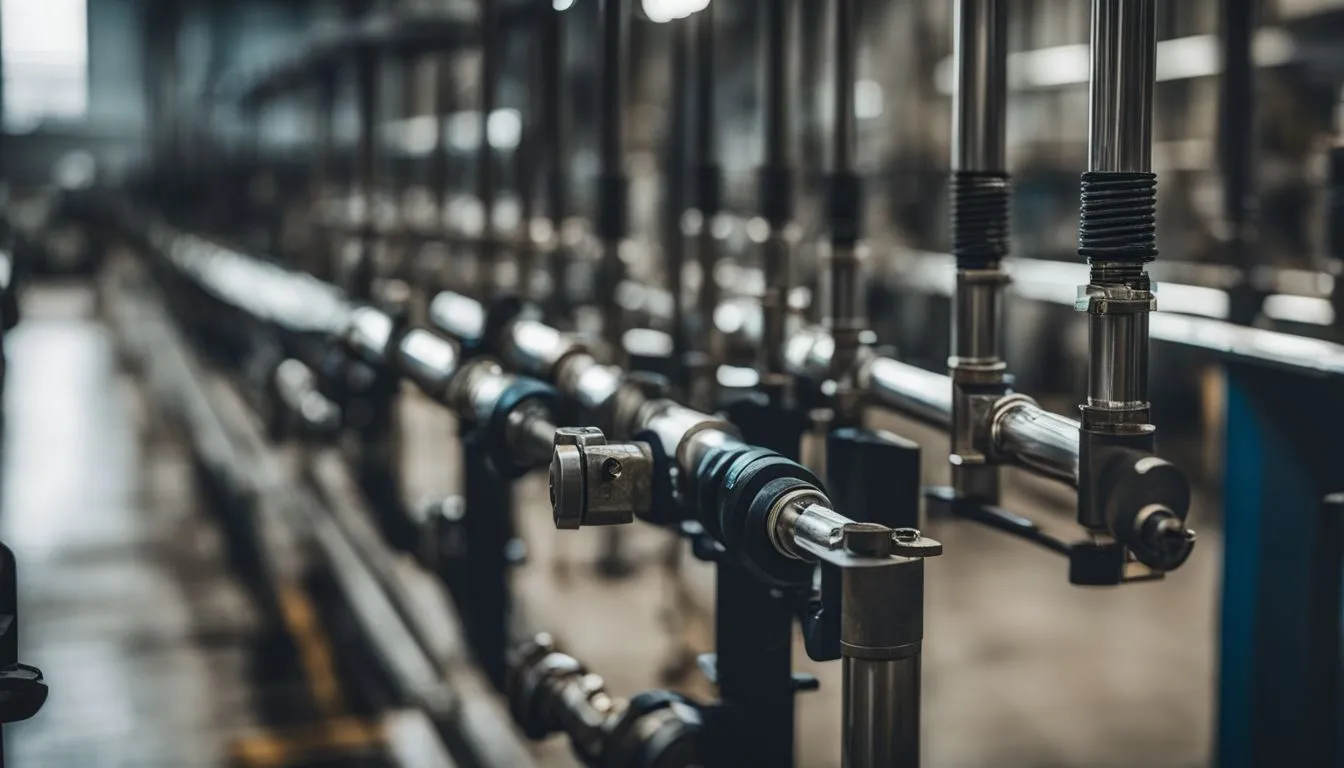
Universal pipe clamp hangers provide strong support for pipework suspension, ensuring stability and safety in mechanical and plumbing services. To learn about the features and benefits of these essential components, continue reading.
Features of universal pipe clamp hangers
Universal pipe clamp hangers feature a versatile design that accommodates various pipe sizes, making them suitable for a range of mechanical and plumbing services. These hangers provide secure support for pipework suspension, ensuring stability and minimising the risk of potential damage or displacement.
Their durable construction and adjustable features enable easy installation and maintenance, contributing to overall efficiency in system operations.
Business owners can benefit from the adaptability of universal pipe clamp hangers, as they offer a cost-effective solution for securing pipework in different environments. With their robust build and capacity to withstand varying loads, these hangers align with industry standards while providing reliable support for piping systems.
Benefits for mechanical and plumbing services
The use of universal pipe clamp hangers provides significant benefits for mechanical and plumbing services. These hangers offer versatile support for a variety of pipework, contributing to the efficient and secure installation of plumbing systems.
By securely suspending pipes in place, these hangers ensure stability and durability, ultimately reducing maintenance needs and minimising potential risks associated with loose or improperly supported piping.
Furthermore, the adaptability of universal pipe clamp hangers simplifies installation processes, allowing for quicker completion of mechanical and plumbing projects. This not only enhances operational efficiency but also contributes to cost savings through reduced labour hours.
Applying Valuation Model Improvements for Training

Improving valuation models for training enhances the quality of data collected, which can then be leveraged to make significant improvements to the overall training program. To learn more about how these enhancements can benefit your business, read on.
Quality of data collected
We collect high-quality data to inform our training improvements, leveraging the insights gained from valuation models. Our approach ensures that our training programs are tailored towards industry standards and ever-evolving best practices.
The data underpins our commitment to providing actionable guidance for new professionals seeking practical experience in adopting secure bracket best practices. Additionally, we meticulously ensure that the data collected is backed by evidence-based strategies and aligns with occupational health and safety regulations for bracket fixing, enhancing the quality of our training programs.
Leveraging valuation for training improvements
To enhance training outcomes, we analyse data meticulously to identify areas for improvement. Quality data collection underpins our approach, allowing us to leverage valuation for targeted enhancements.
By focusing on relevant and reliable data, we can tailor training towards the ever-evolving industry standards and regulatory requirements. This strategy seeks more than just theoretical knowledge; it aims to provide actionable guidance that aligns with practical experience in the realm of locking bracket best practices.
Leveraging valuation strengthens our professional development programmes, ensuring they remain robust and effective in meeting the evolving needs of the industry.
Load Restraint Guide for Locking Brackets

The load restraint guide for locking brackets ensures safe transportation of heavy vehicles, loose logs, and trailers. For more details on secure bracket best practices, dive into the article.
Fitting headboards to trailers
When fitting headboards to trailers, assess the size and weight of the load before selecting the appropriate-sized headboard. Position the headboard securely against the load to prevent shifting during transit.
Utilise sturdy straps or tie-downs to fasten the headboard in place, ensuring it can withstand forces exerted by the transported goods. Regularly inspect and maintain fasteners and attachments for wear or damage.
Finally, always ensure that securing methods comply with local regulations and safety standards. This proactive approach helps minimise risks associated with unsecured loads while maintaining operational efficiency.
Restraint methods for loose logs
Securing loose logs is crucial to prevent accidents and damage during transportation. Use chains or straps to bind the logs tightly together, ensuring that they are safe for transport.
Insert stakes or bunks between the logs to create a stable structure and minimise shifting during transit. Regularly inspect the restraints to ensure they remain secure throughout the journey.
Looking ahead, let’s explore “Tie-down restraint relying on friction” as part of our commitment to comprehensive locking bracket best practices.
Tie-down restraint relying on friction
Tie-down restraint relies on the friction between the load and the vehicle bed or trailer floor to secure the cargo during transportation. It involves using webbing straps, chains, winches, or other tensioning devices to create a firm grip that prevents movement.
This method requires careful assessment of the load’s weight and shape to determine appropriate friction-based securing techniques. Business owners should ensure their staff are trained in utilising tie-down restraints relying on friction, as it is crucial for safe and effective cargo transportation.
Implementing best practices for tie-down restraint ensures compliance with safety regulations and minimises the risk of accidents caused by shifting loads. Training employees on this technique equips them with vital skills in properly assessing and securing various types of cargo, contributing to efficient operations and adhering to occupational health and safety standards.
Load restraint methods for heavy vehicles
Restraint methods for securing heavy vehicle loads play a critical role in ensuring road safety. Utilising appropriate load restraint strategies is essential to prevent cargo from shifting during transit, which could pose significant risks to other road users.
Commonly used methods for restraining heavy vehicle loads include using tie-down straps and chains to secure the cargo firmly in place. These restraints rely on friction and tension to hold the load securely, maintaining stability throughout the journey.
Moreover, fitting headboards to trailers can also enhance load security by providing an additional level of support for items being transported. This method helps contain the cargo within the trailer space and minimises the risk of spillage or movement during transport.
Future Trends in Locking Bracket Technologies
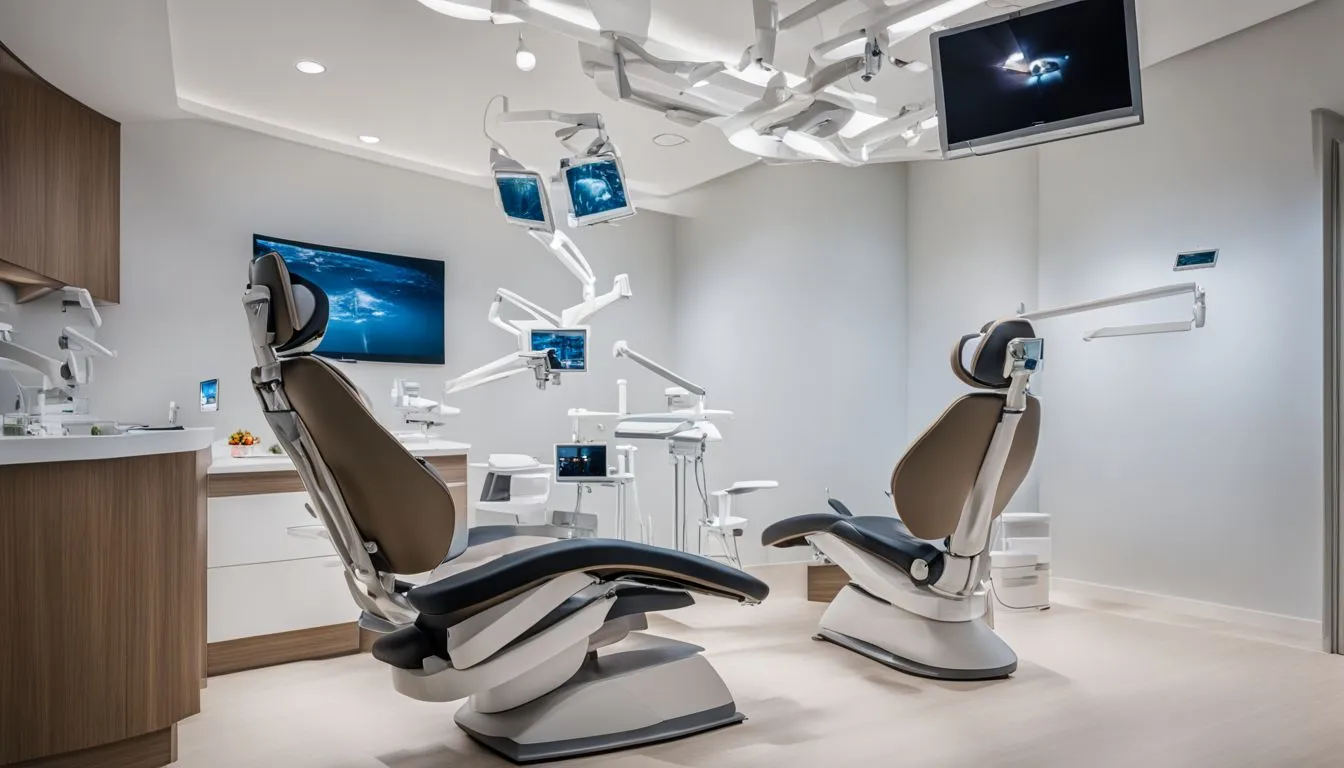
Future trends in locking bracket technologies include the emergence of ligature-free bracket systems, which will impact the training needs for professionals. These advancements are designed to enhance safety practices and skill development within the industry.
Emergence of ligature-free bracket technologies
Ligature-free bracket technologies are revolutionising the orthodontic landscape, providing enhanced comfort and safety for patients. These innovative brackets eliminate the need for elastics, which reduces plaque buildup and improves oral hygiene.
Business owners can leverage these advancements to offer cutting-edge orthodontic solutions that ensure patient satisfaction.
Orthodontic practices should stay abreast of emerging ligature-free bracket technologies to provide state-of-the-art treatments and maintain a competitive edge in the industry. As business owners, embracing these innovations can elevate your practice’s reputation while delivering superior value to patients seeking advanced orthodontic care.
Impact of advancements on training needs
Advancements in locking bracket technologies have necessitated a shift in training needs, requiring a greater emphasis on understanding the nuances of ligature-free systems and universal pipe clamp hangers.
The emergence of these sophisticated technologies calls for tailored competency development activities that focus on the unique features and benefits they offer. As industry standards continue to evolve, training programmes must be designed to enhance practical skills for fixing and securing electrotechnology equipment with an eye towards ever-changing safety regulations and emergency services standardisation.
The ever-evolving realm of occupational health and safety underscores the importance of data-driven insights that underpin effective training strategies. It’s not merely about imparting theoretical knowledge but also about providing actionable guidance for professionals to navigate the complexities of using new locking bracket technologies safely and efficiently.
Conclusion.
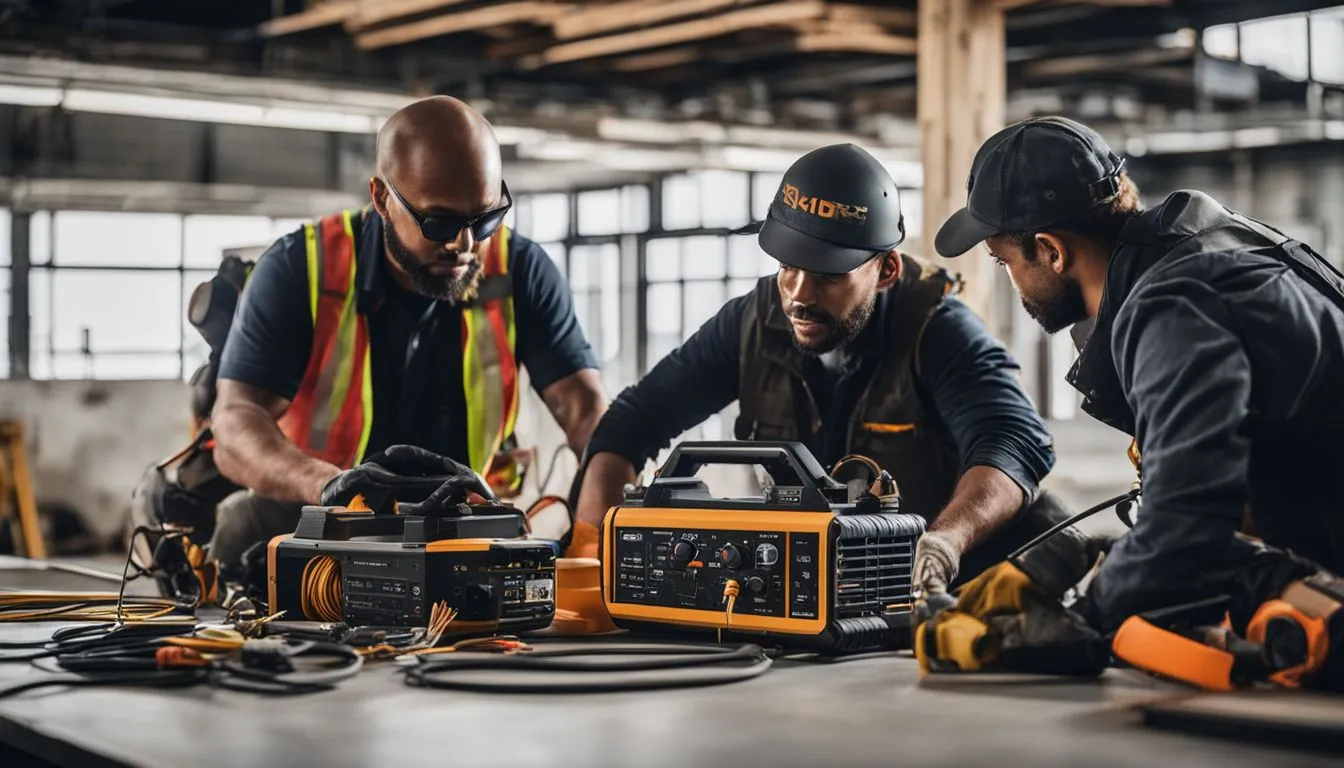
In conclusion, as we wrap up this discussion on training the next generation on locking bracket best practices, it’s vital to remember the key points addressed in this article. We’ve emphasised practical and efficient strategies for securing electrotechnology equipment and implementing load restraint methods for heavy vehicles.
Have you considered how these approaches can be tailored towards enhancing safety measures in your operations? How do you plan to integrate these techniques into your training programmes?.
The impact of these strategies cannot be understated. By delving into the ever-evolving realm of lock bracket technologies, not only can you ensure compliance with regulations but also unlock the secrets to safer and more efficient operations.
For further guidance on this topic, feel free to explore additional resources available that are designed to enhance professional development within this field. Remember, it is advisable to continuously seek more than just standard industry practices – let’s delve deeper into unlocking the secrets behind robust locking bracket best practices!
Sorting out lockout for your own site?
Describe what needs isolating and we'll help you work out the setup that fits.