
Feeling a bit muddled about how to effectively use lockout safety locks for workplace safety? We understand, mate. In fact, research has shown that sticking to Lockout/Tagout (LOTO) regulations can stop around 120 fatalities and 50,000 injuries annually! That’s quite substantial don’t you think? Because of this, we’ve decided it’s high time we took a deep dive into the subject matter and present you with “The Ultimate Guidebook: Using Lockout Safety Locks Effectively”.
Ready to make your workspace safer than ever? Then let’s get stuck in!

Understanding Lockout Safety Locks
Lockout/tagout (LOTO) is a safety procedure in the workplace that involves disabling equipment or machinery to prevent unexpected startup or release of hazardous energy. It is essential for maintaining a safe working environment and preventing accidents.
The Occupational Safety and Health Administration (OSHA) has set standards for lockout/tagout procedures to ensure compliance and enhance workplace safety.
What is lockout/tagout (LOTO)?
Lockout/Tagout (LOTO) is a vital safety procedure that helps prevent accidental startup of machinery or equipment during servicing. It involves the use of specialised locks and tags to ensure energy sources are disabled, thus minimising workplace accidents.
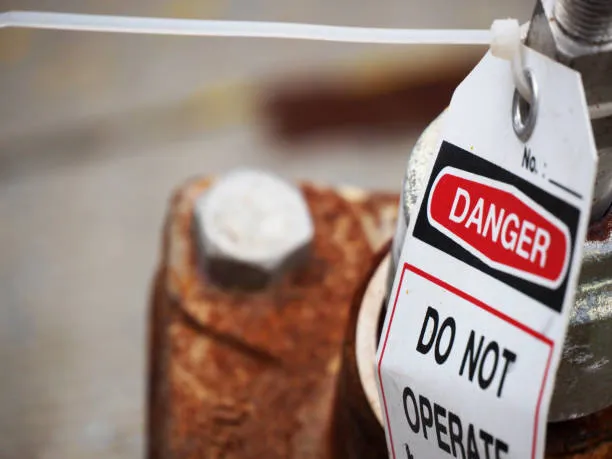
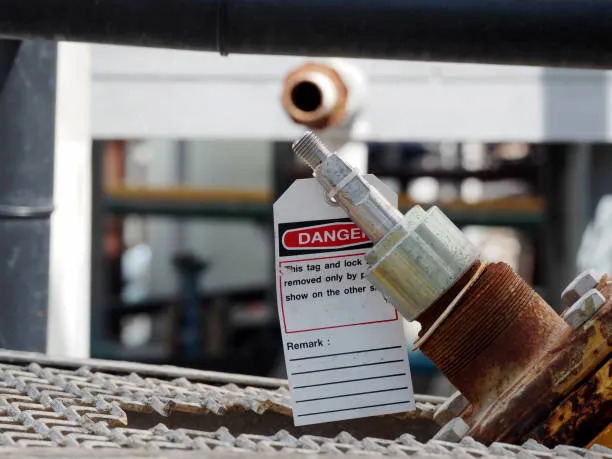
The lock prevents an unexpected release of hazardous energy by holding energy-isolating devices in safe positions while the tag warns employees about potential hazards if the machine becomes operational unexpectedly.
Following these steps offers workers a safer environment as they carry out repairs or maintenance duties on machines and equipment. For us, worker’s safety always comes first which is why we place such great importance on implementing correct LOTO procedures at all times.
Importance of LOTO in workplace safety
Lockout/tagout (LOTO) is a crucial practice in ensuring workplace safety. By implementing LOTO procedures, businesses can protect employees from hazardous energy sources and prevent accidents.
Compliance with LOTO standards set by organisations such as OSHA is essential to maintain a safe working environment. Lockout safety locks play a vital role in this process, as they serve as reliable devices to isolate machinery or equipment from power sources during service or maintenance.
These locks provide an effective visual indication that the machinery or equipment should not be operated, ensuring the safety of workers and preventing potential injuries caused by unexpected energization.
OSHA lockout/tagout standard
The OSHA lockout/tagout (LOTO) standard is a crucial regulation that every business owner must comply with to ensure workplace safety. It outlines the procedures and requirements for controlling hazardous energy sources during maintenance or servicing of equipment.
This standard helps prevent unexpected startup or release of stored energy, protecting workers from potential injuries or fatalities. By implementing LOTO procedures and using lockout safety locks, you can create a safer work environment and reduce the risk of accidents caused by hazardous energy.
Remember to train your employees on LOTO procedures and establish a comprehensive LOTO program in your workplace to effectively adhere to the OSHA standard.
Types of Lockout Safety Locks
In this section, we will explore the different types of lockout safety locks available in the market.
Master Lock’s Safety Lockout Padlocks
Master Lock’s safety padlocks come in a range of colours and keying options, with engraving and labels available.
Lockwood Padlocks
Lockwood’s padlock range runs from small residential letterbox locks to high-security commercial marine-grade locks.
Remember, when choosing a lockout safety lock, consider factors such as material durability and size compatibility with various types of equipment. It’s also important to ensure compliance with relevant regulations and guidelines when selecting your padlocks.
Choosing the Right Lockout Safety Lock
When choosing the right lockout safety lock, consider factors such as material, size, and compliance. Not only do these locks provide an added layer of security for your workplace, but they also play a crucial role in ensuring the safety of your employees.
To learn more about the benefits of using lockout safety locks and the importance of keying in LOTO, read on.
Factors to consider (material, size, compliance)
When choosing the right lockout safety lock for your workplace, there are several important factors to consider. First, think about the material of the lock. It should be durable and resistant to corrosion or damage.
Next, consider the size of the lock. Make sure it is appropriate for the type of equipment or machinery you need to secure. Lastly, ensure that the lock complies with industry standards and regulations for lockout/tagout procedures.
By considering these factors, you can select a lock that will effectively enhance safety in your workplace.
Benefits of using lockout safety locks
Lockout safety locks offer a range of benefits for businesses looking to enhance workplace safety. Firstly, these locks provide a physical barrier that prevents unauthorised access to dangerous equipment or machinery.
By securely locking out hazardous energy sources, such as electricity or pneumatic power, lockout safety locks help reduce the risk of accidents and injuries.
Furthermore, using lockout safety locks promotes compliance with industry regulations and standards. Lockout/tagout (LOTO) procedures are mandated by organisations like OSHA to safeguard employees from potential harm.
By implementing lockout safety locks, businesses can demonstrate their commitment to employee welfare and avoid costly fines associated with non-compliance.
Additionally, lockout safety locks also facilitate efficient maintenance operations within the workplace. When machines are properly locked out during repairs or servicing, technicians can work safely without worrying about unexpected energization or inadvertent start-ups.
Importance of keying in LOTO
Keying in lockout/tagout (LOTO) is of utmost importance to ensure effective and reliable workplace safety. By assigning unique keys to each employee, the LOTO program becomes more secure and organised.
Keying in LOTO helps prevent unauthorised access to equipment or machinery during maintenance or repair work, reducing the risk of accidents caused by accidental energization. It also allows for better accountability as it becomes easier to track who has control over specific lockout points.
Implementing keying in LOTO not only demonstrates a commitment to safety but also promotes a culture of responsibility and awareness among employees.
Complying with LOTO Procedures
To effectively comply with LOTO procedures, it is essential to follow a step-by-step process. This includes identifying and isolating energy sources, locking out the equipment using safety locks, verifying that all energy has been properly controlled, and finally, testing the equipment before work can resume.
Training employees on these procedures is crucial to ensure their understanding and adherence to workplace safety regulations. Additionally, establishing a comprehensive LOTO program within your organisation will help streamline the process and ensure consistency across different work areas.
Steps for effective LOTO procedure
To ensure a safe working environment, it is crucial to follow an effective Lockout/Tagout (LOTO) procedure. Here are the steps for implementing LOTO in your workplace:.
1. Identify all energy sources: Before starting any maintenance or repair work, identify and document all energy sources that need to be controlled.
2. Notify affected employees: Inform all employees who will be affected by the LOTO procedure so they understand the importance of following it.
3. Shut down equipment: Power off the equipment and make sure it is completely shut down before proceeding with the lockout process.
4. Apply lockout devices: Use appropriate lockout devices, such as padlocks or hasps, to secure energy isolation points like switches or valves.
5. Release stored energy: Safely release any stored energy in the system using methods like bleeding air pressure or releasing tension on springs.
Training employees on LOTO procedures
We believe that training employees on lockout/tagout (LOTO) procedures is crucial for maintaining a safe workplace. By ensuring that your employees are well-educated on LOTO procedures, you can prevent accidents and injuries caused by hazardous energy sources.
Start by conducting comprehensive training sessions where your employees learn the step-by-step process of locking out equipment and machinery before performing maintenance or repairs.
Provide them with clear instructions, visual aids, and hands-on practice to reinforce their understanding of LOTO procedures. It’s also important to periodically review and refresh their knowledge through refresher courses or toolbox talks to ensure ongoing compliance with LOTO guidelines.
Establishing a LOTO program
To ensure workplace safety and compliance with the OSHA lockout/tagout standard, it is essential to establish a LOTO program. A LOTO program includes all the policies, procedures, and practices related to lockout/tagout.
By implementing a comprehensive program, business owners can effectively control hazardous energy sources during maintenance or repair activities. This involves identifying all energy sources, creating clear procedures for locking out equipment, training employees on proper procedures, and regularly reviewing and updating the program as needed.
Prioritising the establishment of a LOTO program will safeguard employees and promote a safer work environment overall.
Where to Get Lockout Safety Locks
When it comes to obtaining lockout safety locks, there are a few options available. One option is to reach out to commercial and domestic locksmiths who often carry a range of lockout/tagout products.
Another option is to explore suppliers that offer a comprehensive selection of lockout/tagout products specifically designed for workplace safety. These suppliers can provide you with the necessary tools and equipment needed for effective lockout procedures.
So, whether you prefer contacting a locksmith or browsing through specialised suppliers, rest assured that you’ll find the right lockout safety locks for your needs.
Commercial and domestic locksmiths
Commercial and domestic locksmiths play a crucial role in providing lockout safety locks for businesses and homes. They are experts in understanding the specific needs of different industries and households, ensuring that the right lockout safety locks are installed.
These professionals have a comprehensive range of products to choose from, offering high-quality lockout/tagout devices that comply with industry standards. Whether you need padlocks, accessories, or other lockout safety equipment, commercial and domestic locksmiths are your go-to source for all your lockout needs.
Suppliers offering a comprehensive range of lockout/tagout products
We have done the research for you and found suppliers who offer a wide range of lockout/tagout products. These suppliers are well-equipped with a variety of options to meet your needs, ensuring that you can find the right lockout safety locks for your workplace.
From high-quality padlocks to accessories and equipment, these suppliers have it all. They understand the importance of workplace safety and provide top-notch products that comply with industry standards.
With their comprehensive range of lockout/tagout products, you can be confident in implementing an effective lockout/tagout program in your business.
Conclusion
Using lockout safety locks effectively is crucial for maintaining workplace safety. By implementing a comprehensive lockout/tagout program and providing proper training to employees on LOTO procedures, businesses can ensure that they are meeting the necessary standards and regulations. Investing in high-quality lockout safety locks from reputable suppliers will also contribute to creating a safe work environment.
So remember, prioritise the use of lockout safety locks to protect your employees and prevent accidents in the workplace. Now that you have this ultimate guidebook at hand, using lockout safety locks effectively is within reach. If further support is needed, reach out to the team at Worksafe Lockouts.
Sorting out lockout for your own site?
Describe what needs isolating and we'll help you work out the setup that fits.