
Venturing into the realm of industrial safety can feel a bit like navigating unknown waters, especially when it comes to safeguarding against unforeseen machinery startups or energy discharges.
We’ve grappled with these issues firsthand and recognise how vital it is to get this right. Meticulous research emphasises that by making use of lockout safety locks, one can significantly reduce workplace accidents whilst ensuring we’re sticking to the letter of safety regulations.
So, let’s delve in together and unravel the mysteries behind proper lock-out/tag-out procedures – your key to averting any potential mishaps!
What is Lockout/Tagout?
Lockout/Tagout refers to a safety procedure used in industrial settings to effectively prevent accidents and injuries caused by the release of hazardous energy during maintenance or repair work.
It involves the use of lockout devices, such as safety locks, to physically disable equipment and tagout devices to communicate that machinery is out of service.
Definition and purpose
Lockout/Tagout procedures refer to safety measures implemented in industrial environments. These protocols aim to minimise risks during equipment maintenance or machine shutdown by controlling hazardous energy sources.
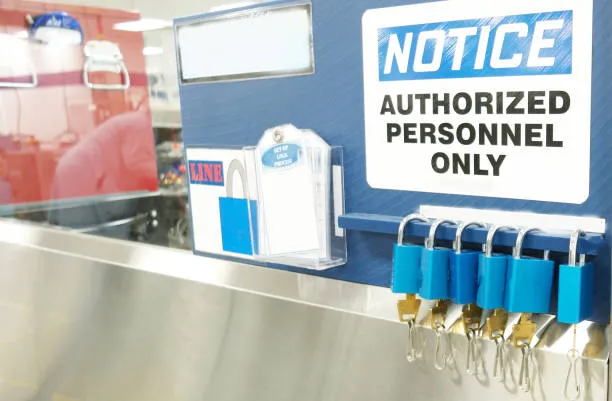
We call the use of specific safety devices for this purpose a ‘lockout’. The lockout devices, often padlocks, secure machinery and prevent unexpected power restarts that could lead to unintentional exposure to harmful energies.
In essence, these processes serve as essential safety measures, ensuring hazardous energy remains isolated during maintenance work or unexpected downtime.
Importance in industrial settings
Lockout safety locks play a crucial role in industrial settings. They are essential for protecting workers from hazardous energy sources and preventing accidents or injuries. By using lockout safety locks, companies can ensure that machines and equipment are properly shut down and isolated during maintenance work.
This helps to eliminate the risk of unintentional exposure to dangerous energy and ensures the overall safety of employees. Lockout safety locks also help companies comply with regulatory standards, reduce downtime and maintenance costs, and foster a culture of safety in the workplace.
So, it’s important for industries to prioritise the use of lockout safety locks as part of their overall safety measures.
In industrial settings, lockout safety locks serve as an effective means of machinery protection. They provide a visual indicator that equipment is being worked on or undergoing maintenance, alerting others not to operate it.
This helps prevent unexpected startup or release of hazardous energy while maintenance work is being carried out. Industrial workplaces have various types of machines with different power sources, making lockout safety locks even more essential to ensure worker welfare and occupational safety.
The Purpose and Benefits of Lockout/Tagout
Lockout/Tagout is a critical safety procedure that aims to prevent accidents and injuries in industrial settings by ensuring the complete isolation of energy sources during maintenance work.
Compliance with lockout/tagout procedures not only reduces downtime and maintenance costs but also fosters a culture of safety within the workplace.
Prevents accidents and injuries
Lockout safety locks play a crucial role in preventing accidents and injuries in industrial settings. By effectively isolating energy sources, these locks ensure that machinery is shut down and unable to activate during maintenance work or repairs.
This prevents unintentional exposure to hazardous energy, reducing the risk of accidents and injuries. When lockout procedures are followed correctly and reliable safety locks are used, it creates a secure barrier that protects workers from potential harm.
Prioritising the use of lockout safety locks helps create a safer workplace environment for everyone involved.
Ensures compliance with regulatory standards
We need to ensure that our industrial settings comply with regulatory standards. This means following specific protocols and procedures, including lockout/tagout practices. Lockout safety locks play a crucial role in this compliance by providing an effective way to isolate and control hazardous energy sources during maintenance work or equipment shutdowns.
By using these locks, we can prevent unintentional exposure to dangerous energy and reduce the risk of workplace accidents. Following lockout/tagout procedures not only protects employees but also demonstrates our commitment to upholding safety regulations in our industrial environment.
Reduces downtime and maintenance costs
Lockout safety locks play a crucial role in reducing downtime and minimising maintenance costs in industrial settings. By effectively isolating hazardous energy sources, these locks prevent unintentional exposure to dangerous equipment during maintenance work, which helps avoid costly accidents or breakdowns that could result in significant downtime.
Additionally, implementing lockout/tagout procedures ensures that all necessary safety measures are taken before equipment shutdown and maintenance activities begin, preventing potential damage to machinery and leading to cost savings in repairs and replacements.
By prioritising the use of lockout safety locks, homeowners can enhance workplace safety while also cutting down on unnecessary expenses associated with unplanned downtime and avoidable equipment damages.
Fosters a culture of safety
Incorporating lockout safety locks into industrial settings fosters a culture of safety. By implementing proper lockout/tagout procedures, companies show their commitment to prioritising the well-being of their employees and preventing accidents.
This creates an environment where everyone understands the importance of following safety protocols and takes responsibility for maintaining a safe workplace. Employees are encouraged to stay alert, communicate effectively, and be proactive in identifying potential hazards.
With a strong culture of safety in place, the risk of accidents and injuries is minimised, creating a more secure working environment for all.

The Role of Lockout/Tagout in Employee Safety
In this section, we will explore the responsibilities of employees when it comes to lockout/tagout procedures and how training and effective communication can contribute to a safer workplace.
Read on to learn more about the crucial role lockout safety locks play in employee safety in industrial settings.
Understanding responsibilities
Understanding our responsibilities is crucial when it comes to lockout/tagout procedures in industrial settings. As homeowners, they need to be aware of the potential hazards and risks associated with machinery and equipment.
It is our responsibility to ensure that any maintenance work or equipment shutdowns are done safely, following proper lockout procedures. This includes using lockout devices such as safety locks and padlocks, as well as understanding the importance of energy isolation.
By taking these responsibilities seriously, we can help prevent accidents and protect ourselves and others from unintentional exposure to hazardous energy sources.
Training and education
We believe that training and education are essential when it comes to lockout/tagout procedures. By providing proper training, employees can learn about the importance of lockout safety locks and how to use them effectively.
Education on this topic ensures that everyone in the workplace understands their responsibilities and knows how to communicate effectively during equipment shutdowns. Additionally, training prepares employees for emergencies and teaches them the necessary steps to take in case of unintentional exposure to hazardous energy sources.
With thorough training and education, we can create a safer work environment by promoting a culture of safety and ensuring that everyone is equipped with the knowledge they need to protect themselves and others from workplace hazards.
Effective communication
Effective communication is crucial when it comes to lockout/tagout procedures in industrial settings. It ensures that everyone involved understands their responsibilities and follows the necessary safety measures.
Clear instructions and information need to be communicated to employees, contractors, and maintenance workers to prevent accidents and injuries. Regular training sessions and educational materials can help enhance communication and ensure that everyone is aware of the proper procedures.
In case of emergencies, effective communication becomes even more important for a prompt response and minimising any potential harm. By prioritising effective communication, industrial workplaces can maintain a safe environment for all personnel involved.
Preparing for emergencies
In the event of an emergency, it is crucial for homeowners to be prepared and take appropriate actions to ensure their safety. This includes having a clear understanding of lockout/tagout procedures and knowing how to effectively implement them.
By familiarising yourself with these procedures, you can quickly shut down equipment, isolate hazardous energy sources, and prevent any unintentional exposure. Additionally, it is important to have lockout devices readily available in case of an emergency.
By being proactive and prepared for emergencies, you can protect yourself and your loved ones from potential harm or accidents.
Selecting the Right Lockout Safety Locks
Choosing high-quality lockout safety locks is crucial in industrial settings as they play a vital role in preventing accidents and ensuring the effective isolation of hazardous energy sources.
Importance of quality and design
When it comes to lockout safety locks in industrial settings, the importance of quality and design cannot be overstated. These locks play a crucial role in ensuring the safety of employees and preventing accidents and injuries.
High-quality locks are designed to effectively isolate hazardous energy sources, such as electricity or machinery, by securely locking out equipment during maintenance work or equipment shutdowns.
The design of these locks should be robust and durable, able to withstand harsh industrial environments and provide reliable protection against unintentional exposure to hazardous energy.
Different types of locks
There are various types of locks that are commonly used in industrial settings for lockout/tagout procedures. These locks serve the purpose of securing energy-isolating devices, such as switches and valves, to prevent accidental startup of machinery during maintenance work.
The most common type of lock used is a padlock, which can be easily attached to lockout devices. Other types include cable locks, combination locks, and electrical lockouts. It is important to select the right lock based on the specific needs and requirements of your workplace to ensure effective safety measures are in place.
Conclusion
Lockout safety locks play a critical role in ensuring the safety of employees and preventing accidents in industrial settings. They not only prevent injuries and comply with regulatory standards but also reduce downtime and maintenance costs.
By fostering a culture of safety through training, effective communication, and emergency preparedness, these locks are essential for protecting workers from unintentional exposure to hazardous energy sources. The critical role of lockout safety locks in industrial settings cannot be overstated – they are the backbone of a safe workspace. Contact Work Safe Lock Outs for more information on their implementation and use.
Selecting the right lockout safety locks is crucial, as it ensures quality design and proper functioning. So remember, always follow lockout/tagout procedures to prioritise workplace safety.
The critical role of lockout safety locks in industrial workplaces
Lockout safety locks play a crucial role in ensuring the safety of workers in industrial settings. These locks are designed to prevent accidents and injuries by effectively isolating hazardous energy sources during maintenance work or equipment shutdown.
By using lockout safety locks, employees can avoid unintentional exposure to energised equipment, reducing the risk of workplace accidents. It is essential for industrial workplaces to prioritise the proper use of lockout safety locks as part of their overall safety measures.
This helps create a culture of safety and protects workers from potential harm while carrying out their duties.
Importance of following lockout/tagout procedures
Following lockout/tagout procedures is of crucial importance in industrial settings to ensure the safety of workers and prevent accidents. Lockout/tagout procedures involve shutting down equipment, isolating energy sources, and securing them with safety locks or tags before performing maintenance or repair work.
By following these procedures diligently, home owners can protect themselves from unintentional exposure to hazardous energy and reduce the risk of workplace accidents.
Lockout/tagout procedures are designed to eliminate any potential danger by preventing the release of hazardous energy during maintenance activities. This could include electrical, mechanical, hydraulic, or pneumatic energy that could unexpectedly startup machinery or equipment.
By properly locking out machines and tagging them with clear instructions for other workers, you can avoid serious injuries caused by unexpected startups. Remember, your safety should always be the top priority when working around machines in industrial settings. Homeowners must understand and follow lockout/tagout procedures in order to maintain a safe environment while carrying out maintenance work on machinery or equipment.
Sorting out lockout for your own site?
Describe what needs isolating and we'll help you work out the setup that fits.