
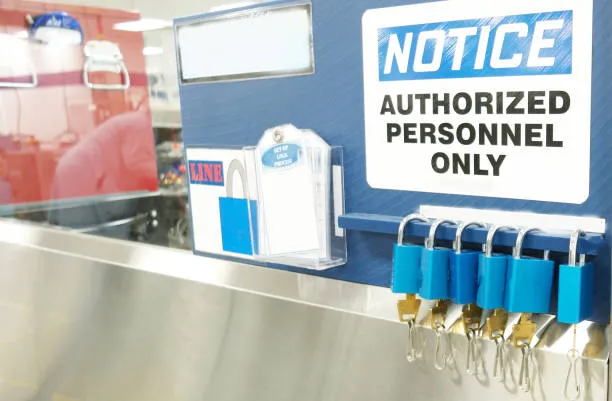
Understanding the intricacies of home maintenance safety can indeed feel like a graceful yet complex ballet, particularly when it comes to lockout/tagout procedures. It’s an unfortunate reality that 10% of industrial accidents are tethered to ineffective safety measures concerning energy control.
This blog is your personal guide through the evolving landscape of lockout safety – complete with nuggets on cutting-edge technology, revamped methodologies for robust locks and heightened safe practices. Prepare yourself for a journey into creating safer, smarter homes!
Evolution of Lockout/Tagout Procedures
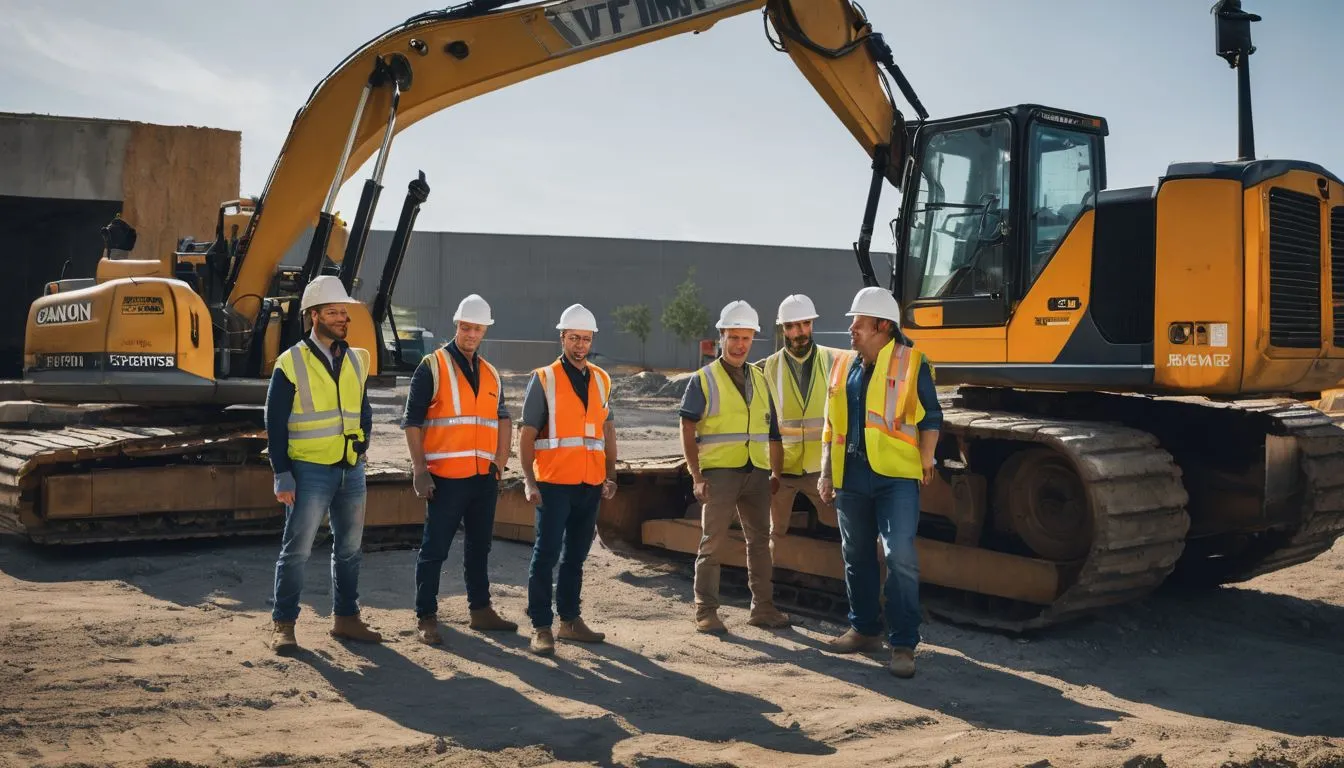
Initially, lockout/tagout procedures were basic and manual, requiring workers to physically turn off equipment and place locks or tags to prevent accidental startup.
Initial procedures
In the early days of lockout safety, they used simple locks and tags to isolate machinery from its energy source. This was a critical procedure for ensuring equipment maintenance and repair could be carried out safely.
We would place these devices on key points of the machine, effectively ‘locking out’ hazardous energy to prevent accidental reactivation during work times. Despite initial procedures being quite basic, they laid a solid foundation for future advancements in lockout safety mechanisms.
Introduction of technology
Technology has played a significant role in revolutionising lockout safety procedures. With the introduction of innovative technologies, such as electronic lockout tagout systems and mobile apps, equipment maintenance and repair procedures have become more efficient and secure.
These new tools make it easier for home owners to isolate energy sources, de energize equipment, and implement critical safety protocols. By using advanced lockout devices and systems, home owners can ensure that machinery interventions are carried out safely, reducing the risks of workplace accidents and hazards.
These technological advancements have greatly improved workplace safety standards and are an essential part of any lockout tagout program.
Implementation in different industries
Different industries have started implementing improved lockout safety procedures to enhance workplace safety and prevent accidents. This includes the introduction of advanced technologies such as electronic lockout tagout systems, mobile apps, RFID technology, and augmented reality.
Each industry tailors these tools according to their specific needs and equipment requirements. By adopting these innovative methods, companies are ensuring better equipment maintenance, efficient machinery repair procedures, and effective energy isolation protocols.
This proactive approach helps in reducing workplace hazards and minimising the risks associated with machinery interventions.
Latest Technological Advancements in Lockout Safety
Electronic Lockout Tagout systems have become increasingly popular in recent years, allowing for more efficient and accurate tracking of lockout procedures.
Electronic Lockout Tagout
Electronic Lockout Tagout is a cutting-edge technology that enhances workplace safety by improving the efficiency and effectiveness of lockout procedures. With electronic lockout systems, home owners can easily isolate energy sources and prevent unexpected equipment activation during maintenance or repairs.
These systems use electronic locks and tags to control access to machinery, ensuring that only authorised individuals can perform interventions safely. By utilising electronic devices instead of traditional locks and tags, home owners can streamline their lockout processes, reduce the risk of human error, and provide clear visual indicators of equipment status.
With electronic lockout tagout systems in place, home owners can significantly reduce the likelihood of workplace accidents caused by hazardous energy release.
Mobile Apps
Mobile apps are revolutionising lockout safety procedures. With the advancement of technology, these apps provide a convenient and efficient way to manage equipment maintenance and repair procedures.
They allow users to easily access critical safety protocols and guidelines on their smartphones, ensuring that all necessary steps are followed to prevent workplace accidents. These apps also enable users to document machine interventions, track equipment isolation, and ensure compliance with safety standards.
By incorporating mobile apps into lockout tagout programs, home owners can enhance workplace safety while improving productivity through streamlined processes.
RFID Technology
RFID (Radio Frequency Identification) technology is revolutionising lockout safety procedures. With RFID, equipment can be tagged and tracked using radio waves, providing a more efficient way to monitor and control access to machinery.
This means that homeowners can benefit from enhanced safety protocols when it comes to equipment maintenance or repair procedures. By utilising RFID technology, potential workplace hazards can be identified and prevented, reducing the risk of accidents or injuries in the home environment.
So with this emerging technology, we can ensure that our homes are safer and more secure than ever before.
Augmented Reality
Augmented reality is an exciting emerging technology that has the potential to revolutionise lockout safety procedures. With augmented reality, homeowners can use their smartphones or tablets to overlay digital information onto the real world.
Imagine being able to see step-by-step instructions on how to properly lock out a piece of equipment or machinery right in front of you! Augmented reality can provide visual guidance and enhance understanding, making it easier for homeowners to follow critical safety procedures.
By incorporating augmented reality into lockout safety, we can effectively reduce workplace accidents and ensure safer repairs and maintenance activities at home.
Case Studies of Successful Implementation
In this section, we will explore two case studies that showcase the successful implementation of advanced lockout safety procedures in different industries.
Case Study 1
We recently came across a fascinating case study that showcases the power of improved lockout procedures in enhancing workplace safety. In this particular case, a manufacturing company implemented electronic lockout tagout technology to prevent accidents during equipment maintenance and repair procedures.
By using devices that could isolate energy sources and ensure equipment was de-energized before interventions, they were able to significantly reduce workplace hazards and machine-related incidents.
The implementation of these advanced lockout systems not only prioritised employee safety but also led to increased productivity by streamlining the process of securing machinery for repairs.
Case Study 2
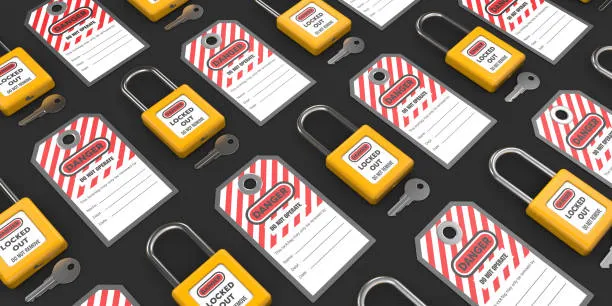
In Case Study 2, a manufacturing company implemented advanced lockout safety procedures to prevent workplace accidents and improve equipment maintenance. They incorporated electronic lockout tagout systems, mobile apps, and RFID technology into their safety protocols.
By using these emerging technologies, they were able to effectively isolate energy sources and ensure that machinery was properly de-energized during repairs. This resulted in a significant reduction in workplace hazards and machinery interventions.
The implementation of these revolutionised lockout procedures not only enhanced workplace safety but also improved productivity by reducing human error.
Benefits of Revolutionised Lockout Procedures
Revolutionised lockout procedures offer a range of benefits, including enhanced workplace safety, improved productivity, and reduced human error.
Enhances workplace safety
Implementing improved locks and procedures for lockout safety significantly enhances workplace safety. These advancements are designed to prevent accidents that can occur when machinery is not properly shut down during maintenance or repair procedures.
With the use of advanced lockout devices, energy sources can be effectively isolated, reducing the risk of workplace hazards and ensuring worker safety. By following critical safety protocols and utilising state-of-the-art equipment, employers can create a safer work environment for their employees.
Improves productivity
Improved lockout procedures not only enhance workplace safety but also have a positive impact on productivity. By ensuring that equipment is properly isolated and de-energized during maintenance or repair procedures, the risk of workplace accidents is minimised.
This means less time lost due to injuries and disruptions caused by machinery interventions. With streamlined lockout processes in place, workers can confidently carry out their tasks without the fear of potential hazards, allowing them to focus on their work more efficiently.
Thus, improved lockout procedures contribute to a productive and safe working environment for homeowners.
Reduces human error
Improved locks and procedures in lockout safety play a crucial role in reducing human error. These advancements minimise the risk of mistakes that can lead to workplace accidents and injuries.
With more efficient equipment isolation, clearer safety protocols, and better device placement, the chances of employees making errors during repairs or machinery interventions are significantly reduced.
By implementing these improved lockout procedures, home owners can create a safer environment for themselves and their families, ensuring that potential hazards are minimised and accidents are avoided.
Potential Concerns and Future Implications
Resistance to change is one potential concern that may arise as improved lockout procedures are implemented in the future. Training and education requirements will also need to be addressed to ensure that workers understand how to utilise these new technologies effectively.
Additionally, the future implications for workplace safety are promising, as advancements in lockout procedures have the potential to significantly reduce the risk of accidents and improve overall safety standards.
Resistance to change
Some people may be resistant to adopting new lockout safety procedures due to the fear of change. However, it is important to understand that these improvements are designed with your safety in mind.
Embracing new technologies and procedures can help enhance workplace safety, improve productivity, and reduce human error. It’s crucial to stay open-minded and willing to adapt for the sake of creating a safer environment for everyone involved.
Training and education requirements
To ensure the safe and efficient implementation of lockout safety procedures, adequate training and education are crucial. As homeowners, it is important for us to familiarise ourselves with the necessary protocols and guidelines.
This includes understanding how to properly use lockout devices, tags, and other equipment for effective energy isolation. By acquiring the necessary knowledge through training programs or online resources, they can confidently carry out machinery repairs and maintenance while minimising workplace hazards.
Ongoing education in lockout safety will help us stay informed about any updates or advancements in procedures so that we can continue to protect ourselves from potential accidents or injuries.
Future implications for workplace safety
As technology continues to evolve, the future implications for workplace safety are promising. By embracing improved locks and procedures, employers can ensure a safer working environment for their employees.
These advancements in lockout safety not only enhance workplace safety but also improve productivity and reduce human error. However, there may be resistance to change and additional training requirements that need to be addressed.
Nevertheless, with the potential benefits these new technologies offer, it is crucial for employers to stay abreast of the latest developments and implement them in their workplaces.
Conclusion
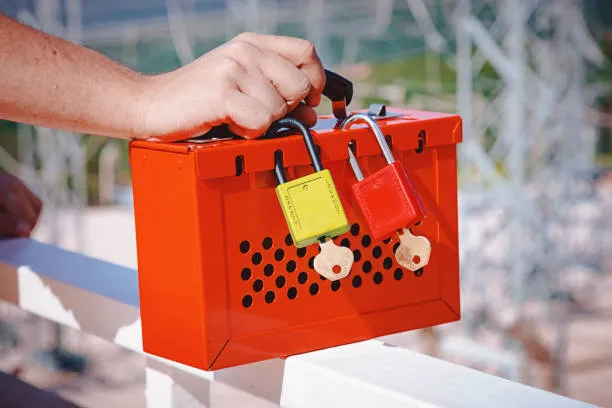
The future of lockout safety looks promising with the development of improved locks and procedures. The introduction of new technologies, such as electronic lockout tagout systems and mobile apps, has revolutionised equipment maintenance and repair procedures.
These advancements enhance workplace safety by reducing human error and improving productivity. With ongoing training, education and advancements, the future of lockout safety is certain to witness improved locks and procedures along with strict adherence to safety protocols, we can ensure a safer working environment for all. Stay abreast of these innovations by getting in touch with our team at Work Safe Lock Outs.
Sorting out lockout for your own site?
Describe what needs isolating and we'll help you work out the setup that fits.