
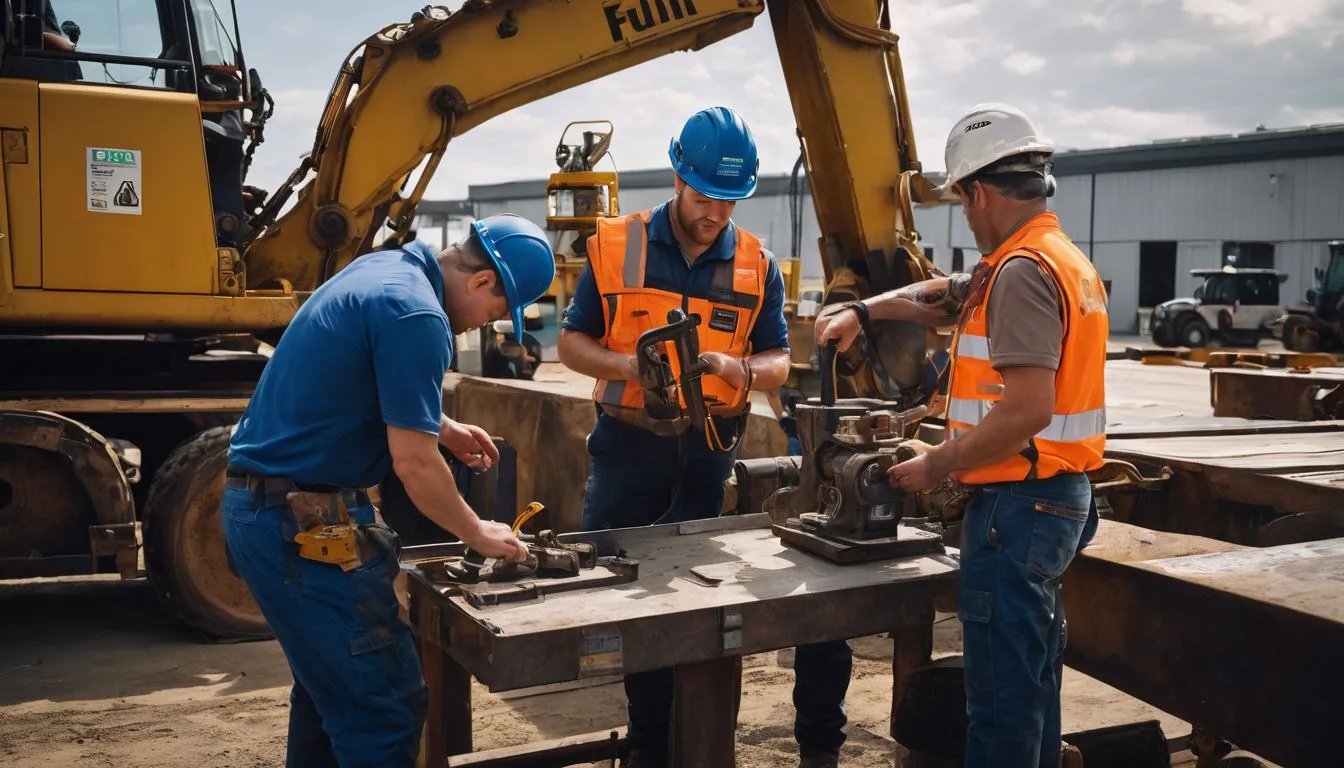
Ensuring the safety of their teams around heavy machinery isn’t just a box-ticking exercise; it’s about looking after their mates in the workplace. They all know too well that navigating through safety protocols can be as complex as the equipment they operate, especially when you consider that nearly 50 workers are injured every hour due to machinery mishaps on Aussie worksites. Our exploration into lockout safety locks has been eye-opening – revealing tactics that’ll seriously beef up your site’s safety practices. Join us in experiencing the advancements of these critical devices and give your team the protection they deserve today!
Understanding Lockout and Tagout (LOTO)
Lockout and tagout (LOTO) procedures are crucial for ensuring the safety of workers when servicing or maintaining machinery. The regulatory framework, key components, and benefits of effective LOTO implementation all play a significant role in workplace safety standards.
The regulatory framework (29 CFR 1910.147)
We comply with the regulatory framework set by 29 CFR 1910.147, which is a critical aspect of maintaining workplace safety standards. This regulation demands strict protocols to control hazardous energy during service and maintenance of machines and equipment.
It’s our job to ensure these safeguards are in place to protect employees from harm.
Their team implements lockout/tagout procedures that align with these guidelines, creating a safer environment for everyone involved in operations involving machinery. Adherence to this standard helps us prevent accidents and injuries, making sure that all sources of energy are properly isolated before any maintenance task begins.
Key components of LOTO
As business owners, we understand the importance of lockout and tagout (LOTO) procedures in ensuring compliance with regulatory standards and protecting occupational safety. The key components of LOTO are essential for maintaining machinery safety and preventing workplace accidents. These include:
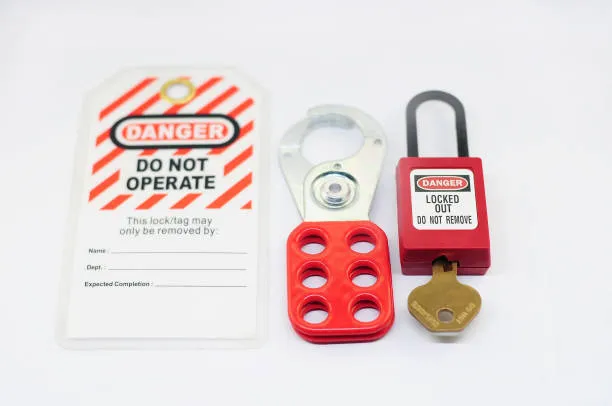
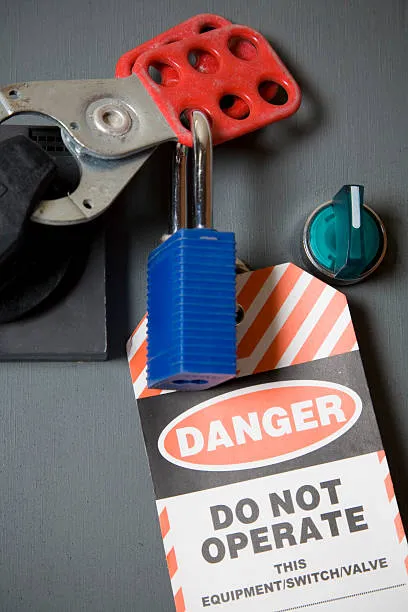
- Lockout devices: Specialised locks, padlocks, and tags designed to securely immobilise machinery and equipment during maintenance or servicing.
- Tagout systems: Colour-coded tags used to communicate information about the status of locked-out equipment, serving as a warning to personnel.
- Specific procedures: Detailed step-by-step guidelines outlining how to isolate energy sources, apply locks and tags, and verify the effectiveness of the lockout before commencing work.
Benefits of effective LOTO implementation
Implementing effective LOTO procedures and equipment brings multiple benefits to our workplace. Enhancing safety standards by minimising the risk of accidental equipment startup or release of hazardous energy is a key advantage.
This not only protects our employees but also ensures compliance with regulatory requirements, promoting a safe and secure work environment. Additionally, efficient LOTO implementation can lead to increased productivity as it reduces downtime caused by accidents or maintenance delays, ultimately contributing to cost savings and improved operational efficiency.
Furthermore, effective LOTO measures significantly reduce the potential for human error in handling machinery and equipment. By incorporating advanced lockout locks and electronic systems into our operations, we can further streamline processes while maintaining high safety standards, thus safeguarding both our workforce and our business reputation.
The Evolution of Lockout Tagout (LOTO) Standards
The evolution of lockout tagout (LOTO) standards has seen a shift from traditional manual procedures to the introduction of advanced technology, making it easier for businesses to comply with workplace safety regulations.
These advancements have not only improved the effectiveness of LOTO procedures but have also enhanced workplace safety and productivity.
Initial procedures
When implementing lockout tagout procedures, the initial step involves identifying all energy sources within the workplace. This includes electrical, mechanical, hydraulic, and pneumatic systems.
Once identified, each energy source must be assessed for its potential to cause harm during servicing or maintenance tasks. Following this assessment, a detailed plan outlining the lockout procedures for each energy source should be developed and communicated to all relevant personnel.
To ensure comprehensive safety measures are in place, it is crucial to use standardised lockout padlocks and devices compatible with existing equipment. Additionally, effective communication about lockout tagout processes through visual aids and training programs is essential to prevent accidents caused by human error or oversight.
Introduction of technology
As we move from the initial procedures to the introduction of technology, it’s crucial for business owners to recognise how technological advancements have revolutionised lockout tagout (LOTO) standards.
The integration of technology has brought about significant improvements in workplace safety, offering more efficient and reliable solutions for lockout equipment evolution. One notable example is the introduction of advanced locking mechanisms that provide enhanced security and control over energy isolation.
Furthermore, electronic LOTO systems and wireless communication capabilities have enabled real-time monitoring and cloud-based data management through CMMS solutions, streamlining compliance processes while reducing human error.
Implementing these technological innovations not only ensures a safer work environment but also contributes to improved productivity. Businesses can benefit from reduced downtime and maintenance costs as well as greater operational efficiency.
Implementation in different industries
The introduction of advanced lockout tagout (LOTO) technology has facilitated its widespread implementation across various industries. With the evolution of LOTO standards and the advancements in locking mechanisms, electronic systems, and cloud-based data management, businesses in sectors such as manufacturing, construction, energy, and pharmaceuticals have seamlessly integrated these safety measures into their operations.
Industries have embraced electronic LOTO systems for their ability to enhance workplace safety by providing real-time monitoring and notifications while reducing human error. Moreover, the wireless communication capabilities of modern LOTO technology have significantly improved productivity by streamlining lockout procedures in complex industrial settings.
As businesses continue to recognise the importance of workplace safety and efficiency, advanced lockout locks are becoming indispensable across different sectors. The adoption of cloud-based data management for LOTO compliance is poised to revolutionise safety practices further by offering centralised control and accessibility.
Advancements in LOTO Technology
We’ll explore how advancements in LOTO technology, such as advanced locking mechanisms, electronic systems, and wireless communication, have improved workplace safety standards. Read on to learn more about these exciting developments.
Advanced locking mechanisms
Lockout safety locks have seen significant advancements in their locking mechanisms, ensuring better security and control during equipment maintenance. These advanced locks offer enhanced durability, tamper resistance, and unique keying systems to prevent unauthorised access.
Businesses can now benefit from innovative features such as colour-coded keys or electronic verification, providing an extra layer of safety and preventing human error. Incorporating these advanced locking mechanisms into your lockout tagout procedures is crucial for maintaining workplace safety standards.
Implementing modern locking technology not only improves the overall reliability of lockout procedures but also streamlines workflow efficiency. With these advancements, business owners can ensure a safer working environment while minimising downtime caused by accidents or equipment malfunctions.
Electronic LOTO systems
Transitioning from advanced locking mechanisms, electronic LOTO systems have revolutionised the way lockout safety is managed. These systems utilise electronic locks and devices that can be controlled remotely, providing enhanced security and control over energy isolation.
By integrating technology with traditional lockout procedures, electronic LOTO systems offer real-time monitoring of equipment status, access logs, and automated alerts for unauthorised attempts to remove or bypass locks.
This advancement not only simplifies the lockout process but also increases overall compliance and accountability within the workplace.
Electronic LOTO systems streamline the lockout process by eliminating human error associated with manual procedures. Through their user-friendly interfaces and intuitive controls, employees can efficiently implement isolation measures without extensive training requirements.
Wireless communication and monitoring
Wireless communication technology enables real-time monitoring of lockout systems, providing instant alerts in case of any unauthorised access or tampering. This ensures that business owners can maintain compliance with safety regulations and prevent potential workplace accidents.
By integrating wireless monitoring into their LOTO systems, businesses can remotely track the status of equipment and ensure that proper lockout procedures are being followed, ultimately enhancing workplace safety.
Implementing wireless communication also allows for centralised data management, providing easy access to historical lockout records and facilitating regular audits for continuous improvement.
Cloud-based data management
Cloud-based data management enables easy access to lockout tagout (LOTO) records from any location with an internet connection. It allows businesses to store, manage, and analyse LOTO data securely in the cloud.
Cloud-based solutions also provide real-time updates and notifications, allowing for prompt action on safety issues. The technology offers scalability, flexibility, and cost-effectiveness by eliminating the need for onsite servers and maintenance.
As workplace safety standards evolve, embracing cloud-based data management can streamline LOTO processes while ensuring compliance with regulatory requirements. This innovative approach enhances transparency and accountability in safety procedures while facilitating seamless collaboration among teams spread across different locations.
Benefits of Advanced Lockout Locks
Advanced lockout locks offer numerous benefits for workplace safety, including enhancing safety measures, improving productivity, and reducing human error. These improved devices are essential in maintaining a safe work environment and preventing accidents.
Enhancing workplace safety
Improving workplace safety is crucial for protecting our employees and ensuring smooth operations. Implementing advanced lockout locks in their facilities can significantly enhance workplace safety.
These improved systems help prevent unauthorised equipment use, reducing the risk of accidents and injuries. Upgrading to electronic LOTO systems allows us to streamline lockout processes, providing real-time monitoring and data management capabilities.
By embracing these advancements, we can create a safer work environment while also boosting productivity by minimising downtime due to accidents or malfunctions.
Improving productivity
To complement the enhanced safety protocols, advanced lockout locks also contribute to improving productivity within the workplace. Streamlined and efficient lockout systems enable faster equipment maintenance and servicing, reducing downtime for production activities.
These modern locks are designed to be user-friendly, allowing workers to carry out lockout procedures swiftly and effectively, thereby minimising disruptions to daily operations.
Furthermore, with electronic LOTO systems that provide real-time monitoring and control capabilities, businesses can ensure quicker resolution of maintenance issues while maintaining high operational efficiency.
Reducing human error
Implementing advanced lockout locks can significantly reduce human error in workplace safety procedures. These innovative locks come with foolproof mechanisms and clear indicators, making it easier for employees to follow proper protocols without any room for oversight.
By utilising electronic LOTO systems and wireless communication, the risk of human error is minimised through streamlined processes and real-time monitoring. These advancements not only enhance overall safety but also contribute to a more efficient workflow, ensuring that operations run smoothly while maintaining a high standard of safety compliance.
Investing in advanced lockout locks means investing in the reduction of costly mistakes due to human error. Cloud-based data management further supports this by providing comprehensive records that enable proactive analysis and adjustment of safety protocols based on actual performance.
Future Trends and Considerations
As the workplace safety landscape continues to evolve, it’s important for businesses to consider potential resistance to change, training and education requirements, and future implications for workplace safety.
Read on to learn more about how advanced lockout safety locks can improve workplace safety standards.
Resistance to change
Some employees may resist the introduction of advanced lockout locks due to unfamiliarity with new technology. However, providing clear and accessible training can help alleviate these concerns.
It’s essential to communicate the benefits of upgrading to advanced locking systems, such as enhanced workplace safety and improved productivity. Demonstrating how these changes can reduce human error and streamline processes will highlight their value and ease any resistance.
Additionally, fostering an open dialogue about the future implications for workplace safety can help gain buy-in from employees. By addressing their concerns and involving them in the decision-making process, businesses can create a more positive environment for implementing change.
Training and education requirements
Employees must undergo comprehensive training on the proper use of advanced lockout locks and LOTO technology. This includes understanding the features, benefits, and safe application of these systems to enhance workplace safety.
Businesses should invest in ongoing education programmes to ensure that employees are up-to-date with the latest advancements in lockout technology and understand how to integrate them into their daily work routines effectively.
Regular refresher courses are essential to reinforce knowledge and address any new safety considerations that may arise due to technological advancements or changes in industry standards.
Future implications for workplace safety
As we consider the future implications for workplace safety, it is evident that embracing advanced lockout locks and technology will become increasingly vital. The ongoing evolution of lockout tagout standards signals a need for business owners to adapt to new safety protocols and invest in modern LOTO systems.
Furthermore, as technology continues to advance, there will be an increasing emphasis on integrating electronic LOTO systems, wireless communication and monitoring, as well as cloud-based data management into workplace safety practices.
This shift towards more sophisticated lockout locks and technologies holds the potential to significantly enhance overall workplace safety standards, mitigate risks associated with human error, and ultimately improve productivity across various industries.
Conclusion
The evolution of lockout safety locks has significantly improved workplace safety standards. Our exploration of the regulatory framework and key components of Lockout Tagout (LOTO) underscores its practicality and ease of implementation. The advancements in LOTO technology not only emphasise efficiency but also stress the potential impact of these strategies on workplace safety. For those seeking further guidance, additional resources and training can help navigate resistance to change and enhance employee education. Ultimately, embracing advanced lockout locks is an inspiring step towards a safer, more productive work environment.
Sorting out lockout for your own site?
Describe what needs isolating and we'll help you work out the setup that fits.