

Ever pondered the mystery of how we manage to keep dangerous equipment from posing a risk during service and maintenance? We have wrestled with this conundrum too, discovering that workplace mishaps can be strikingly reduced by implementing an ace Lockout/Tagout (LOTO) programme.
In today’s blog, we’re going to pull back the curtain on the critical role lockout safety locks play in LOTO schemes. So sit down, pop on the kettle and prepare to supercharge your safety knowledge!

What is Lockout/Tagout?
Lockout/Tagout, also known as LOTO, is a safety procedure used in workplaces to protect employees from hazardous energy sources during equipment maintenance or servicing. It involves de-energizing the machinery and ensuring that it cannot be restarted until work is complete and all workers are safely away from the equipment.
Definition
Lockout/Tagout (LOTO) is a safety procedure we use to ensure that dangerous machines are properly shut off and cannot be started up again prior to the completion of maintenance or service work.
It involves controlling the flow of energy in machinery, typically by locking the device in an off position. This practice minimises the risk of accidents due to unexpected energisation, startup or release of stored energy.
As homeowners, being familiar with this process can come in handy while dealing with household equipment like central air conditioning units, circuit breakers and water heaters.
Purpose of de-energization
To ensure the safety of workers and prevent accidents, de-energization is a crucial step in lockout/tagout (LOTO) procedures. The purpose of de-energization is to shut off all energy sources to equipment or machinery before any maintenance or servicing work begins.
By de-energizing, we eliminate the risk of accidental start-up or release of hazardous energy, reducing the potential for serious injuries or even fatalities. It is vital for home owners to understand the importance of de-energization and ensure that all necessary steps are taken to protect themselves and others when working with potentially dangerous equipment in their homes.
Importance of Lockout/Tagout
Workplace accidents can have devastating consequences, making it crucial to prioritize the safety of employees by implementing effective lockout/tagout programs.
Statistics on workplace accidents
Workplace accidents can have devastating consequences, which is why it’s crucial to prioritise safety measures such as lockout/tagout (LOTO) programs. According to statistics, each year thousands of workers suffer injuries due to uncontrolled energy sources in machinery and equipment.
These accidents often result from a failure to properly isolate hazardous energy during maintenance or servicing tasks. By implementing effective LOTO procedures and utilizing lockout safety locks, we can significantly reduce the risk of workplace accidents and ensure the well-being of employees.
Potential dangers of uncontrolled energy sources
Uncontrolled energy sources can pose significant dangers in the workplace. Machinery that is not properly isolated or shut down can lead to serious accidents and injuries. These energy sources, such as electrical, hydraulic, or pneumatic systems, can cause equipment to unexpectedly start up or release stored energy.
This can result in workers being caught in moving parts, experiencing burns or electrocution, or being struck by flying objects. It is crucial for home owners to understand these potential hazards and take necessary precautions to ensure their safety when working with machinery or equipment that requires lockout/tagout procedures.
How to Implement a Lockout/Tagout Program
To implement a Lockout/Tagout program, proper training and education must be provided to ensure employees understand their roles and responsibilities in the procedure. Employees should follow specific procedures and document all steps taken during the process to comply with laws and regulations.
Training and education
We understand the importance of training and education when it comes to lockout/tagout programs. That’s why we provide comprehensive resources and guidance to help you learn how to implement these procedures effectively.
By investing in your education, you can take control of hazardous energy sources, minimise workplace accidents, and protect both yourself and your family. Ask us about a session or walkthrough to get your lockout system in place.
Employee roles and responsibilities
Employees play a crucial role in ensuring the success of a Lockout/Tagout program and maintaining workplace safety. Their responsibilities include following proper procedures for equipment shutdown, application of locks and tags, and verification of isolation.
They must also be trained to recognize hazardous energy sources and understand the importance of compliance with safety regulations. By fulfilling their roles and responsibilities, employees contribute to creating a safe working environment free from potential accidents or injuries caused by uncontrolled energy sources.
Proper procedures and documentation
To ensure workplace safety and prevent accidents, it is crucial to have proper procedures and documentation in place for lockout/tagout programs. These measures help to effectively control hazardous energy sources when servicing or maintaining equipment.
By following the right steps and documenting each action taken, you can minimise risks associated with uncontrolled energy sources. This includes properly identifying energy sources, notifying and preparing equipment, shutting down machinery, applying locks and tags, verifying isolation, and releasing stored energy in a controlled manner.
Adhering to these procedures not only promotes employee safety but also ensures compliance with relevant laws and regulations governing lockout/tagout programs.
Compliance with laws and regulations
We must comply with all applicable laws and regulations to ensure the safety of our workplace. Following these legal requirements is essential in maintaining a safe environment for both employees and visitors.
By adhering to safety guidelines, we can prevent accidents and injuries caused by uncontrolled energy sources or hazardous equipment. It is our responsibility as homeowners to be aware of the necessary procedures and protocols in order to keep ourselves and others safe.

The Six Steps of Lockout/Tagout Procedures
In the lockout/tagout procedures, there are six essential steps that ensure the safe control of energy sources: identification, notification and preparation, shutdown, application of locks and tags, verification of isolation, and release of stored energy.
These steps are crucial for preventing workplace accidents and ensuring employee safety. To learn more about the importance of these steps and how they can be implemented effectively, continue reading.
Identification of energy sources
To ensure the safety of both workers and equipment, it is crucial to properly identify all energy sources in your home. This includes electricity, gas, and other potentially hazardous power supplies.
By identifying these energy sources, you can effectively implement lockout/tagout procedures to prevent accidents and injuries. Remember, safety should always be a priority in your home maintenance routine.
We recommend consulting with a professional to help you identify and isolate these energy sources for better control and protection. Stay safe!
Notification and preparation of equipment
We need to make sure we notify everyone involved and prepare the equipment before starting any lockout/tagout procedure. This step is crucial in ensuring safety for all. By alerting workers and relevant personnel about the upcoming lockout/tagout process, we can prevent accidents or injuries that may occur due to unexpected re-energization.
Additionally, preparing the equipment involves shutting it down properly, disconnecting power sources, and making it safe for maintenance or servicing. Taking these steps helps us control hazardous energy sources effectively and minimises risks in our workplace.
Shutting down equipment
Now let’s talk about shutting down equipment as part of the lockout/tagout procedure. When it comes to workplace safety, it is crucial that all machinery and equipment are properly shut off before any maintenance or service work takes place.
This step ensures that hazardous energy sources are controlled and eliminates the risk of accidents or injuries caused by unexpected start-ups or releases of stored energy.
To shut down equipment, we need to follow a specific procedure outlined in the lockout/tagout program. First, identify all energy sources associated with the equipment, such as electrical power supplies or hydraulic systems.
Then, make sure to notify everyone involved in the maintenance work and prepare the equipment for shutdown by following manufacturer guidelines.
Next, use lockout safety locks to physically secure the equipment in its de-energized state. These locks prevent anyone from accidentally turning on the machinery while maintenance work is being carried out.
Finally, verify that isolation has been achieved by testing controls and switches before beginning any servicing or repairs.
Application of locks and tags
Locks and tags play a crucial role in the application of a lockout/tagout program. They are used to physically secure machinery and equipment, ensuring that they cannot be energised or operated while maintenance or servicing is being performed.
Locks are applied to control switches, valves, and other energy sources, while tags provide additional visual warnings that equipment is being worked on. By using locks and tags together, homeowners can effectively isolate hazardous energy sources and prevent accidental startup of machinery during repairs or maintenance activities.
It’s important to follow proper lockout/tagout procedures and use high-quality locks and tags for maximum safety in your home.
Verification of isolation
To ensure the safety of everyone involved, it is crucial to verify the isolation of energy sources before any maintenance or repair work begins. This step involves double-checking that all equipment is completely shut down and isolated from its power source.
They need to make sure that lockout safety locks are properly applied and tags are clearly visible on the machinery. By verifying isolation, we can prevent accidental startup or release of stored energy, minimising the risk of workplace accidents and injuries.
Always remember to follow these procedures diligently for your own safety and peace of mind.
Release of stored energy
To ensure your safety, it is crucial to understand and manage the release of stored energy. When machinery or equipment is shut down, there may still be residual energy present that can cause serious harm if not properly controlled.
By using lockout safety locks as part of a Lockout/Tagout program, you can effectively isolate and control the release of stored energy. This ensures that all hazardous sources are safely deactivated before maintenance or servicing begins.
So remember, always use lockout safety locks to prevent any unexpected release of stored energy and protect yourself from potential accidents.
Conclusion
In conclusion, lockout safety locks play an essential role in Lockout/Tagout programs as they ensure the proper control and isolation of hazardous energy sources. By following the six steps of LOTO procedures and complying with laws and regulations, employees can maintain a safe workplace environment and prevent accidents caused by uncontrolled energy.
For more information on implementing a successful LOTO program, refer to reliable resources in industrial safety.
Importance of lockout safety locks in LOTO programs
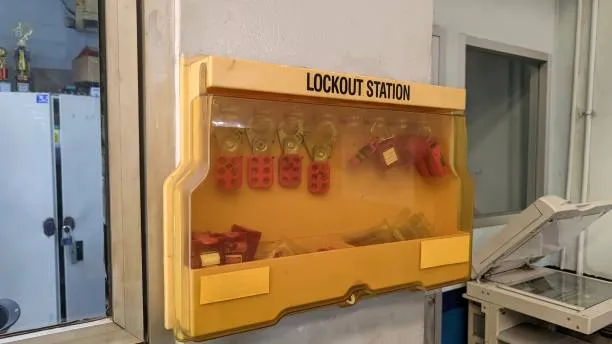
Lockout safety locks play a crucial role in LOTO programs for ensuring workplace safety. These locks are essential devices that help prevent accidents and injuries by effectively controlling hazardous energy sources in machinery and equipment.
By securely locking out the equipment, these locks provide an additional layer of protection to employees during maintenance or service procedures. Whether it’s shutting down equipment, isolating energy sources, or complying with safety regulations, lockout safety locks are vital tools in keeping everyone safe from potential dangers.
Resources for further information
We highly recommend checking out the Occupational Safety and Health Administration (OSHA) website for more detailed information on lockout/tagout procedures. They provide comprehensive guidelines, training materials, and resources to help homeowners understand how to implement a lockout/tagout program effectively.
Additionally, you can also find helpful videos and tutorials on machinery maintenance and equipment safety on YouTube. These resources will give you valuable insights into the importance of lockout safety locks in LOTO programs and help ensure the well-being of both yourself and your family when dealing with potentially hazardous equipment or energy sources.
Remember, taking proper precautions is crucial for workplace safety and preventing accidents at home.
Sorting out lockout for your own site?
Describe what needs isolating and we'll help you work out the setup that fits.