

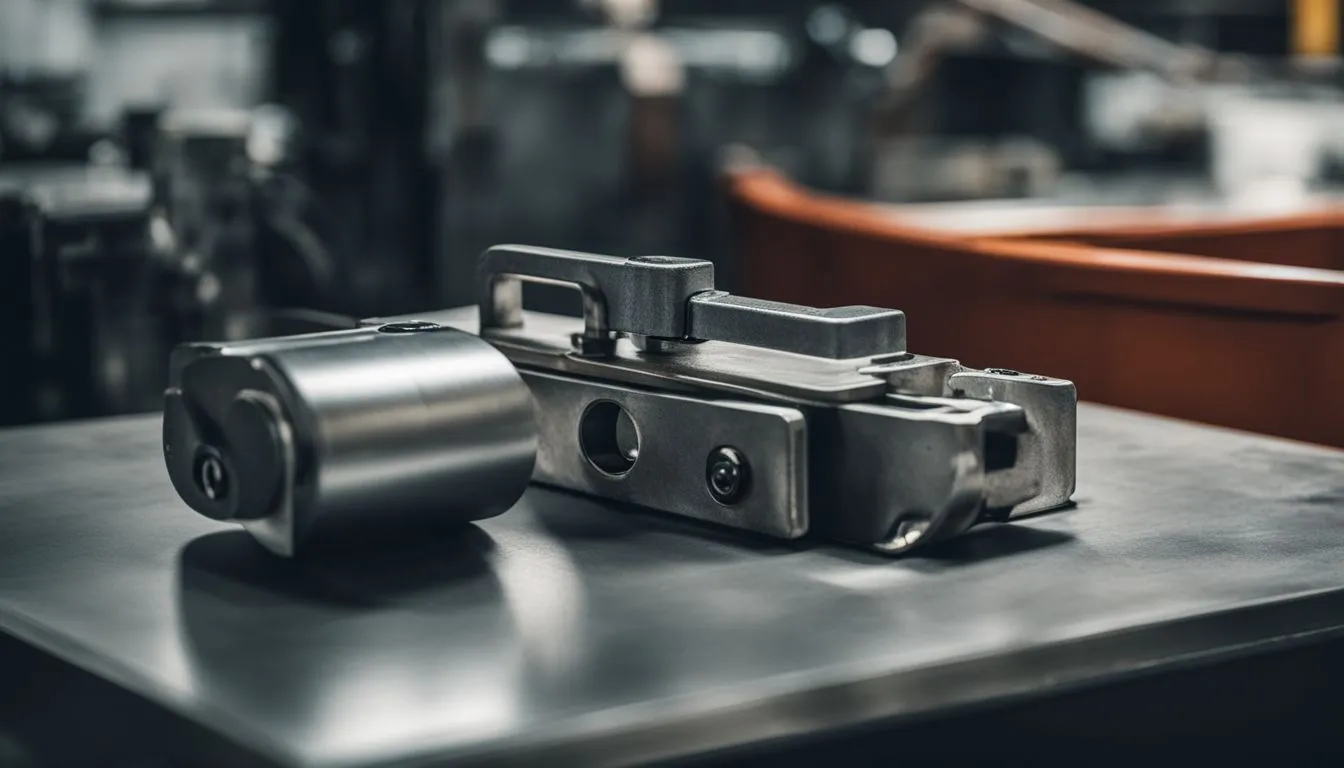
Many businesses find themselves in a bit of a pickle trying to keep their workplaces both safe and secure. We totally get the struggle, because we’ve been through it ourselves. After doing our homework, we discovered that hasps are absolute game changers when it comes to beefing up locksafe security systems.
In this yarn, we’re going to walk you through how chucking in some hasps can seriously step up your lockout tagout processes and overall safety strategies. So, brace yourselves – you’re about to give your security system a fair dinkum upgrade.
Understanding Hasps and Their Role in Locksafe Security Systems
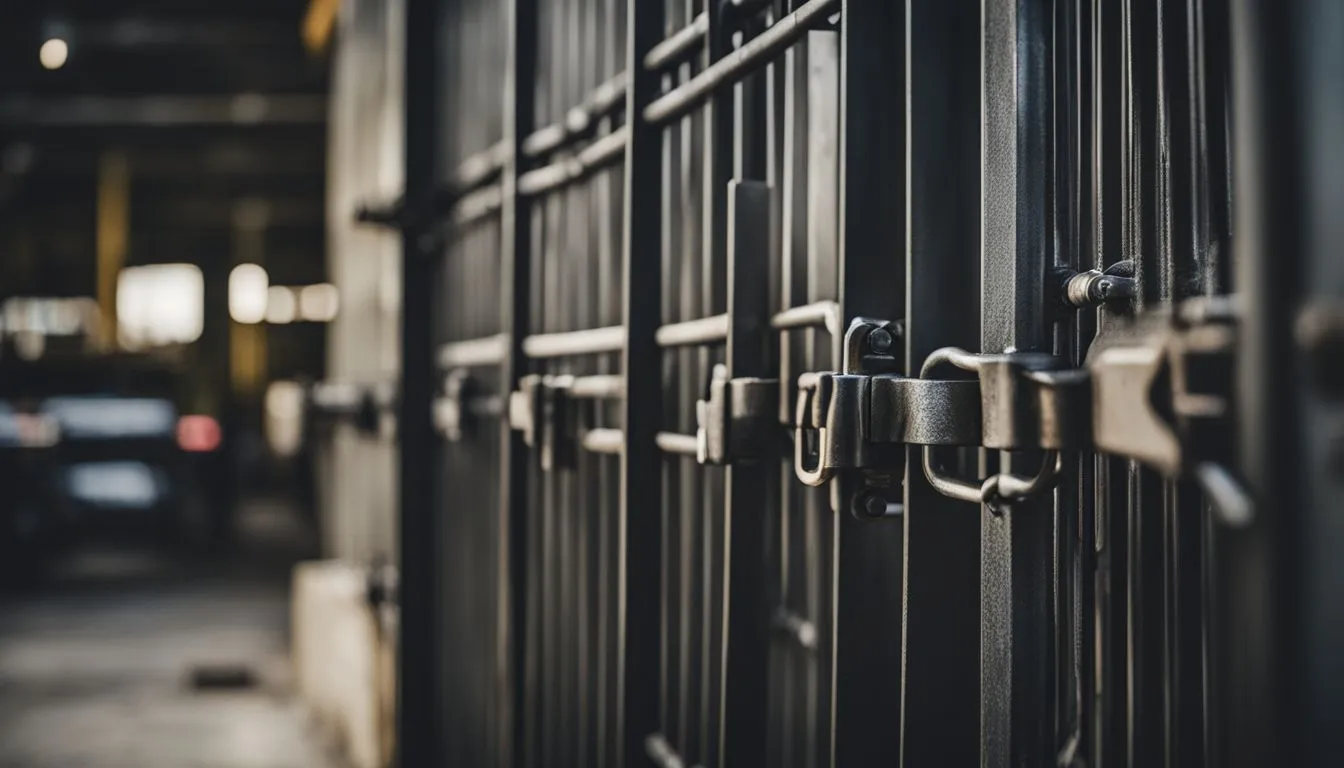
Hasps serve as a critical component in Locksafe security systems, providing an extra layer of protection and safety. These versatile mechanisms securely hold doors or gates closed, preventing unauthorised access to confined spaces or valuable assets.
We often see them applied in industrial settings where safety and security are paramount. Their role extends beyond merely being a locking device; hasps are essential for effective lockouttagout procedures, ensuring that machines remain isolated during maintenance or repair tasks.
This integration of hasps into safety protocols helps prevent accidental startups, protecting workers from potential harm.
Implementing the right type of hasp can make all the difference in your lockouttagout strategy. Each kind offers unique benefits tailored to specific industrial environments and requirements.
As we move onto discussing various types of hasps available, keep in mind how selecting the appropriate model can enhance your overall workplace safety measures and compliance with industry standards.
The Importance of Hasps in Machine Isolation and Lockouts
Ensuring the safety of workers during machine maintenance and repair involves a series of critical procedures where hasps play a pivotal role. We utilise safety hasps in Locksafe's lockout tagout processes to isolate electrical circuits and equipment effectively, preventing unexpected startups that could lead to accidents.
This practice not only safeguards our team but also complies with industrial safety standards, making hasps an indispensable element in maintaining workplace safety.
Incorporating high-quality padlocks with durable hasps into their security systems allows multiple workers to secure machinery simultaneously. Each person involved in the maintenance can attach their personal padlock to the hasp, ensuring no single individual can remove it and reactivate the machine until every worker signs off on its safe completion.
This collective measure amplifies protection levels significantly, highlighting how adopting proper maintenance and inspection routines with reliable safety equipment like hasps optimises operational efficiency while prioritising everyone’s well-being.
Different Types of Hasps
Different types of hasps play a crucial role in your Locksafe security system. To learn about the various options and their benefits, read on!
Non-Conductive Lockout Hasps
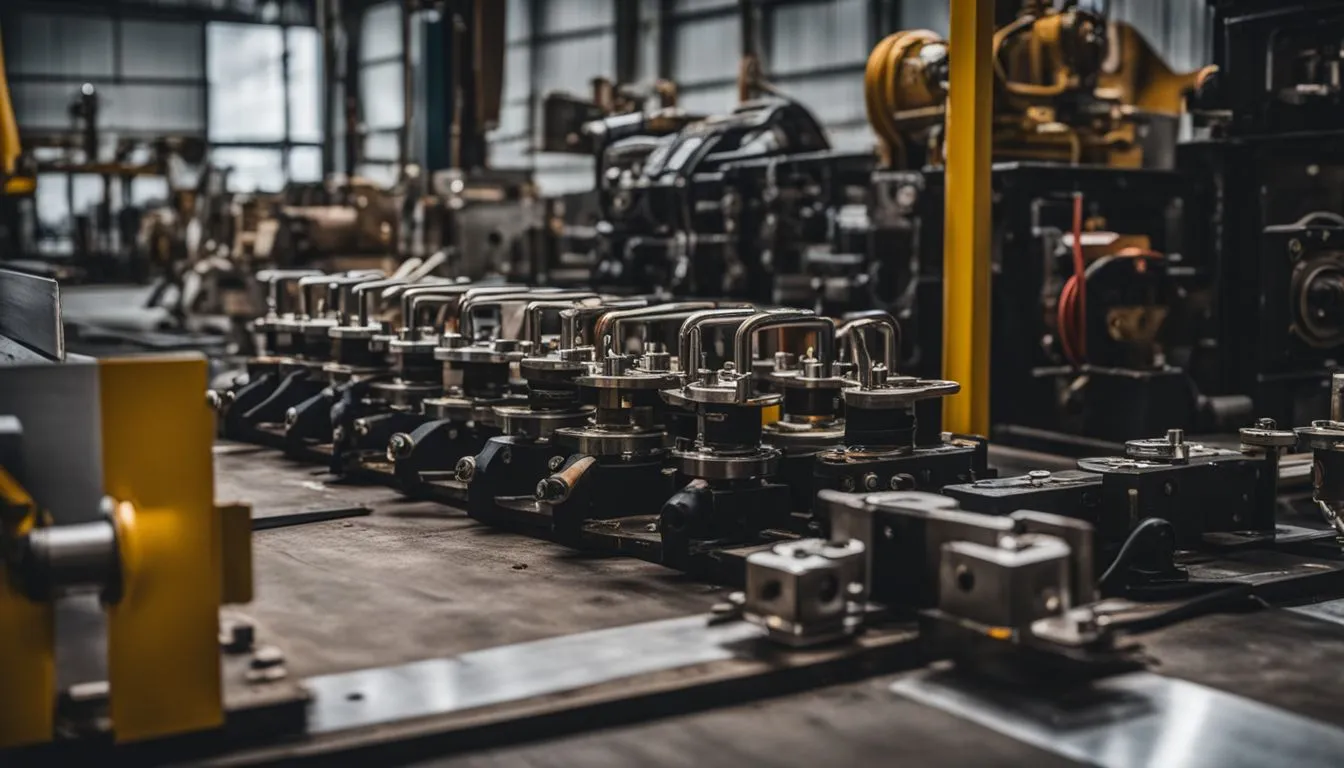
Non-conductive lockout hasps play a crucial role in ensuring the safety of workers dealing with electrical circuits and equipment. These hasps are made from materials that do not conduct electricity, making them an essential part of the lockout tagout procedures in workplace safety systems.
They provide a secure method to isolate energy sources without posing a risk of electric shock to personnel involved in maintenance and repair tasks.
They use these non-conductive devices because they allow multiple padlocks to be attached, ensuring that machinery remains locked out until every worker has removed their personal lock.
This practice meets industrial safety equipment standards and is pivotal for preventing accidental energisation of electrical systems. Safety hasps like these ensure that control over hazardous energy sources is collective, comprehensive, and fully compliant with safety procedures aimed at protecting everyone on the job site.
Stainless Steel Hasps
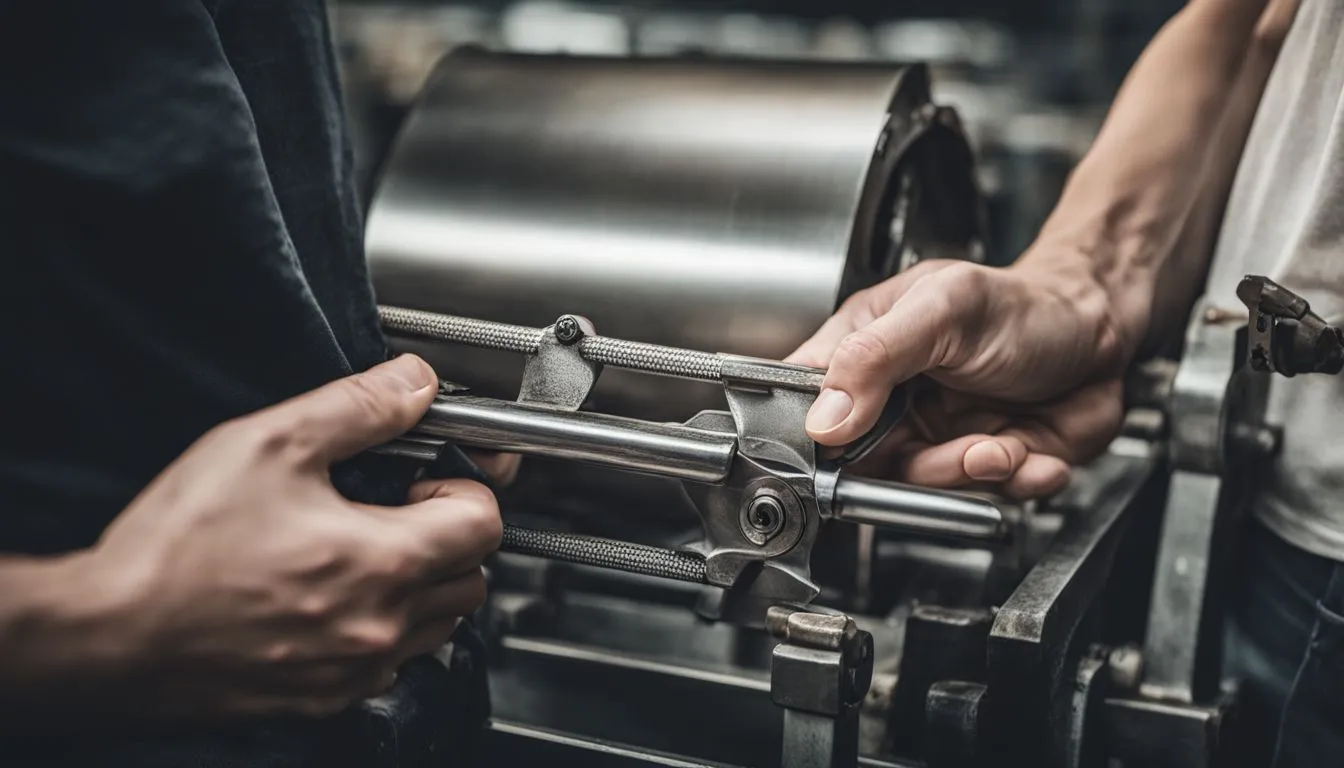
Stainless steel hasps stand out in the realm of industrial safety equipment for their durability and resistance to harsh conditions. We understand that our business clients prioritise long-lasting solutions, and stainless steel hasps deliver precisely that.
They resist rust and corrosion, making them perfect for environments exposed to moisture or chemicals. This resilience ensures your locksafe security system remains effective over time, safeguarding against unauthorised access while upholding workplace safety.
These hasps also support a variety of high-security padlocks, enhancing the versatility of your lockout tagout procedures. Their strength prevents tampering and cutting, offering an added layer of protection in maintaining machine isolation during maintenance and repair operations.
Opting for stainless steel hasps means investing in reliability and robustness which are crucial for protecting valuable assets and ensuring worker safety under various manual handling situations.
Steel Scissor Action Lockout Hasps

Turning from stainless steel hasps, we find that steel scissor action lockout hasps offer a unique blend of functionality and security. These hasps stand out for their strong grip and ease of use in various industrial safety scenarios.
They serve an essential role in lockout tagout procedures, ensuring that machinery remains isolated during maintenance or repair. Their design allows multiple padlocks to be used at once, which means each worker can add their own padlock, enhancing collective security measures.
Steel scissor action lockout hasps are crucial for electrical circuits and equipment safety. They ensure a secure hold over switches and valves, preventing accidental reactivation while maintenance tasks are underway.
This type of hasp is particularly valued in manual handling situations where straightforward application and reliability are key. We advocate using these hasps as part of your workplace’s safety procedures to protect employees from unforeseen hazards effectively.
The Role of Hasps in Ensuring Worker Safety
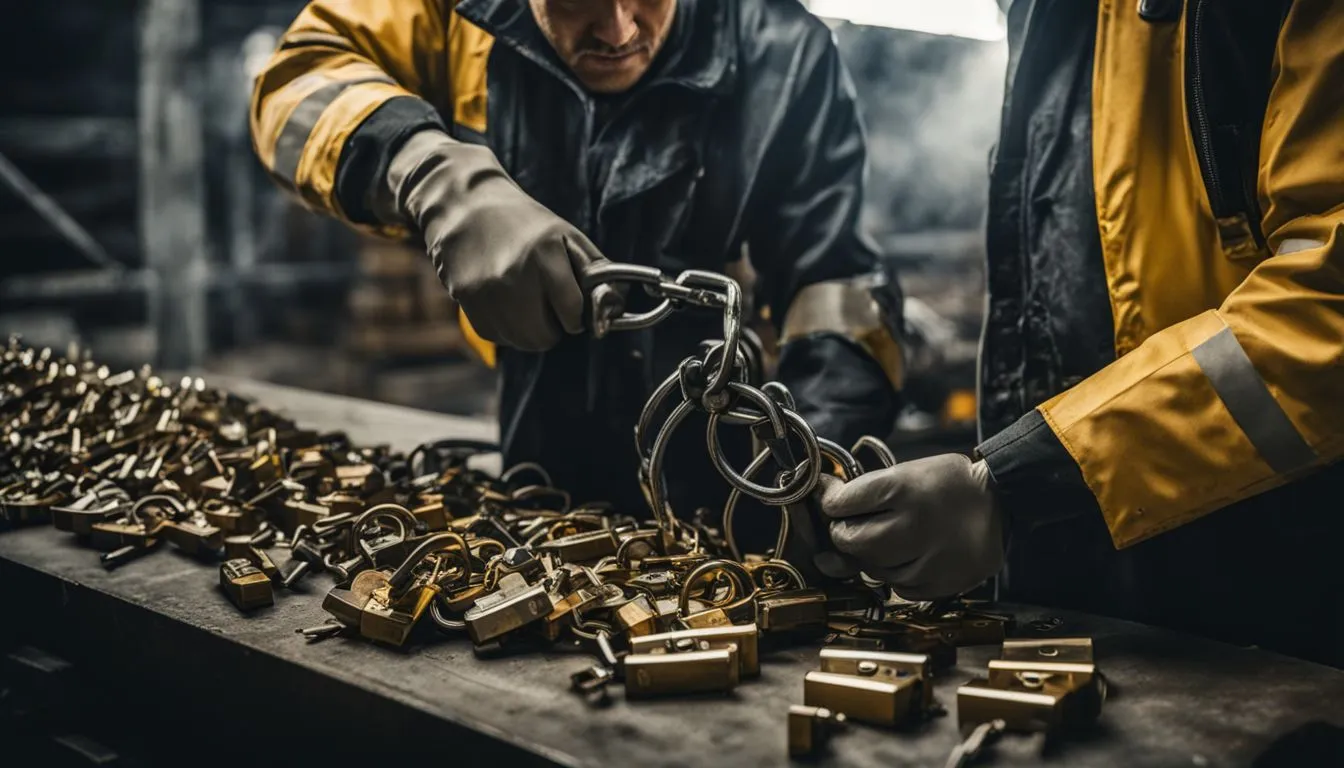
We understand that ensuring worker safety is a top priority for business owners like us. Hasps play a crucial role in Locksafe's locksafe security systems, offering an additional layer of protection.
These small but mighty tools help manage access to hazardous areas and equipment by allowing multiple padlocks to secure a single point. This system ensures that only authorised personnel can remove the locks, significantly reducing the risk of accidental startup during maintenance or repair.
Employing hasps as part of lockout tagout procedures enhances workplace safety dramatically. It’s all about control and preventing unauthorised access to electrical circuits and mechanical aids which could pose serious risks if mishandled.
Incorporating hasps into our daily safety routines provides peace of mind, knowing we’ve taken significant steps towards protecting our team from potential harm. They serve not just as a physical barrier but also as a clear visual reminder of ongoing maintenance, making them indispensable in creating safer work environments.
The Benefits of Using Locking Brackets with Hasps in Your Security System
Locking brackets with hasps offer a robust layer of security to any system by creating an additional physical barrier that’s tough for intruders to bypass. They work seamlessly together, with the locking bracket providing a sturdy base for the hasp, which can then be secured with a padlock.
This combination not only enhances protection against unauthorised access but also significantly increases the difficulty of tampering or removal without proper clearance.
Integrating these components into your security setup brings peace of mind to business owners. The unique pairing of locking brackets and hasps greatly reduces potential entry points for theft or sabotage, making it an ideal solution for safeguarding valuable assets and sensitive areas.
Furthermore, this setup is versatile and can be applied across various scenarios where maximum security is paramount.
How to Choose the Right Hasp for Your Workplace
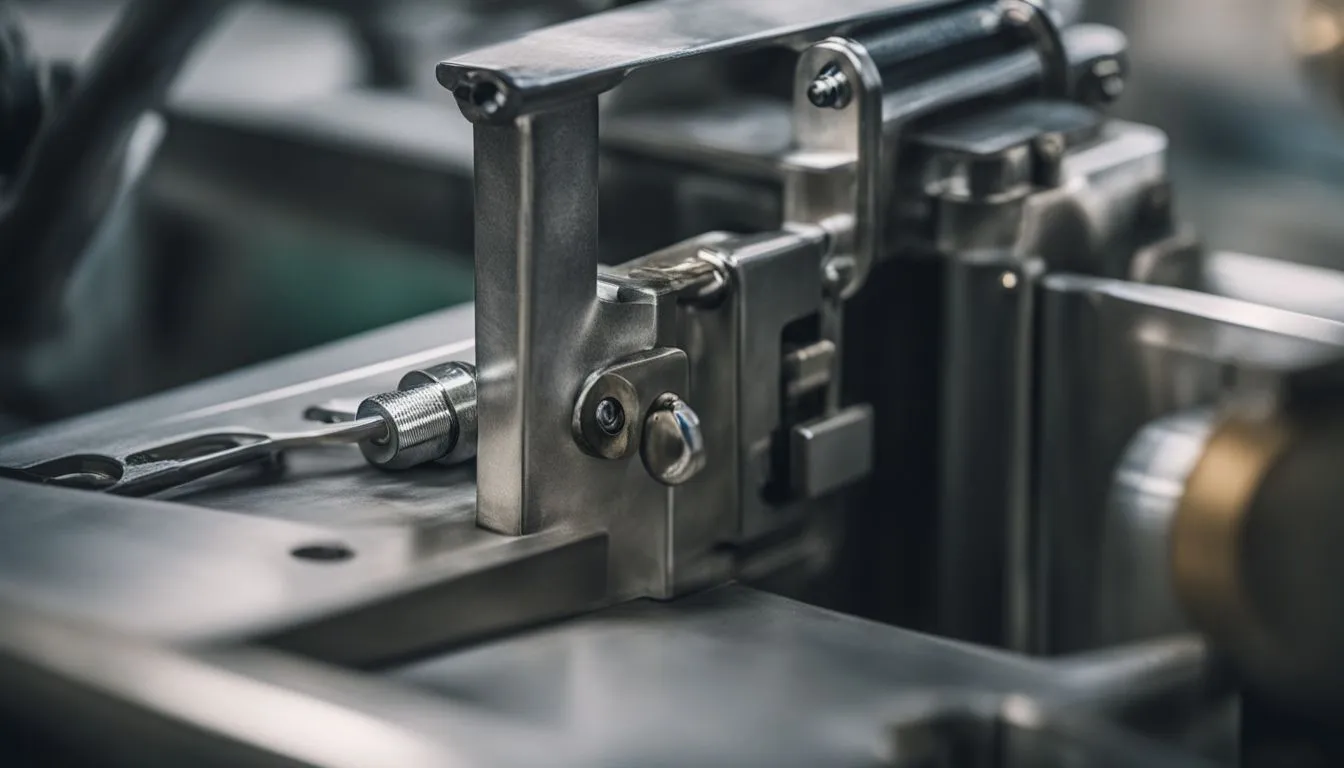
When selecting the right hasp for your workplace, consider the following factors:
- Assess your specific lockout needs and the type of equipment or machinery you need to secure.
- Choose a hasp that is durable and suitable for the environmental conditions of your workplace, such as non-conductive hasps for electrical circuits or stainless steel hasps for harsh industrial environments.
- Ensure compatibility with high – security padlocks to provide enhanced protection for your lockout tagout procedures.
- Look for models that offer easy installation and maintenance, reducing downtime during lockouts and maintenance activities.
- Consider the size and design of the hasp, ensuring it can accommodate multiple lockout points if needed.
- Evaluate the ease of use and ergonomic features, especially in manual handling situations, to ensure practicality for workers.
- Seek expert advice from safety equipment suppliers to find a suitable hasp that meets industry safety standards while integrating seamlessly into your existing locksafe security system.
That’s all you need to know about choosing the right hasp for your workplace!
Conclusion
In conclusion, hasps play an essential role in a Locksafe security system. They ensure machine isolation and lockouts for maintenance and repair safety, with different types available to suit specific needs.
Hasps are crucial in ensuring worker safety and can be paired with locking brackets for enhanced security. Choosing the right hasp for your workplace is vital to uphold industrial safety standards.
For further insights into enhancing your security system, don’t miss our detailed guide on the benefits of using locking brackets with hasps.
Sorting out lockout for your own site?
Describe what needs isolating and we'll help you work out the setup that fits.