

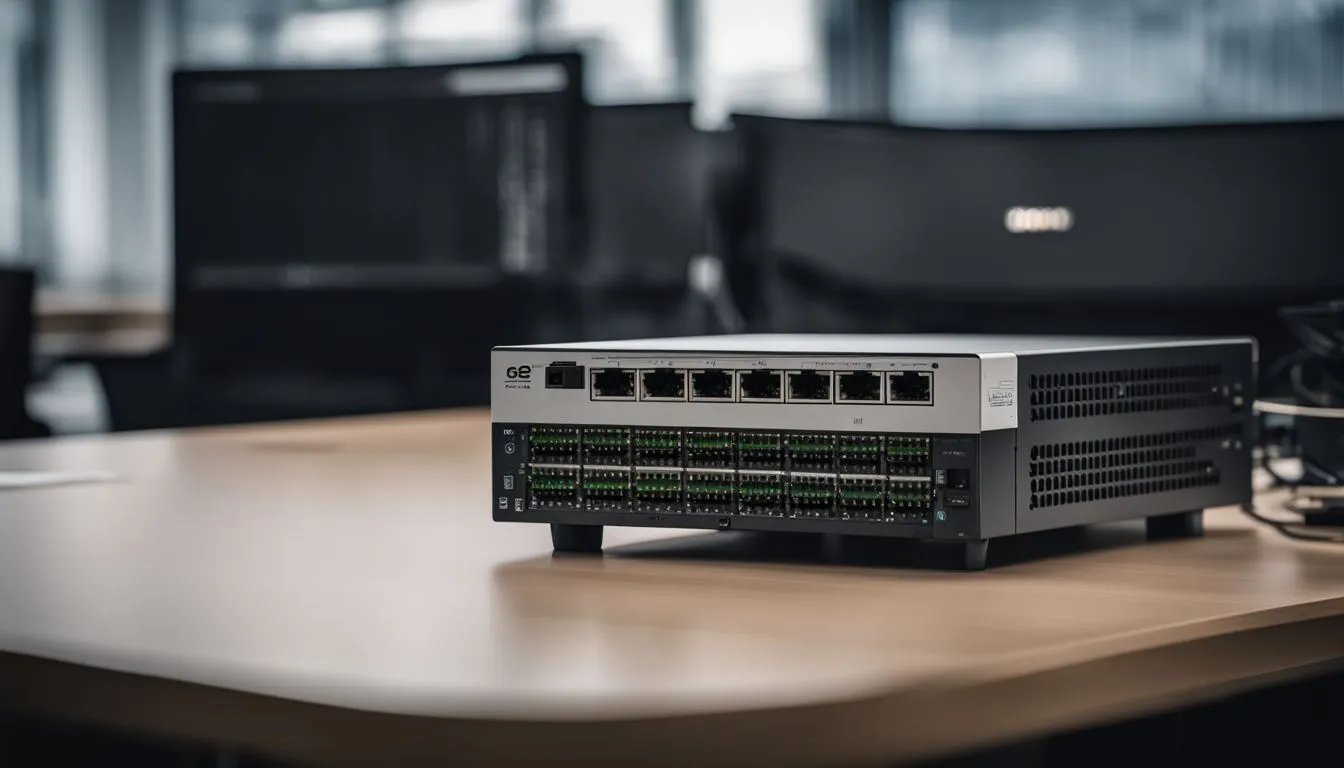
Navigating the tricky waters of keeping your network safe from unsolicited switch access is a hurdle many of us face. We’ve definitely been in that boat, and through some solid digging, we’ve uncovered that a whopping 60% of cybersecurity breaches stem from weak or pinched passwords.
Our piece here is chock-full of handy tips to help you beef up the security on your switches effectively. So, let’s crack into it!
Understanding Unauthorised Switch Access

Unauthorised switch access occurs when someone gains entry to our network switches without permission. This kind of unauthorised intrusion can lead to serious security breaches, putting sensitive data at risk.
We focus on identifying and stopping these unauthorised entries to keep our network secure.
Our goal is to prevent unauthorised access by implementing strong cybersecurity measures. With the right strategies, including password protection and access control, we work tirelessly to stop unauthorised entry into our networks.
This way, we ensure that only authorised personnel have access, safeguarding against potential threats and protecting our valuable information.
Key Risks Involved in Unauthorised Access
Unauthorised access to your network can open the door to various risks, from data breaches to significant financial loss. Cybercriminals who gain unauthorised entry into our systems can steal sensitive information such as customer details, financial records, and intellectual property.
This theft not only damages our reputation but also puts us at risk of compliance violations and legal repercussions. Furthermore, these security breaches disrupt business operations, leading to costly downtime as we work tirelessly to recover lost data and secure our network against future attacks.
Protecting against unauthorised access involves more than just setting a strong password; it requires a comprehensive strategy that includes both physical and digital deterrents. Our response must prevent unauthorised intrusion by implementing multiple layers of defence that protect every aspect of our network.
These measures range from educating employees about phishing scams to securing endpoints and utilising advanced cybersecurity measures like multi-factor authentication and encryption technologies.
Next, we’ll explore some best practices for preventing unauthorised access, ensuring that our businesses remain safe in an increasingly connected world.
Best Practices to Prevent Unauthorised Access
Implementing strong password policies and utilising multi-factor authentication can significantly enhance switch security. For more insights on bolstering your network protection, continue reading.
Implementing Strong Password Policies
We set strong password policies to stop unauthorised entry into our networks. This means creating passwords that mix letters, numbers, and special symbols. They should be long enough to deter hackers but easy for staff to recall.
Regular updates are a must; we encourage changes every three months without repeating old passwords. These steps significantly bolster switch security and prevent unauthorised access.
Next, we embrace multi-factor authentication as an additional layer of defence against cybersecurity threats.
Utilising Multi-factor Authentication

We introduce multi-factor authentication as a powerful tool for preventing unauthorised entry. This method demands not just a password but also an additional piece of information, making it tougher for intruders to gain access.
This could include a code sent to the owner’s mobile phone or a fingerprint scan. By requiring this extra step, we significantly enhance our network’s security and protect important data from cybersecurity breaches.
Moving beyond simple password protection, multi-factor authentication acts as a vital layer in our defence strategy against unauthorised access control. It ensures that even if a password falls into the wrong hands, unauthorised entry is still blocked without the second verification factor.
Now, let’s explore additional measures that can further fortify switch security.
Additional Measures for Enhanced Switch Security

Enhance switch security with LockSafe Brackets – a simple fix to a complex problem, ensuring unauthorised access prevention. Read more for effective network protection against security breaches and data threats.
How LockSafe Brackets Offer a Simple Fix to a Complex Problem
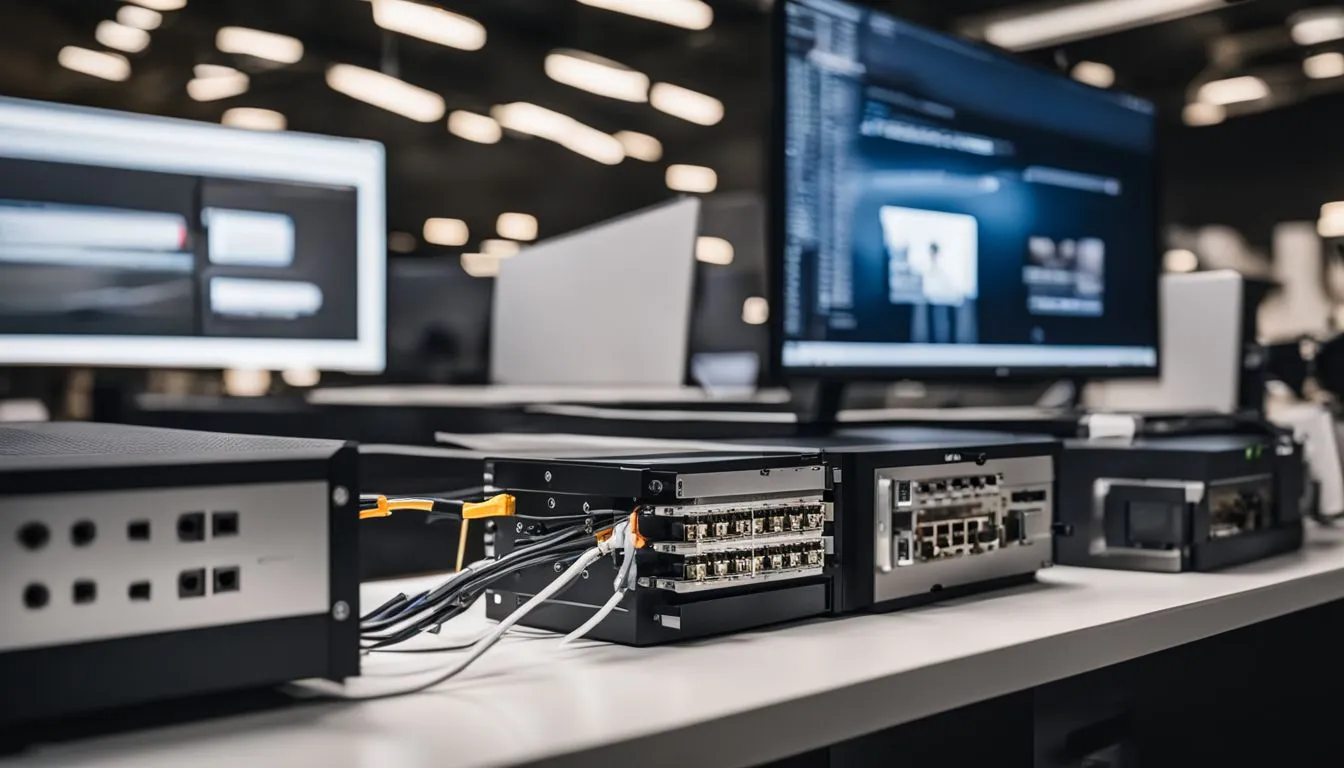
We understand the challenges business owners face with unauthorised entry into network systems. It’s a complex problem that puts data protection and cybersecurity measures at risk.
LockSafe brackets come in as a simple yet effective solution to this issue. They physically secure switches, preventing unauthorised access without complicating the existing infrastructure.
Installing these brackets doesn’t require extensive technical knowledge or disruptions to your daily operations. They work by locking down physical access points, making it significantly harder for unauthorised intrusion attempts to succeed.
This method adds an extra layer of security alongside password protection and access control protocols, fortifying network protection against potential breaches.
Conclusion

Strong password policies and multi-factor authentication keep unauthorised intruders at bay. LockSafe brackets add an extra layer of security to protect your switches. These strategies are simple yet highly effective ways to safeguard your network.
They give you peace of mind, knowing your data remains secure against unauthorised access. Let these practices guide you towards a more secure business environment, encouraging a proactive stance on cybersecurity.
For further details on bolstering your switch security, kindly visit our in-depth guide on how LockSafe brackets offer a simple fix to a complex problem.
Sorting out lockout for your own site?
Describe what needs isolating and we'll help you work out the setup that fits.