
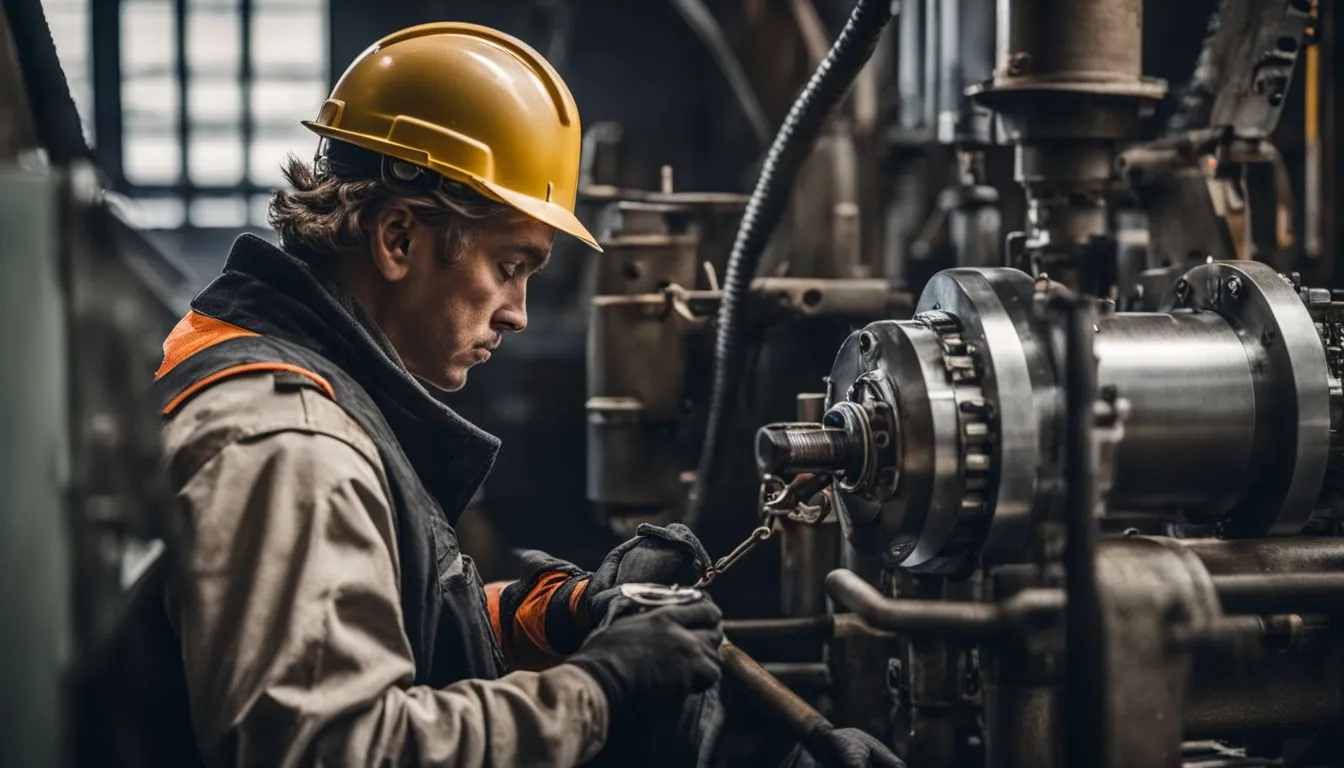
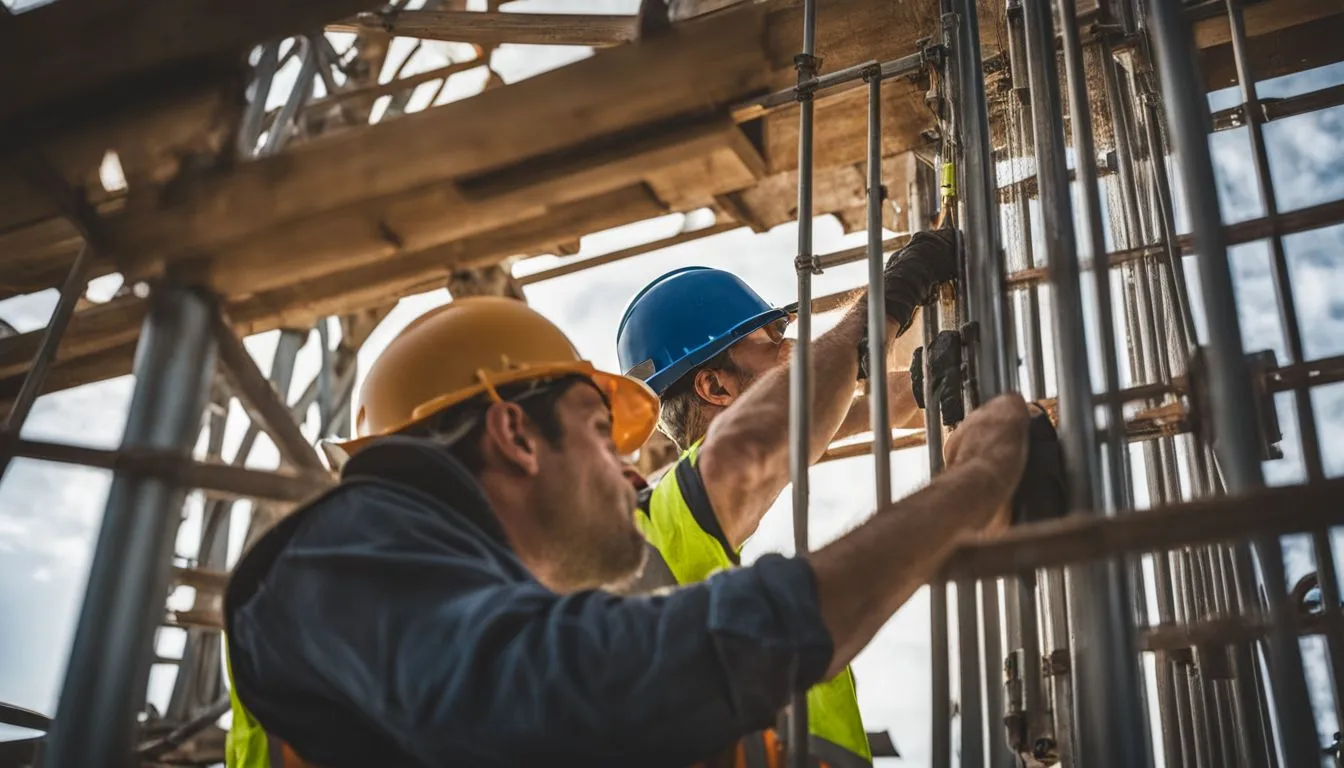
Every business has the hurdle of keeping their workplace a safe spot. We know the drill all too well, and on our trek, we stumbled upon something that stopped us in our tracks: locking brackets that have seen better days can really throw a spanner in the works when it comes to safety.
This yarn is about giving you the nitty-gritty on stepping up your game with your locking bracket protocols – tightening them up can make a world of difference in dodging those risks.
Stick around, this is one bit of advice you won’t want to give a miss.
Understanding the Importance of Locking Brackets in Workplace Safety
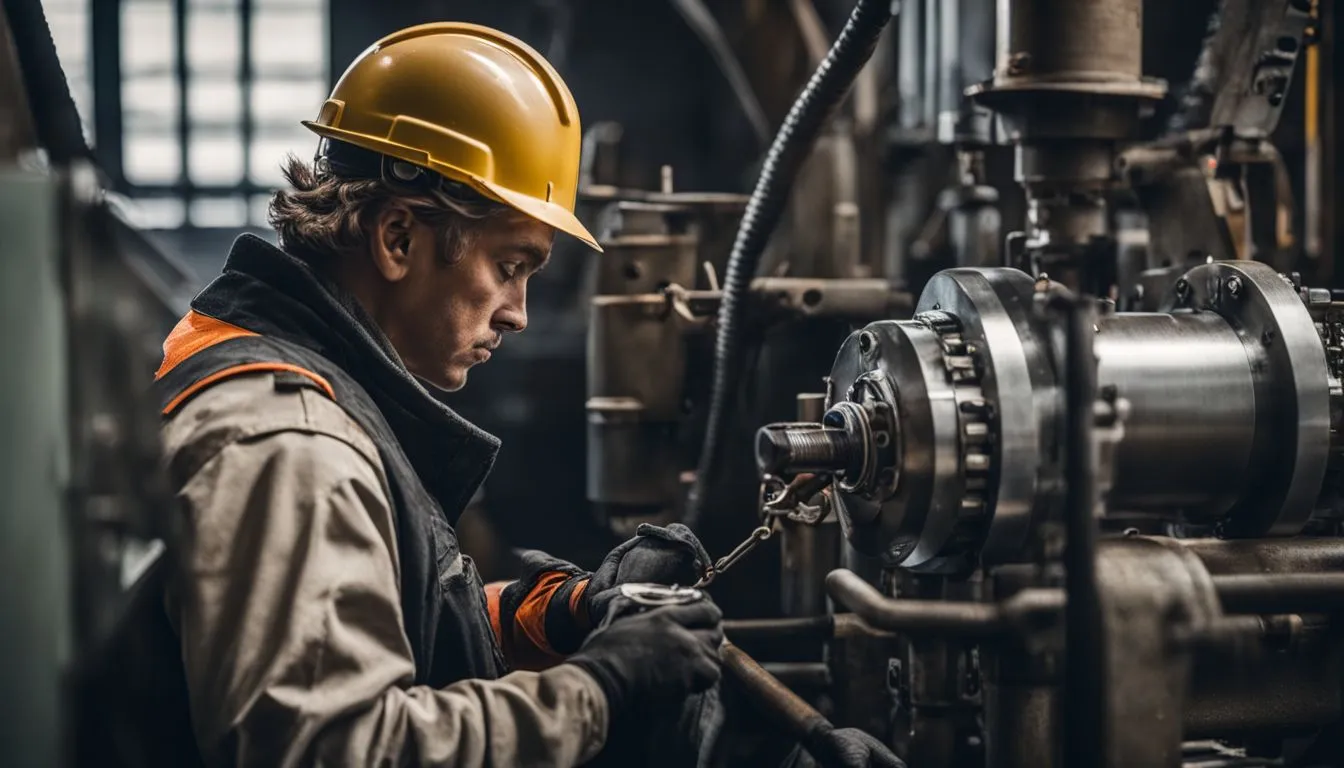
Locking brackets play a critical role in maintaining workplace safety, acting as a pivotal part of Locksafe's lockouttagout procedures. We use these devices to secure dangerous equipment or electrical systems during maintenance and repairs, preventing accidental startups.
This approach not only protects our workers from potential harm but also ensures that we adhere to strict safety regulations. With locking brackets firmly in place, we significantly reduce the risk of workplace injuries caused by unexpected machine activation.
Maintaining these safety devices is equally essential for workplace security. Regular inspection and maintenance guarantee that every lockout device remains operational when needed most.
Through consistent checks, we catch any issues before they escalate into serious hazards. Training employees on the importance of locking mechanisms further empowers them with knowledge on accident prevention and occupational hazard identification.
Together, these actions form a solid foundation for equipment safety and risk management in any business environment.
The Risks of Ignoring Locking Bracket Safety
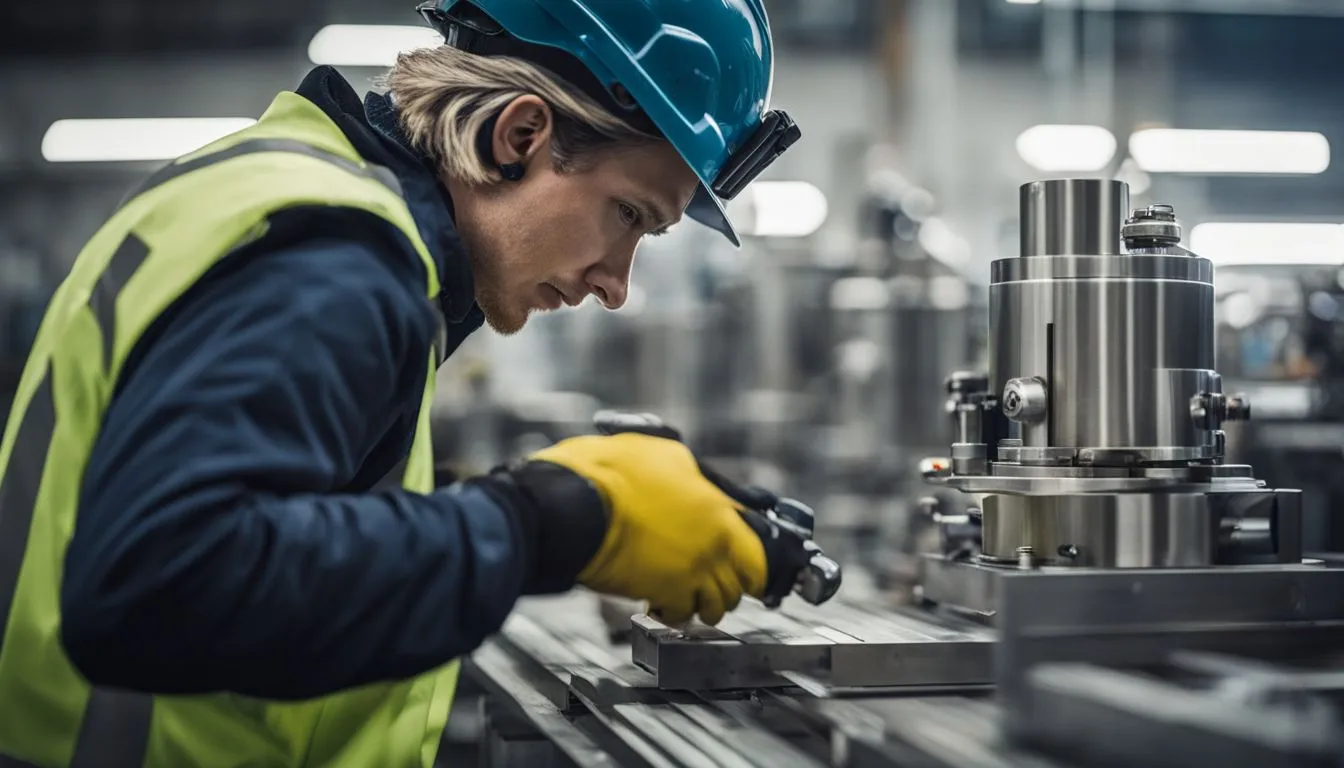
Ignoring locking bracket safety in the workplace poses significant risks. HSE compliance may be compromised, hazards could go uncontrolled, and there can be severe consequences. These include potential workplace injuries, regulatory non-compliance, and heightened occupational hazards.
Compliance with WHS regulations
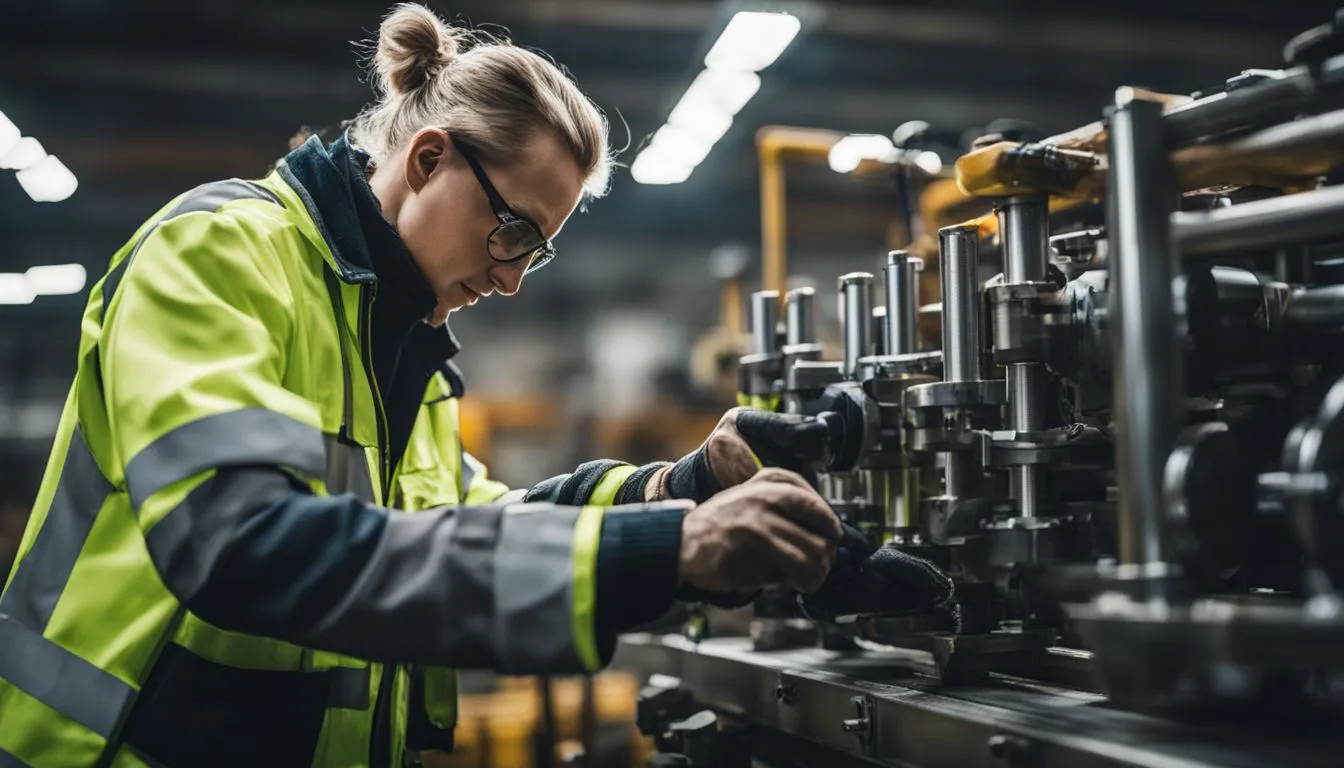
Meeting WHS regulations is not just a legal obligation; it’s a crucial step in safeguarding everyone involved in our business. We must strictly adhere to these safety protocols, including ensuring locking brackets are correctly installed and used.
This commitment helps us manage occupational hazards, prevent workplace injuries, and maintain overall workplace safety. It sends a clear message about our dedication to protecting staff, clients, and the community from potential risks associated with our operations.
Our approach involves regular safety inspections and adhering meticulously to lockout-tagout procedures that align with electrical safety work practices. Adopting such measures also shields our business from legal ramifications and potential financial losses due to non-compliance.
As we prioritise hazard identification through rigorous inspection and maintenance routines, we simultaneously uphold high standards of workplace security and equipment safety. Next, we’ll explore how locking brackets play a pivotal role in hazard control.
Role in hazard control
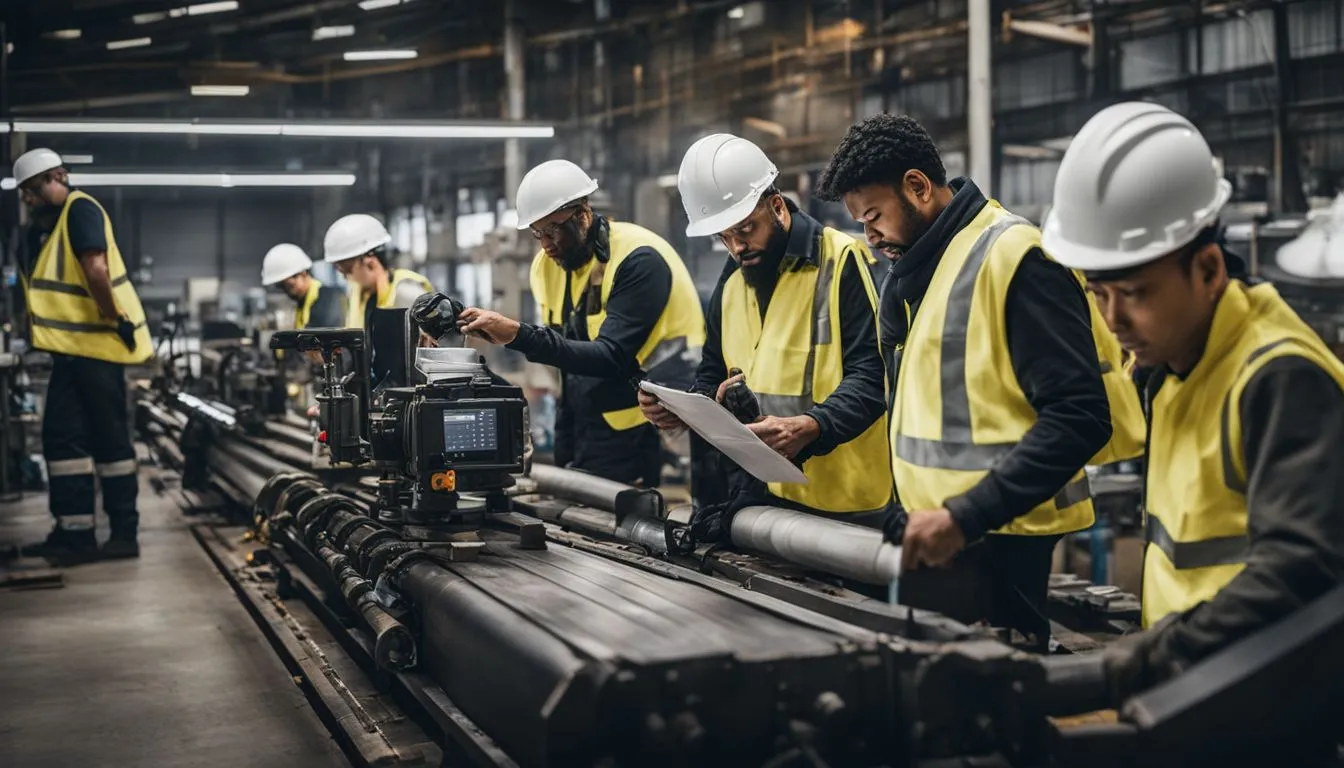
Complying with WHS regulations sets the framework for a safe workplace, but understanding the role of locking brackets in hazard control takes safety practices to another level. Locking brackets act as a critical line of defence against accidents and equipment misuse.
They ensure machines stay off when they need to be, safeguarding against unintentional activation that could lead to workplace injuries or worse. Through lockouttagout procedures, these simple devices play a pivotal role in electrical safety work practices by clearly marking out hazards and preventing unauthorised access.
We recognise the power of incorporating lockout systems into our daily operations. Not only do they offer an added layer of security, but they also provide peace of mind for both employers and employees alike.
Regular safety inspections that include checking locking mechanisms contribute significantly to accident prevention. It’s about creating an environment where every team member understands their part in maintaining workplace security through proper use of personal protective equipment and adherence to occupational hazard guidelines.
This collective effort drastically reduces risks and boosts overall safety protocols, making our workplaces safer for everyone involved.
Potential consequences
Ignoring locking bracket safety can lead to severe workplace injuries. Without proper safety protocols, employees might face hazards that could easily be prevented with correct usage of lockout devices.
Mishaps due to inadequate locking mechanisms often result in downtime for repairs and investigations, costing businesses significantly in both time and resources.
We understand the importance of maintaining a secure workspace through regular inspection and maintenance of equipment safety features like locking brackets. Failure to do so not only risks employee wellbeing but also places the company at risk of non-compliance with occupational hazard regulations.
Ensuring each lockout-tagout procedure is followed diligently guards against accidental startups during maintenance, safeguarding our team from potential harm.
Ensuring Proper Maintenance and Inspection of Locking Brackets
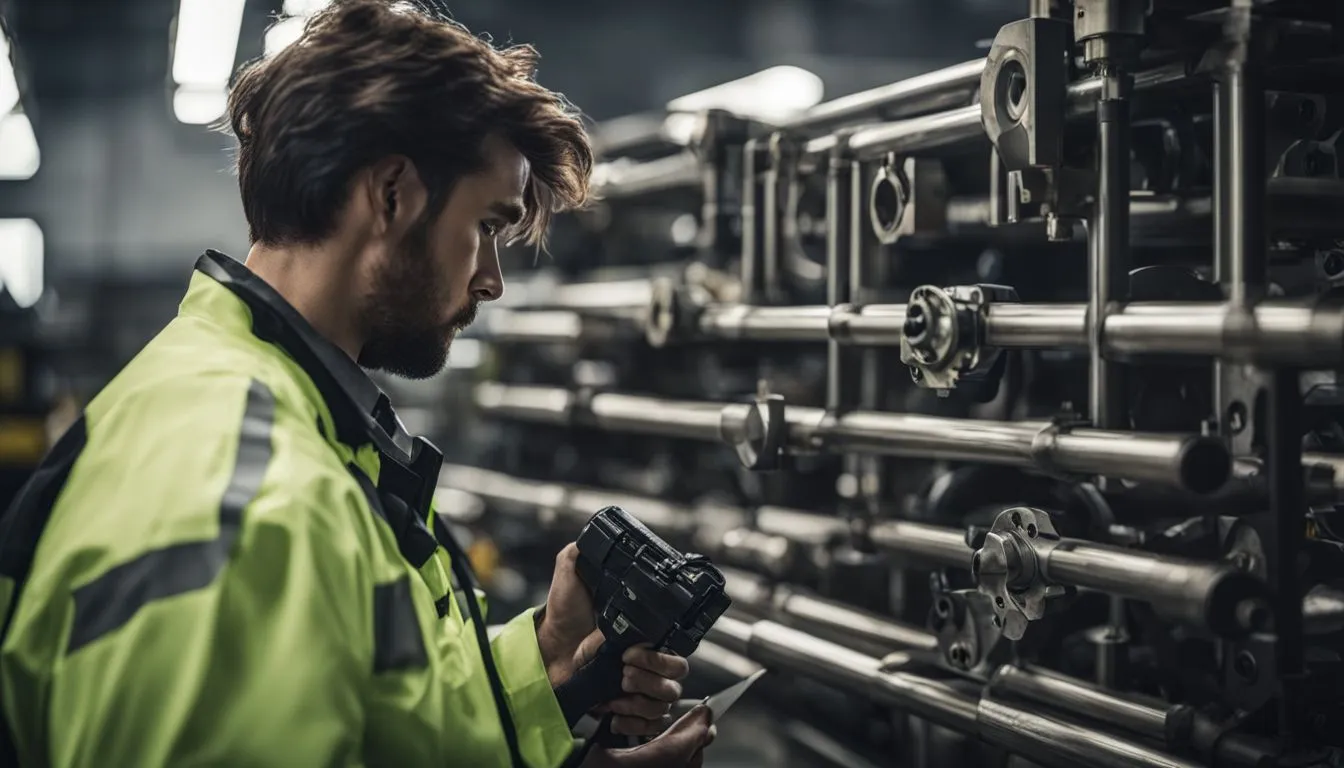
Regularly checking locking brackets and providing thorough employee training on maintenance is essential to workplace safety. To find out more about ensuring the proper maintenance and inspection of locking brackets, delve into our full article.
Regular checks
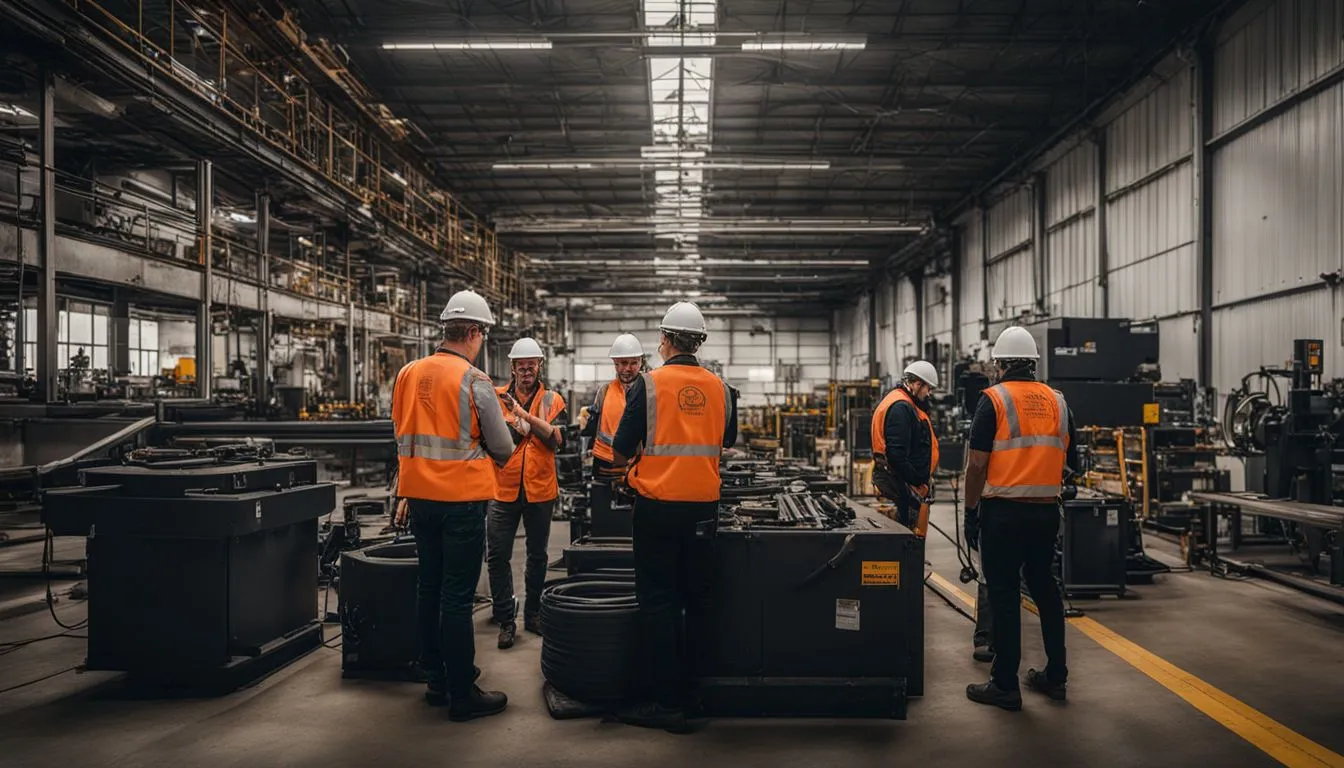
We conduct regular safety inspections of locking brackets to ensure they meet workplace safety regulations. This involves a thorough review of lockout-tagout procedures, equipment safety, and hazard identification.
We take this step seriously as it helps in accident prevention and maintaining workplace security.
Our team also prioritises the inspection and maintenance of electrical safety work practices. By doing so, we address potential occupational hazards and reinforce the importance of using personal protective equipment.
These actions are vital for keeping our workers safe from workplace injuries and ensuring that all safety protocols are up to date.
Employee training
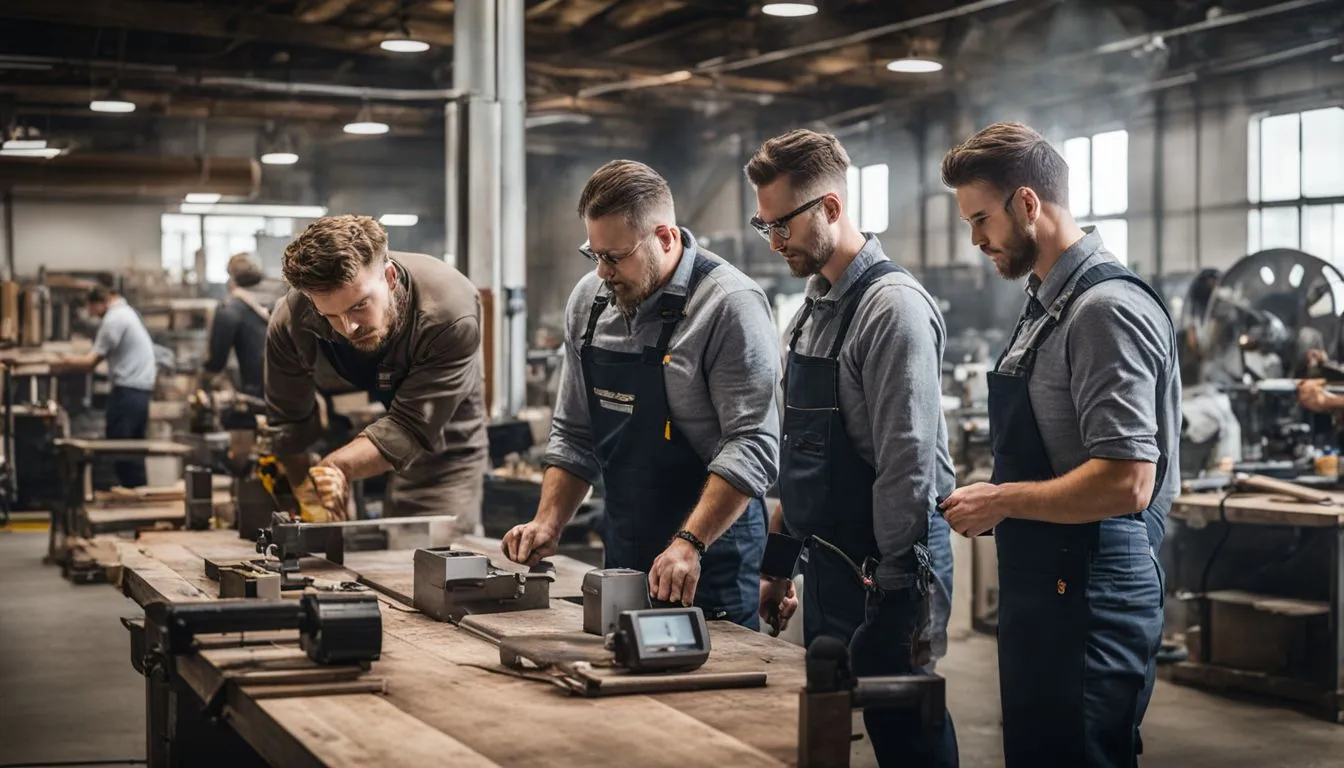
Following our commitment to regular safety inspections, we place a great emphasis on employee training. Educating our team about the importance of locking brackets not only ensures compliance with Safety regulations but also significantly reduces workplace injuries.
Our trainings cover lockout/tagout procedures, electrical safety work practices, and the correct use of personal protective equipment.
Our sessions are interactive, focusing on hazard identification and accident prevention techniques. Employees learn through practical demonstrations and real-life scenarios how to safely inspect and maintain locking mechanisms.
This hands-on approach boosts their confidence in managing occupational hazards effectively, keeping themselves and their co-workers safe from harm.
Training the Next Generation on Locking Bracket Best Practices
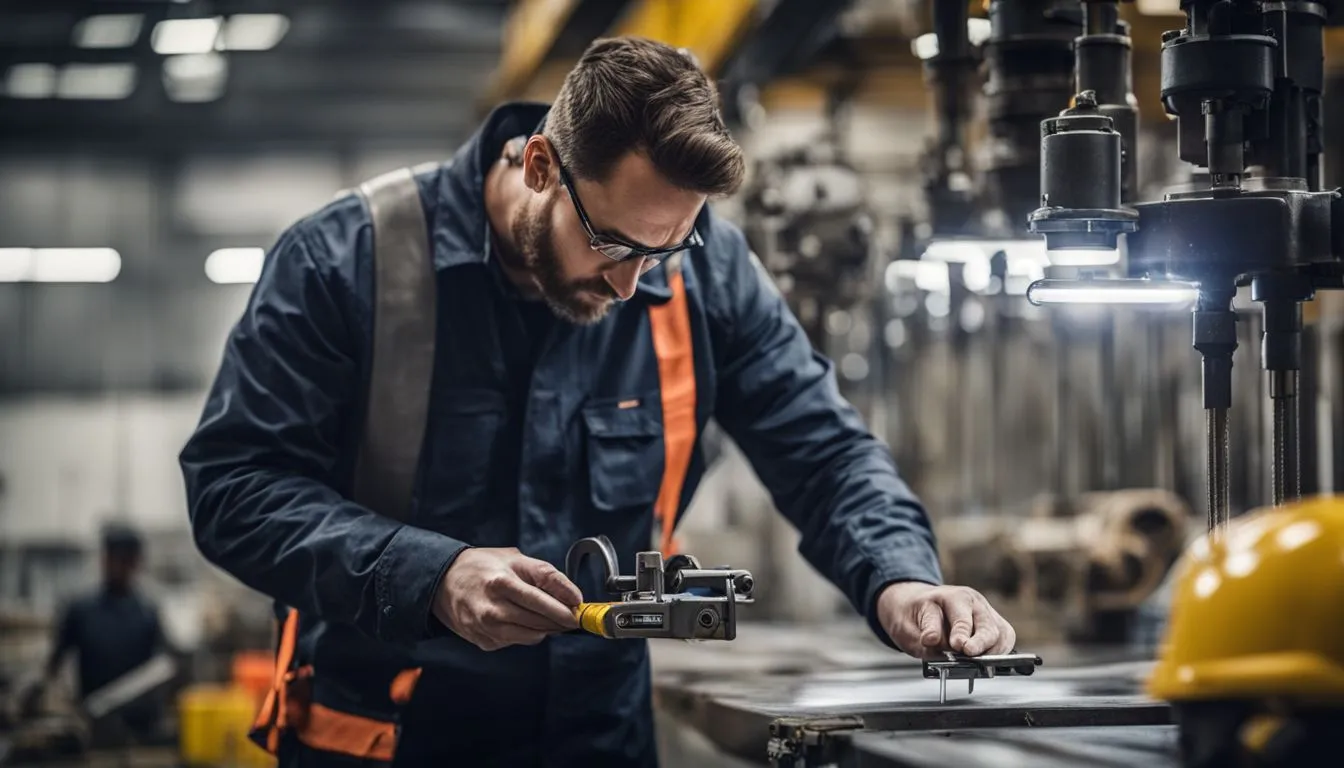
Training the next generation on locking bracket best practices is essential for maintaining workplace safety. We take this responsibility seriously, ensuring that our staff are well-versed in the latest safety protocols and hazard identification methods.
- Start with basic education: Before diving into complex procedures, we ensure that newcomers understand what locking brackets are and their role in accident prevention. This foundational knowledge is crucial for appreciating the importance of these devices in ensuring equipment safety.
- Incorporate hands-on training: We believe there’s no substitute for practical experience. Our training programmes include guided sessions where employees handle lockout devices and practise installing them under supervision. This builds confidence and helps reinforce theoretical knowledge through action.
- Emphasise compliance and regulations: Familiarising staff with WHS regulations related to lockout/tagout procedures is a fundamental part of our training process. We make sure they know not just how to use locking mechanisms, but also why these steps are non-negotiable for workplace security.
- Regular safety inspections: We train employees on conducting thorough safety inspections, focusing on identifying potential hazards that could be mitigated by proper lockout systems usage. This proactive approach helps reduce occupational hazards significantly.
- Update on technological advancements: As locking bracket technology evolves, staying updated is key. Our training includes sessions on the latest developments in electrical safety work practices and innovations in personal protective equipment.
- Promote a culture of continuous learning: Encouraging an environment where questions are welcomed and knowledge sharing is standard practice ensures that all employees feel responsible for not just their safety but also that of their colleagues.
- Focus on emergency response: Knowing how to react when things go wrong is as important as prevention measures. We cover various aspects of emergency responses involving lockout systems during our training to prepare workers adequately for unforeseen situations.
Each of these steps demonstrates our commitment to equipping our workforce with the knowledge and skills necessary for minimising workplace injuries through effective use of locking brackets and adhering to established safety precautions.
Conclusion
In conclusion, ensuring workplace safety through the proper maintenance and inspection of locking brackets is essential. Our detailed exploration revealed that compliance with HSE regulations plays a pivotal role in hazard control and mitigating potential consequences.
Regular checks and employee training are crucial to preventing workplace injuries and maintaining a safe environment. Emphasising practicality and efficiency, these strategies can significantly improve workplace security while efficiently addressing occupational hazards.
For further guidance, seek additional resources or relevant services to deepen your understanding of this critical topic. Picture this: by implementing these practices, you unlock the secrets to enhancing safety protocols and ultimately contribute to a safer work environment for all.
Sorting out lockout for your own site?
Describe what needs isolating and we'll help you work out the setup that fits.