

Feeling a bit flustered by the prospect of finding just the right lockout safety lock? Believe us, we understand. In fact, research indicates that one in seven homeowners grapples with comprehending and selecting the appropriate lockout equipment.
Fear not, this blog post aims to be your go-to guide on all things safety locks – delving into its complex make-up and sharing best practices for using these devices successfully. Intrigued? Let’s delve deeper together; understanding how robust lockout safety locks can enhance the security of your beloved home.

Understanding Lockout Tagout (LOTO)
Lockout Tagout (LOTO) is a safety procedure used to ensure that machinery or equipment is completely shut down and isolated from all energy sources before any maintenance or repairs can be performed.
Definition of LOTO
Lockout Tagout, often abbreviated as LOTO, refers to specific safety procedures and precautions that workers employ to prevent unexpected start-up or energising of machinery during maintenance or service.
This protocol involves turning off equipment, discharging energy sources, and applying locks and tags to control panels. The use of locks prevents anyone else from restarting the machine while maintaining it.
Tags provide a clear warning not to operate the equipment until the tag gets removed after finishing servicing or repairs. By understanding this definition of LOTO, you can ensure that your home remains safe when dealing with machinery repair work.
Importance of LOTO
Lockout Tagout (LOTO) is an essential safety procedure that should not be overlooked. It plays a crucial role in preventing accidents and injuries when working with machinery or equipment.
By effectively implementing LOTO procedures, you can safeguard yourself and others from unexpected energization or start-up of machinery.
Using LOTO ensures that the power sources are isolated, locked, and tagged to prevent any unintentional reactivation. This provides a clear visual indication to everyone that maintenance work is being carried out on the machine or equipment.
LOTO helps create a safe working environment by reducing the risk of electrocution, burns, crush injuries, and other hazardous incidents.
Implementing proper LOTO practices demonstrates your commitment to workplace safety. It protects both workers and employers from potential legal consequences resulting from non-compliance with safety regulations.
Difference between Lockout and Tagout
Lockout and tagout are two essential safety procedures that help prevent accidents during maintenance or repair work. Lockout involves physically securing equipment to ensure it cannot be operated, while tagout uses tags to warn others not to start or use the equipment.
The key difference is that lockout physically prevents operation, while tagout relies on communication and warning signs. Both methods are crucial for ensuring the safety of individuals working on machinery or equipment.
Components of a Strong Lockout Safety Lock
The components of a strong lockout safety lock include the shackle, body, cylinder and key, as well as the lockout and tagout devices.
Shackle
The shackle is an essential component of a strong lockout safety lock. It is the U-shaped metal piece that holds the lock together and secures it in place. The shackle needs to be sturdy and made of durable materials to ensure maximum security.
Look for locks with hardened steel shackles, as they are resistant to cutting or tampering attempts. Additionally, opt for locks with a long shackle if you need to secure larger objects or equipment.
By choosing a lockout safety lock with a strong and reliable shackle, you can enhance the overall effectiveness of your lockout procedures.
Body
The body of a lock is an essential component that provides strength and durability. It serves as the main structure that holds all the other parts together. A strong lockout safety lock will have a robust and solid body made from high-quality materials such as steel or hardened alloy.
This ensures that it can withstand tampering, cutting, or any attempts to break it open.
The body of the lock also houses the locking mechanism, which is responsible for securing the shackle in place. It should be designed in a way that makes it difficult for unauthorised individuals to pick or manipulate the lock.
Look for locks with anti-pick features, like pins or discs, to enhance security.
In addition to strength and security, the body of a good lockout safety lock should also be weather-resistant. This means it can withstand exposure to various elements without rusting or degrading over time.
A weather-resistant body ensures that your lock remains functional even when used outdoors or in harsh environments.
Cylinder and Key
The cylinder and key are crucial components of a strong lockout safety lock. The cylinder is the part of the lock that houses the locking mechanism, while the key is used to operate the lock.
When inserted into the cylinder and turned, the key aligns specific pins inside the mechanism, allowing it to unlock or lock securely. It’s important to choose a lock with a durable and reliable cylinder and key to ensure maximum security for your property or belongings.
Look for locks made from high-quality materials that are resistant to tampering or picking. By investing in a strong cylinder and key, you can have peace of mind knowing that your home is well-protected against potential threats.
Lockout Device
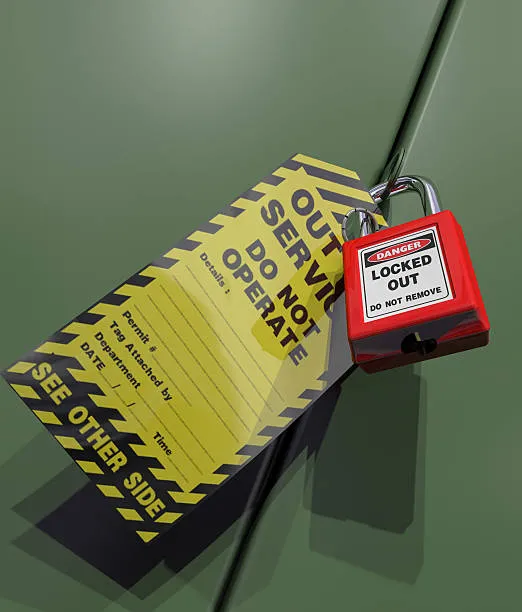
A lockout device is a crucial component of a strong lockout safety system. It is designed to securely immobilise equipment or machinery during maintenance or repair work, preventing accidental startup or release of hazardous energy.
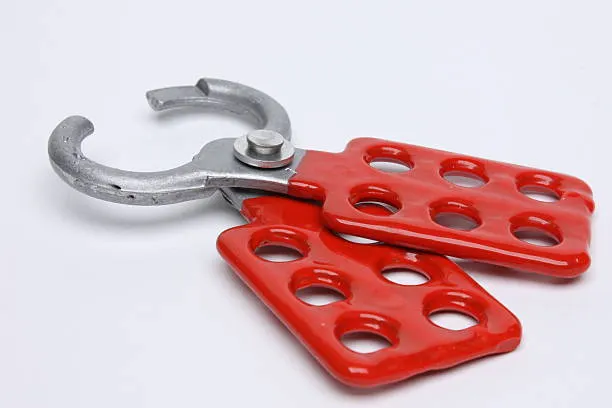
Lockout devices come in various forms, such as padlocks, hasps, valve locks, and electrical plug locks. These devices are typically made from durable materials like stainless steel or reinforced nylon to withstand harsh environments and tampering attempts.
Using a reliable lockout device ensures that only authorised personnel have access to the locked-out equipment, promoting workplace safety and compliance with regulations.
Tagout Device
The tagout device is an essential component of a strong lockout safety lock. It serves as a visual reminder that the equipment or machinery is being locked out and should not be operated.
The tagout device typically consists of a durable tag with clear and concise information, such as the name of the person performing the lockout, the date and time it was initiated, and any additional instructions or warnings.
This helps to ensure that everyone in the area understands why the equipment is locked out and avoids accidental operation. By using a tagout device in conjunction with a lockout device, you can enhance safety measures and prevent potential accidents or injuries.
What is a Group Lockout Box?
A group lockout box is a secure container used to store multiple lockout devices and keys during maintenance or repair procedures.
Benefits of using Group Lockout Boxes
Group lockout boxes offer several benefits for ensuring safety during lockout tagout procedures. Firstly, they provide a centralised location for storing multiple locks and keys, making it easier to manage and track who has control over the energy sources.
This helps prevent unauthorised access and ensures that all necessary steps are taken before equipment or machinery is turned back on.
Secondly, group lockout boxes promote clear communication among team members involved in the lockout process. By having all locks and tags stored in one place, it becomes more visible who is currently working on a specific task or procedure.
This reduces the risk of accidental starts or misunderstandings about which equipment should remain locked out.
Lastly, using group lockout boxes enhances efficiency during large-scale maintenance operations. Instead of individually searching for locks and coordinating efforts with multiple workers, teams can quickly access their assigned locks from a central box while following proper protocols.
Types of Group Lockout Boxes
Group lockout boxes come in various types to suit different needs and situations. One type is the wall-mounted group lockout box, which provides a secure location for storing multiple locks during a group lockout procedure.
Another type is the portable group lockout box, which allows you to easily transport locks to different areas of your home or property. Additionally, there are also combination group lockout boxes that provide an extra layer of security with their unique locking mechanisms.
Each type of group lockout box offers its own advantages and can help ensure the safety of everyone involved in the lockout process.
Best Practices for Effective Group Lockout Tagout
Comply with regulations, communicate clearly, conduct regular inspections, and document LOTO procedures.
Complying with Regulations
To ensure the safety of yourself and others, it’s important to comply with regulations when it comes to lockout tagout procedures. These regulations are in place to protect against accidents and injuries caused by unexpected energy release during maintenance or repair work.
By following these regulations, you can help prevent potentially dangerous situations and keep everyone safe.
One way to comply with regulations is by using the appropriate lockout devices for each specific situation. Make sure you have a variety of locks on hand that meet industry standards and are designed for different types of equipment.
It’s also crucial to properly train employees on how to use these devices correctly. This includes understanding which lockout points are necessary, as well as how to securely attach them and remove them when the job is complete.
Regular inspections are another key aspect of complying with regulations. Inspect your lockout devices regularly for any signs of wear or damage that could compromise their effectiveness.
Replace any worn or damaged locks immediately so they continue providing reliable protection.
Clear Communication
Effective lockout tagout procedures require clear communication between all individuals involved. This means that every member of the team needs to understand their roles and responsibilities, as well as the specific steps and precautions needed for a successful lockout.
Clear communication ensures that everyone is on the same page and reduces the risk of misunderstandings or mistakes. By communicating clearly, we can ensure that everyone knows what to do, when to do it, and how to stay safe throughout the lockout process.
Regular Inspections
Regular inspections are a crucial aspect of maintaining lockout safety. We should regularly inspect our lockout safety locks to ensure they are in good working condition and free from any damage or defects.
Inspections help us identify any issues that could compromise the effectiveness of the lock, such as worn-out shackles, corroded bodies, or malfunctioning cylinders and keys. By conducting regular inspections, we can address these issues promptly and replace any faulty parts before they cause a potential safety hazard.
Keeping our lockout devices in optimal condition through regular inspections is an essential step towards ensuring the overall security of our homes and properties.
Documenting LOTO Procedures
We understand how important it is to document your Lockout Tagout (LOTO) procedures. It helps ensure that everyone understands and follows the proper steps to safely lock and tag equipment.
By documenting LOTO procedures, you create a clear reference for future use and provide a consistent approach to lockout safety. This includes identifying the equipment, detailing the specific steps in the procedure, and assigning responsibility to authorised individuals.
Remember, keeping accurate records of your LOTO procedures is crucial for maintaining a safe working environment for yourself and others.
Conclusion
Understanding the components of a strong lockout safety lock is crucial for ensuring maximum security. By paying attention to details such as the shackle, body, cylinder and key, as well as utilising appropriate lockout and tagout devices, we can greatly reduce the risk of accidents.
Remember to also consider the benefits of using group lockout boxes and follow best practices for effective communication and documentation. Understanding the anatomy of a strong lockout safety lock paves the way to secure and safe workplaces. For expert advice on using these locks, contact Work Safe Lock Outs! Stay safe by prioritising the anatomy of your lockout safety locks!
Sorting out lockout for your own site?
Describe what needs isolating and we'll help you work out the setup that fits.