
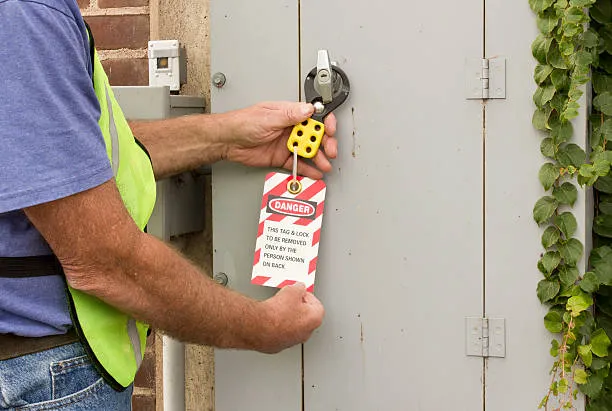
We all know that keeping our staff safe at work is top priority. That’s where Lockout Tagout, or LOTO for short, comes into play. It’s a safety procedure that keeps machines off while they’re being fixed. You might be asking why this matters to you as a business owner. Well, it turns out that using LOTO the right way can stop up to 80% of accidents on the job by making sure machines don’t suddenly turn on when someone is working on them.
But there’s more to it than just turning off equipment; we need solid plans and everyone needs to understand how it works. Training employees about energy sources and lockout tools are crucial steps for building a culture that breathes safety first. Plus, following these safety rules isn’t just about not getting in trouble; it means creating an environment where everyone feels secure at work.
Keeping our LOTO practises sharp with regular check-ups makes sure we keep up with new gadgets and changing laws too. And let’s not forget real-life stories from other businesses – they prove sticking closely to LOTO rules leads to fewer nasty surprises like accidents at work. Safe workplaces don’t happen by chance – they’re built through dedication and learning from experience. Let’s unlock the secrets together towards safer work days ahead! Keep reading to find out how your business can benefit from embracing lockout safety protocols without any fuss.

Understanding Lockout Tagout (LOTO)
Lockout Tagout (LOTO) is a safety procedure used to ensure that dangerous machines are properly shut off and not able to be started up again prior to the completion of maintenance or servicing work.
It involves the use of locks or tags, as well as written procedures and employee training, and is regulated by various workplace safety bodies.
Definition, purpose, and regulatory framework
Lockout Tagout (LOTO) revolves around specific safety procedures designed to ensure that dangerous machines are properly shut off and not started up again before the completion of maintenance or repair work.
It involves placing a lock or tag on energy isolating devices, which communicates critical information and controls hazardous energy. The primary aim is to protect employees from harm resulting from unexpected energisation or startup of machinery.
Regulatory bodies like OSHA enforce strict regulations related to LOTO practices to prevent accidents in workplaces across various industries. Compliance with these regulations isn’t just about following rules; it’s about creating a safer environment for everyone involved.
Our responsibility as asset owners includes staying updated on these frameworks and integrating them into our business operations, thereby securing assets against potential risks effectively.
Key Components of a Successful LOTO Program
Identification of energy sources, written procedures and guidelines, employee training and awareness, and lockout tagout equipment are essential components of a successful LOTO program.
Click here to learn more about implementing robust safety protocols for securing your assets.
Identification of energy sources
- Surveying all equipment and machinery to identify potential energy sources such as electrical, mechanical, hydraulic, pneumatic, chemical, or thermal.
- Conducting a thorough assessment to determine the type and magnitude of energy each source possesses and how it could pose risks to employees.
- Clearly labelling all energy sources within the workplace for easy identification by employees and maintenance staff.
- Ensuring that any new installations or modifications to existing equipment are promptly assessed for potential energy hazards as part of the identification process.
- Regularly reviewing and updating the list of identified energy sources to maintain an accurate record for employee training and safety procedures.
Written procedures and guidelines
- Clearly defined step-by-step instructions for locking and tagging out specific energy sources.
- Detailed outlines for different scenarios, including routine maintenance, repair work, and equipment changeovers.
- Provision for periodic review and update of LOTO procedures in line with any changes in equipment or processes.
- Inclusion of proper authorisation protocols to ensure that only trained personnel can initiate or remove locks and tags.
- Documented guidelines for testing energy isolation to confirm that all hazardous energy sources have been effectively shut off.
Employee training and awareness
Employee training and awareness play a vital role in ensuring the success of your lockout tagout (LOTO) programme. Training sessions should cover the identification of energy sources, understanding written procedures, and proper usage of lockout tagout equipment.
Creating an environment where employees are fully aware and equipped to handle potential hazards will significantly reduce the risk of accidents and enhance workplace safety culture.
Regular communication about LOTO policies and procedures within the organisation is crucial for maintaining a high level of employee awareness.
Lockout tagout equipment
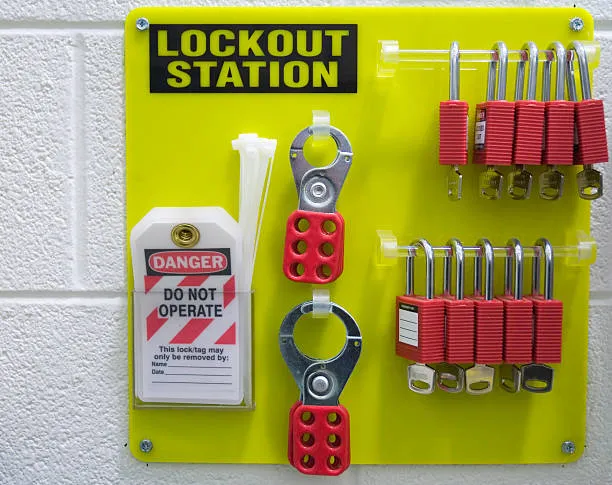
Lockout tagout equipment plays a critical role in safeguarding employees and assets. It includes locks, tags, and devices that physically prevent the activation of machinery or equipment during maintenance or servicing.
This ensures that energy sources are isolated to protect workers from accidental startup and release of hazardous energy. Employers must provide durable lockout tagout equipment such as keyed or combination locks, electrical circuit safety devices, and physical security measures to effectively implement LOTO procedures.
Using high-quality lockout tagout equipment is essential for maintaining a safe workplace environment. Regular inspections and maintenance of these tools are paramount to guarantee their effectiveness when needed.
Investment in reliable lockout tagout equipment not only enhances employee safety but also ensures compliance with HSE lockout tagout laws.
Implementing a Robust LOTO Procedure
Implementing a robust LOTO procedure involves conducting a comprehensive risk assessment, developing detailed procedures, providing thorough employee training, and conducting regular audits and reviews to ensure compliance.
This process is crucial for safeguarding your assets and maintaining a safe work environment.
Conducting a comprehensive risk assessment
To ensure the effectiveness of your lockout tagout (LOTO) programme, a comprehensive risk assessment is crucial. This process involves the following key steps:
- Identifying all energy sources and potential hazards within your facility to determine the scope of the LOTO procedure.
- Evaluating the likelihood and severity of potential accidents or injuries related to each energy source.
- Prioritising areas where LOTO measures need to be implemented based on the level of risk associated with specific equipment or machinery.
- Collaborating with relevant stakeholders, including employees and safety professionals, to gather insights and perspectives on existing risks and potential blind spots.
- Documenting the findings and conclusions from the risk assessment to serve as a foundational reference for developing tailored LOTO procedures.
Developing LOTO procedures
To ensure the effective implementation of Lockout Tagout procedures, it is essential to develop comprehensive and precise LOTO procedures. This involves:
- Identifying all energy sources and potential hazards in the workplace to establish specific lockout points.
- Creating detailed step-by-step instructions for isolating and securing energy sources during maintenance or servicing activities.
- Ensuring that the LOTO procedures are easily accessible to all employees involved in equipment maintenance or service.
- Conducting regular reviews and updates of the LOTO procedures to align with any changes in equipment or regulations.
Employee training and communication
Employee training and communication are vital aspects of a successful lockout tagout (LOTO) programme. Regular training sessions ensure that all employees understand the procedures and guidelines for implementing LOTO effectively.
By communicating the importance of LOTO compliance, businesses can create awareness and foster a safety-oriented culture among their staff. Training also equips employees with the necessary skills to identify energy sources, use lockout tagout equipment, and perform their duties safely.
Clear communication channels between management and employees are crucial for reinforcing the significance of LOTO protocols. Regular updates on safety measures, procedural changes, and best practices help in maintaining a high level of awareness within the organisation.
Open lines of communication also allow employees to raise any concerns or suggest improvements for the LOTO programme.
Regular audits and reviews
Following thorough employee training and communication, regular audits and reviews are crucial to ensuring the ongoing effectiveness of your lockout tagout (LOTO) programme. Regular audits provide an opportunity to identify any gaps or areas for improvement in your procedures, equipment, or employee adherence.
These reviews allow you to maintain compliance with safety regulations, continuously enhance your workplace safety culture, and prevent accidents that could jeopardise your assets.
Conducting regular audits also reinforces the importance of LOTO compliance among employees and fosters a proactive approach to identifying potential risks. By consistently reviewing and updating your LOTO procedures, you can adapt to changing regulations, embrace new technology where applicable, and demonstrate a commitment to continuous improvement – all while safeguarding your valuable assets.
Benefits of LOTO Compliance
LOTO compliance provides a range of benefits including accident prevention, fostering a culture of workplace safety, and ensuring legal and regulatory adherence. It is essential for safeguarding your assets and maintaining a secure work environment.
Prevention of accidents
Preventing accidents is a critical goal for any business. Implementing robust lockout tagout (LOTO) procedures significantly reduces the risk of accidental equipment start-up or release of hazardous energy during maintenance or servicing.
Adequate training and clear communication ensure that employees understand the importance of LOTO compliance in preventing workplace injuries and fatalities. Regular audits and reviews help identify areas for improvement, contributing to a safer work environment for everyone involved.
Enhancing workplace safety culture through LOTO compliance not only protects your most valuable asset – your employees but also minimises downtime, financial losses, and damage to property or equipment due to preventable accidents.
Enhancement of workplace safety culture
To enhance workplace safety culture, we implement regular training sessions for all employees. We encourage proactive reporting of hazards and near misses to foster a transparent safety environment.
Engaging in open communication channels ensures that everyone understands the importance of adhering to safety protocols at all times.
By prioritising employee well-being, we instil a sense of collective responsibility for maintaining a safe work environment. Recognising and rewarding individuals who demonstrate exemplary commitment to safety further reinforces our company’s dedication to fostering a strong workplace safety culture that benefits all stakeholders.
Legal and regulatory compliance
To ensure legal and regulatory compliance, it is crucial to stay updated with the latest lockout tagout (LOTO) policies and procedures. Regularly checking for changes in safety regulations and implementing them into your LOTO program will help maintain a safe workplace environment.
Adhering to compliance regulations not only safeguards your employees but also protects your business from potential legal ramifications.
Implementing a robust LOTO procedure is essential for meeting compliance standards. This includes conducting comprehensive risk assessments, developing clear and concise LOTO procedures, providing regular employee training, and conducting audits to ensure adherence to regulatory requirements.
Challenges and Real-World Examples of Successful LOTO Programs
Navigating resistance to change and ensuring consistent adherence to lockout safety protocols can be challenging, but there are real-world examples of successful LOTO programs that have overcome these obstacles.
These case studies provide valuable insights into how businesses can effectively implement and maintain a robust lockout tagout procedure for the protection of their assets and employees.
Resistance to change
Resistance to change can be a significant hurdle in implementing new safety protocols such as lockout tagout. Employees may resist the introduction of new procedures due to unfamiliarity or a reluctance to alter their established routines.
Overcoming this resistance requires clear communication, thorough training, and ongoing support from management to ensure that employees understand the importance of these changes.
Business Owners need to actively engage with their staff, address concerns, and demonstrate the benefits of adopting lockout safety protocols. By involving employees in the process and highlighting how these initiatives contribute to a safer work environment and asset security, businesses can successfully navigate resistance and cultivate a culture of safety awareness.
Ensuring consistent adherence
To ensure consistent adherence to lockout safety protocols, we regularly communicate and reinforce the importance of following LOTO procedures. We conduct frequent training sessions to keep all employees up-to-date with the latest safety practices and equip them with the necessary knowledge and skills.
Regular audits are carried out to monitor compliance, identify any deviations from the standard procedures, and promptly address any non-compliance issues.
Implementing a system of rewards and recognition for employees who consistently adhere to lockout safety protocols fosters a positive culture of compliance within the workplace. Additionally, open communication channels allow employees to voice concerns or provide suggestions for further improving LOTO procedures, promoting a sense of ownership among staff members towards ensuring a safe work environment.
Case studies of successful LOTO programs
Two companies successfully implemented LOTO programmes resulting in significant improvements in workplace safety. In a manufacturing facility, the implementation of thorough lockout procedures alongside comprehensive employee training led to an 80% reduction in work-related accidents over two years.
Similarly, a construction company saw a drastic decrease in electrical mishaps after enforcing stringent lockout tagout policies and investing in high-quality lockout equipment.
These case studies highlight the tangible benefits of prioritising LOTO compliance. Both businesses not only safeguarded their employees from potential hazards but also experienced enhanced productivity and reduced operational downtime due to preventable accidents.
Continuous Improvement and Evolution of LOTO Practices
Embracing new technology and continually learning from past experiences allows for the adaptation of lockout safety protocols to changing regulations and industry best practices. To learn more about how you can continuously improve your LOTO program, keep reading!
Embracing new technology
Incorporating new technology into Locksafe's lockout safety protocols can significantly enhance the efficiency and effectiveness of our procedures. We must explore innovative solutions such as digital lockout tagout systems, automated energy isolation devices, and real-time monitoring tools to streamline our processes and improve overall safety.
Embracing these advancements will not only simplify compliance but also provide better visibility and control over energy sources, reducing the risk of accidental releases and ensuring a safer work environment for everyone involved.
Lessons learned and adapting to changing regulations
Embracing new technology has been pivotal in enhancing Locksafe's lockout safety protocols. As we continuously seek to improve, we’ve learned valuable lessons along the way. Adapting to changing regulations ensures that Locksafe's lockout tagout procedures remain compliant and effective while safeguarding our assets and employees.
Regularly updating our policies and procedures based on evolving regulatory standards is crucial in maintaining a safe work environment.
We’ve discovered that staying abreast of industry best practices and regulatory changes enables us to proactively adjust our LOTO programme. Embracing these adaptations ensures that Locksafe's lockout safety protocols consistently align with current regulations, promoting a culture of safety and compliance within our organisation.
Conclusion
We’ve discussed the critical importance of embracing lockout safety protocols for securing your assets. The strategies outlined here are practical and efficient, providing a reliable framework for enhancing workplace safety culture and compliance. How do you plan to implement these procedures in your business? By prioritising lockout tagout policies and safety protocols, businesses can significantly reduce the risk of accidents and ensure regulatory adherence.
Investing in lockout safety protocols is a proven way of securing your assets. Ensure you exhibit an emblem of excellence in safety with us at Work Safe Lockout, your trusted safety lock partner. Remember to conduct regular audits, embrace new technology, and continuously improve your lockout safety programmes. Let’s work together towards creating safer work environments for all!
Sorting out lockout for your own site?
Describe what needs isolating and we'll help you work out the setup that fits.