
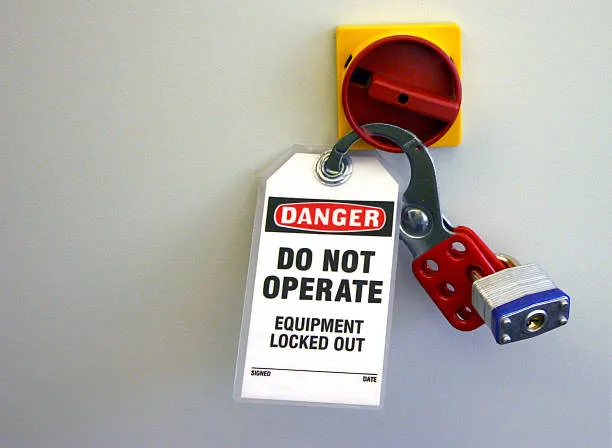
Safety hasps play a critical part in protecting workers by showing that machines are being fixed, and they’re not to be touched. These small but mighty tools let lots of people apply their safety locks at the same time, making team repairs safer. They come in different shapes so every workplace can pick what works best for them. Learning how to use these hasps right and keeping them in good shape is key to making sure they do their job well.
When we put lockout hasps together with other safety gadgets, they build a strong defence against unexpected energy bursts that can happen when fixing equipment. Join us as we explore how these simple devices provide powerful protection for your team. Discover the importance of each click as it secures safety across the workspace!
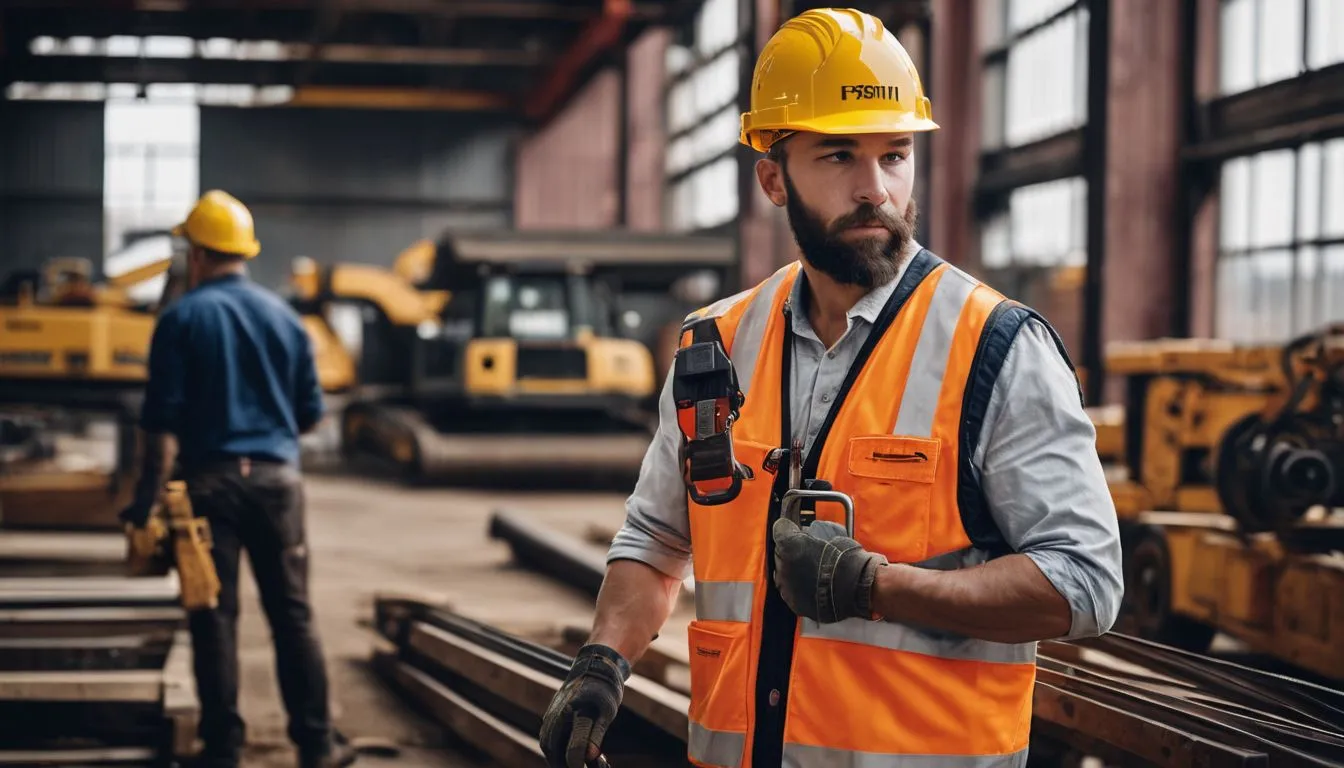
Understanding the Risks of Plant in the Workplace
Understanding the risks of plant in the workplace is crucial for ensuring the safety of workers and equipment. It involves following a code of practice for managing plant risks and implementing isolation procedures to prevent accidents and injuries.
Code of Practice for Managing Plant Risks
We take managing plant risks seriously, adopting a robust Code of Practice that outlines how to identify, assess, and control hazards. By following these guidelines, they ensure their equipment is secure and their workers are protected from the dangers associated with operational machinery.
This practice involves regular checks and rigorous protocols for both using and maintaining all plant on site.
Our focus extends beyond basic compliance; we aim for excellence in safety procedures. Isolation strategies play a key part in this approach. Next up: the importance of isolation procedures in keeping your team safe from harm during equipment maintenance and repair.
Importance of Isolation Procedures
Having understood the potential risks of plant in the workplace, it is essential to highlight the importance of isolation procedures. Isolation procedures are critical for ensuring energy source security and worker protection during maintenance or repair work on equipment.
By implementing proper lockout tagout procedures and using safety latches such as lockout hasps, businesses can effectively control hazardous energy and create a safer work environment for their employees.
Energy isolation devices play a crucial role in workplace safety measures by preventing unexpected energisation of electrical circuits and machinery. These procedures not only comply with regulatory requirements but also contribute to overall programme security and protection.
Use of Lockout Hasps
Lockout hasps play a pivotal role in the effective implementation of energy isolation procedures. These devices are instrumental in preventing accidental operation of machinery during maintenance, repair, or servicing.
By using lockout hasps, employees can securely lock out equipment, ensuring their safety while working on machines. This visual indication helps to communicate the status of locked-out equipment and is crucial for maintaining a safe work environment.
Furthermore, lockout hasps allow multiple workers to be locked out simultaneously with each worker holding their own padlock. This feature facilitates smooth workflow coordination during maintenance operations.
It’s essential that businesses provide adequate training on the proper use of lockout hasps and ensure regular inspection and maintenance to guarantee their reliability and effectiveness.
Types of Lockout Hasps
When it comes to lockout hasps, there are a few different options to choose from. Each type serves its own purpose and offers unique benefits for workplace safety. Let’s take a closer look at the various types available and how they can be used in your lockout program.
Master Lock Aluminium Lockout Hasp
Master Lock’s aluminium lockout hasp holds up to six padlocks, so the control cannot be turned on until the last worker’s padlock is removed.
Lockout Safety Aluminium Lockout Hasp
The Lockout Safety Aluminium Lockout Hasp is an essential tool for ensuring the safety of employees when working with hazardous energy sources. This durable and lightweight hasp allows multiple workers to lock out machinery, providing a visual indication that the equipment is isolated and inoperative.
Its robust aluminium construction ensures that it can withstand harsh industrial environments, making it a reliable choice for your lockout programme.
Using the Lockout Safety Aluminium Lockout Hasp in conjunction with other energy isolation devices enhances the effectiveness of your lockout programme, reducing the risk of accidents and injuries.
Benefits of Lockout Hasps in Workplace Safety
Lockout hasps provide a visual indication of lockout, allowing multiple workers to be locked out simultaneously and can be customised for specific needs. They are durable, easy to use, and play a crucial role in workplace safety programs.
Provides visual indication of lockout
Lockout hasps offer a visual clue that equipment is disconnected and under repair. This helps prevent accidental re-energising of machinery during maintenance, keeping workers safe from unexpected energy releases.
Using colour-coded hasps to indicate each worker or team’s lockout keeps the process organised and secure.
The bright colours of the lockout hasp serve as a clear signal that a machine is under maintenance, safeguarding employees against potential hazards. These visible indicators are crucial for effective lockout procedures.
Allows multiple workers to be locked out
Lockout hasps play a critical role in workplace safety by allowing multiple workers to be locked out during maintenance or repair work. This feature is particularly essential in industrial settings where various employees may need to service equipment simultaneously.
By using lockout hasps, each worker can apply their own padlock to the hasp, ensuring that the machinery remains isolated until all tasks are completed and it is safe for operations to resume.
This capability not only enhances efficiency but also helps prevent potential accidents caused by unintentional energization of equipment while personnel are still working on it. Implementing lockout hasps as part of your lockout program ensures that your workers have the necessary tools to safely carry out maintenance procedures, reducing the risk associated with hazardous energy control.
Can be customised for specific needs
Lockout hasps can be tailored to meet the unique safety requirements of different workplaces. This customisation may include specific labelling, colour-coding, or size adjustments to fit various lockout points and equipment.
By adapting lockout hasps to suit individual needs, businesses can enhance the effectiveness of their lockout programme and ensure compliance with safety regulations.
Business owners should consider consulting with safety professionals to determine the best customisation options for their lockout hasps. It is essential that these customisations align with the isolation procedures and overall safety measures in place within the workplace.
Durable and easy to use
Lockout hasps are designed to withstand the tough conditions of industrial environments, ensuring long-lasting durability. They are constructed from strong materials such as aluminium and steel, making them resistant to corrosion and wear.
This resilience allows the hasps to provide reliable protection for workers and equipment during lockout procedures, contributing to a safer workplace overall.
Additionally, these hasps feature user-friendly designs that make them easy to operate for employees at all levels. With intuitive mechanisms and clear labelling, they can be quickly and effectively employed in lockout situations without causing delays or confusion.
Best Practices for Using Lockout Hasps
Follow company procedures, conduct proper training for employees, regularly inspect and maintain hasps, and use hasps in conjunction with other lockout devices to ensure workplace safety.
To learn more about the crucial role of safety hasps in your lockout program, continue reading our blog.
Follow company procedures
Adhering to company procedures is essential for ensuring the safe and effective use of lockout hasps in your workplace. This includes following the specific guidelines outlined by your organisation, such as obtaining proper authorisation before implementing lockout/tagout procedures or understanding the steps for applying and removing lockout hasps correctly.
By strictly adhering to these procedures, you can maintain a consistently high level of safety across all operational areas.
Consistently following company procedures not only ensures compliance with industry standards but also fosters a culture of accountability and responsibility among employees. By establishing clear and comprehensive guidelines for using lockout hasps, businesses can effectively mitigate risks associated with equipment maintenance and repairs, ultimately creating a safer work environment for everyone involved.
Conduct proper training for employees
To ensure the effectiveness of Locksafe's lockout programme, we prioritise conducting proper training for all employees. Training sessions cover the correct usage of lockout hasps, including how to properly apply and remove them.
We also emphasise the importance of understanding isolation procedures and ensure that each team member comprehends their role in maintaining a safe work environment.
Regular refresher sessions are conducted to keep everyone up-to-date with any changes or improvements to Locksafe's lockout programme. These efforts contribute significantly to minimising workplace accidents and promoting a culture of safety across our entire organisation.
Regularly inspect and maintain hasps
To ensure the effectiveness of your lockout programme, it is vital to regularly inspect and maintain hasps. Conduct routine checks to identify any signs of wear, damage, or corrosion on the hasps.
This will help prevent any potential failures that could compromise the safety of your employees and the security of your equipment. Additionally, consider implementing a maintenance schedule that includes cleaning and lubricating the hasps to ensure smooth operation.
By staying proactive in inspecting and maintaining your lockout hasps, you can uphold a high standard of workplace safety and compliance with lockout/tagout regulations.
As part of our commitment to workplace safety, we advocate for regular inspections and maintenance of all lockout devices, including hasps. This approach not only enhances the overall effectiveness of your lockout programme but also demonstrates due diligence in safeguarding your workforce from hazardous energy sources.
Use hasps in conjunction with other lockout devices
When using lockout hasps, always utilise them in conjunction with other lockout devices for added security. This ensures that the equipment or machinery is effectively isolated from all potentially hazardous energy sources.
By combining hasps with locks, tags, and other isolation tools, you create a comprehensive safety system that minimises the risk of accidental re-energisation.
Integrating hasps with additional lockout devices further reinforces your commitment to workplace safety. It demonstrates a thorough approach to preventing unexpected start-ups and guarantees that maintenance work can proceed without endangering employees’ lives or causing equipment damage.
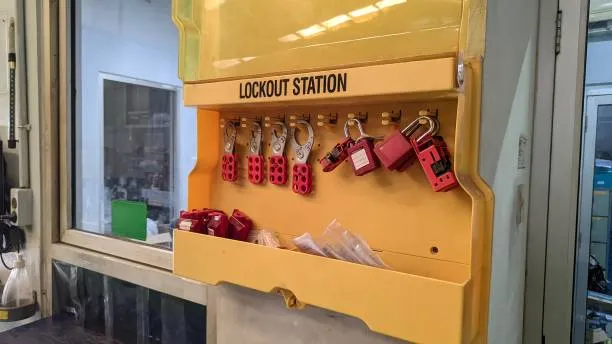
Conclusion
Safety hasps play a crucial role in any lockout programme. They provide a visual indication of lockout status and allow multiple workers to be locked out for increased safety. These practical and efficient tools are easy to use and can be customised for specific needs. Implementing best practices such as regular inspection and proper training will lead to significant improvements in workplace safety.
Reiterating the immense value of safety hasps in your lockout program, seize the chance to enhance your safety strategy. Connect with WorkSafe Lockout for your safety hasp needs today. Business owners can explore additional resources to further enhance their lockout programmes, ensuring a safer work environment for all employees.
Sorting out lockout for your own site?
Describe what needs isolating and we'll help you work out the setup that fits.