
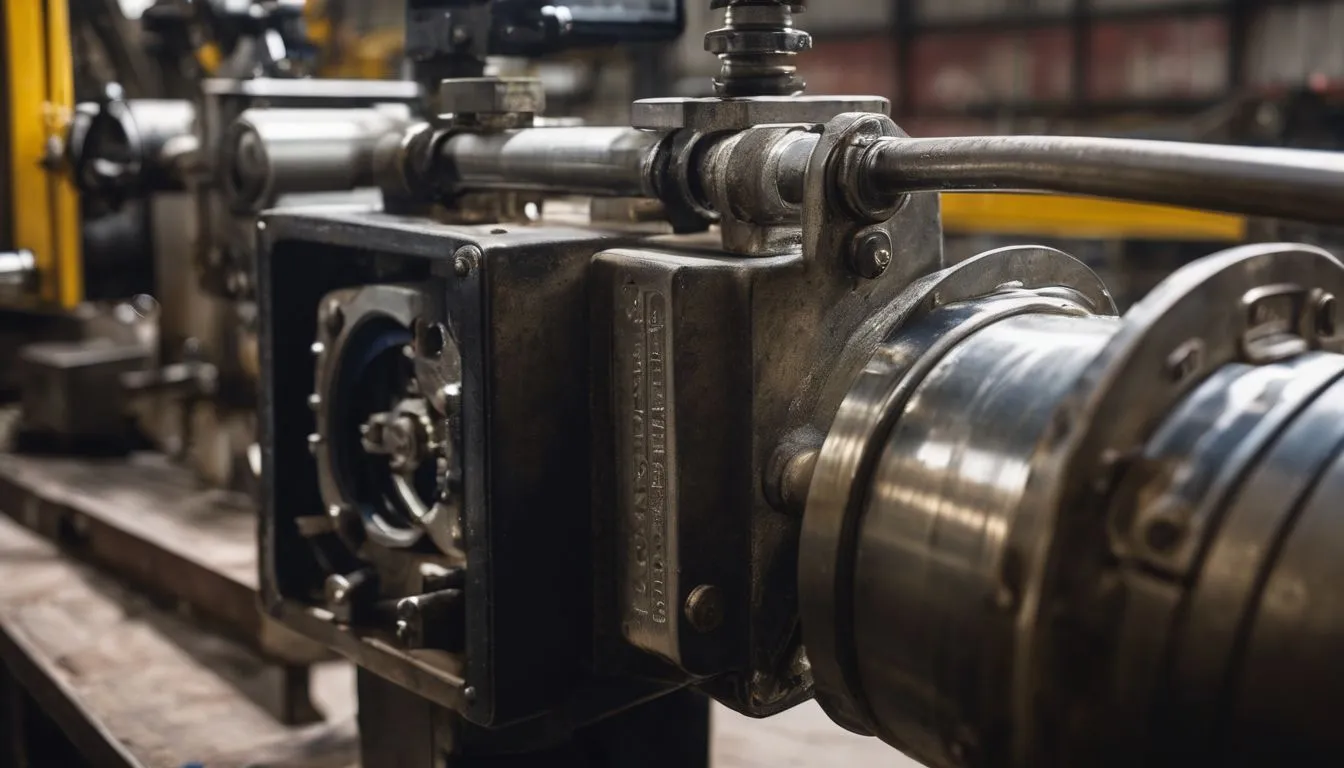
Navigating the aftermath of a workplace kerfuffle due to shonky machinery lockdown is the stuff of nightmares for any Aussie business owner. We totally get the gut-wrenching worry when it comes to keeping your team safe from harm; I mean, work mishaps and tragedies are bleeding Australia dry, to the tune of many billions of dollars a year – strewth! Our yarn here lays out all the nitty-gritty steps and gear you’ll need for setting up a ripper lockout tagout system that’s as solid as a rock. So don’t leave safety up to good old-fashioned luck; slap on those locks!
Understanding Lockout Tagout
Lockout tagout is a crucial procedure in ensuring employee safety when working with machinery and hazardous energy sources. It involves the use of lockout safety locks and tagout devices to prevent unexpected startup of equipment during maintenance or servicing.
Understanding the importance, differences, and HSE standards for lockout tagout can significantly enhance workplace safety.
Definition and purpose
Lockout Tagout, often abbreviated as LOTO, is a critical safety procedure designed to protect their employees from the unexpected energisation or start-up of machinery and equipment during maintenance or servicing.
By effectively locking out control points such as electrical circuits, we neutralise potentially hazardous energies that could cause harm. The purpose of this vital protocol is clear: it serves to prevent accidents and injuries by ensuring all energy sources are isolated before any work begins.
We implement Lockout Tagout to safeguard not just those directly involved in operations but also other workers who might be present in the vicinity. This process involves using devices like lockout safety locks and tagouts which signal that equipment is currently off-limits for operation.
It’s about creating a safe environment where hazardous energy sources, including electricity, hydraulic pressure and mechanical power, are controlled with precision. Our commitment here establishes workplace security while complying with industry standards set by organisations like OSHA.
Importance for employee safety
Ensuring employee safety is paramount in any workplace. By implementing proper lockout tagout procedures, employees are protected from hazardous energy sources during equipment maintenance and servicing.
This helps to prevent injuries caused by unexpected machinery activation, electrical shocks, or release of stored energy. Compliance with safety protocols not only reduces the risk of accidents but also fosters a culture of occupational safety within the organisation.
Implementing lockout tagout procedures safeguards workers and aligns with industrial safety regulations. Addressing hazards in specific industries mitigates risks and enhances employee protection during the maintenance shutdown process.
Difference between lockout and tagout
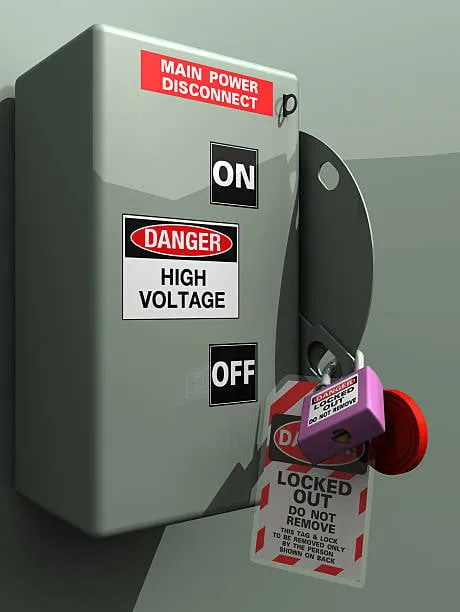
Given the importance of employee safety, it’s essential to understand the difference between lockout and tagout procedures. Lockout involves physically securing energy-isolating devices in their “off” or “safe” position to prevent accidental activation, whereas tagout primarily uses tags and warning signs to communicate that machinery or equipment is undergoing maintenance work and should not be operated.
While both are crucial for safeguarding workers, lockout provides a physical barrier against accidental energizing of machinery, while tagout serves as a visual warning. Understanding these distinctions is vital for implementing effective safety measures within the workplace.
When it comes to machinery shutdown practices, knowing when to use lockout versus tagout can make a critical difference in preventing accidents and ensuring compliance with safety protocols.
OSHA standards and exceptions
OSHA sets the standards for lockout tagout procedures to ensure that employees are protected from hazardous energy sources during maintenance or servicing of machinery. These standards outline specific steps and requirements for implementing effective safety protocols, such as using energy isolating devices like lockout safety locks to prevent accidental start-up of equipment.
However, there are exceptions under certain circumstances where lockout tagout may not be feasible, such as when it poses a greater risk to workers’ safety than performing the task with machine power.
Understanding OSHA standards and exceptions is crucial for ensuring workplace safety and compliance. It’s essential to regularly review these standards and exceptions while also seeking professional guidance if uncertainties arise in specific work environments or situations.
Common devices used
Lockout safety locks are integral for maintaining worker safety. Here are some common devices used in lockout tagout procedures to ensure machinery and electrical circuit safety:
- Safety padlocks: These specially designed padlocks are a fundamental part of the lockout tagout process, ensuring that only authorised personnel can access the locked-out equipment.
- Lockout hasps: These devices allow multiple workers to lock out a single energy source, enhancing safety during maintenance operations on machinery or electrical circuits.
- Circuit breaker lockouts: These fit over circuit breakers to prevent them from being turned on unintentionally, effectively securing the power supply during maintenance.
- Valve lockouts: Designed to secure various types of valves, these devices provide a physical barrier that ensures the valve cannot be operated until maintenance is complete.
- Plug and switch lockouts: These devices prevent plugs and switches from being activated while equipment is under maintenance, safeguarding against accidental start-ups.
- Ball valve locks: This type of lock is specifically designed to fit over ball valves, preventing accidental operation during maintenance activities.
The Lockout Tagout Procedure
Implementing a lockout tagout procedure is crucial for ensuring the safety of employees when working with hazardous machinery. It involves specific steps that need to be followed to effectively isolate and control energy sources, ultimately preventing any unexpected startup or release of stored energy.
Importance of having a procedure
It is crucial to have a clear and comprehensive lockout tagout procedure in place to ensure the safety of employees and compliance with regulatory standards. A well-defined procedure provides a systematic approach for isolating energy sources, preventing accidental activation of machinery, and safeguarding workers during maintenance or servicing activities.
This not only minimises the risk of workplace accidents but also promotes efficiency by providing guidelines that help avoid costly downtime. Additionally, having a documented lockout tagout procedure demonstrates your commitment to protecting your workforce and creating a safe working environment.
Implementing an effective lockout tagout procedure reduces the potential for serious injuries caused by unexpected equipment start-up or release of hazardous energy, thereby increasing productivity while maintaining employee welfare as a top priority.
Steps to follow
To effectively implement lockout tagout procedures, there are specific steps that need to be followed:
- Identify the energy source: Determine the type and sources of energy that need to be controlled before starting the lockout process.
- Notify affected employees: Inform all employees who may be affected by the lockout and tagout procedure and explain the reason for it.
- Shut down equipment: Turn off the machinery or equipment using established procedures.
- Isolate energy sources: Ensure all sources of hazardous energy are isolated and blocked to prevent any unexpected release.
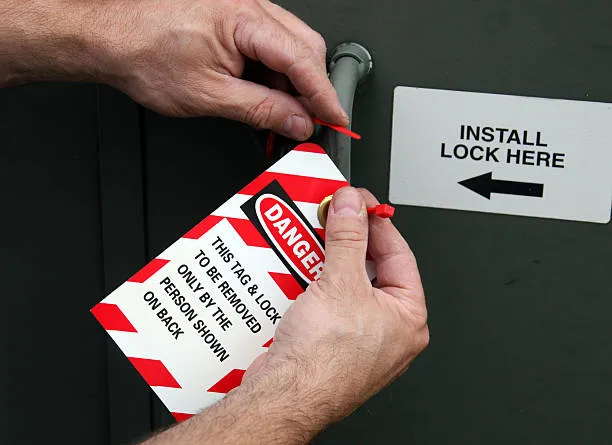
- Apply the locks and tags: Securely lock and label each energy isolation device with individualised locks and tags.
- Verify isolation: Double-check to ensure that all forms of hazardous energy have been effectively isolated before maintenance or servicing operations begin.
- Handling situations when employees are unavailable
Handling situations when employees are unavailable
After establishing the lockout tagout procedure and understanding the steps to follow, it is crucial to consider how to handle situations when employees are unavailable. Here are some practical strategies for addressing this scenario:
- Designate backup staff who are trained in lockout tagout procedures and capable of taking over responsibilities in case of employee unavailability.
- Implement a clear communication protocol for informing designated replacements about ongoing lockout tagout processes and their roles in continuing the procedure.
- Develop contingency plans for emergency situations where key employees may be absent, ensuring that there are always qualified individuals available to maintain safety protocols.
- Utilise technology such as automated alerts and notifications to ensure that any changes or handovers in lockout tagout procedures are promptly communicated to all relevant personnel.
- Regularly review and update the list of backup staff, ensuring that there is always adequate coverage for potential absences among trained personnel.
Establishing a Lockout Tagout Programme
When establishing a Lockout Tagout Programme, communication and training are essential for ensuring that employees understand the procedures and their importance. Regular inspections and the use of LOTO safety software can help to streamline the process and maintain compliance with safety regulations.
Communication and training
Ensuring effective communication and regular training for all employees are crucial elements of a successful lockout tagout programme. It’s important to emphasise the significance of proper communication channels and training sessions to ensure that all workers are well-informed about lockout tagout procedures. Here are the ways to maintain effective communication and training in your workplace:
- Hold regular safety meetings to discuss lockout tagout procedures, including updates or changes.
- Provide comprehensive training sessions for all employees involved with machinery in compliance with OSHA standards.
- Utilise visual aids such as posters, signs, and videos to reinforce key safety messages.
- Encourage open communication between management and staff regarding any concerns or feedback related to lockout tagout practices.
Regular inspections and creating an inspection checklist
- Schedule regular inspections of all lockout tagout equipment and procedures.
- Conduct thorough examinations of machinery and tools to ensure compliance with safety standards.
- Create an inspection checklist that covers all essential components of the lockout tagout process, including locks, tags, and procedures.
- Train designated employees on how to perform comprehensive inspections according to the checklist.
- Document all inspection findings and make necessary adjustments to enhance safety protocols.
The use of LOTO safety software and templates
Implementing LOTO safety software and templates simplifies the process of creating, managing, and updating lockout tagout procedures. This type of software provides a centralised platform for storing all necessary documentation, including equipment lists, energy control procedures, and employee training records.
Templates within the software offer standardised formats for creating clear and concise lockout tagout documents, ensuring that no crucial details are overlooked. Additionally, this technology can send automated reminders for equipment inspections or procedure updates, helping to maintain compliance with safety regulations while enhancing overall efficiency in safeguarding workers.
Integrating LOTO safety software into your lockout tagout programme streamlines communication between team members involved in implementing and maintaining lockout tagout procedures.
These tools support regular collaboration by providing a shared space to upload new documents or share important information about machinery safety precautions across various departments.
Ensuring Compliance and Safety
Consistently enforcing lockout tagout procedures and performing regular audits are crucial for ensuring the safety of workers. To learn more about safeguarding your employees with the wonders of lockout safety locks, continue reading our blog.
Consistently enforcing lockout tagout procedures
Consistently enforcing lockout tagout procedures is crucial to maintaining a safe work environment. Regular checks and audits help to ensure that employees are following the correct procedures, minimising the risk of accidents and injuries.
By integrating lockout tagout into regular safety training programmes and conducting frequent inspections, businesses can effectively reinforce the importance of compliance with these critical safety measures.
To enhance workplace safety further, it’s essential for businesses to stay updated on industry-specific hazards and continuously evaluate their lockout tagout practices. This proactive approach can lead to a more robust safety culture, reducing incidents and protecting both employees and the business itself from potential harm or financial repercussions.
Performing audits and maintaining documentation
Performing audits and maintaining documentation is crucial for ensuring the effectiveness of the lockout tagout programme. It helps in identifying any gaps or areas for improvement, and ensures that the procedures are being followed correctly.
- Regularly scheduled audits help in assessing the overall adherence to lockout tagout procedures and identifying any deviations from the standard protocol.
- Maintaining comprehensive documentation provides a record of all lockout tagout activities, serving as evidence of compliance during regulatory inspections or internal reviews.
- Documentation should include details such as equipment involved, employees responsible, specific procedures followed, and any issues encountered during the process.
- Ensure that audit findings are shared with relevant stakeholders, allowing for necessary adjustments to be made to improve safety measures.
- Continuous monitoring and updating of documentation is essential to reflect any changes in equipment, procedures, or regulations.
Importance of proper ergonomics and risk assessments
Transitioning from maintaining documentation and audits, we understand the significance of proper ergonomics and risk assessments in ensuring workplace safety. Proper ergonomics are vital for preventing musculoskeletal disorders and promoting employee well-being.
Assessing risks within the work environment is crucial for identifying potential hazards and implementing measures to mitigate them effectively.
Investing in ergonomic equipment such as adjustable desks and chairs can significantly reduce strain on employees’ bodies, minimising the risk of long-term injuries. Regular risk assessments allow us to proactively address any potential dangers present in the workplace, creating a safer environment for all employees.
Addressing hazards in specific industries
Transitioning from the importance of proper ergonomics and risk assessments, let’s delve into addressing hazards in specific industries. Not all workplaces are created equal, and each industry comes with its unique set of potential risks and safety concerns.
For instance, the mining sector faces challenges related to working at heights, heavy machinery operation, explosive materials handling, and confined spaces. On the other hand, manufacturing facilities need to address issues such as machine guarding, chemical exposure, noise levels, and ergonomic strains.
Identifying industry-specific hazards is crucial for developing tailored lockout tagout procedures that comprehensively address these risks.
In addition to these examples of mining safety or general industrial safety guidelines around Lockout TagOut (LOTO), it’s important for business owners to conduct thorough hazard assessments that consider the specific requirements of their respective industries.
Conclusion
We have discussed the importance of lockout tagout procedures in safeguarding workers. The strategies provided are practical and efficient, ensuring a safer work environment. How can you implement these procedures in your workplace to enhance employee safety? Have you considered the impact of implementing robust lockout tagout programs on reducing workplace accidents? Exploring further resources can deepen your understanding and improve workplace safety measures. Let’s take proactive steps to safeguard our workers with effective lockout safety locks.
Sorting out lockout for your own site?
Describe what needs isolating and we'll help you work out the setup that fits.