


Every business knows the drill when it comes to keeping the workplace safe – no easy feat, especially with all that hazardous energy about. We’ve walked a mile in your steel-toecap boots, wading through endless safety protocols and figuring out that good old lockout tagout (LOTO) practices are the real deal for dodging mishaps.
Our yarn today unwraps the nitty-gritty of Lockout Tagout systems – they’re straightforward but mighty effective at protecting your team from a nasty surprise during equipment maintenance.
So, let’s get cracking and unlock a few trade secrets to make your job site as safe as houses!
Understanding Lockout Tagout (LOTO)

The Importance of LOTO in Workplace Safety cannot be overstated. It is a crucial procedure for preventing accidents and protecting employees from hazardous energy sources. Understanding the difference between Lock Out and Tag Out is essential for implementing an effective LOTO programme.
The Importance of LOTO in Workplace Safety

Lockout Tagout (LOTO) keeps our team safe by controlling hazardous energy during equipment maintenance and service. Imagine a world where unexpected activations are a thing of the past, thanks to LOTO procedures that secure energy sources like electricity, hydraulics, or pneumatic systems.
This isn’t just about compliance; it’s about creating an environment where everyone returns home safely at the end of the day.
Our commitment to LOTO is fundamental in fostering a culture of safety within our business. It dramatically reduces risk and prevents accidents, ensuring that operations resume without injury or damage.
By investing in proper lockout tagout practices, they not only protect their team members but also safeguard the longevity and efficiency of their machinery, keeping their business ahead in both safety and performance.
Difference between Lock Out and Tag Out

Lock out and tag out are both crucial parts of our safety protocol, but they have distinct functions. Locking out is the process we use to physically secure an energy isolating device with a lock, ensuring that equipment cannot be energised until the lock is removed.
This method offers strong physical restraint and can only be unlocked by the key holder who applied it. Meanwhile, tagging out involves attaching a warning tag to an energy isolating device.
These tags alert everyone that machinery should not be operated until the tag is officially removed following maintenance or repairs.
We ensure every team member understands that while tags provide clear warnings and comply with safety procedures, they don’t physically block power like locks do. Tags are more about communication; they speak up about potential danger but without providing a tangible barrier against accidental activation of equipment as lockout devices do.
By incorporating these strategies into our everyday practices, we create a safer environment where accidental startup is preventable.
Moving onto ‘Key Elements of a LOTO Procedure‘, let’s explore how combining both locking and tagging enhances workplace security even further.
Key Elements of a LOTO Procedure

The key elements of a LOTO procedure include the energy isolating device, lockout device, and tagout device. These components work together to ensure that equipment is properly shut down and hazardous energy sources are safely controlled during maintenance or servicing.
Energy Isolating Device

An energy isolating device plays a crucial role in any lockout tagout procedure. We use it to ensure machines are completely shut off and cannot release hazardous energy whilst maintenance is performed.
These devices might be valves, switches, or breakers, designed specifically to keep workers safe during equipment shutdown.
They recognise that each piece of machinery has its own unique requirements for energy isolation. That’s why we must carefully select the appropriate device that matches our needs – whether it’s securing against electrical surges or preventing a sudden release of mechanical power.
By investing in the right type of energy isolating device, we provide an essential layer of protection for everyone on the shop floor.
Lockout Device

Lockout devices are essential tools that physically secure an energy-isolating device. A strong lockout device can withstand extreme conditions and prevent accidental reactivation, ensuring that equipment remains inert during maintenance or repair work.
These devices come in various shapes and sizes to fit different types of machinery and valves, from large power switches to tiny circuit breakers. We choose robust padlocks designed for industrial use that resist tampering, corrosion, and other wear-and-tear conditions.
In our safety protocols, we prioritise the application of these locks as part of a comprehensive lockout tagout procedure. Our team members are trained extensively on how to select the right lockout device for each situation.
They understand the importance of securing equipment against unexpected energisation or startup – because one small oversight could have significant consequences. With every machine shutdown for servicing, we apply these trusted mechanisms without fail; it’s a fundamental step towards achieving zero accidents in our workplace.
Tagout Device

Tagout devices are crucial in Locksafe's lockout tagout procedure, acting as warning signs that tell everyone there’s dangerous energy lurking and maintenance underway. These brightly coloured tags grab attention with bold warnings like “Do Not Operate” or “Danger,” making sure no one accidentally re-energises the equipment.
They’re your last line of defence, hanging on to machines after we’ve isolated their power sources with lockout devices.
We place these tags strategically where they can’t be missed, on switches, valves, or control panels. It’s not just about slapping on a label; it’s ensuring it withstands tough industrial environments and communicates vital information like why the lockout is in place and who authorised it.
This way, our safety culture thrives by keeping each other informed and aware of potential hazards during routine operations or emergencies.
Steps of Lockout Tagout Procedure

- Notify all affected employees that a lockout is going to take place. Clear communication is vital for safety and preparedness.
- Identify all sources of energy connected to the equipment, including electrical, mechanical, hydraulic, and others.
- Turn off the equipment following the established shutdown procedure to ensure stability and no unexpected incidents.
- Isolate each energy source using appropriate energy isolating devices such as circuit breakers or line valves.
- Lock each energy isolating device in the off position with assigned individual padlocks or group lock boxes specific to our team members.
- Attach tagout devices next to lockout devices to provide a visible warning with details about the service work being done.
- Ensure that all stored or residual energy within the equipment is safely discharged or restrained before starting work.
- Verify isolation by trying to activate the machinery without any power source connected; this checks that it’s correctly locked out.
- Perform necessary maintenance or service work on the equipment while it remains in an isolated state protected by locks and tags.
The Role of LOTO in Business Safety
A clearly defined and communicated LOTO policy, frequent audits, and enforcing documentation are essential for a safer workplace. Learn more about the importance of lockout safety locks in business safety.
Clearly Defined and Communicated LOTO Policy

Having a clear and well-communicated Lockout Tagout (LOTO) policy is the cornerstone of preventing accidents in our workplaces. It is the responsibility we share to establish rules that are easily understood and consistently followed by every team member.
Our LOTO policy lays out step-by-step instructions on how to effectively isolate hazardous energy during equipment maintenance or shutdowns. This core safety protocol ensures not just compliance with workplace safety regulations but also actively safeguards our employees from harm.
We take extra steps to ensure this critical information reaches everyone, adapting training methods for diverse learning styles. Regular meetings, hands-on demonstrations, and accessible written materials all play a part in ingraining these practices into our daily routines.
Our commitment goes beyond just having procedures on paper; it’s about creating an environment where safety culture thrives through clear communication and shared vigilance against potential risks.
Frequent LOTO Audits

Frequent LOTO audits ensure ongoing compliance with safety protocols and identify any potential shortcomings. To maintain a secure workplace, business owners should conduct regular LOTO audits to uphold safety standards and prevent accidents. Here are the key aspects to focus on during frequent LOTO audits:
- Inspect all energy isolating devices to verify their functionality and effectiveness in isolating hazardous energy sources.
- Review the usage and condition of lockout devices to ensure they are in good working order and properly utilised by employees.
- Examine tagout devices for clarity, completeness, and accuracy of the information provided to warn employees against energising equipment under maintenance or repair.
- Assess the clarity of communication regarding the lockout tagout procedure among employees, confirming that they understand their roles and responsibilities.
Enforcing LOTO Documentation

Regularly reviewing and enforcing LOTO documentation is crucial in maintaining a safe work environment. Ensuring that employees follow established lockout tagout procedures not only prevents accidents but also fosters a culture of safety within your business.
By regularly auditing and reinforcing the importance of LOTO documentation, you empower your team to take ownership of their safety while working with hazardous energy sources.
Consistently upholding LOTO protocols through thorough documentation enforcement signals to employees that their well-being is a top priority. It instils confidence in them knowing that the necessary measures are in place to protect against potential hazards, ultimately contributing to a more secure and harmonious workplace.
Lockout Tagout Devices and Their Benefits
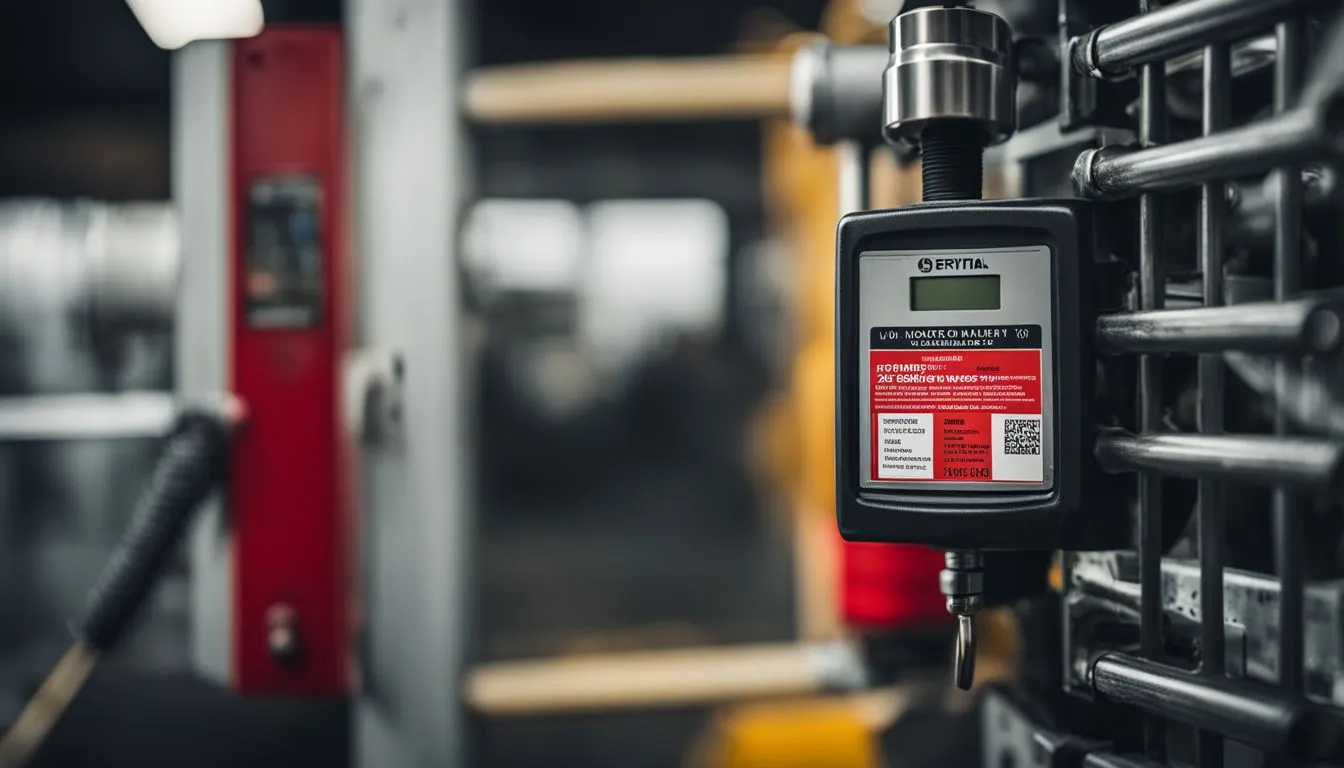
Lockout tagout devices such as padlocks, reusable cable lockouts, and gate valve lockouts provide a reliable way to prevent accidental equipment start-ups while maintenance work is being carried out.
These devices offer enhanced safety measures in the workplace and contribute to effective hazard prevention.
Padlocks & Hasps

Padlocks and hasps are essential tools in a robust lockout tagout (LOTO) procedure. These devices provide physical barriers to prevent the accidental release of hazardous energy during equipment maintenance or servicing.
Padlocks, with their solid construction and key-controlled access, offer a reliable means of securing energy isolating devices. Hasps, on the other hand, enable multiple workers to affix their padlocks to a single isolation point, facilitating clear identification of who is involved in the LOTO process.
By investing in high-quality padlocks and hasps, businesses can ensure that they have the necessary components for an effective lockout system, promoting workplace safety and preventing potential accidents.
Deploying sturdy padlocks and hasps is crucial to maintain a safe work environment when dealing with hazardous energy sources. These simple yet indispensable tools play a pivotal role in controlling risk factors associated with machinery or equipment maintenance activities within any industrial setting.
Reusable Cable Lockouts

When securing machinery and equipment during maintenance, using reusable cable lockouts provides a versatile and reliable solution. These lockouts can be easily adjusted to fit different types of energy isolating devices like valves, circuit breakers, or switches.
With their flexible steel cable, they offer a secure way to prevent the re-energising of equipment by providing a visible barrier that can accommodate multiple padlocks.
By incorporating reusable cable lockouts into your Lockout Tagout (LOTO) procedure, you create an added layer of security for your employees while also ensuring compliance with safety regulations.
Group Lock Boxes
Now let’s discuss group lock boxes, a vital component of a comprehensive lockout tagout (LOTO) procedure. Group lock boxes provide an efficient way to manage multiple energy isolation points during maintenance or repair work.
By allowing authorised employees to secure their personal padlocks onto the group lock box, this device safeguards against the accidental re-energisation of equipment and machinery.
This ensures that only the personnel who installed their locks can remove them, preventing hazardous energy from being restored prematurely.
Group lock boxes also foster smoother coordination among workers by centralising control over energy sources. They enhance safety practices and streamline procedures for multi-person tasks involving complex LOTO requirements.
Gate Valve Lockouts
Gate valve lockouts are essential for ensuring the safety of your employees when dealing with energy-isolating devices. These lockout devices effectively prevent the opening of gate valves, thereby reducing the risk of accidental release of hazardous energy.
By implementing gate valve lockouts as part of your lockout tagout procedure, you establish a crucial barrier against potential workplace accidents. Utilising these devices not only complies with safety regulations but also fosters a culture of employee protection and hazard prevention within your workplace.
Gate valve lockouts serve as a practical solution for securing gate valves during maintenance or repair work, providing an additional layer of security to your industrial locks system.
Championing the Lockout Safety Lock Revolution: Making Workplaces Safer

Implementing the Lockout Safety Lock Revolution in workplaces can significantly enhance employee protection and industrial safety measures. By integrating advanced lockout tagout devices like padlocks, hasps, reusable cable lockouts, and group lock boxes, businesses can effectively control hazardous energy sources and prevent workplace accidents.
This comprehensive approach not only fosters a robust safety culture but also ensures equipment shutdown during maintenance or repair activities.
Incorporating a proactive safety programme with clearly defined LOTO procedures and frequent audits is critical to championing this revolution. Embracing modern lockout systems and gate valve lockouts further contributes to minimising risks while prioritising occupational health across various industries.
By advocating for these measures, business owners align their organisations with stringent safety protocols and establish a secure work environment for all employees.
Conclusion
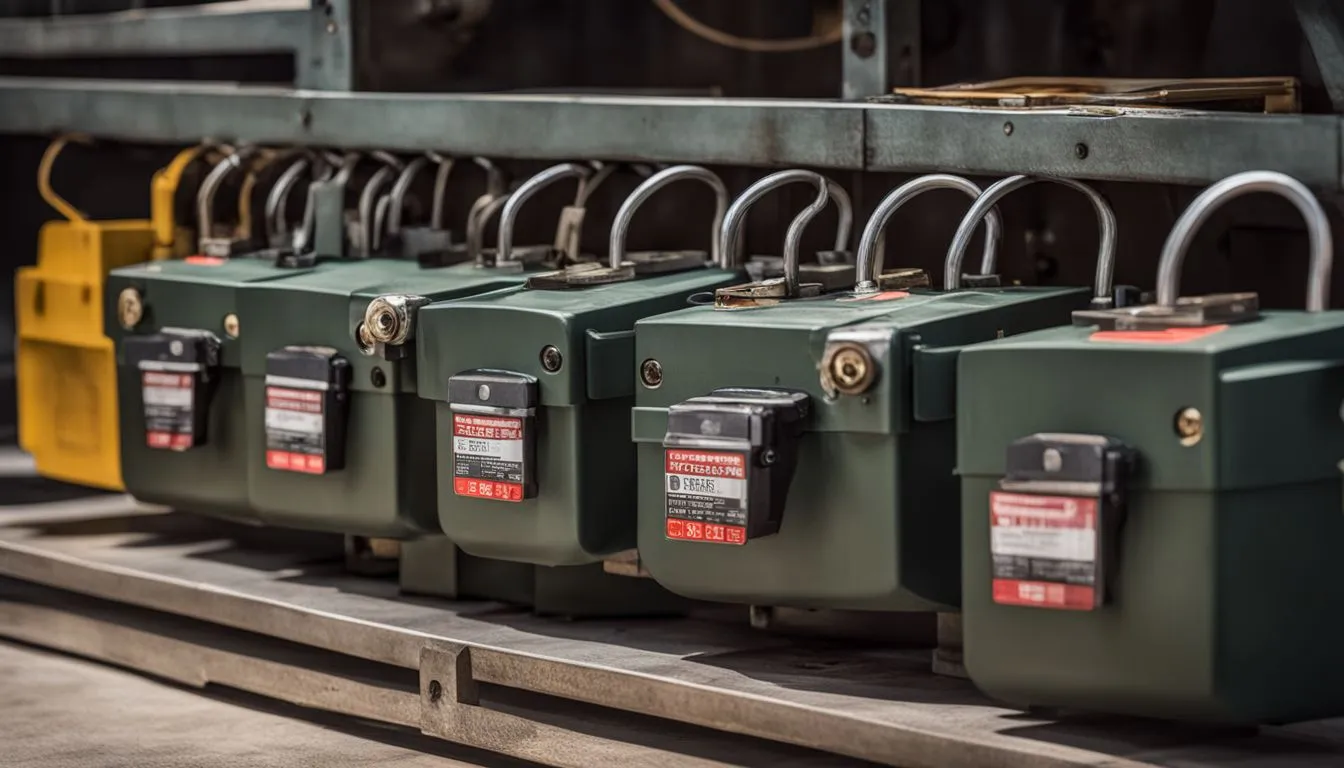
In conclusion, adopting a robust lockout tagout procedure is an essential part of cultivating a safety-conscious workplace culture. By implementing clear LOTO policies and conducting regular audits, businesses can effectively mitigate potential hazards posed by hazardous energy sources.
The use of innovative lockout safety locks such as padlocks & hasps, reusable cable lockouts, and group lock boxes significantly enhances equipment shutdown processes. Are you ready to champion the Lockout Safety Lock revolution in your workplace? Let’s work together to create a safer environment for all employees!
Discover how to be a leader in occupational health and wellbeing by championing the lockout safety lock revolution in your workplace.
Sorting out lockout for your own site?
Describe what needs isolating and we'll help you work out the setup that fits.