
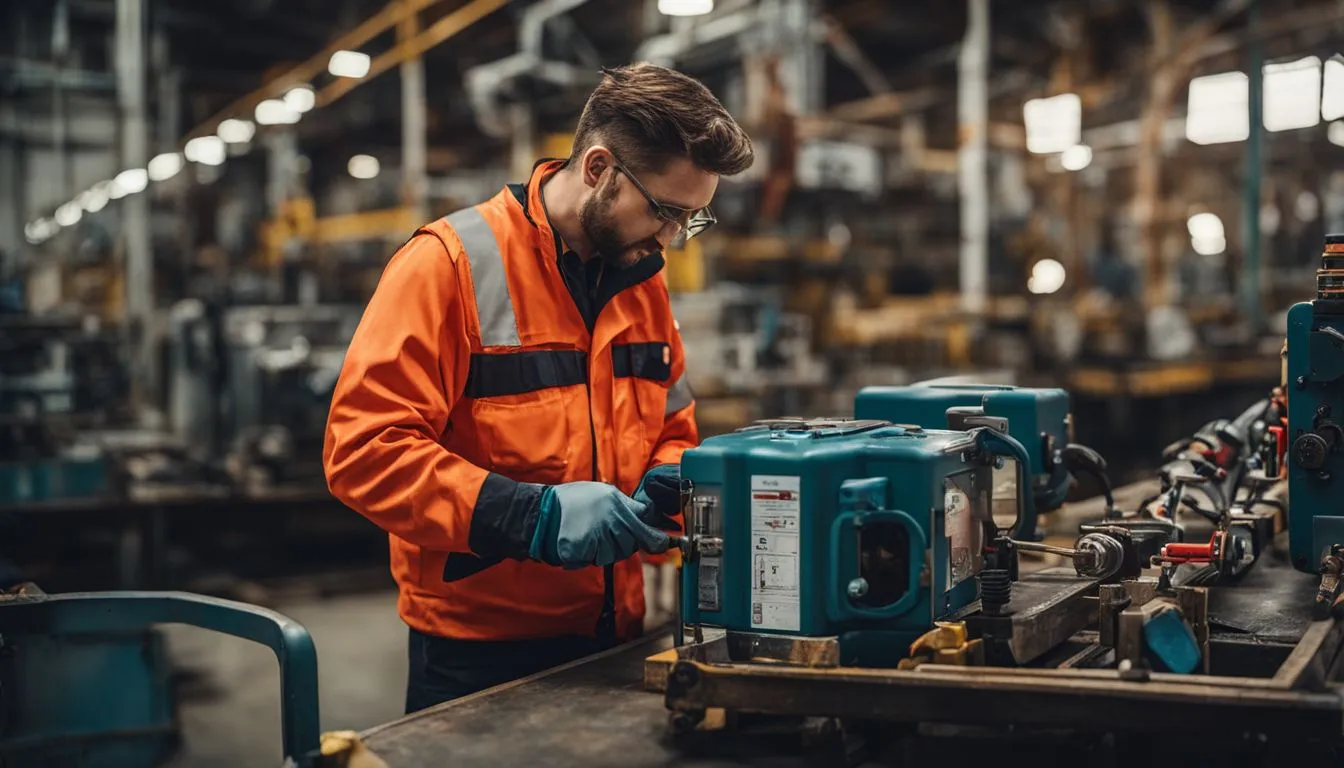

They all know too well how critical it is to keep safety and quality front of mind in manufacturing. It’s a tough gig, working through the nitty-gritty to keep those high standards up.
After diving deep into research, they found that having a solid plan for quality makes a massive difference not just in the durability of products but also in keeping the workplace safer than ever.
This piece will walk you through Locksafe’s commitment to top-notch manufacturing practices and why it’s a game-changer for both businesses and homeowners. So, stick around – you’re about to get some insights that could very well change your views on what true quality and safety look like.
Fair dinkum, it’s going to be an eye-opener!
Overview of Locksafe’s Manufacturing Process
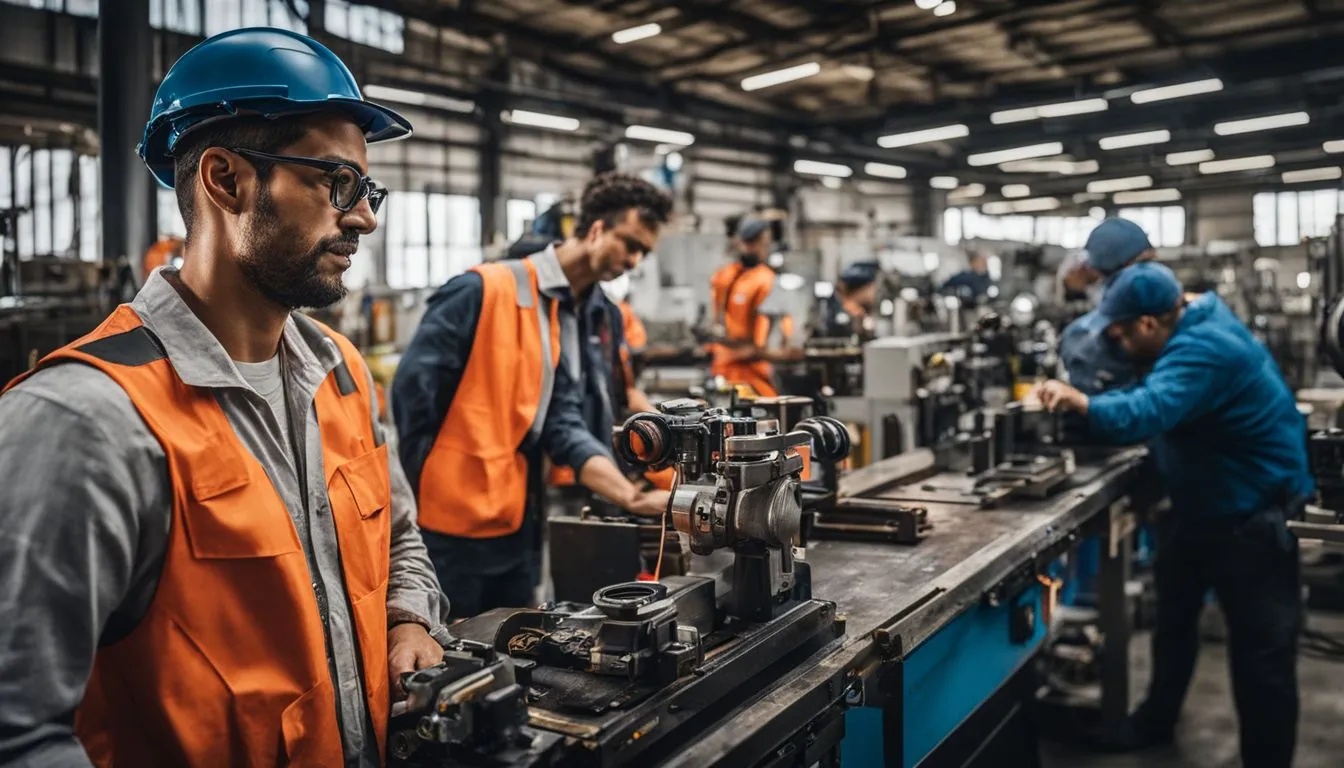
Locksafe’s manufacturing process involves a comprehensive equipment inventory and strict procedures for lockout and tagout, ensuring the safety and quality of their products. This includes a clear policy and procedures, which are periodically reviewed and updated to meet evolving manufacturing standards.
Equipment Inventory
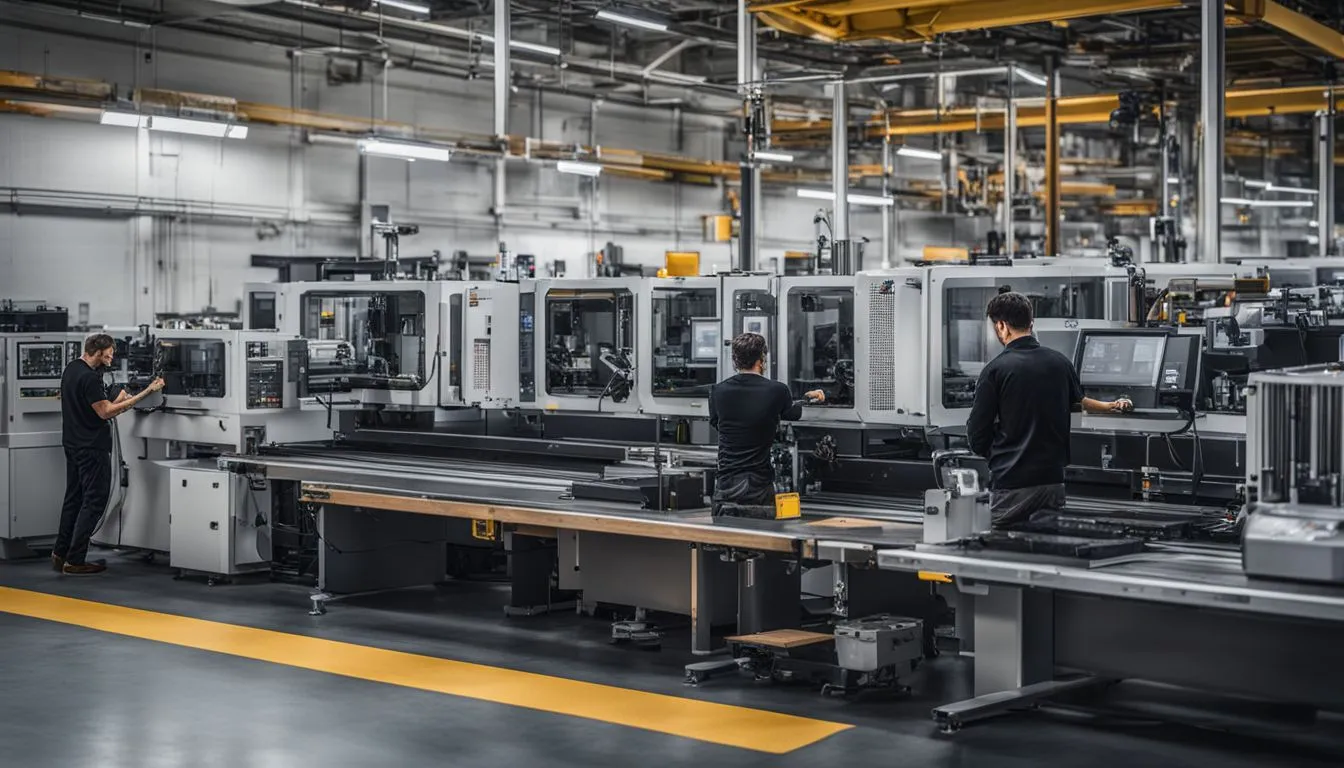
They maintain an impressive inventory of machinery and equipment to ensure their manufacturing process meets the highest quality standards. Each piece plays a critical role in crafting Locksafe products that homeowners and business owners rely on for security and durability.
- CNC Machines: Their computer numerical control machines precision-cut metal components, ensuring each part fits seamlessly into their lock assemblies. This accuracy prevents malfunctions and enhances physical safety.
- Laser Cutters: They use state-of-the-art laser cutters for intricate designs, allowing for precise cuts without compromising the metal’s integrity. This precision contributes to the exceptional quality of their locks.
- Powder Coating Booths: The booths apply a durable finish to their products, providing resistance against corrosion and wear. Powder coating also improves the product’s aesthetic appeal while ensuring environmental responsibility through reduced volatile organic emissions.
- Automated Assembly Lines: These lines assemble components efficiently, reducing human error and maintaining consistent quality across all products. The use of robotic technology ensures each lock meets stringent quality control standards.
- Testing Labs: Their labs rigorously test each product for durability, stress points, and functionality under simulated wear conditions. This approach to preventative maintenance guarantees reliability and safety standards are met.
- Packaging Stations: They are designed with safety and preservation in mind, using materials that protect the product during shipping while minimising environmental impact.
- Lockout-Tagout Kits: Essential for ensuring workplace safety during maintenance, these kits contain devices that prevent machinery from being accidentally energised, protecting workers from harm.
- Quality Control Stations: Equipped with advanced diagnostic tools, these stations perform final checks on every product before it leaves their facility, confirming compliance with national quality standards.
Each tool and machine in their inventory reflects their commitment to manufacturing excellence, workplace safety, and customer satisfaction through adherence to nationally recognised standards.
Procedures for Lockout and Tagout
At Locksafe, they prioritise safety and efficiency in every aspect of their manufacturing process. Adhering to stringent quality and safety standards is at the heart of their operations, especially when it comes to lockout and tagout procedures.
- Identify all equipment needing maintenance: They start by making a careful inventory of all machinery requiring servicing or repairs. This step ensures no equipment is accidentally powered on during maintenance, protecting their workers from potential harm.
- Communicate with affected employees: Before initiating lockout and tagout, they inform everyone in the vicinity. This communication prevents accidental startup or use while maintenance is underway.
- Shut down machinery properly: Each piece of equipment has a specific shutdown procedure designed to minimise risk. They follow these guidelines meticulously to ensure complete safety.
- Isolate energy sources: Detaching electrical, mechanical, chemical, and thermal energy sources from machinery is crucial. Their team uses designated lockout devices to secure these power sources effectively.
- Apply lockout and tagout devices: Only authorised personnel attach locks and tags to energy-isolating devices. These indicate that the machinery is under maintenance and should not be operated.
- Verify isolation: After applying locks and tags, they double-check that all energy sources are truly isolated. This step might involve testing controls or attempting to start up machinery to confirm it remains non-operational.
- Perform necessary maintenance or servicing: With the assurance that machines are securely isolated, their skilled technicians proceed with their tasks confidently and safely.
- Remove lockout/tagout devices: Once work is complete and inspected for quality assurance, only the individual who placed the lock performs its removal – ensuring a controlled process for returning equipment to service.
Their commitment extends beyond just meeting compliance requirements; it’s about fostering an environment where physical safety is paramount, because at Locksafe, ensuring worker security and delivering superior products go hand in hand through rigorous adherence to manufacturing standards and workplace safety practices in every task they undertake.
Role of Quality Standards in Locksafe’s Manufacturing
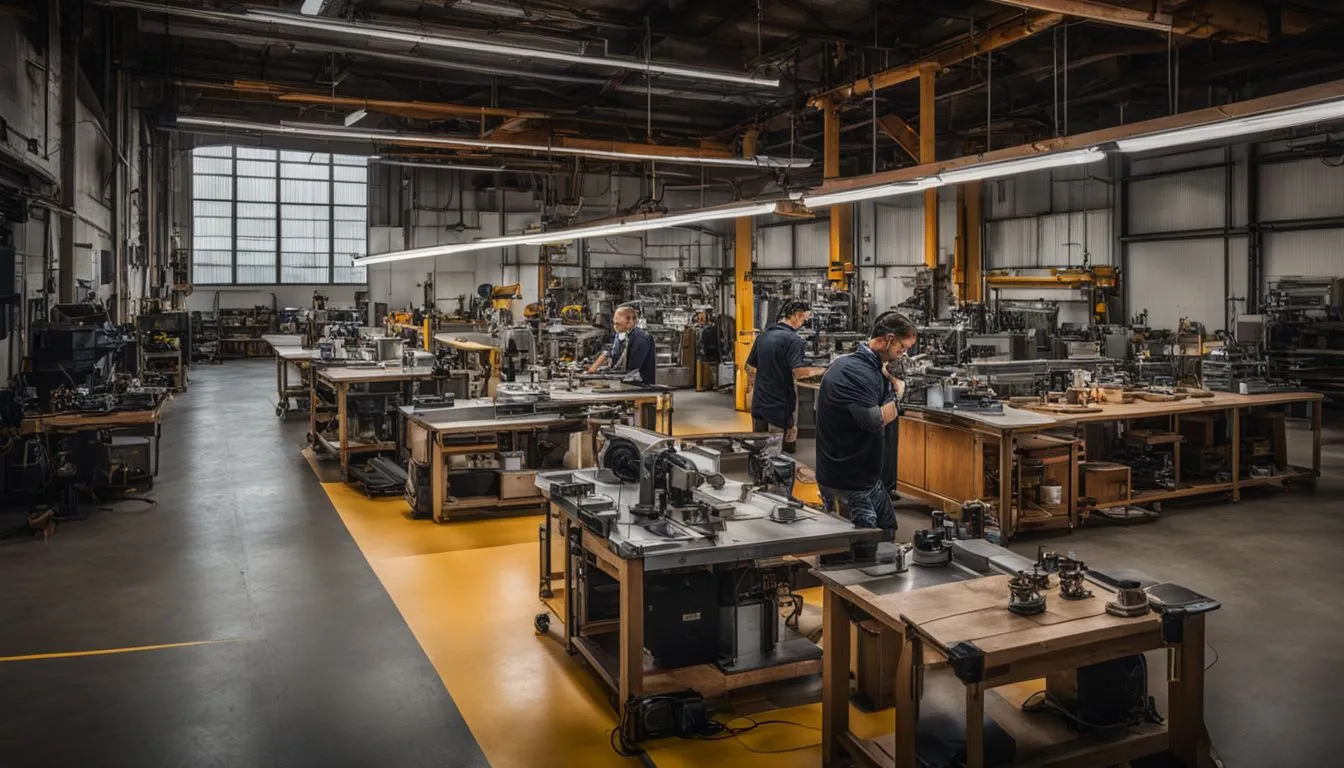
Quality standards underpin every aspect of Locksafe’s manufacturing, ensuring that their products meet and exceed safety and quality benchmarks. They meticulously integrate clear policies and procedures that are regularly reviewed and updated to ensure compliance with national quality standards, fostering an environment of continuous improvement.
Clear Policy and Procedures

At Locksafe, they prioritise their manufacturing processes with clear policy and procedures to ensure compliance requirements and quality standards meet the National Quality Standard. Their team follows strict guidelines that detail every step of production, from the initial equipment inventory check through each phase of manufacturing.
This structured approach minimises room for error, ensuring safety standards are consistently met while producing high-quality locks.
They enforce a rigorous system where preventative maintenance and quality assurance are embedded in their daily operations.
Moving forward, they continually refine these policies through periodic review and updates.
Periodic Review and Updates
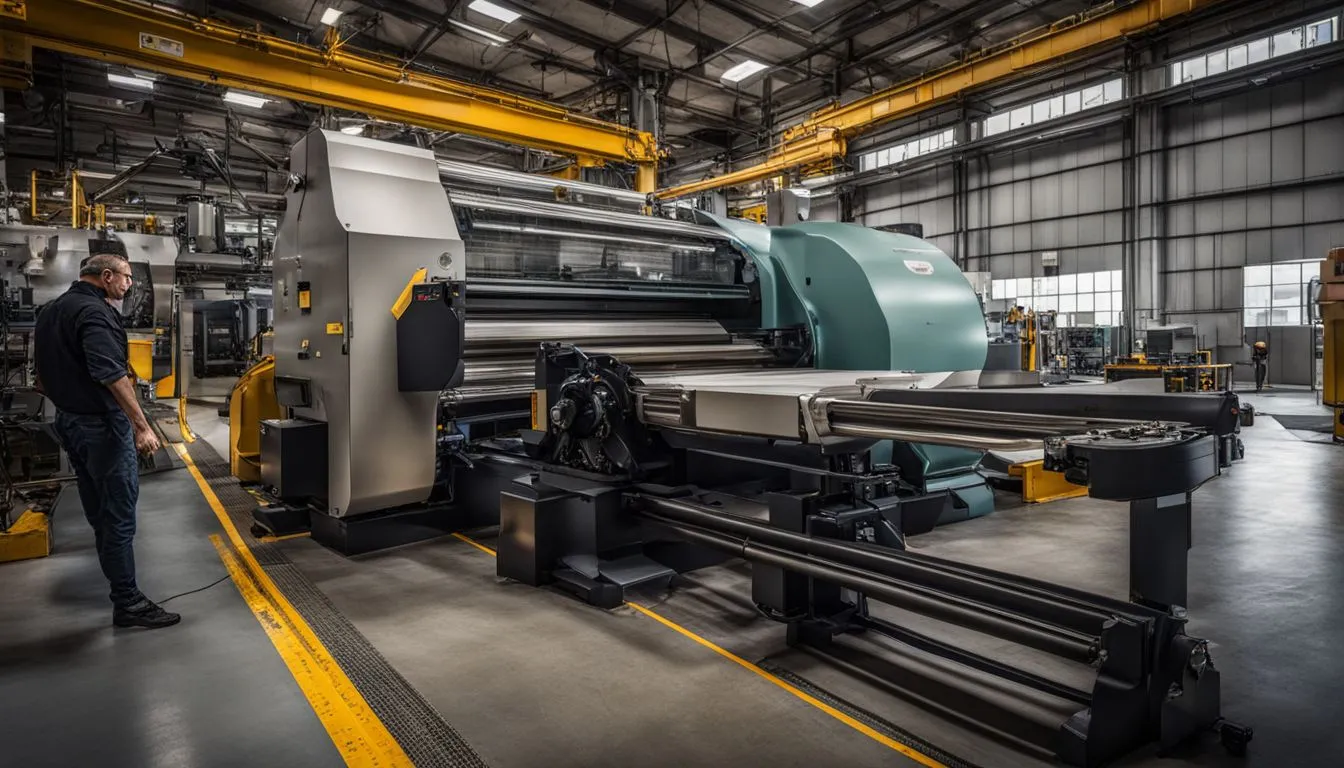
They constantly evaluate and refine their quality standards and manufacturing processes to ensure they meet the national Quality Standard. This involves conducting regular audits of their equipment, machinery, and safety procedures.
Their team reviews feedback from their workplace environment assessments, taking preventative action whenever necessary. These periodic reviews allow them to keep up with compliance requirements and lead in maintaining high manufacturing standards.
Their commitment doesn’t stop at review; they implement updates based on the latest industry practices and technological advancements. Ensuring that their equipment specifications align with modern safety standards is a priority for them.
They make these updates to not only enhance physical safety but also boost production efficiency. By staying ahead in adopting cutting-edge manufacturing techniques, they guarantee that Locksafe products are built to the highest quality assurance levels possible.
The Importance of Finish: Why Powder Coating Matters in Locksafe’s Products
In crafting their products, a top-notch finish isn’t just about aesthetics; it’s essential for durability and longevity. That’s where powder coating comes into play in Locksafe’s manufacturing process.
This method not only gives their locks an attractive look but also provides a protective barrier that stands up to wear and tear. Unlike traditional paint finishes, powder coating doesn’t chip or fade easily, ensuring that their equipment remains in pristine condition through various physical environments.
Their commitment to quality standards extends to every aspect of production, including the choice of finishing techniques like powder coating. This approach aligns with their dedication to environmental responsibility by minimising waste and avoiding the use of harmful chemicals often found in other types of finishes.
Powder-coated surfaces are easier to clean, require less maintenance over their lifespan, and contribute to workplace safety by reducing fire hazards associated with volatile organic compounds (VOCs).
As they continue refining their manufacturing processes, selecting the best possible finish is more than just meeting compliance requirements; it’s about delivering products that you can rely on for years to come.
Conclusion
They’ve shown you the ins and outs of maintaining top-notch quality standards at Locksafe, emphasising the importance of equipment specifications, safety protocols like lockouttagout, and their unyielding commitment to industrial production excellence.
Their strategies simplify adherence to national and workplace safety requirements while ensuring efficiency across all manufacturing processes. This focus not only boosts physical safety but also elevates product standards, enabling them to meet your expectations consistently.
For those keen on deeper insights or further guidance, exploring additional resources or reaching out to industry experts can expand your understanding. Let these principles inspire action and reflection within your own practices, driving towards a safer, more productive manufacturing environment.
Discover more about the significance of a quality finish in their products by exploring how powder coating enhances Locksafe’s security solutions.
Sorting out lockout for your own site?
Describe what needs isolating and we'll help you work out the setup that fits.