

Electrical safety is a critical concern for business owners like us, and circuit breaker lockouts are at the heart of keeping our workplaces safe. These devices ensure electrical circuits stay off when we need them to, avoiding accidents from unexpected power surges. Whether it’s a small single pole or a large multi-pole circuit breaker, there’s a specific lockout design to meet every industrial requirement.
Using these tools correctly is more than just good practice; it’s about creating an environment where everyone can work without fear of electrical mishaps. They come in various colours and have clear labels that make it simple to spot which circuit is which, making maintenance checks quicker and safer. But remember, having these gadgets around isn’t enough; we must train our teams regularly on how to use them properly and keep everyone up-to-date with the latest safety procedures.
The world of circuit breaker lockouts might seem technical, but getting familiar with their benefits could save lives and prevent costly downtime due to electrical faults.
What is a Circuit Breaker Lockout?
A circuit breaker lockout is a device used to prevent the accidental energising of electrical circuits during maintenance or servicing. It’s important for ensuring the safety of workers and preventing electrical accidents.
There are different types of circuit breaker lockouts available, each designed for specific types and sizes of circuit breakers.
Definition
Circuit breaker lockouts are protective devices specifically designed to maintain electrical safety by securely shutting off power at the source. They effectively block any attempt to re-energise a circuit while maintenance or repair work is being conducted.
These simple yet crucial tools form part of a greater lockout/tagout strategy, ensuring that switchgear remains in an off position and thereby protecting workers from dangerous electrical shocks and preventing unintended activation of equipment.
Having reliable lockout devices for circuit breakers is integral to workplace safety within our businesses, considering they act as physical barriers against accidental switch-ons.
This precaution not only safeguards staff but also upholds the security of the entire electrical system. Various types are available on the market, each suited for different sizes and configurations of circuit breakers.
Importance
It’s essential to recognise the importance circuit breaker lockouts hold within any workplace. Electrical hazards pose a significant risk, and by implementing circuit breaker lockouts, businesses actively secure their electrical systems and prevent unintentional switch-on.
This not only enhances workplace safety but also serves as an active protection from electrical shocks, ensuring control cabinet safety and equipment protection. By prioritising switch isolation and implementing safety barriers for electrical systems, business owners effectively manage risks associated with electrical hazards while maintaining strict hazard control measures.
Incorporating circuit breaker lockouts as part of the overall risk management strategy demonstrates a commitment to preventing electrical shocks and upholding stringent safety precautions within the workplace.
Types of Circuit Breaker Lockouts
- Single Pole Miniature Circuit Breaker Lockout: This lockout is designed to fit most single pole circuit breakers and prevents the breaker’s switch from being turned on.
- 2 to 4 Pole Miniature Circuit Breaker Lockout: This lockout is suitable for multi-pole circuit breakers, ensuring each pole is individually locked out.
- Mini to Mid-Size Circuit Breaker Lockout: Ideal for smaller circuit breakers, this lockout accommodates various sizes and can be easily installed.
- Large Size Circuit Breaker Lockout: Specifically designed for larger circuit breakers, this lockout provides a secure fit and prevents unauthorised use.
- Multi-Function Circuit Breaker Lockout: Offering versatility, this lockout can be used on different types of circuit breakers, providing a flexible solution for safety.
Different Types of Circuit Breaker Lockouts
Each type of circuit breaker lockout serves a unique purpose and provides enhanced safety measures for electrical isolation.
Single Pole Miniature Circuit Breaker Lockout
When securing a single pole miniature circuit breaker, it is essential to use the right lockout device. This type of lockout fits directly onto the circuit breaker toggle, preventing accidental switching.
It ensures that only authorised personnel can operate the circuit breaker, enhancing electrical safety in the workplace by avoiding potential hazards and accidents associated with unauthorised access.
The single pole miniature circuit breaker lockout provides a straightforward and effective solution to prevent unintentional switch-on, making it an indispensable part of any comprehensive lockout-tagout programme.
2 to 4 Pole Miniature Circuit Breaker Lockout
The 2 to 4 pole miniature circuit breaker lockout is designed to secure multi-pole breakers. These lockouts effectively prevent the accidental energising of all poles in a circuit, providing an additional layer of safety.
With their compact and versatile design, they are suitable for a wide range of industrial and commercial applications. It’s crucial for business owners to ensure that these types of lockouts are readily available in their facilities to maintain a high level of electrical safety and compliance.
Implementing the use of 2 to 4 pole miniature circuit breaker lockouts not only enhances electrical system security but also provides peace of mind knowing that electrical hazards are effectively prevented.
Mini to Mid-Size Circuit Breaker Lockout
When securing mini to mid-size circuit breakers, we use lockout devices specifically designed for these types of electrical switches. These lockouts fit securely over the switch toggle, ensuring it cannot be turned on during maintenance or repairs.
They are lightweight and easily portable, making them convenient for multiple usage across various circuits within a facility.
To ensure maximum safety when using mini to mid-size circuit breaker lockouts, always follow the manufacturer’s instructions for proper installation and removal. Before starting any work on the electrical system, make sure that all necessary lockout procedures are in place and clearly communicated to all employees involved in the maintenance process.
Large Size Circuit Breaker Lockout
Large size circuit breaker lockouts are essential for securing larger electrical switches in industrial and commercial settings. These lockouts are designed to fit over the toggle or other handles of large circuit breakers, effectively preventing unintentional switch-on during maintenance or repair work.
Utilising a robust design and durable materials, large size circuit breaker lockouts provide an added layer of security against electrical hazards, ensuring the safety of personnel and equipment within your facility.
Implementing large size circuit breaker lockouts as part of your electrical safety measures enhances overall workplace safety by significantly reducing the risk of accidental energisation while maintenance is being carried out on electrical systems.
Multi-Function Circuit Breaker Lockout
Multi-function circuit breaker lockouts are versatile devices that can be used to secure a wide range of electrical switches. They provide an effective way to prevent unintentional switch-on and protect workers from electrical hazards.
These lockouts are designed to fit multiple types and sizes of circuit breakers, offering a flexible solution for securing various electrical sources. With their adaptable design, multi-function circuit breaker lockouts enhance safety by ensuring that the correct equipment is locked out during maintenance or repair work.
Efficient organisation is another benefit of multi-function circuit breaker lockouts. By using one device for different types of circuit breakers, businesses can streamline their lockout procedures and reduce the need for multiple specialised tools.
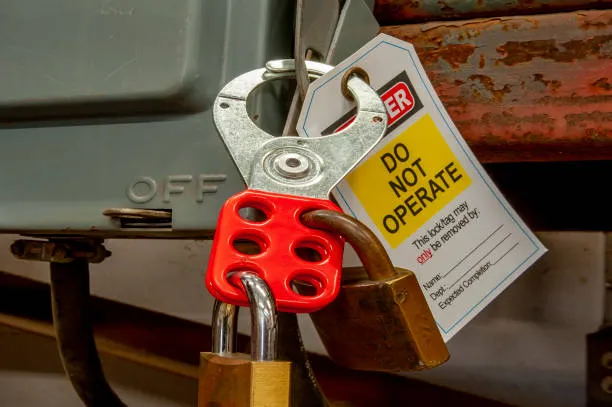
Benefits of Circuit Breaker Lockouts
Enhanced safety in the workplace is one of the key benefits of using circuit breaker lockouts, as they prevent electrical hazards and potential accidents. Additionally, these lockouts allow for easy identification and efficient organisation of power sources, making it easier to manage electrical systems effectively.
Enhanced safety
To ensure enhanced safety, it’s crucial to implement circuit breaker lockouts to prevent electrical hazards. By securing electrical switches with these devices, the risk of unintentional switch-on is minimised significantly, providing a safer working environment for employees.
This proactive approach not only protects workers from potential harm but also ensures compliance with lockout-tagout protocols and regulations. With circuit breaker lockouts in place, the likelihood of electrical accidents is drastically reduced, safeguarding both personnel and equipment.
Implementing circuit breaker lockouts offers an effective method for preventing electrical hazards and promoting safety within the workplace. These measures not only protect employees from potential harm but also contribute to maintaining a safe and compliant work environment.
Easy identification
Identifying a specific circuit breaker lockout is made easy with the use of various colours and labels. Each type of lockout is designed in a distinct colour, making it simple to match the appropriate lockout to the corresponding breaker.
Additionally, clear labelling provides quick recognition of the type and purpose of each lockout, streamlining the process and enhancing workplace safety.
Efficient organisation is key to easy identification. By categorising and storing lockouts in an easily accessible location, businesses can ensure that employees can quickly find and utilise the correct device for their needs.
Efficient organisation
Efficient organisation is crucial for ensuring a safe and secure work environment. Properly storing and maintaining lockout devices, along with clear labelling and documentation, is essential for quick access during emergencies.
Implementing a detailed lockout/tagout programme helps in streamlining processes and ensures that all employees understand their roles and responsibilities when it comes to electrical safety procedures.
Regular training sessions also play a vital role in reinforcing organisational efficiency, keeping everyone informed on the latest protocols and best practices.
Staying organised not only reduces response time during hazardous situations but also fosters an environment where safety becomes second nature, preventing unintentional switch-on incidents while working with electrical systems.
How to Use Circuit Breaker Lockouts
Preparing lockout procedures is crucial for effective use, and following the provided instructions for each type of circuit breaker lockout ensures maximum safety.
Preparing lockout procedures
To prepare lockout procedures, we begin by identifying all electrical equipment that requires lockout. Next, we document the specific steps for isolating and securing each piece of equipment. Ensure that the lockout procedures are easily accessible to all authorised personnel and regularly reviewed for updates. Additionally, provide thorough training on the lockout procedures to relevant staff members and conduct periodic audits to verify compliance with the established protocols.
Instructions for use
After preparing lockout procedures, it is crucial to follow the specific instructions for using circuit breaker lockouts. Here are the detailed steps for effective implementation:
- Select the appropriate type of circuit breaker lockout based on the specifications of the equipment.
- After turning off the power supply, attach the lockout device to the breaker in accordance with its design and locking mechanism.
- Use clear and standardised tagout labels to indicate which energy source has been isolated and why.
- Ensure that all employees understand and comply with the lockout/tagout process through comprehensive training and regular re-evaluations.
- Regularly inspect and maintain circuit breaker lockouts to guarantee their proper functioning.

Conclusion
Circuit breaker lock-offs are crucial for preventing electrical hazards and unintentional switch-on incidents. These practical and efficient measures provide enhanced safety by enabling easy identification and efficient organisation of lock-off procedures. Have you considered implementing circuit breaker lock-offs in your business to ensure a safer work environment?
It’s time you ensure a safe environment by employing the appropriate safety protocols. Reach out to Work Safe Lockout for your safety lock requirements. Let’s take proactive steps towards electrical hazard prevention for a secure and productive work environment.
Sorting out lockout for your own site?
Describe what needs isolating and we'll help you work out the setup that fits.