
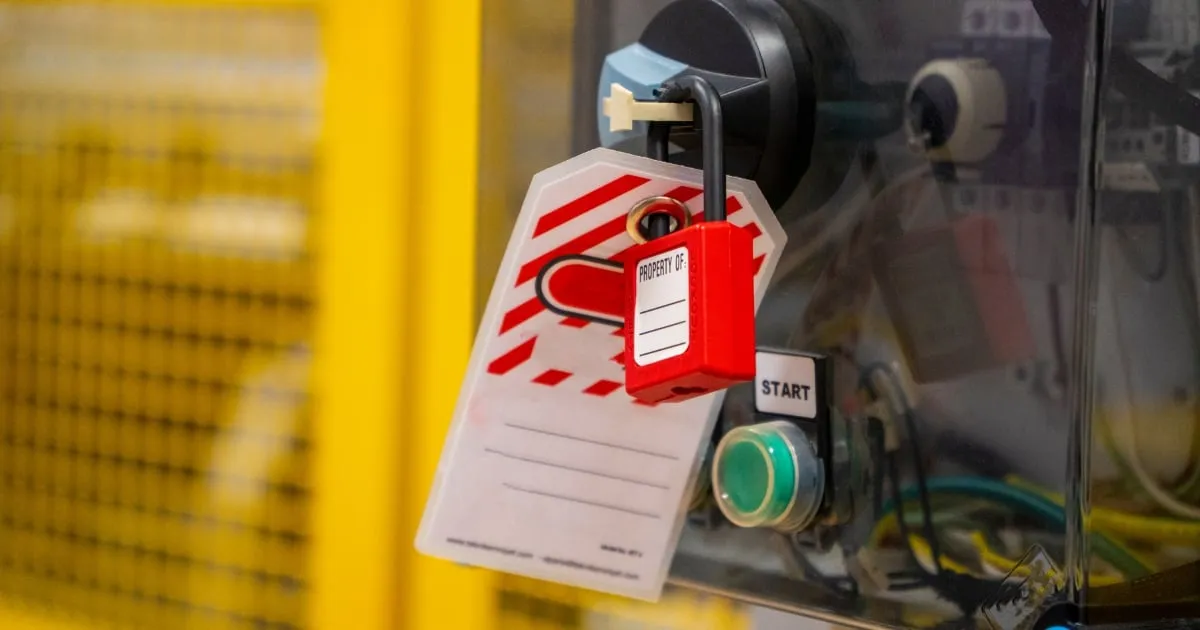
Workplace safety is a fundamental concern for any business, especially in environments where machinery and hazardous energy sources are involved. One of the most effective strategies for mitigating risks and preventing accidents is the implementation of Lockout/Tagout (LOTO) procedures. These procedures play a crucial role in ensuring that machinery is properly shut down and cannot be accidentally restarted during maintenance or repair work. In this article, we’ll delve into the importance of Lockout/Tagout, explore its key components, and discuss how it can be effectively implemented to enhance workplace safety.
Understanding Lockout/Tagout (LOTO)
Lockout/Tagout (LOTO) is a safety protocol designed to prevent accidental machine start-ups and energy releases during maintenance activities. The “Lockout” part involves physically locking off energy sources, such as electrical circuits, hydraulic lines, or pneumatic systems, to prevent machinery from being powered on. “Tagout” refers to the use of warning tags that indicate the equipment is under maintenance and should not be operated. Together, these practices ensure that workers are protected from potentially dangerous equipment while performing their tasks.
The Importance of LOTO in Preventing Accidents
Accidents caused by the unexpected start-up of machinery or the release of stored energy can have severe consequences, including injuries, fatalities, and significant property damage. Lockout/Tagout procedures are vital for preventing these types of accidents by ensuring that machinery cannot be inadvertently turned on while maintenance is being performed. By implementing LOTO, organisations can safeguard their employees, minimise downtime, and comply with safety regulations, ultimately creating a safer working environment.
Key Components of a Lockout/Tagout Program
A successful Lockout/Tagout program comprises several essential components:
- Energy Control Procedures: Detailed procedures outlining how to isolate and control energy sources for each piece of equipment.
- Training and Education: Comprehensive training programs to ensure all employees understand LOTO procedures and their importance.
- Lockout Devices: Physical locks and other devices used to secure energy isolation points.
- Tagout Devices: Warning tags that clearly indicate that equipment is being serviced and must not be operated.
- Periodic Inspections: Regular reviews of lockout procedures to ensure they are being followed correctly and are effective.
Developing Effective Energy Control Procedures
Creating detailed energy control procedures is a cornerstone of a robust Lockout/Tagout program. These procedures should include a step-by-step guide on how to isolate each energy source, including electrical, mechanical, hydraulic, and pneumatic systems. Each procedure should be specific to the equipment and include diagrams or labels to assist workers in correctly applying lockout devices. Clear, written procedures help ensure that all employees are aware of the correct processes and reduce the risk of errors during maintenance.
The Role of Training in LOTO Success
Training is critical for the effective implementation of Lockout/Tagout procedures. All employees, including those who perform maintenance and those who operate machinery, should receive thorough training on LOTO practices. Training should cover the importance of LOTO, the specific procedures for different types of equipment, and the proper use of lockout and tagout devices. Regular refresher courses and hands-on practice sessions can reinforce knowledge and ensure that safety practices remain top of mind.

Choosing the Right Lockout and Tagout Devices
Selecting appropriate lockout and tagout devices is essential for the success of a LOTO program. Devices should be durable, easy to use, and compatible with the equipment being serviced. Common lockout devices include padlocks, hasps, and circuit breaker locks, while tagout devices typically include warning tags and labels. It’s important to ensure that devices are clearly marked and easily identifiable to avoid any confusion during maintenance activities.
Implementing a Lockout/Tagout Program: Best Practices
When implementing a Lockout/Tagout program, consider the following best practices:
- Involve Employees: Engage workers in the development and implementation of LOTO procedures to ensure they are practical and effective.
- Maintain Clear Communication: Ensure that all employees are aware of when and why lockout/tagout procedures are being applied.
- Document Procedures: Keep accurate records of all LOTO procedures, training sessions, and equipment maintenance activities.
- Review and Update: Regularly review and update lockout procedures to reflect any changes in equipment or processes.
The Impact of LOTO on Compliance and Safety Culture
Implementing Lockout/Tagout procedures not only helps prevent accidents but also supports compliance with safety regulations and standards. Many regulatory bodies require the use of LOTO procedures to protect workers from hazardous energy sources. By adhering to these regulations, organisations demonstrate their commitment to safety and foster a positive safety culture. A strong safety culture encourages employees to take an active role in maintaining a safe working environment and reporting any safety concerns.
Common Challenges and Solutions
While Lockout/Tagout is an effective safety strategy, organisations may face challenges in its implementation. Common issues include resistance to change, lack of training, and difficulties in identifying all energy sources. To address these challenges, organisations should focus on clear communication, ongoing training, and comprehensive procedures. Engaging employees in the process and addressing any concerns can help overcome resistance and ensure that LOTO practices are effectively integrated into daily operations.
The Future of Lockout/Tagout: Innovations on the Horizon
As technology continues to advance, the future of Lockout/Tagout is likely to see further innovations. Emerging technologies such as smart lockout devices, real-time monitoring systems, and advanced training tools are expected to enhance the effectiveness of LOTO procedures. These innovations can provide more accurate data, streamline maintenance processes, and improve overall safety. Staying abreast of these developments can help organisations continuously improve their lockout/tagout practices and maintain a safe working environment.
Securing Safety with Lockout/Tagout
Lockout/Tagout procedures are a cornerstone of workplace safety, providing a reliable strategy for preventing accidents and protecting employees from hazardous energy sources. By implementing comprehensive LOTO programs, organisations can ensure that their machinery is properly isolated during maintenance and minimise the risk of unexpected start-ups. As we look to the future, embracing new technologies and continuously refining LOTO practices will help secure a safer, more efficient working environment for all.
Sorting out lockout for your own site?
Describe what needs isolating and we'll help you work out the setup that fits.