

Taking the plunge into the elaborate world of workplace safety can seem a bit like wandering through a maze, especially when you get to the part about lockout safety locks and how they’re meant to work.
We totally understand – it’s no picnic coming to grips with all that stuff and realising that one wrong step could mean copping flack for regulatory breaches, or even worse, having one of your team injured on your watch.
But don’t worry mate, we’ve got you covered with this cracker article we’ve put together. It’s chock-full of information about Lockout/Tagout (LOTO), from why it’s so important right down to the best ways you can implement these little life-savers in your business.
So come on then – let’s take this journey together as we unpack just how these small devices hold the key to creating safer workplaces across our sunburnt country.

What is Lockout/Tagout?
Lockout/Tagout, also known as LOTO, is a safety procedure used to isolate and de-energize equipment or machinery before maintenance or servicing. It involves the use of lockout safety locks and tags to secure energy sources and prevent accidental startup, protecting workers from hazardous energy exposure.
Definition and purpose
Lockout/Tagout, also known as LOTO, serves a critical role in industrial safety. It refers to specific practices and procedures designed to safeguard employees from the sudden startup of machinery or equipment, or any unexpected release of hazardous energy during service or maintenance activities.
Central to these practices is the use of lockout devices, predominantly keyed locks, that facilitate the isolation and de-energizing of machines and equipment. The primary objective here is not only securing workplace safety but also ensuring compliance with regulatory standards set by occupational health bodies around the world.
Brief history of LOTO
Lockout/Tagout, commonly referred to as LOTO, has a rich history rooted in the need for increased worker safety. Over time, it has evolved into a crucial practice for industries worldwide.
LOTO originated in the 1970s when workers were facing an alarming number of accidents and injuries caused by unexpected startup of machinery during maintenance or repairs.
To address this issue, lockout devices were introduced to physically isolate equipment from its power source, preventing any unintentional activation. A tag is also placed on the device to communicate that it should not be operated until the work is completed and removed.
Since then, LOTO procedures have been refined and enhanced, becoming a vital part of workplace safety regulations globally.
The Importance of Lockout/Tagout
The importance of lockout/tagout cannot be overstated in ensuring worker safety and compliance with regulations.
Ensuring worker safety
We prioritise worker safety to create a secure workplace environment. This means implementing lockout/tagout procedures and providing the necessary training for employees. By isolating energy sources and de-energizing equipment, we ensure that workers can safely perform maintenance or repairs without encountering hazardous energy.
Additionally, the use of lockout safety locks allows for the proper securing of equipment during servicing, reducing the risk of accidents or injuries. We understand that maintaining a safe work environment is crucial to protecting both our employees and our business.
Compliance with regulations
To ensure the safety of your workers and avoid penalties, it’s crucial to comply with lockout safety regulations. These regulations are in place to protect employees from hazardous energy sources and prevent workplace accidents.
As a business owner, you must follow the lockout/tagout procedures specified by the relevant authorities in Australia. This includes implementing written procedures and work instructions, providing appropriate training for employees, and using approved lockout/tagout devices such as lockout padlocks.
By adhering to these regulations, you demonstrate your commitment to creating a safe working environment for everyone involved.
Components of a Lockout/Tagout Program
In a Lockout/Tagout program, there are several key components that must be in place to ensure the safety of workers and compliance with regulations. These include written procedures and work instructions, training requirements, and the use of appropriate equipment and devices.
Written procedures and work instructions
We provide written procedures and work instructions as part of Locksafe's lockout/tagout program. These documents outline step-by-step guidelines for safely de-energizing and securing equipment to protect workers from hazardous energy sources.
Our procedures ensure that all necessary precautions are taken before maintenance or servicing tasks begin, reducing the risk of workplace accidents. By following these instructions, your employees can confidently perform their duties while complying with safety regulations and promoting a culture of occupational health and safety in your organisation.
Training requirements
To ensure the safe and effective implementation of a lockout/tagout program, proper training is essential. Training requirements include providing comprehensive instruction to employees on the procedures and practices involved in lockout/tagout.
This includes information about energy sources, hazardous energy, equipment maintenance, and workplace accidents. Employees must also be trained on how to properly isolate energy sources, de-energize equipment, and secure machinery before performing any maintenance or servicing activities.
It is important for business owners to prioritise training to prevent accidents and promote a culture of safety within their organisation.
Equipment and devices
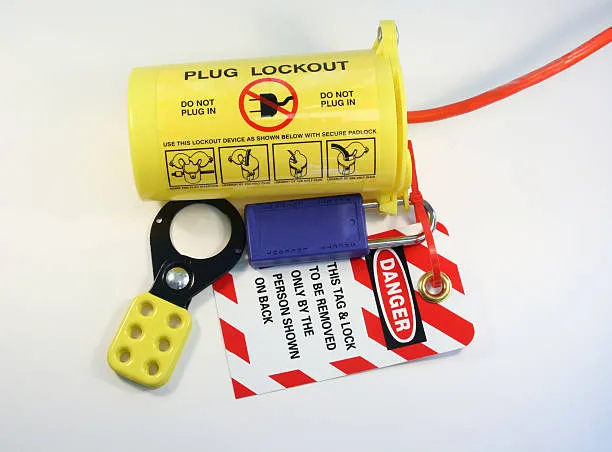
To ensure the effective implementation of a lockout/tagout program, appropriate equipment and devices are essential. Acceptable locks, such as keyed or combination locks, should be used to secure energy sources by isolating and de-energizing equipment.
Safety locks specifically designed for lockout/tagout procedures are highly recommended. These devices provide an extra layer of protection against accidental reactivation of machinery, reducing the risk of workplace accidents.
By following lockout/tagout procedures with the right equipment and devices in place, you can effectively safeguard your employees and comply with safety regulations in Australia.
Applications of Lockout/Tagout
Lockout/Tagout has various applications across different industries and sectors. In construction and agriculture, lockout/tagout procedures are commonly used to isolate energy sources and prevent accidental startup of heavy machinery or equipment.
Additionally, minor servicing clauses allow maintenance personnel to perform routine tasks safely without fully deenergizing the equipment. Coordination with contractors is also essential to ensure a comprehensive lockout/tagout program in shared workplaces.
Construction and agriculture
Construction and agriculture are two industries where lockout/tagout procedures play a crucial role in ensuring worker safety. In these sectors, machinery and equipment are frequently used, which often require maintenance or repairs.
Lockout/tagout procedures help to isolate hazardous energy sources, such as electrical or hydraulic systems, before any servicing or maintenance work takes place. This helps to prevent unexpected startups of machinery that could potentially injure workers.
By implementing effective lockout/tagout programs, businesses in the construction and agriculture industries can minimise workplace accidents and comply with safety regulations.
Minor servicing clauses
For business owners, it is crucial to understand the minor servicing clauses when implementing a lockout/tagout program. These clauses cover situations where equipment or machinery requires minimal maintenance or quick adjustments that do not involve major dismantling or removal of parts.
While these tasks may seem insignificant, they still pose risks if proper safety measures are not followed. It is essential to include specific guidelines and procedures for minor servicing activities in your lockout/tagout program to ensure the safety of your maintenance personnel and prevent workplace accidents.
Coordination with contractors
We understand the importance of coordination with contractors when it comes to implementing a successful lockout/tagout program. It is crucial to communicate and collaborate with contractors, ensuring that they are aware of and comply with your company’s lockout/tagout procedures.
This involves providing them with necessary training, discussing specific requirements for their work on-site, and monitoring their adherence to safety protocols. By effectively coordinating with contractors, you can ensure a safe working environment for everyone involved in the project.
Best Practices for Lockout/Tagout
Grouping similar machines and conducting annual audits can greatly enhance the effectiveness of a lockout/tagout program. Don’t miss out on these essential tips for ensuring worker safety – read more now!
Grouping similar machines
Grouping similar machines is an important aspect of a lockout/tagout program. By categorising machines with similar energy sources or hazards, it becomes easier to develop specific lockout procedures and train employees accordingly.
For example, if you have a group of machines that use electricity as their energy source, you can create a set of procedures that address the potential electrical hazards associated with these machines.
This ensures that employees are aware of the specific steps they need to take to safely isolate and de energise each machine in that group. Grouping similar machines not only enhances efficiency but also promotes consistency in lockout practices throughout your facility.
Annual audits
To ensure the ongoing effectiveness of your lockout/tagout program, it is essential to conduct annual audits. These audits help identify any potential gaps or weaknesses in your procedures and equipment.
By reviewing your lockout/tagout practices on a regular basis, you can address any issues and make necessary improvements to enhance worker safety. Annual audits allow you to stay compliant with regulations and ensure that your employees are properly trained and following proper procedures.
It also provides an opportunity to assess the overall effectiveness of your lockout/tagout program and make adjustments if needed. Regular audits demonstrate your commitment to maintaining a safe working environment for everyone in your organisation.
Second-person verification
To further ensure the effectiveness of your lockout/tagout program, it is crucial to incorporate second-person verification. This involves having a separate individual verify that all necessary steps have been taken and equipment has been properly isolated before work begins.
The purpose of this verification process is to minimise the risk of human error and increase overall safety. By implementing second-person verification, you can provide an additional layer of assurance that all hazardous energy sources are properly de-energized and secured, reducing the likelihood of workplace accidents and injuries.
Your workers’ safety should always be paramount, so make sure to include second-person verification as part of your lockout/tagout procedures.
Temporary removal of devices
During a lockout/tagout procedure, there may be times when it is necessary to temporarily remove devices in order to carry out maintenance or repairs. This can include removing electrical panels, control switches, or other components that need to be accessed.
It is important to follow proper procedures and ensure that all energy sources are properly isolated before removing any devices. By doing so, you can prevent accidental re-energization and protect the safety of workers involved in the maintenance process.
Temporary removal of devices should only be done by trained personnel who understand the risks involved and have received appropriate training on lockout/tagout procedures.
When conducting temporary removal of devices, it is crucial to always keep safety as the top priority. Workers must be aware of potential hazards and take necessary precautions while performing maintenance tasks.
Conclusion
Understanding the importance and applications of lockout safety locks is crucial for ensuring worker safety and compliance with regulations. By implementing a comprehensive lockout/tagout program that includes written procedures, training, and the use of appropriate equipment and devices, businesses can effectively isolate and secure hazardous energy sources.
Following best practices such as grouping similar machines, conducting annual audits, verifying with a second person, and temporarily removing devices when necessary will further enhance workplace safety. Stay proactive in maintaining lockout safety to prevent accidents and promote a culture of industrial safety. By now, you appreciate how integral lockout safety locks are in various applications. To optimise your usage, consult with Worksafe Lockouts, experts in the field.
Sorting out lockout for your own site?
Describe what needs isolating and we'll help you work out the setup that fits.